Saturday 29th January 2022

A sea watch first thing was quiet other than the five Slavonian Grebes, a single male Eider, the customary Razorbill or two and at least 10 Great Crested Grebes strung out along the Solent.
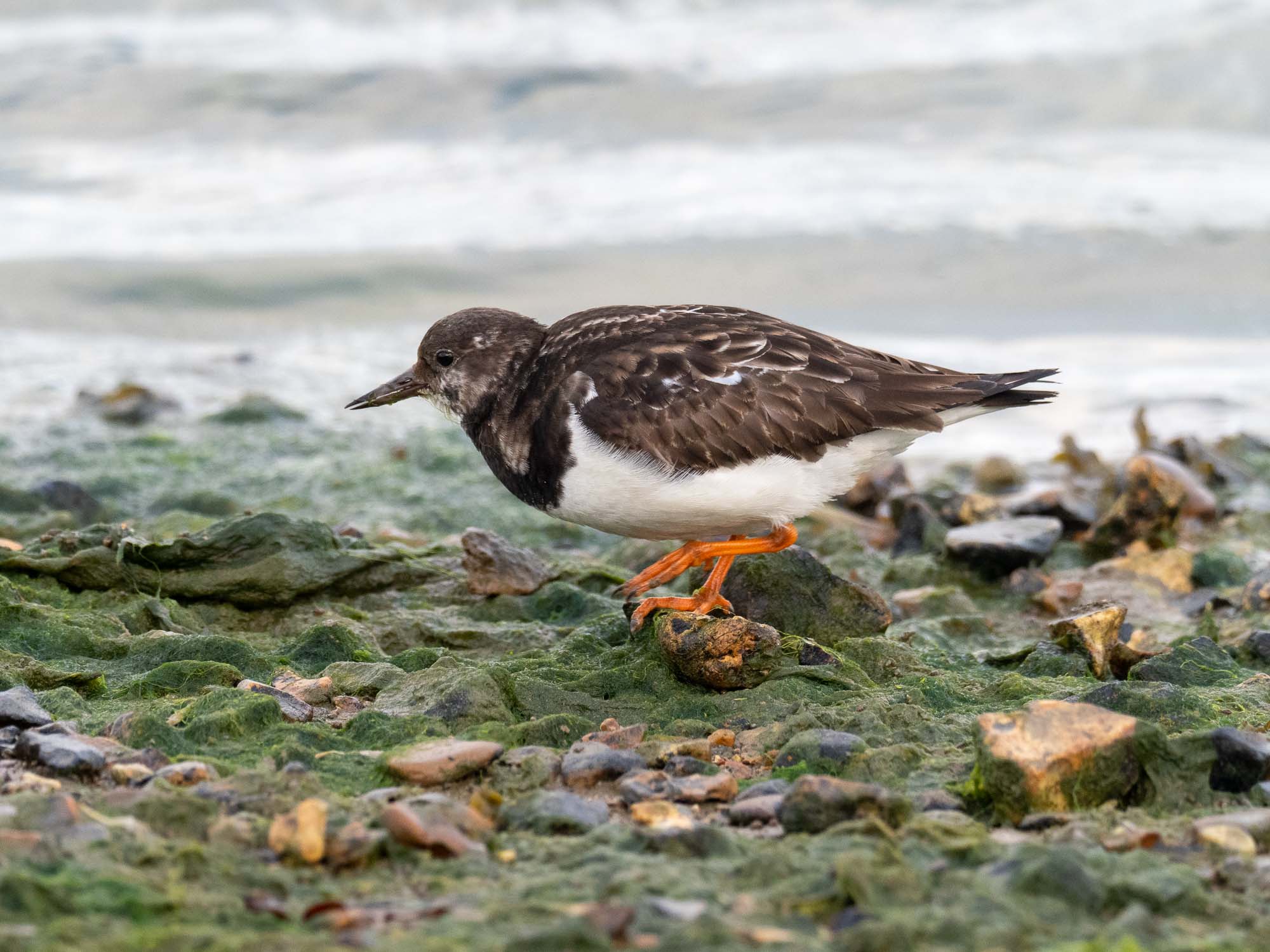
Turnstone

From the Sailing Club 10 Spoonbill were loafing on Inchmery Saltmarsh and just in front of them the Purple Sandpiper (see arrow below) was resting in the Dunlin roost.

Spoonbill

Over at the bottom of Exbury Fields the juvenile Peregrine was in one of her favourite trees. I’ve spoken to two birders this week who have both said that they have seen two Peregrines around the point which suggests that at least one of the adult birds is still around but I haven’t seen either of them myself.
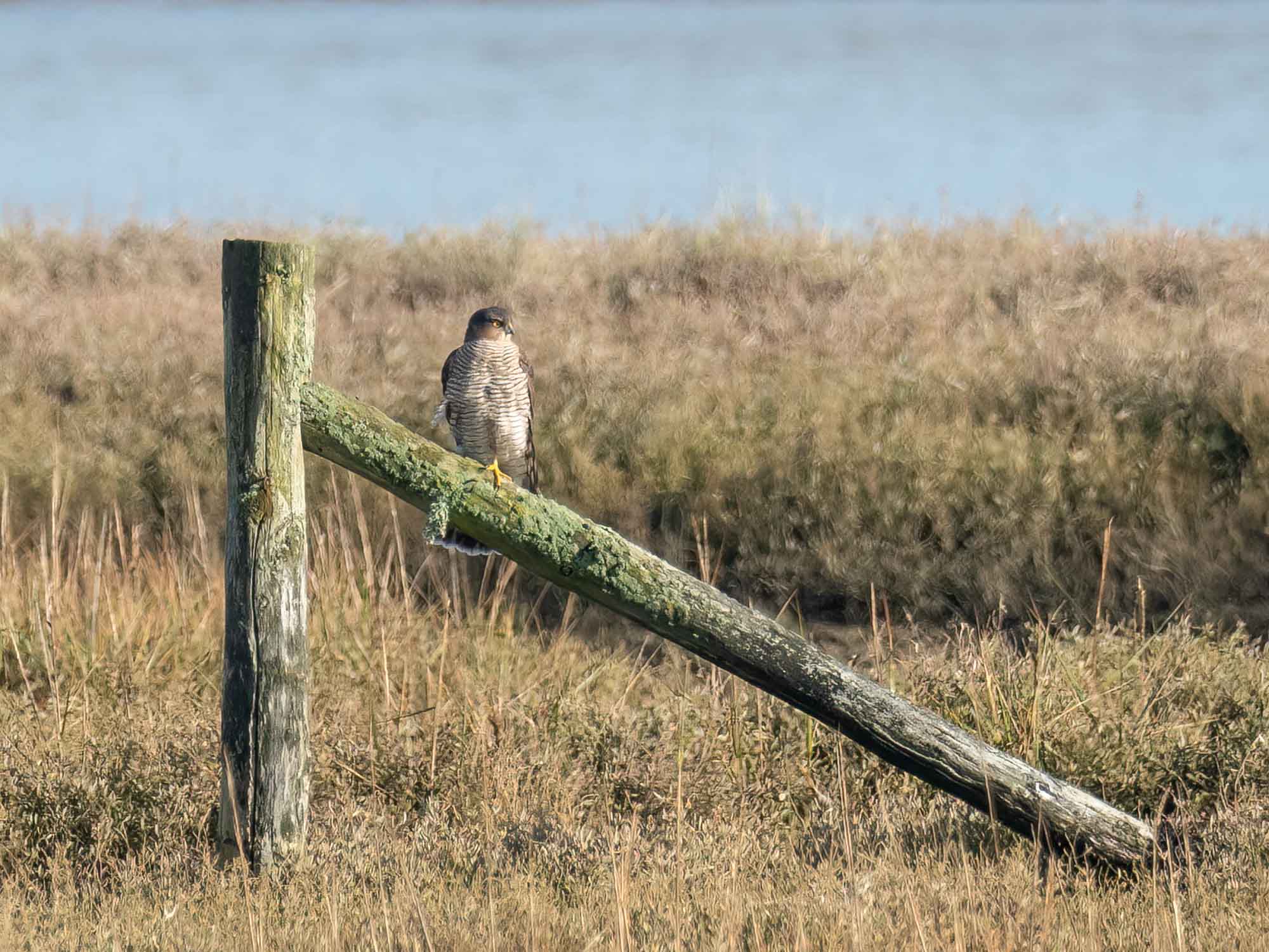
Sparrowhawk

Also on the other side of the river the male White-tailed Eagle G393 appeared to be checking out a nest site. As the oldest of the eagles we get at Needs Ore his bill is looking pretty yellow now.

White-tailed Eagle

While watching De L’Orne Scrape from the Sluice Gate a Spotted Redshank called once as it flew over my head. I’ve had a few late autumn/November records but this is my first January record and my first definite winter record since 30th December 2020.

Spotted Redshank over the Sluice gate

Nearby an adult Herring Gull was sat on the number 5 post. Some adults retain streaked heads into February although most are white-headed by now.

adult Herring Gull

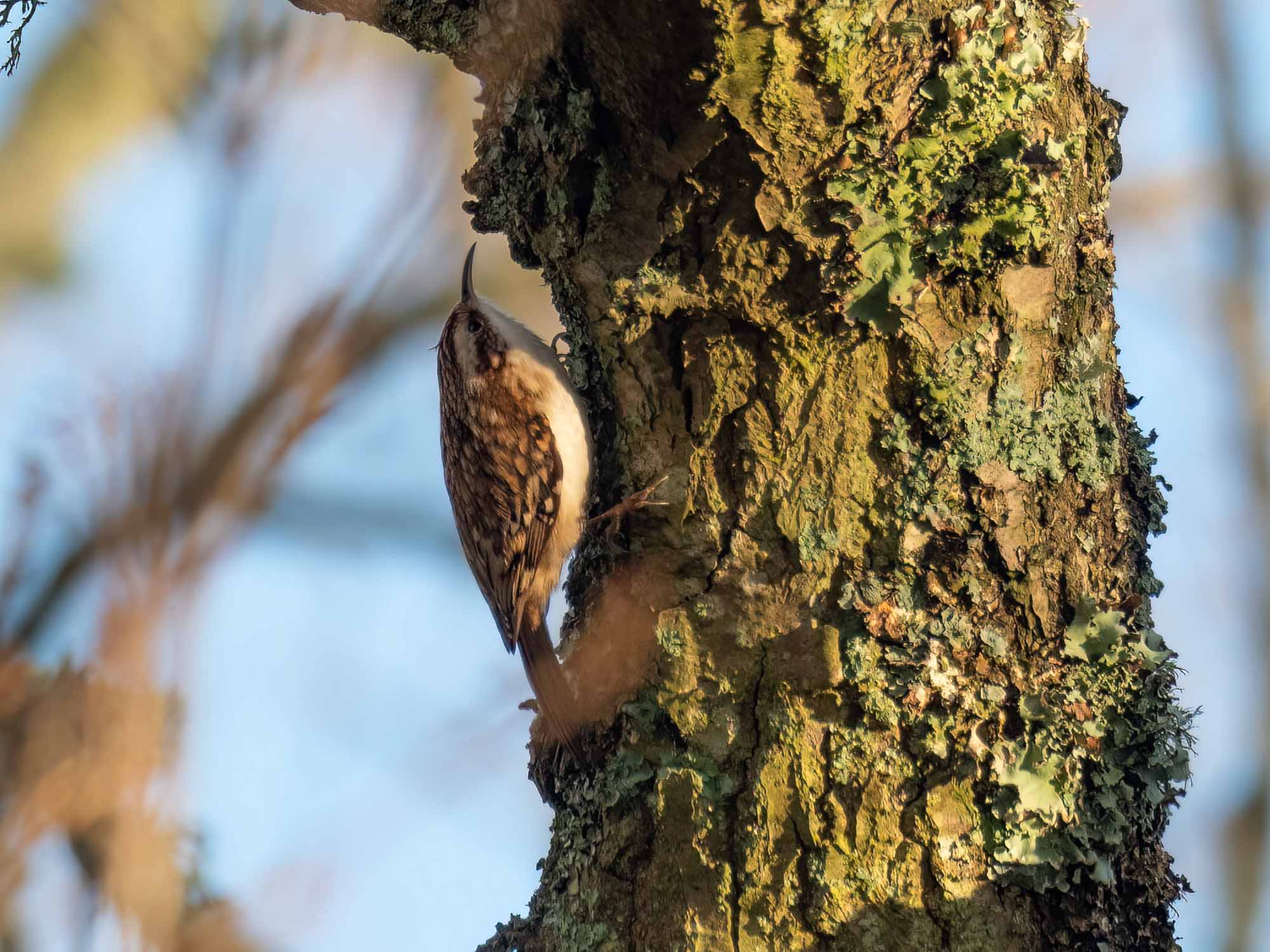
While scanning the Brent flock from Park Lane a Treecreeper called from the trees at the bottom of Rye Errish Copse. With a decent image you can separate Common Treecreeper from Short-toed Treecreeper. Here you can see the buff markings half way along the primaries create a clear blackish right angle (see arrow below) whereas on Short-toed Treecreeper these buff marks are uniformly stepped to create more of a smooth buffy edge.

Treecreeper

I regularly see a pair of Kestrels here and the male posed nicely for me today.

adult male Kestrel

Eight of the Spoonbills headed west past Park Shore and there were at least eight Red-breasted Mergansers just off shore.
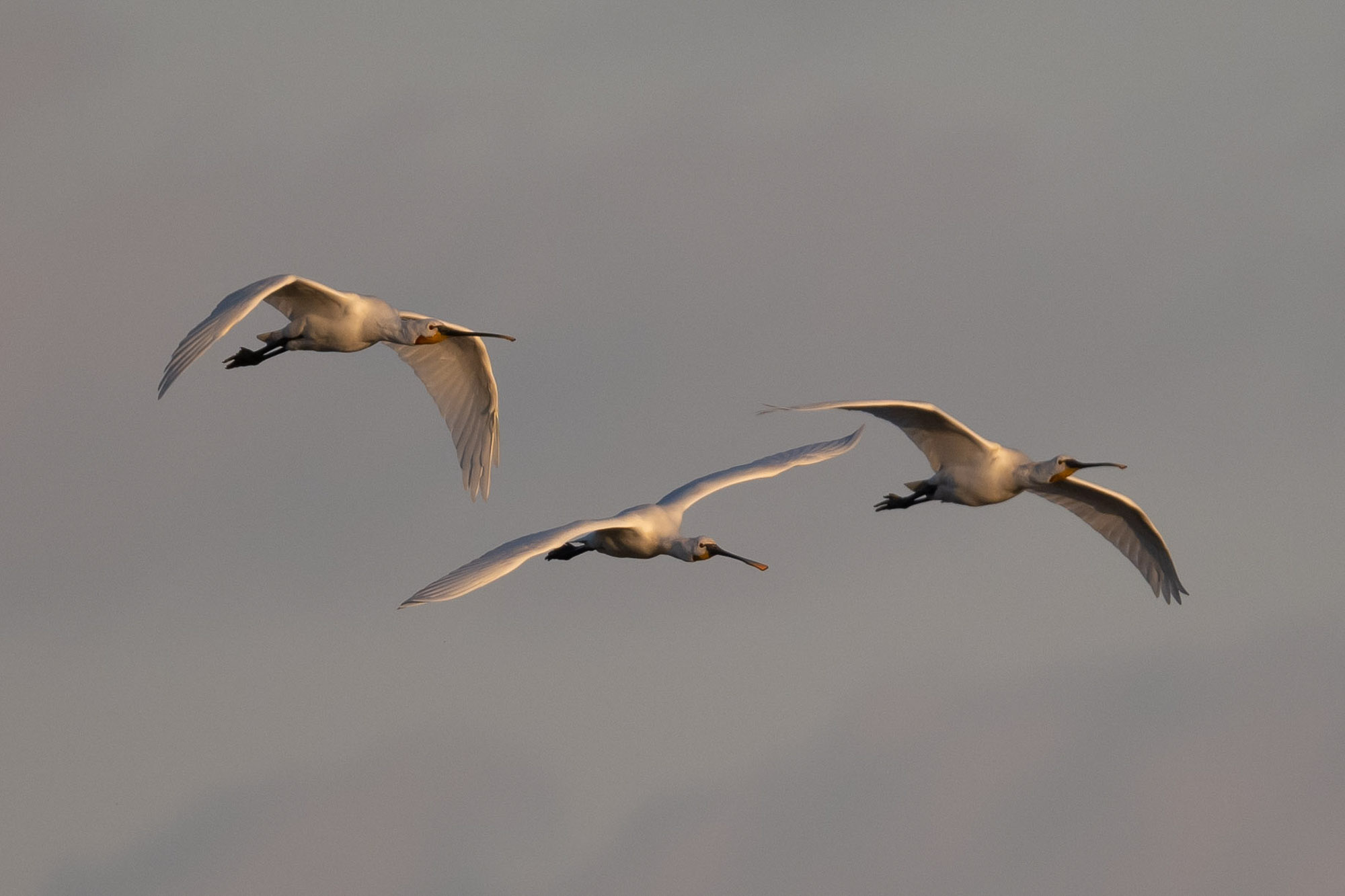
Spoonbill photo by Brian Fairbrother

There was plenty of shooting going on nearby and large flocks of dabbling ducks had escaped to the safety of the sea. On the shingle islands there were 53 Mediterranean Gulls all facing into the wind. Most were adults (49), three had the black primary tips of 2nd winter birds and there was just one 1st winter bird.  

adult Mediterranean Gulls

Park Shore gets a few larger gulls mainly Herring Gulls and I often photograph them to double check that other similar but rarer gulls aren’t appearing. On this 2nd winter individual you can see the clear pale window on the inner primaries, brownish (as opposed to blackish) centres to the secondaries, a thick tail band which doesn’t particularly contrast with an off white rump which has dark marks and a head that is not particularly white.

2nd winter Herring Gull

Thursday 27th January 2022

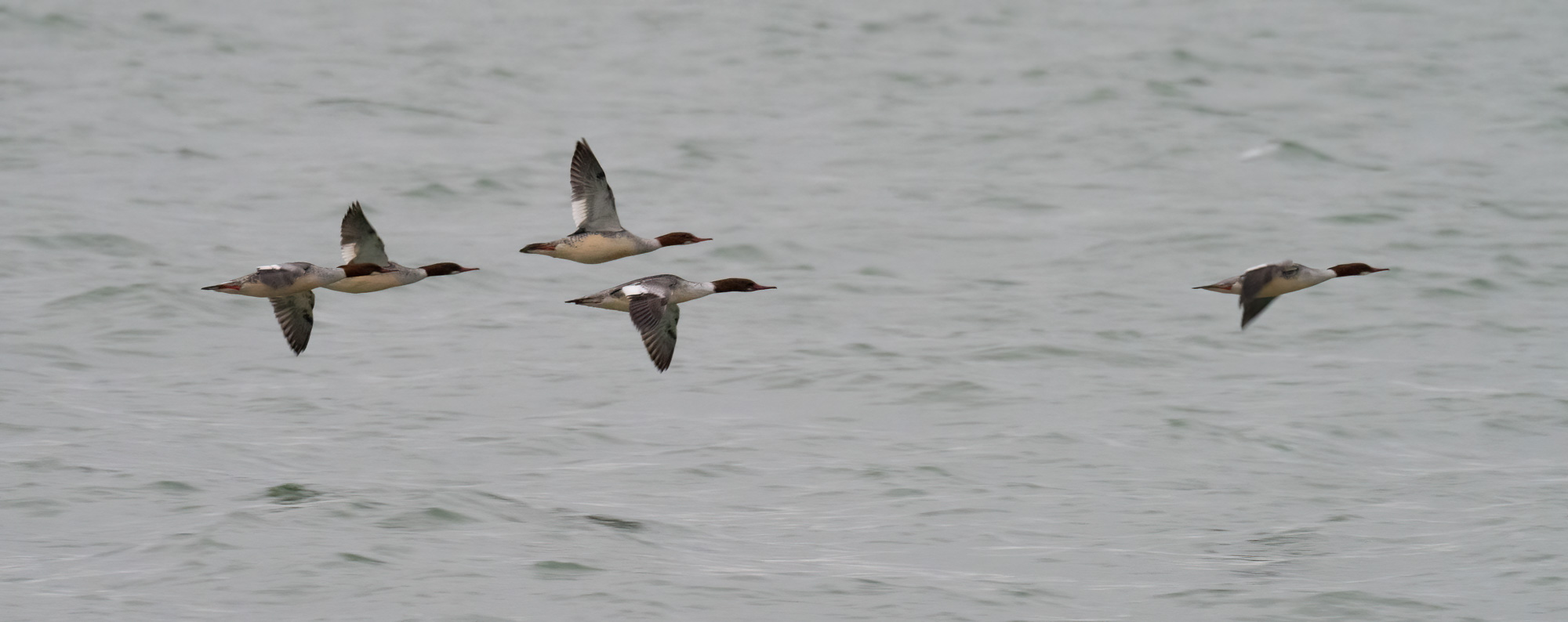
I hadn’t seen any Goosander at Needs Ore until 28th November 2021 but I’ve seen three since then and then this morning a flock of five red-headed Goosander flew west fairly close in shore. Even in flight you can see the sharply demarcated brown heads and photos help with also seeing the neat white chin, the lack of black bar across the secondaries and the cleaner flanks.

Goosander

Throughout the day there were good numbers of Eider on the sea. There was lots of comings and goings and so it’s difficult to be certain of numbers but I’d estimate 25. A single Slavonian Grebe was joined by three more arriving from the west.

Golden Plover

Over at the hides 63 Golden Plover appeared from the north spooked by one of the White-tailed Eagles. The flock wheeled over the Gins for several minutes before appearing to land on Gins West. I later saw the flock on the flooded Gins looking north from Venner Hide.

White-tailed Eagle
Black-tailed Godwit photo by Brian Fairbrother

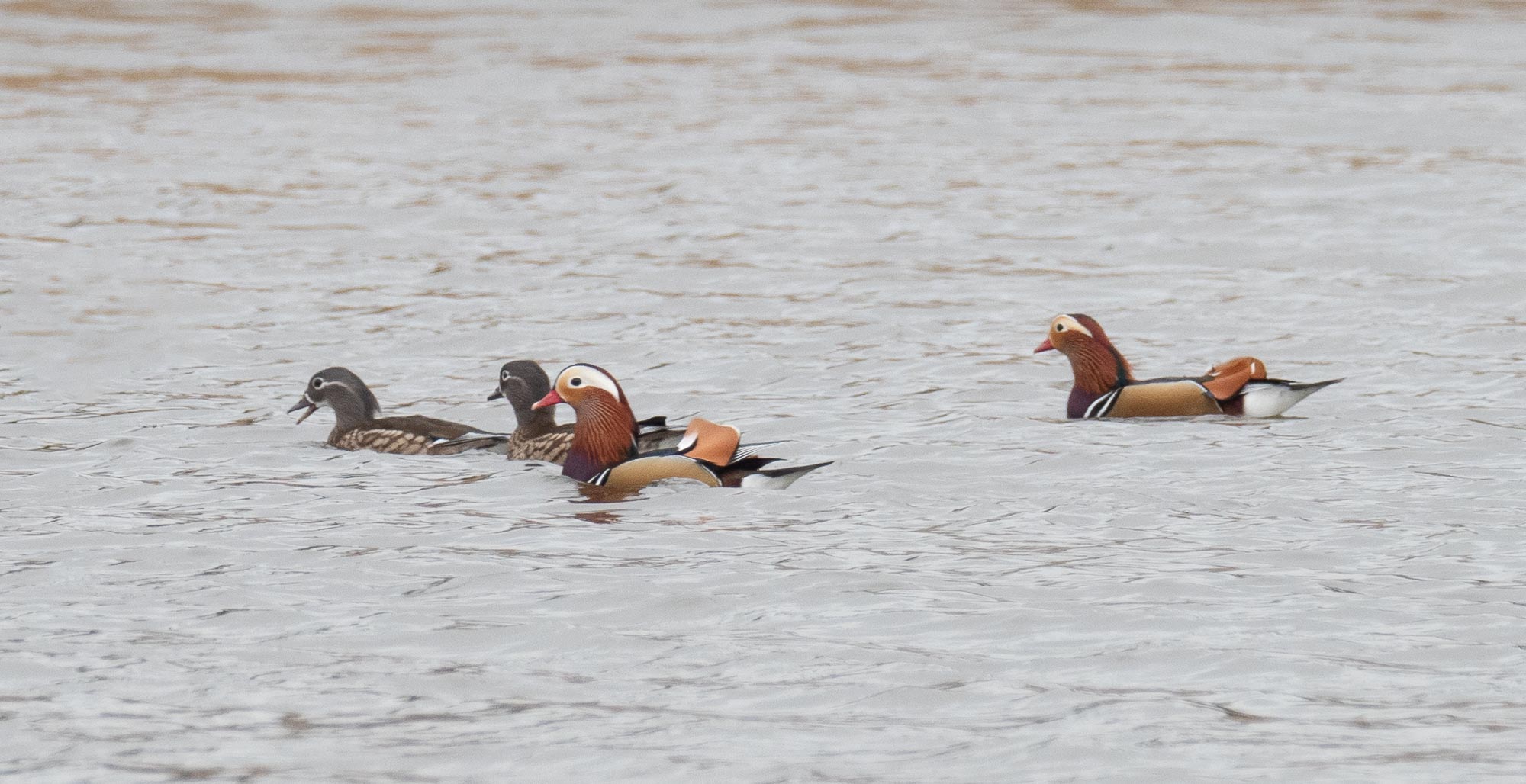
The Scaup was on Black Water with a pair of Pochard and as I scanned further right I was delighted to see two pairs of Mandarin Duck.

Mandarin Ducks

They were in the middle of Black Water looking flighty and I think they may have just arrived. Over the next 15 minutes they swam around the edge of the water flushing out anxious looking Teal from the reeds. Once the reed edges were clear they quietly disappeared into them and they weren’t seen again. This is the first Mandarin Duck at Needs Ore for three years and a patch tick for me.  

Mandarin Ducks

There were 60 Brent Geese feeding in Middle Field, the first time I’ve seen them grazing in the fields alongside the Main Hedge. 

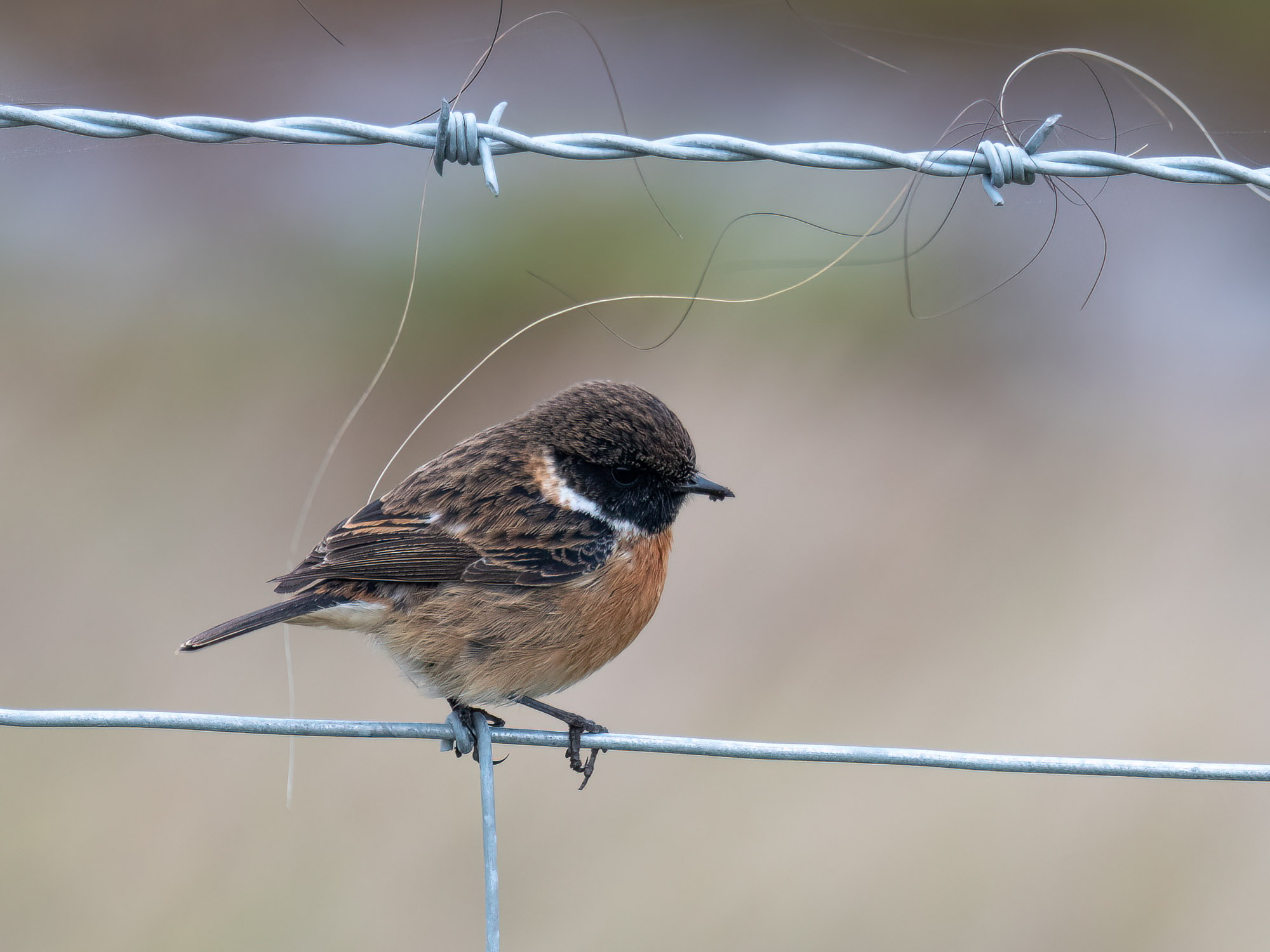
Stonechat

On Gull Island the juvenile Peregrine was still present but again no adults. There were 57 Pintail on Inchmery and the two paired up White-tailed Eagles were together on the marsh. The male appeared to have a kill or carrion.

Linnets

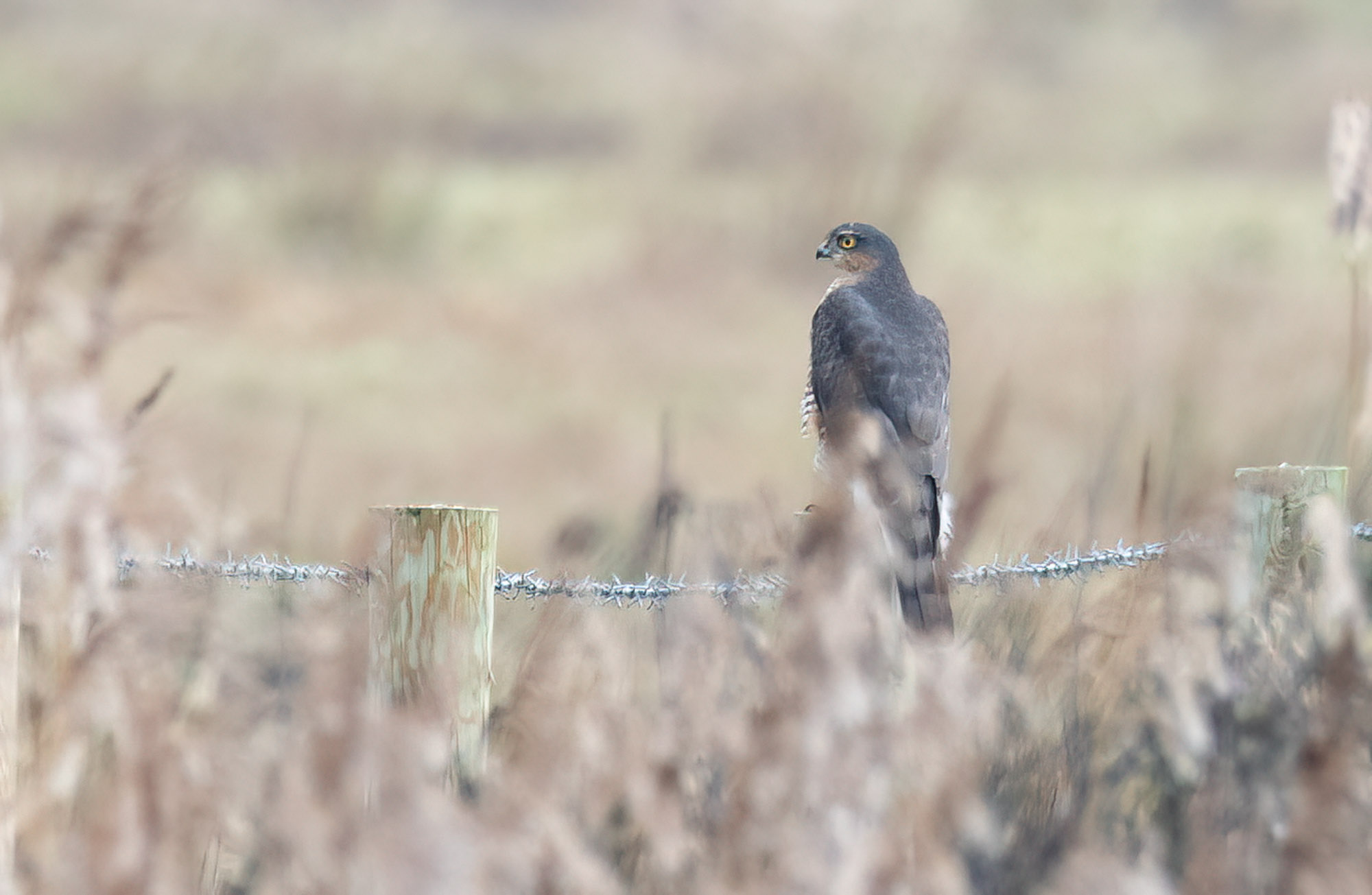
From the Sluice Gate I counted 32 Linnet on the fence overlooking De L’Orne Scrape and a male Sparrowhawk was watching from a post along Kingfisher Ditch.

Sparrowhawk

Before heading home I dropped in to Great Marsh. I flushed five Snipe as I walked around the western side of the scrape. It also looked good habitat for Jack Snipe. A Red-throated Diver was out on the sea from the Beach House.

A quick stop at the Reedy Ditch produced a Treecreeper at Warren Farm and what may well have been the same bird followed me all of the way to the Droveway where I watched a Firecrest in a pine tree in the garden of Black Water House.

Treecreeper

Sunday 23rd January 2022

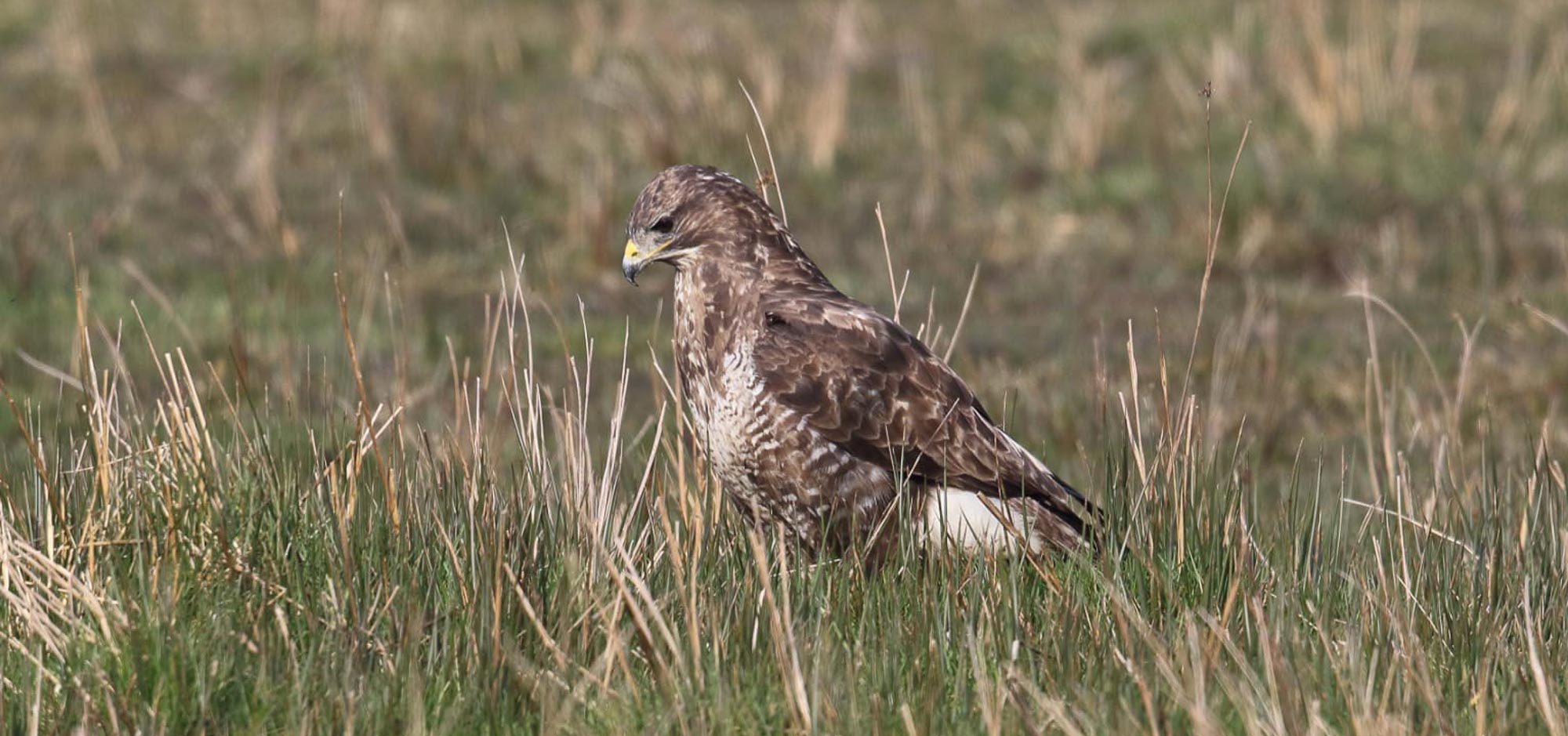
I headed to Park Shore and my first drumming Great Spotted Woodpecker of the year greeted me as I got out of the car. Just opposite, in the field towards Bergerie Farm, 24 noisy Egyptian Geese were squabbling and a Buzzard looked for worms.

Buzzard photo by Ian Williamson

I walked the lane between Errish House and Rye Errish House. There is a short line of conifers here and the copse opposite has been particularly productive for crests and chiffchaffs. There were at least two Firecrests and three Goldcrests and the group of three wintering Chiffchaffs were feeding in the conifers.

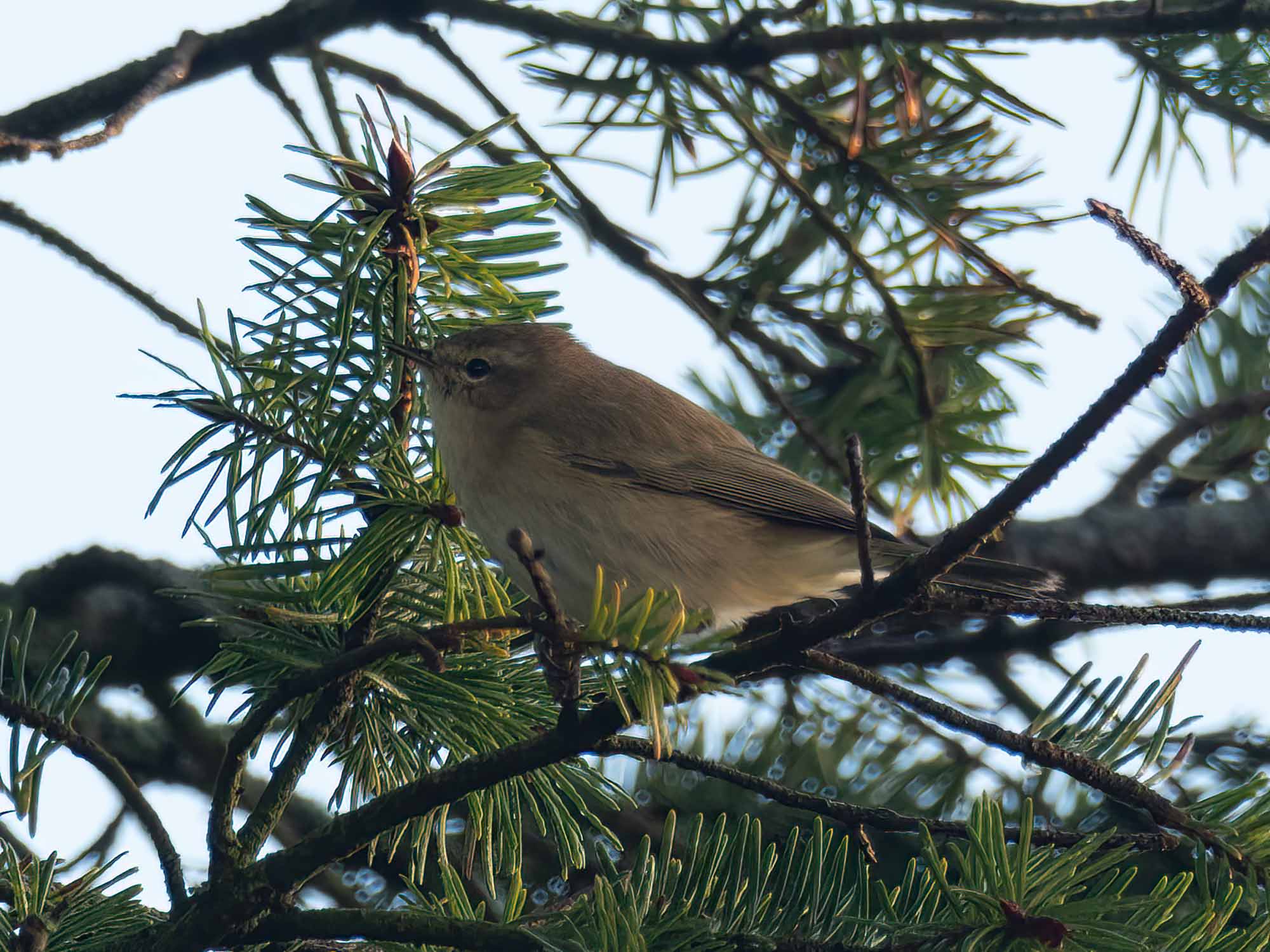
Siberian Chiffchaff

Every few minutes I picked out the paler beige-coloured Siberian Chiffchaff, a subtle green tinge was noticeable across all of the wing feather edges – greater coverts, primary coverts, alula, tertials, secondaries and primaries. Unfortunately it didn’t call although at one stage it did react strongly to a tristis recording I played. None of the chiffchaffs reacted to the standard collybita recordings and none of them called. The chiffchaffs appeared to be keen on this area as they were still here when I drove back several hours later.

Siberian Chiffchaff

I kept hearing a distant Fieldfare and eventually saw it in the tree tops. The two Cattle Egrets were in their normal field close to the horses around Park Farm and a Coal Tit and a Treecreeper were calling from the pines around Little Marsh Lodge.

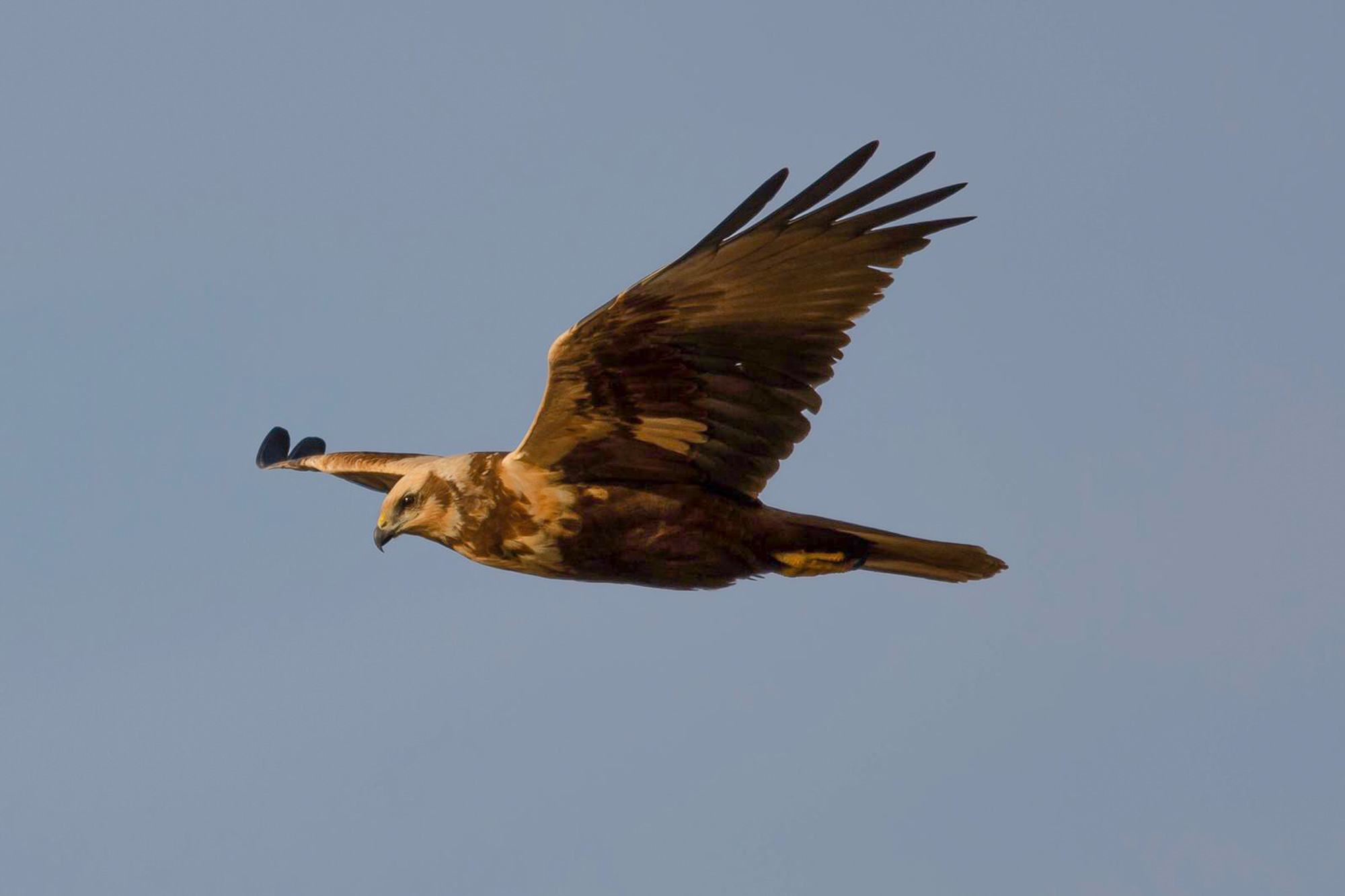
female Marsh Harrier photo by Dimitri Moore

Down on the beach the shingle islands which are revealed at mid and low tides are particularly good for Mediterranean Gulls and there were at least 25 today. Out on the sea a tightly formed group of four Slavonian Grebes drifted back towards Mary Monts and a fifth bird was nearby, this is the peak count so far this winter. Auks were represented by single Guillemots and Razorbills. In the distance, just beyond the old wooden pier to the west, there were four Red-breasted Mergansers.

female Kingfisher photo by Ian Williamson

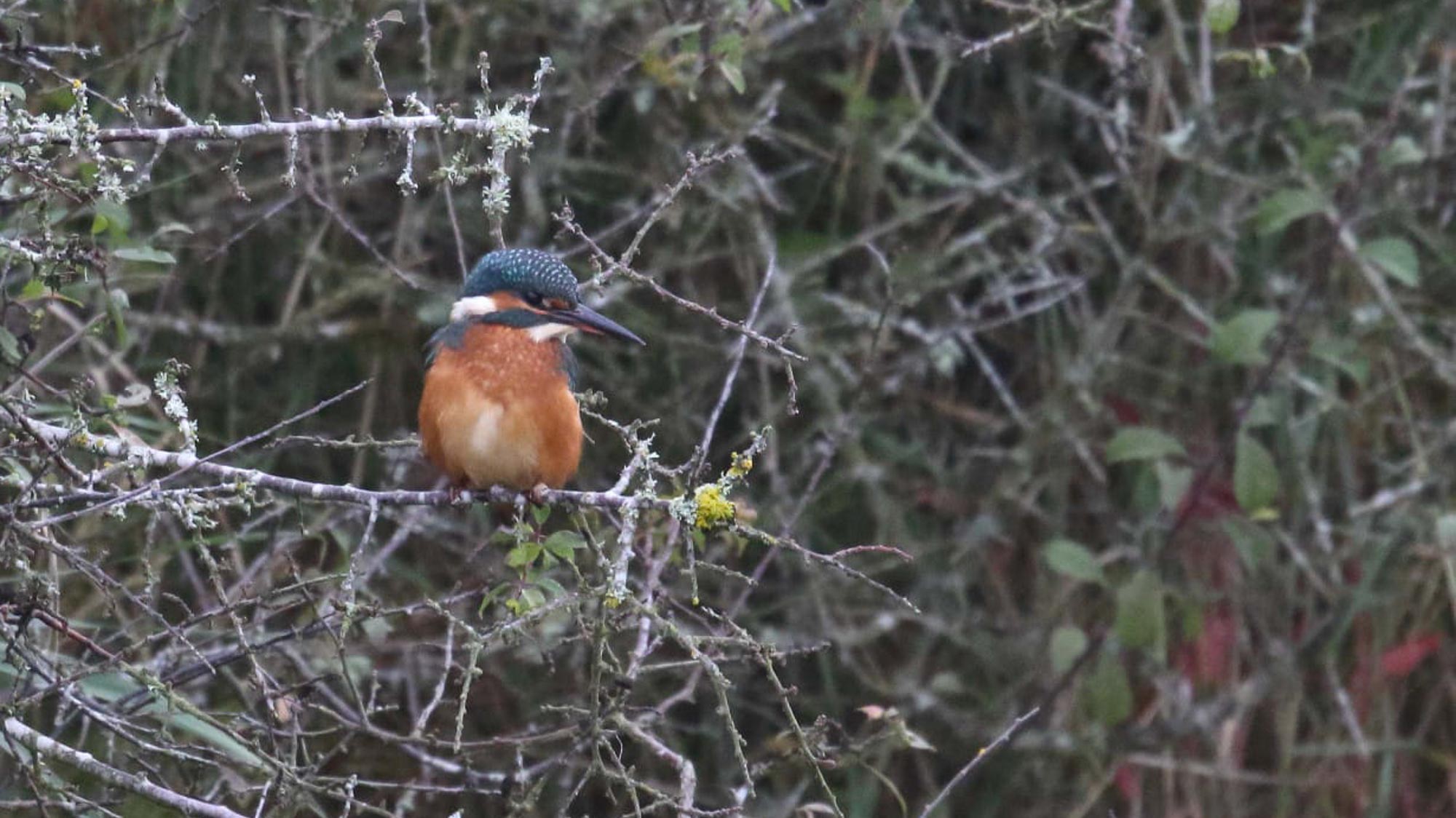
Back at Needs Ore a female Kingfisher was perched along Kingfisher Ditch and on De L’Orne scrape there were 86 Black-tailed Godwit. This is my highest count on the reserve although I can see from historic records (10-25 years ago) that there have been counts of 500+ in the past.

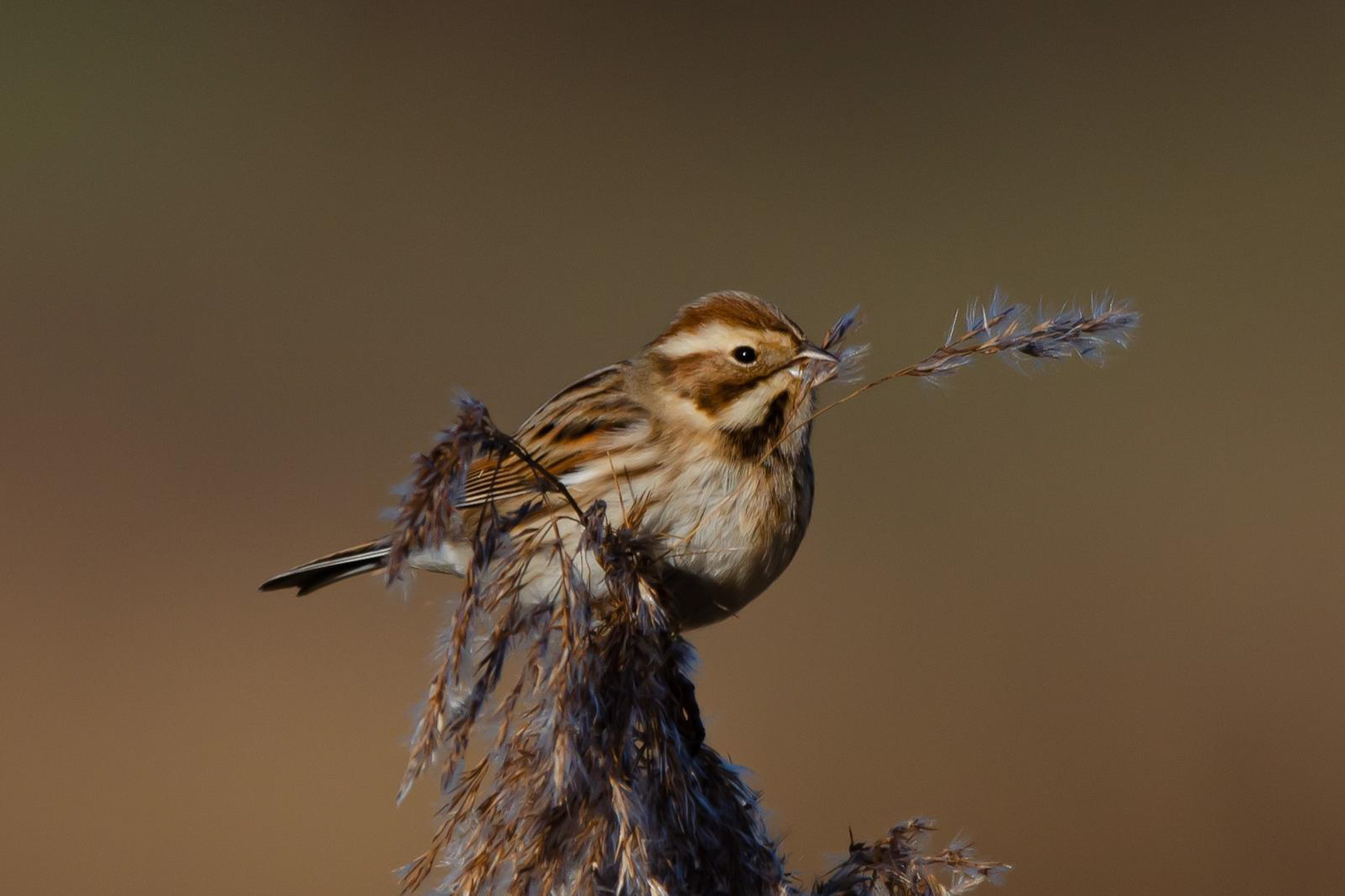
female Reed Bunting photo by Dimitri Moore

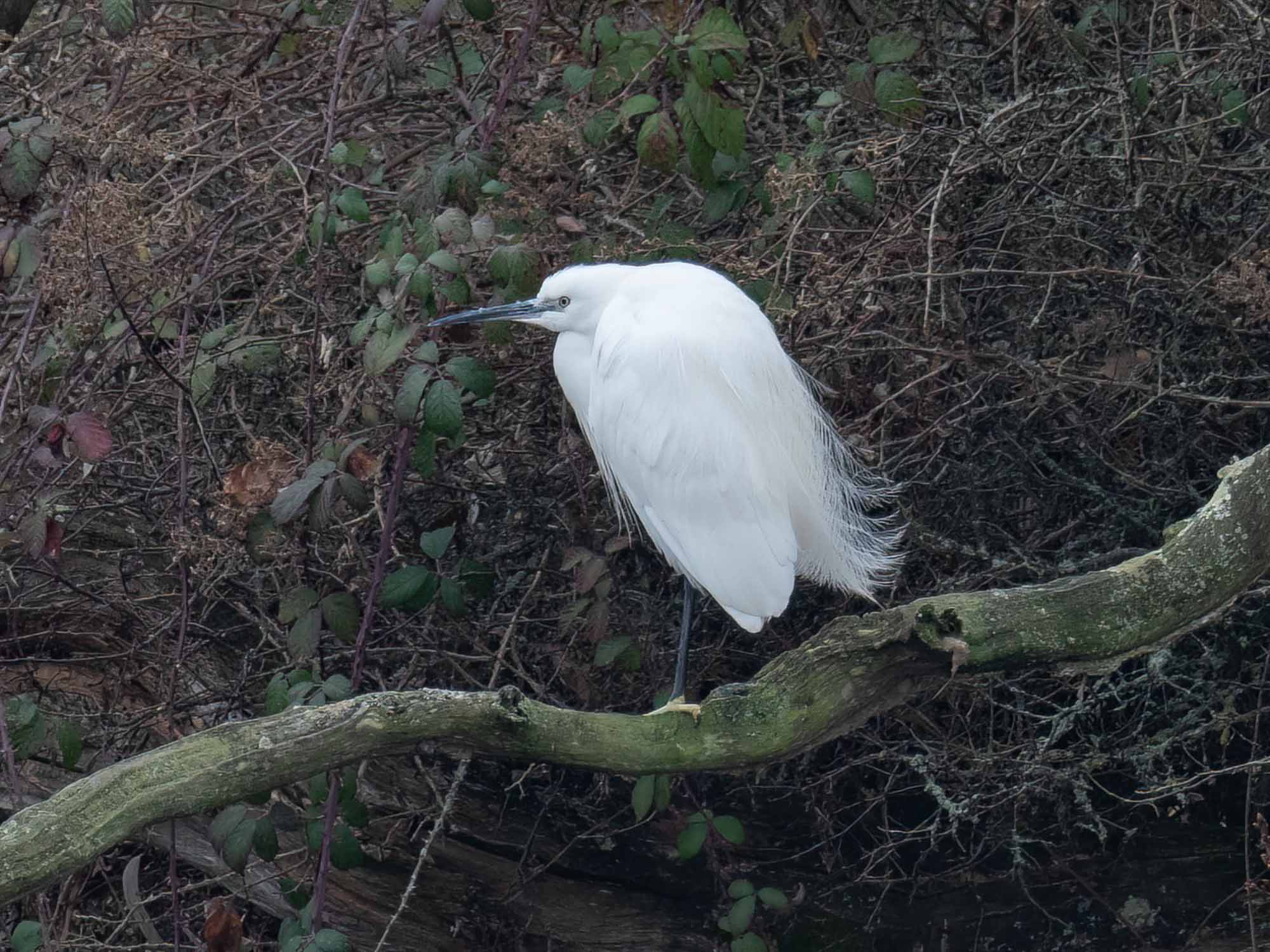
A female Reed Bunting perched close to Venner Hide and over on Venner Island a Little Egret was showing plumes on both the neck and the wings and so it is at least a 2nd winter bird. Nape plumes if they were present (not visible in this photo) would make it an adult.

2nd winter Little Egret

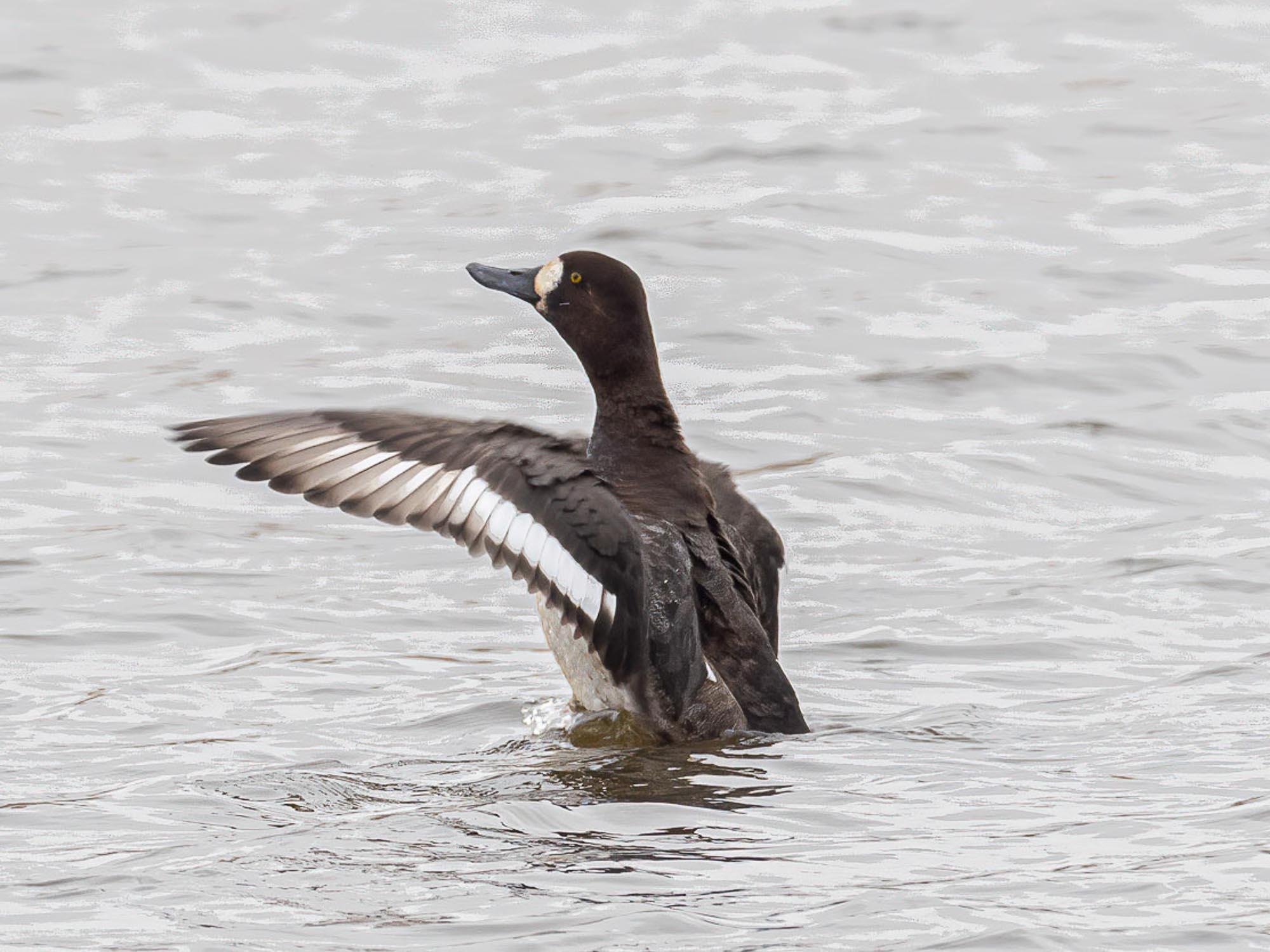
The first winter female Scaup was still on Black Water, she was first seen on the 27th October and so has been with us for nearly 13 weeks. The number of Tufted Duck was up again slightly to 23.

Scaup photo by Ken Button

Although this is clearly a Greater Scaup the stretched wing allows you to look for one of the key Lesser Scaup features. On Lesser Scaup the bright white bar across the secondaries ends abruptly and is replaced by a grey wing bar on the primaries. On Greater Scaup, as shown here, there is a gradual transition from white to grey.

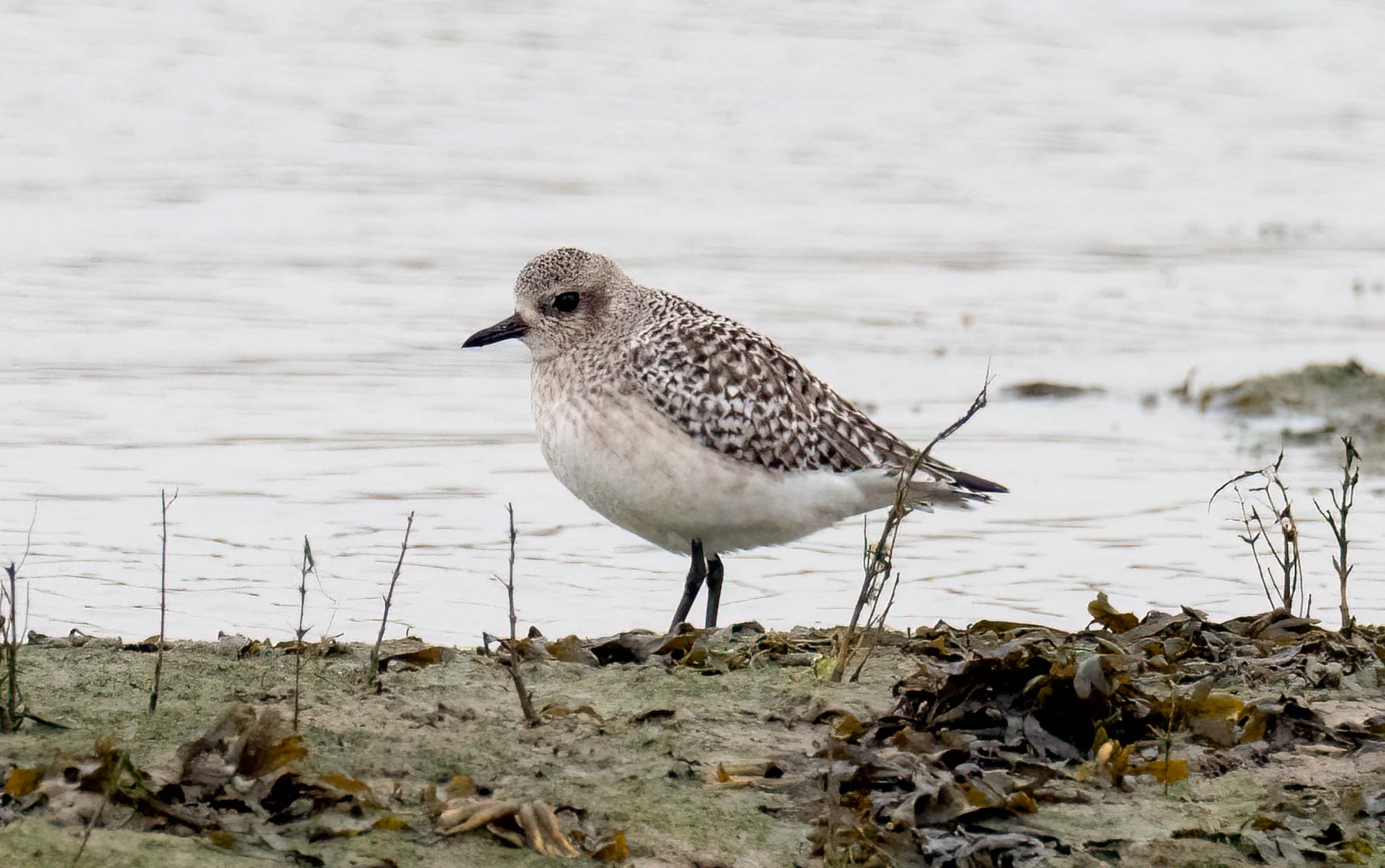
Grey Plover

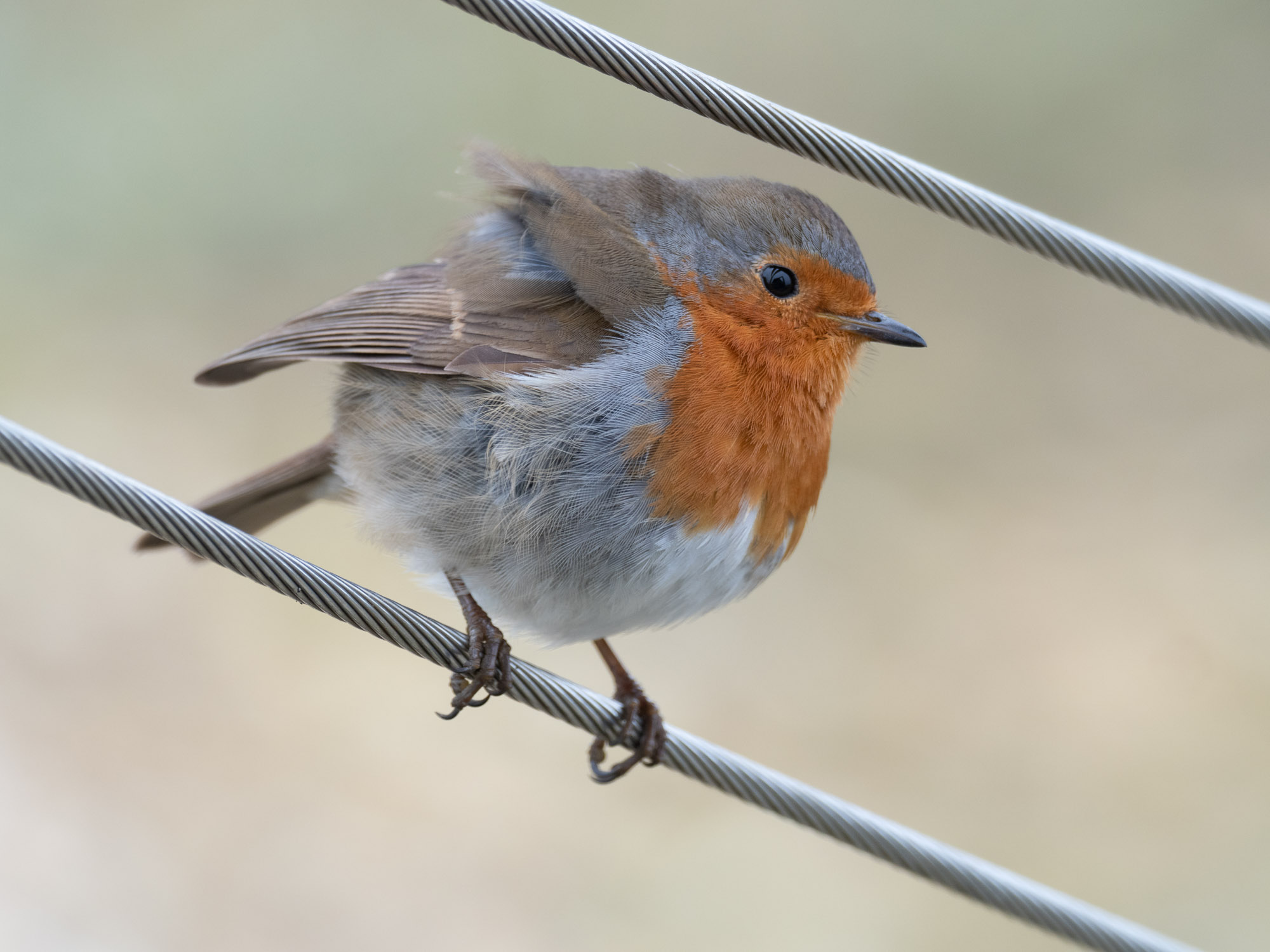
At the Sailing Club a Grey Plover was standing on Sluice Gate Saltmarsh as I got out of the car. I often stop at the Sailing Club for lunch and it is almost always accompanied by this confiding Robin. I showed the image to Graham who commented that “it is difficult to be sure of its age. Six greater coverts are visible and uniform, but the ones out of view could be different. The alula looks pointed and a tiny bit frayed, which could make it a first-winter. I would leave it un-aged.”

Robin

Out on the sea four Eider were flushed by a speedboat, they wheeled around before heading west. The juvenile Peregrine was perched on one of the taller posts towards the end of Gull Island, she was facing away looking over towards Lepe. It’s now seven weeks since I’ve seen either of the adults.

Wednesday 19th January 2022

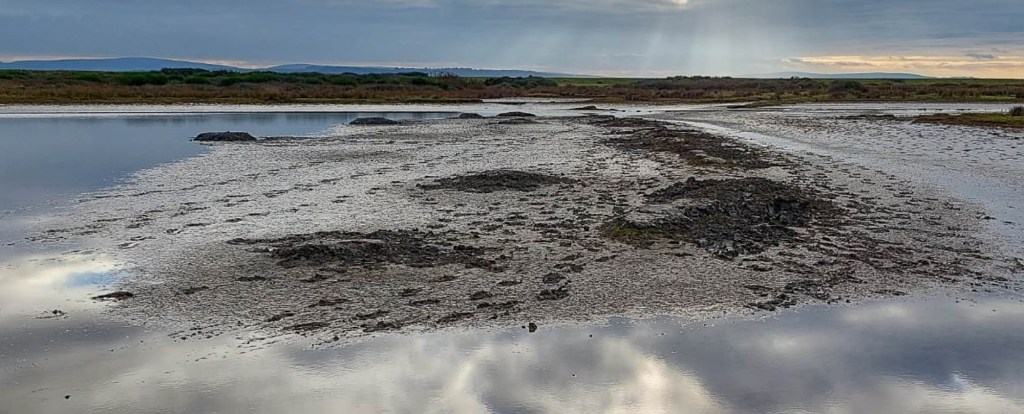
Adam, Matt and I arranged to meet to do some work on the scrape at Great Marsh. The Avocet Islands have sunk gradually since Adam created them four years ago. The aim of today was to add another 6-9 inches of mud onto the raised areas so that they wouldn’t be submerged even after heavy rain and high tides. We also created several additional large islands. This should give the Avocets and Black-headed Gulls more opportunities for breeding.

Adam as we started work

Before we met I spent an hour watching the sea and another 45 minutes after we’d finished. There were three Slavonian Grebes and nine Great Crested Grebes strung out along the Solent. Three Razorbill and one Guillemot were also on show but the highlight was a pair of Goosander heading west. A Dartford Warbler was calling from Great Marsh scrub just before we started work.

Finished with all existing islands raised significantly and several new islands created