Monthly Summaries

Highlights February 2022

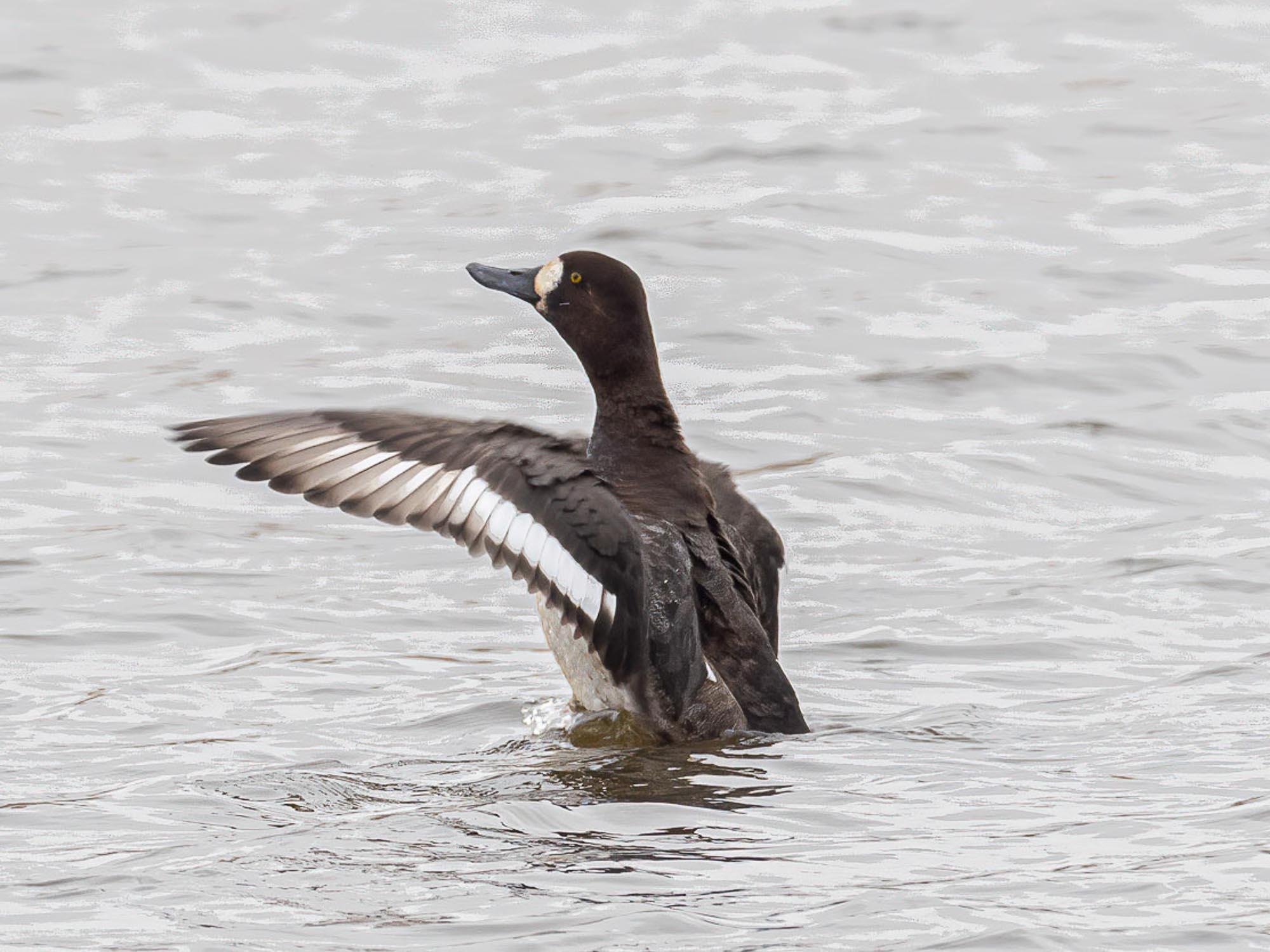
The wintering female Scaup was last seen on the 1st completing a 14 week stay on Black Water. At the turn of the month she was accompanied by building numbers of Tufted Duck which peaked at 32 on the 7th. Good numbers of Mistle Thrush also moved through the reserve on the 7th.
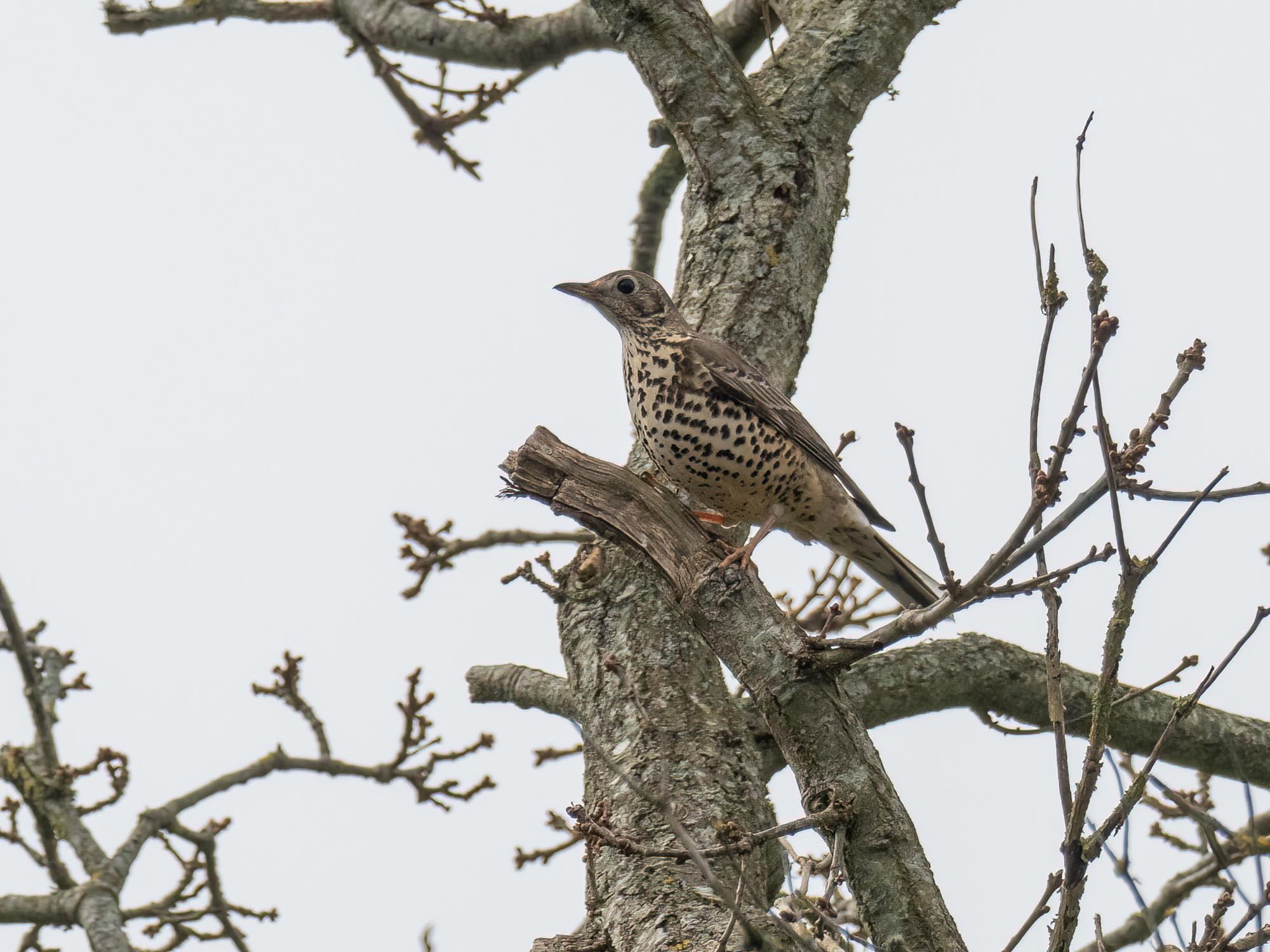
Mistle Thrush

The Avon Valley colour-ringed Redshank was seen again early in the month on Sluice Gate Saltmarsh.

colour-ringed Redshank

Later that afternoon a Common Seal was resting on the river bank south of the Yacht Club. They are well known for hauling up on beaches and sandbanks in tidal estuaries but despite their name they aren’t as common or widespread as the more familiar Grey Seal.

Common Seal

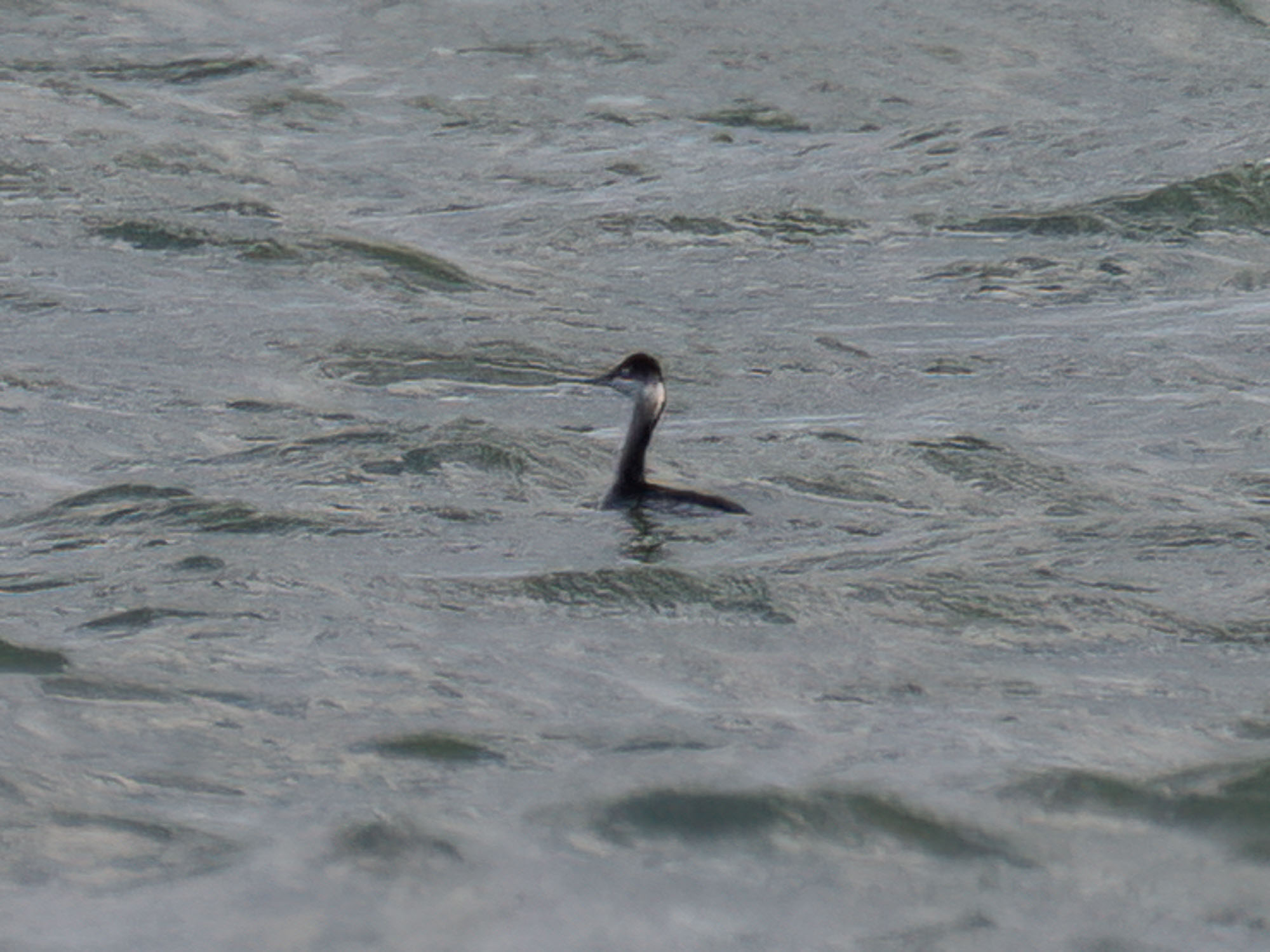
Two Slavonian Grebes remained throughout the month, down from five in January, perhaps some have moved on already, last year they had all gone by mid-March.
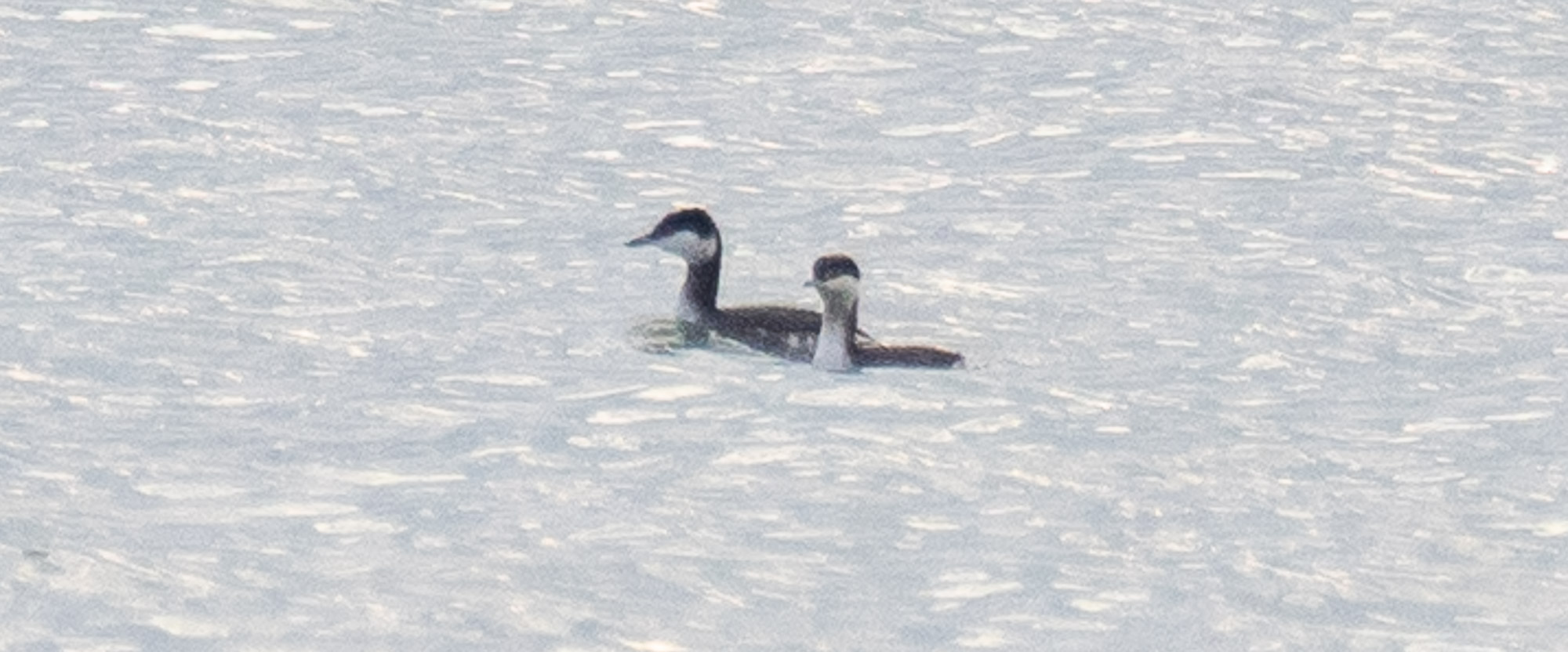
Slavonian Grebes

The wintering Spotted Redshank was elusive. I saw it well at De L’Orne on the 10th and then heard it again on the 12th.

Spotted Redshank

The flock of 120 Golden Plover on De L’Orne Scrape on the 12th was the highest count at Needs Ore for five years. There were still at least 80 around at the end of the month.

Golden Plover

The sea was quiet throughout the month in Hampshire and it was the same here. Highlights were a Common Scoter and a Great Northern Diver both heading west on the 12th and 11 Eider also heading west on the 17th. A nice surprise was watching a Great White Egret pay a brief visit to De L’Orne on the 12th

Great White Egret

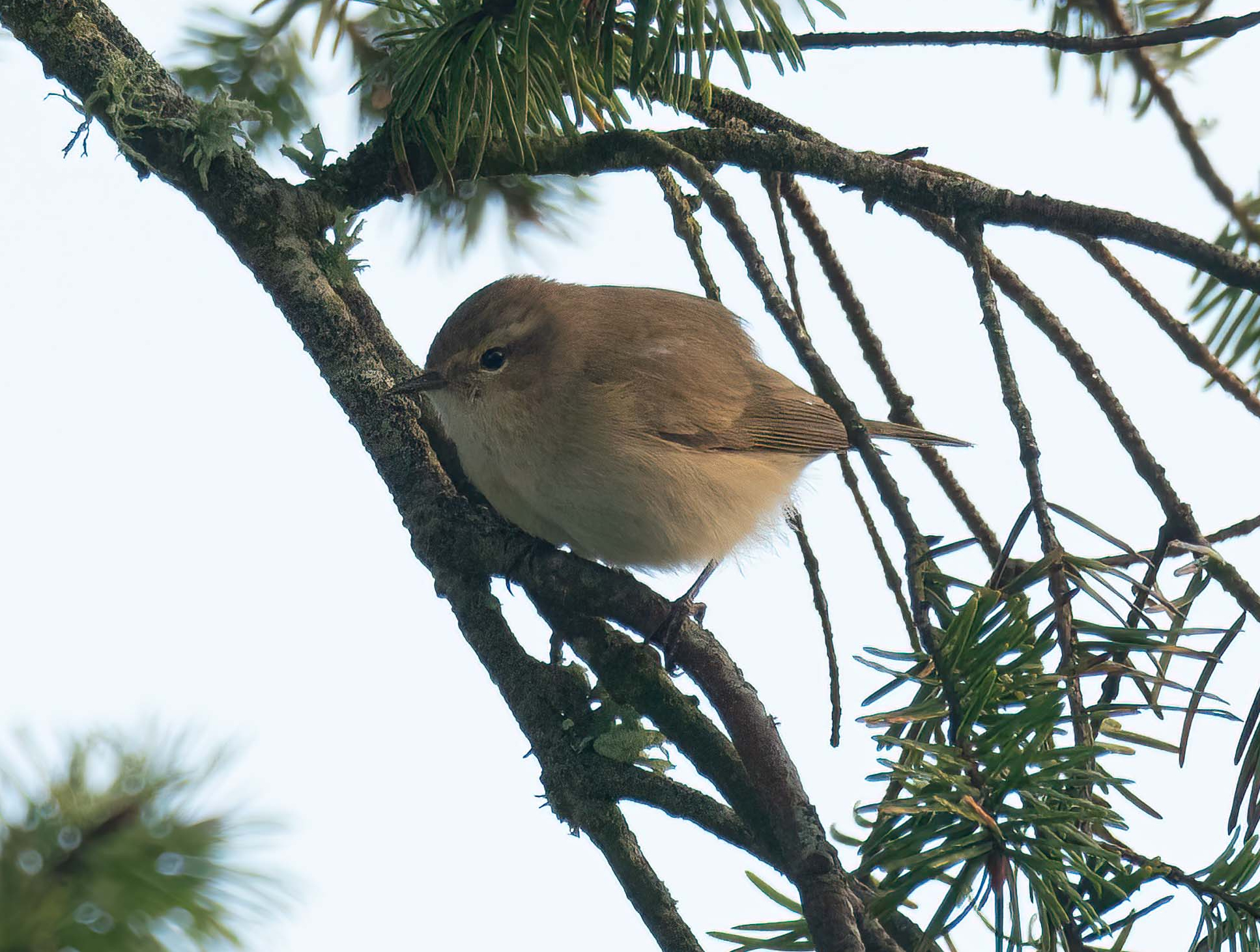
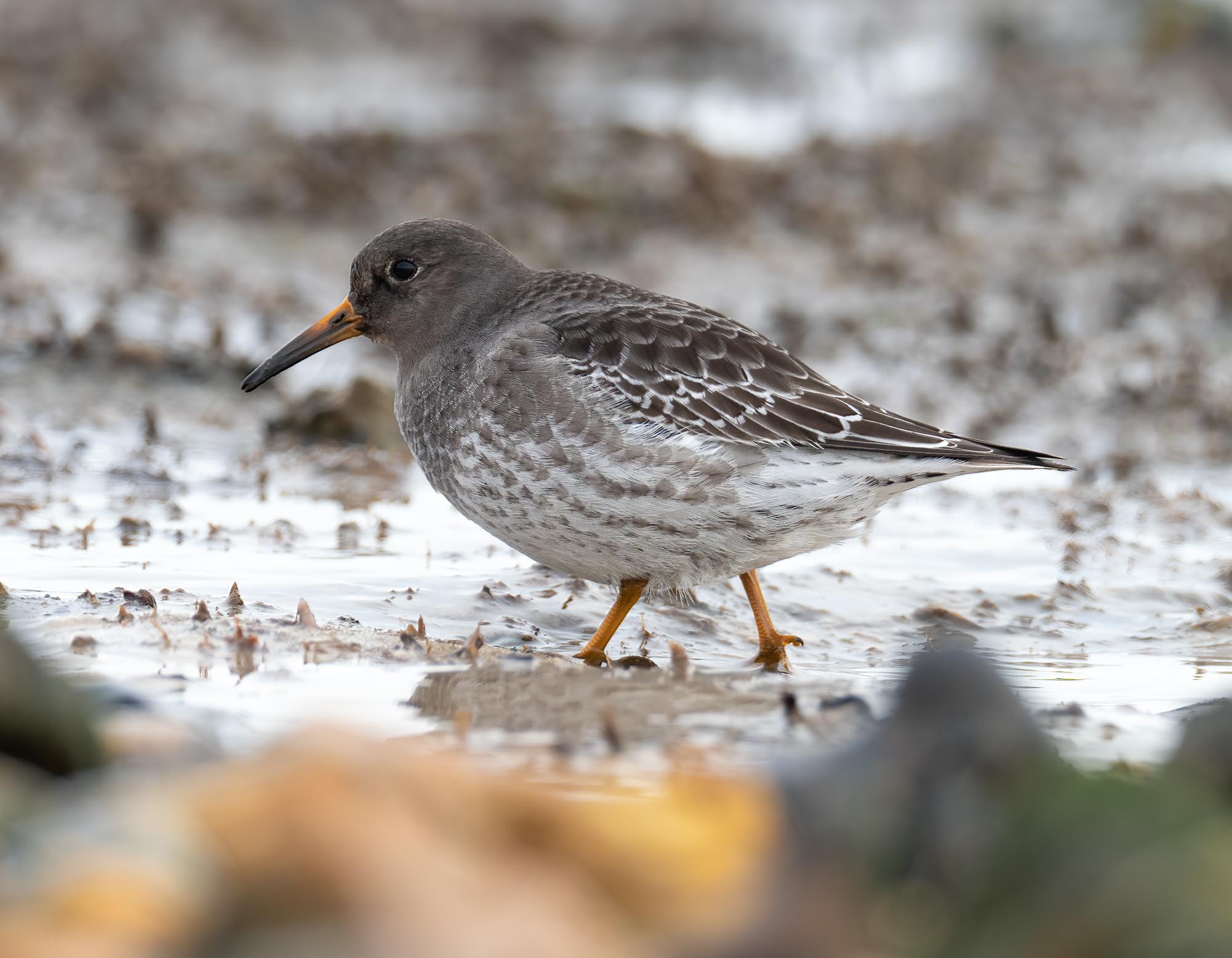
I didn’t walk the spit during February but managed to see the Purple Sandpiper distantly in the high tide roost opposite the cottages on the 17th, also on the 17th a Chiffchaff was calling in the hedge near Rye Errish Copse on Park Lane.

Pale-bellied Brent Goose (left)

An unexpected Sandwich Tern was off the Sailing Club on the 27th. There have been a handful wintering in the county this year but none were seen here until now.   

Sandwich Tern

There were noticeably fewer Teal on the reserve by the month end suggesting that some are already heading back to Scandinavia and northern Europe. The WeBS count found only 146 compared to 631 in January and 926 in December.

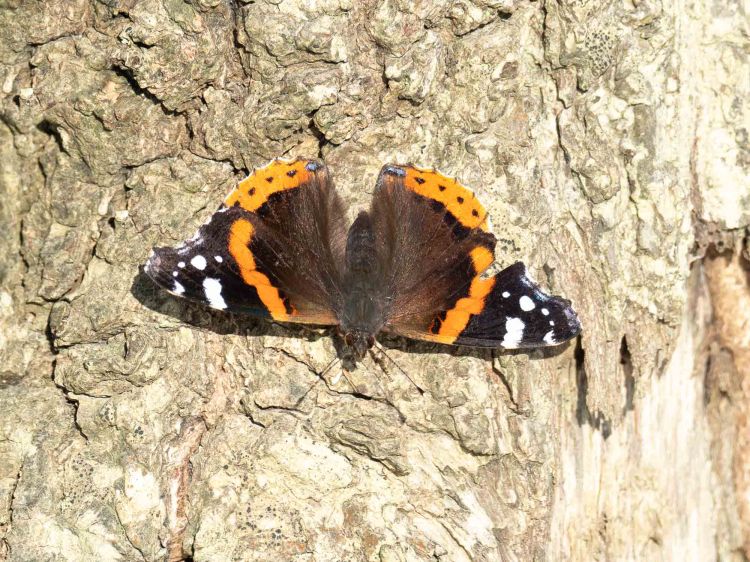
Red Admiral

Several queen Buff-tailed Bumblebees and Red Admirals were seen towards the end of the month by which time birds were establishing territories and plenty were singing. Meadow Pipits in their parachuting display and Skylarks rising into their song flight. Around the water bodies Little Grebe were singing.

Skylark

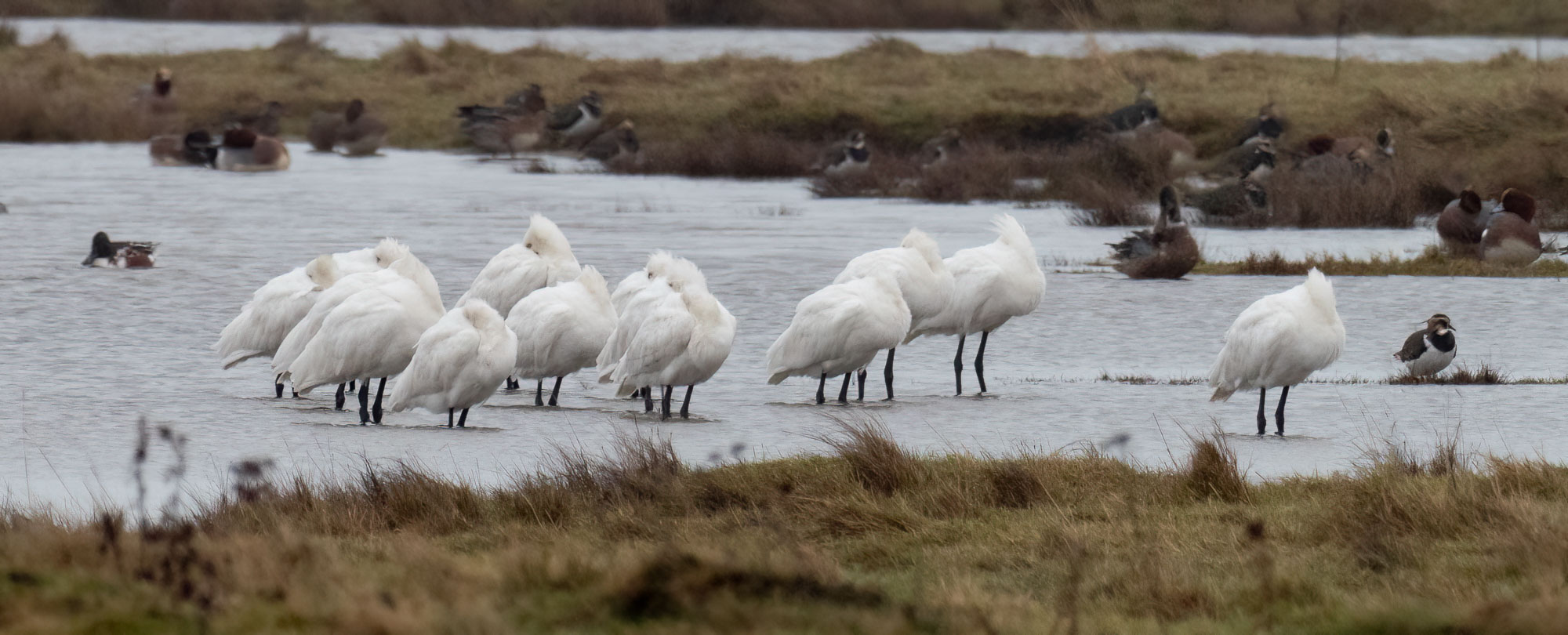
Birds present throughout the month included the adult Spoonbills with the peak of 17 on the 17th.

Spoonbills

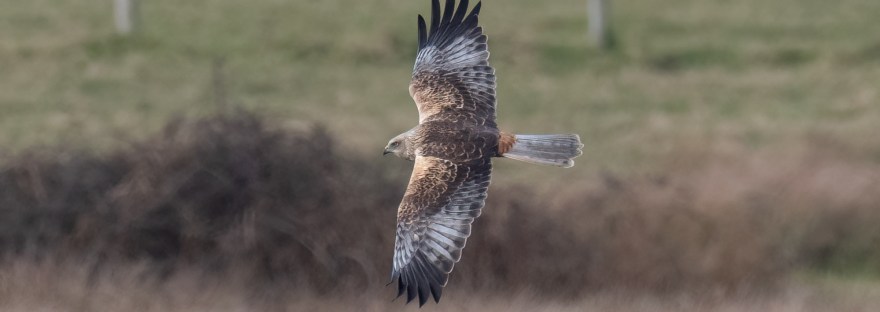
A three year old male Marsh Harrier was seen regularly throughout the month and may be old enough to breed this summer. There was breeding activity around Black Water last year but this may have been younger birds practicing. They did breed locally (east of Lepe) and several juvenile birds visited us in the late summer.

male Marsh Harrier

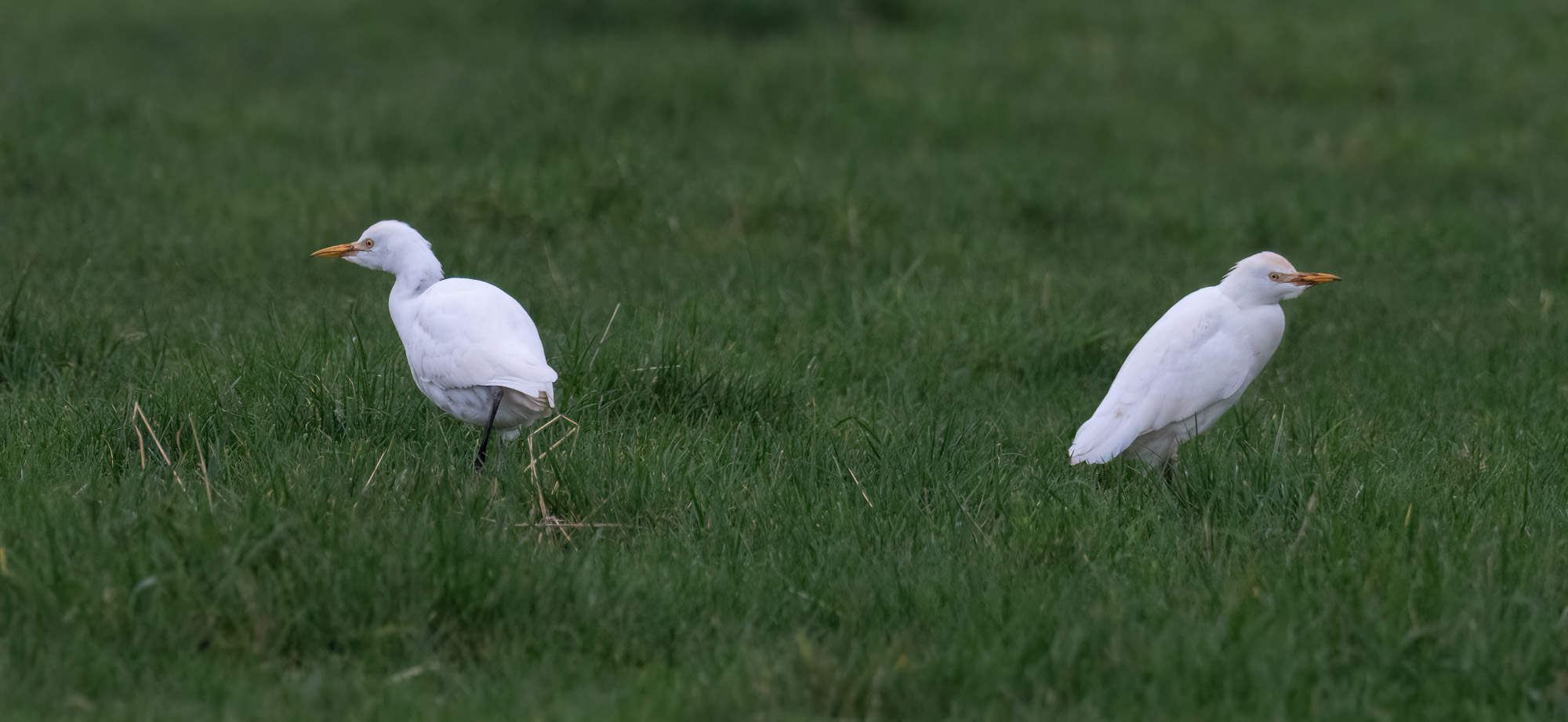
The two Cattle Egrets were still present at Park Farm throughout February.

Cattle Egrets

Returning Avocet numbers rose steadily to 21 by the month end. They included two colour-ringed birds – AX a four year old ringed at Great Marsh in 2018 who appeared to spend the summer at Titchfield Haven last year, it will be interesting to see if it stays longer this year. Also VI a three year old ringed at Great Marsh in June 2019. It wasn’t old enough to have bred last year but it may well this year. All the Avocets were on De L’Orne Scrape or the river, they don’t tend to visit Great Marsh regularly until April.

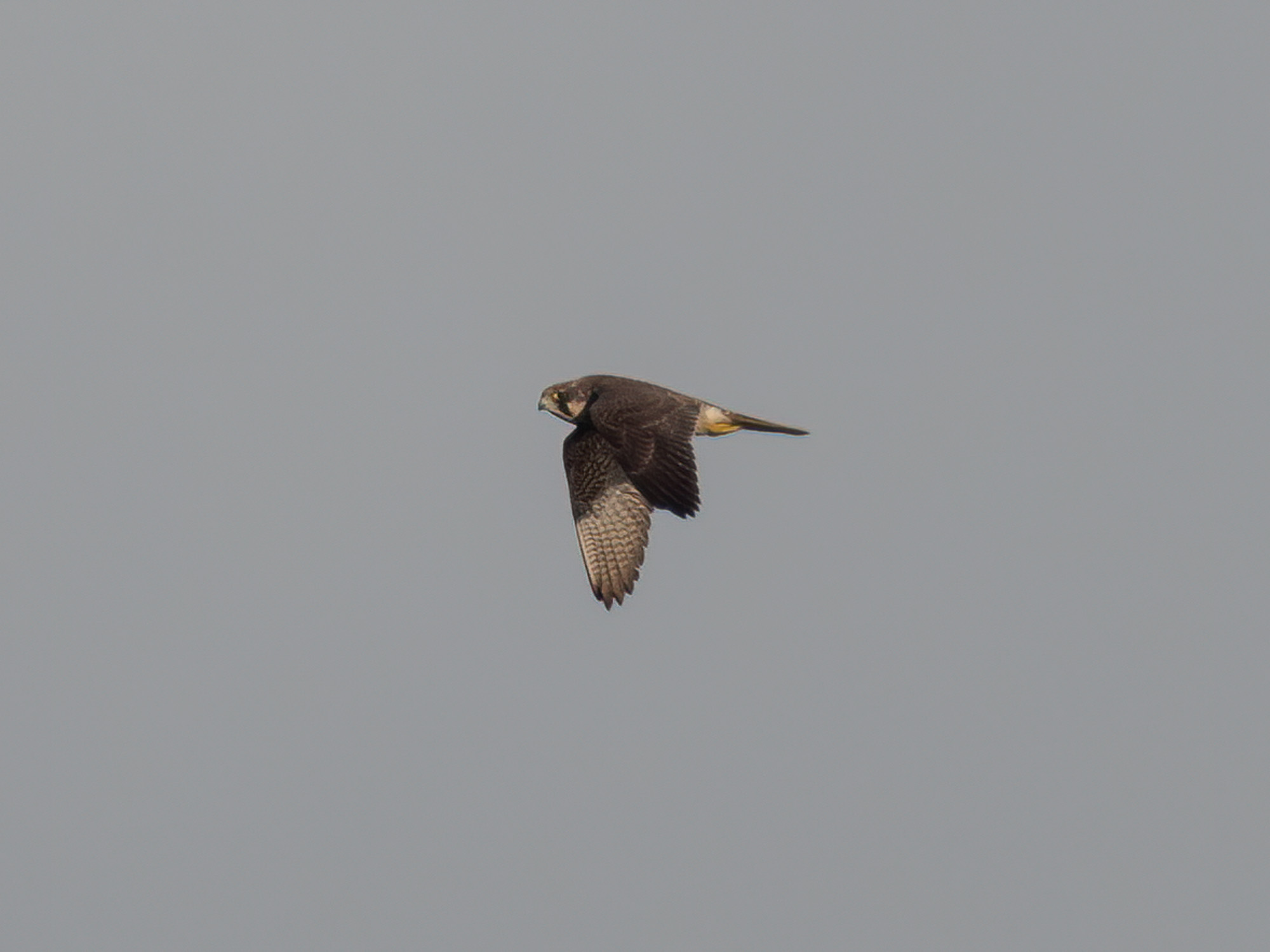
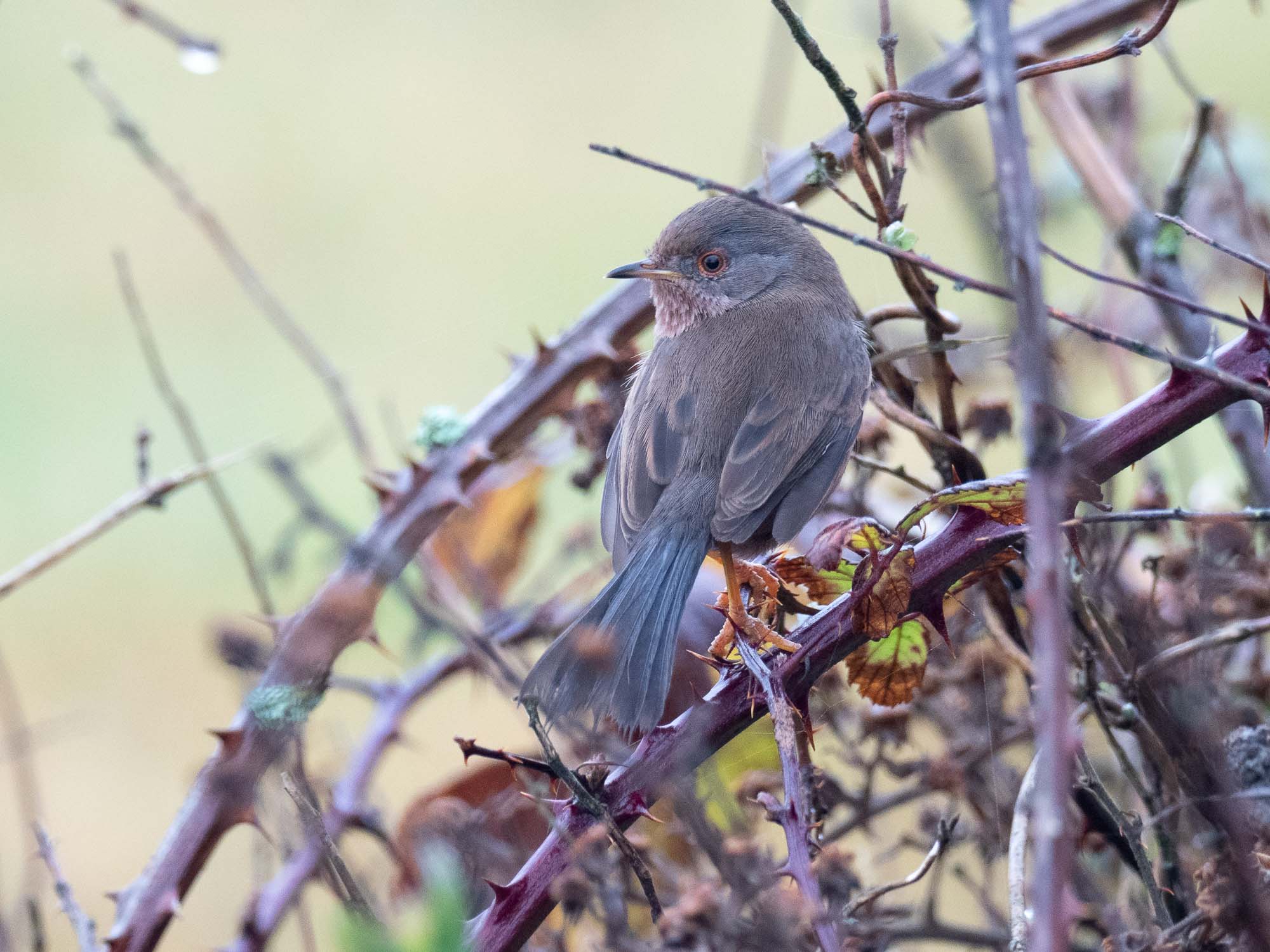
Notable absentees include Dartford Warbler not seen or heard since 19th January and still no sign of either adult Peregrine at the Point. It’s been nearly three months since I saw either of them although an adult at Park Shore on the 12th may have been one of our birds.
January 2022, Monthly Summaries, Winter 2021/2022

Highlights January 2022

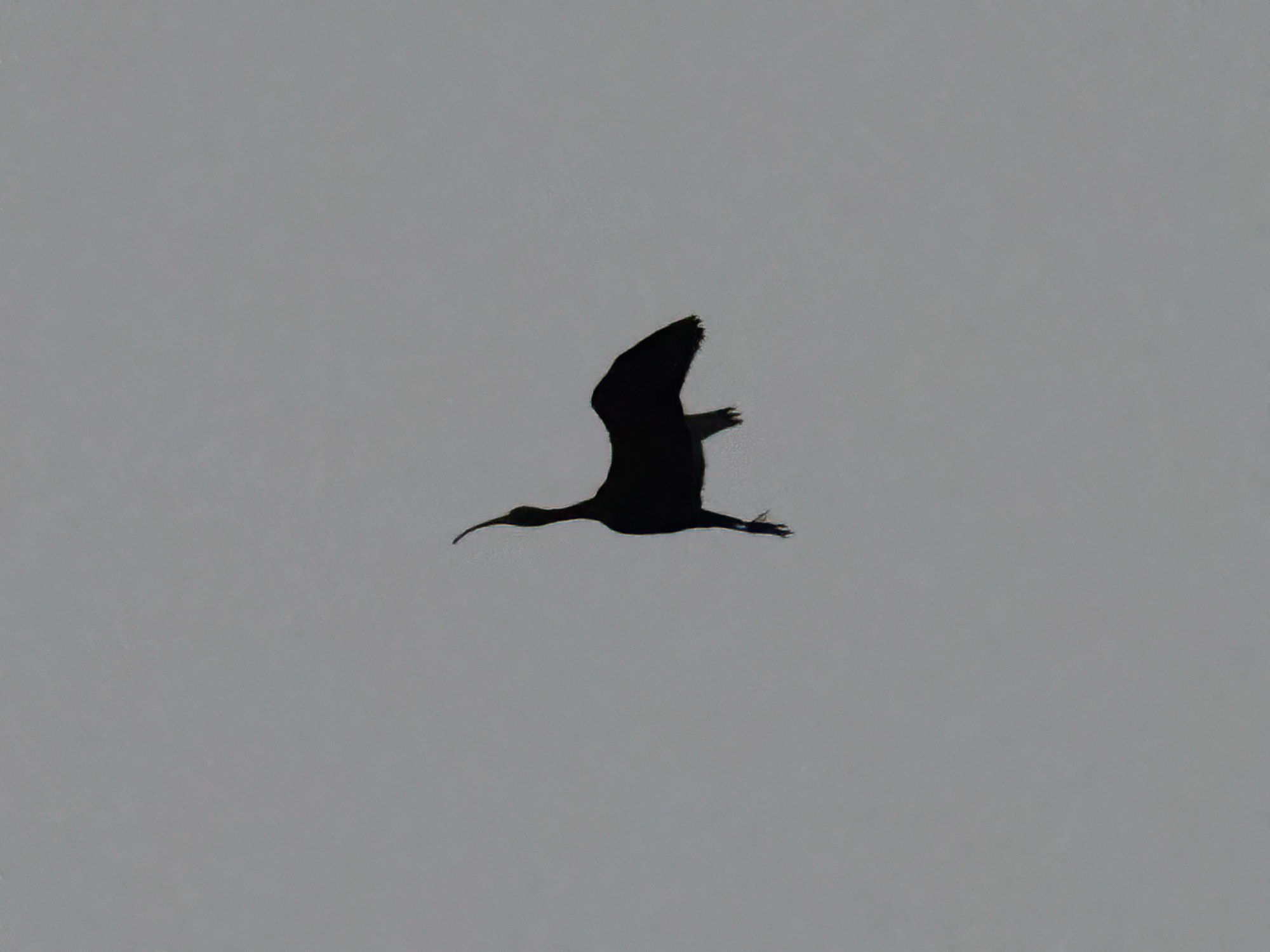
On the 1st January a bird race around the reserve produced 97 species, an amazing total for January. Highlights were three Glossy Ibis found by Ian going over the Reedy Ditch before they headed over to Park Farm. I saw one of the Glossy Ibis again on the 10th flying over the Reedy Ditch.

Glossy Ibis

Also on New Year’s Day four Brambling were calling close to the Reedy Ditch and sea watching produced an unexpected Kittiwake. Around midday a bat was seen flying near Long Pits Gate, I didn’t have my Echo Meter but assume it was one of the pipistrelle species.

Brambling calling near the paddock and Reedy Ditch

On the 6th seven Red-throated Divers flying west was the highest ever count at Needs Ore.

On the 10th I watched a Woodcock, via thermal camera, feeding in Long Pits prior to dawn. Shortly afterwards Little Owls were heard calling from the western end of the reserve and a Barn Owl was quartering over the reeds towards Park Shore. The same day Otter spraints were found on the boardwalk bridge.

Little Owl calling
Firecrest

In the gardens at Rye Errish (Park Lane) on the 10th a Siberian Chiffchaff was discovered wintering with two Common Chiffchaffs and several Firecrests and Goldcrests. I saw the Siberian Chiffchaff again on the 13th and the 23rd but despite visiting on at least four other occasions it wasn’t heard to call.  

Siberian Chiffchaff

On the 13th a Crossbill was seen flying over Rye Errish and an unseasonal Red Admiral settled on a tree near Shore Hide to bask in the sun.

Red Admiral

The Pale-bellied Brent Goose was with the large Brent Goose flock on the 16th and later that day a ringtail Hen Harrier (initially found by Nigel) was quartering along Warren Shore.  

Pale-bellied Brent Goose

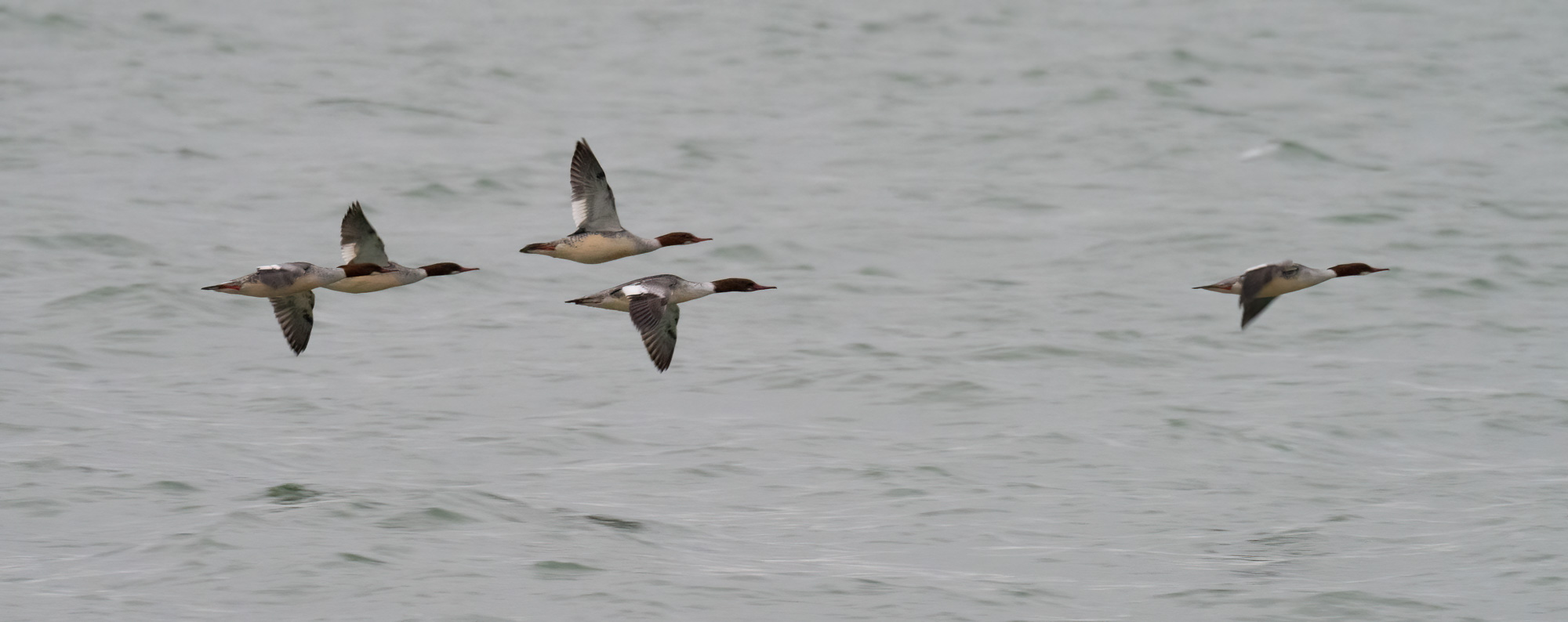
A pair of Goosander flew west on the 19th and then another five flew west on the 27th.

Goosander

86 Black-tailed Godwit on the 23rd is my highest count on the reserve although I can see from historic records (10-25 years ago) that there have previously been counts of 500 or more.

25 mobile Eider were off shore on the 27th and over at the hides 63 Golden Plover appeared from the north and were spooked by one of the White-tailed Eagles before landing on the Gins.

Golden Plover

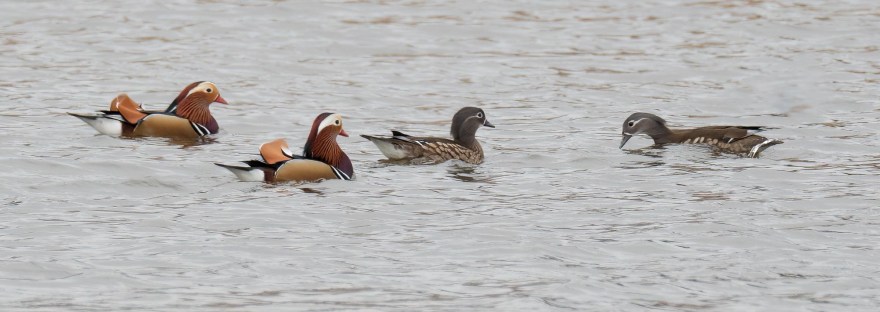
Two pairs of Mandarin Ducks were unexpected and brief visitors to Black Water on the 27th. This is the first Mandarin Duck at Needs Ore for three years and a patch tick for me. 

Mandarin Ducks

A Spotted Redshank was heard calling at the Sluice Gate on the 29th, my first definite winter record since December 2020. Park Shore hosted 53 Mediterranean Gulls on the same day with just one 1st winter bird amongst them. 

Birds present all month included the wintering Avocet group whose numbers had increased to 17.

Cattle Egret photo by Ian Williamson

The two Cattle Egrets remained close to Park Farm. Dartford Warbler numbers appeared to fall in the month and the last one I saw or heard was on the 19th. Razorbill and Guillemot numbers also appeared to decline towards the end of the month.

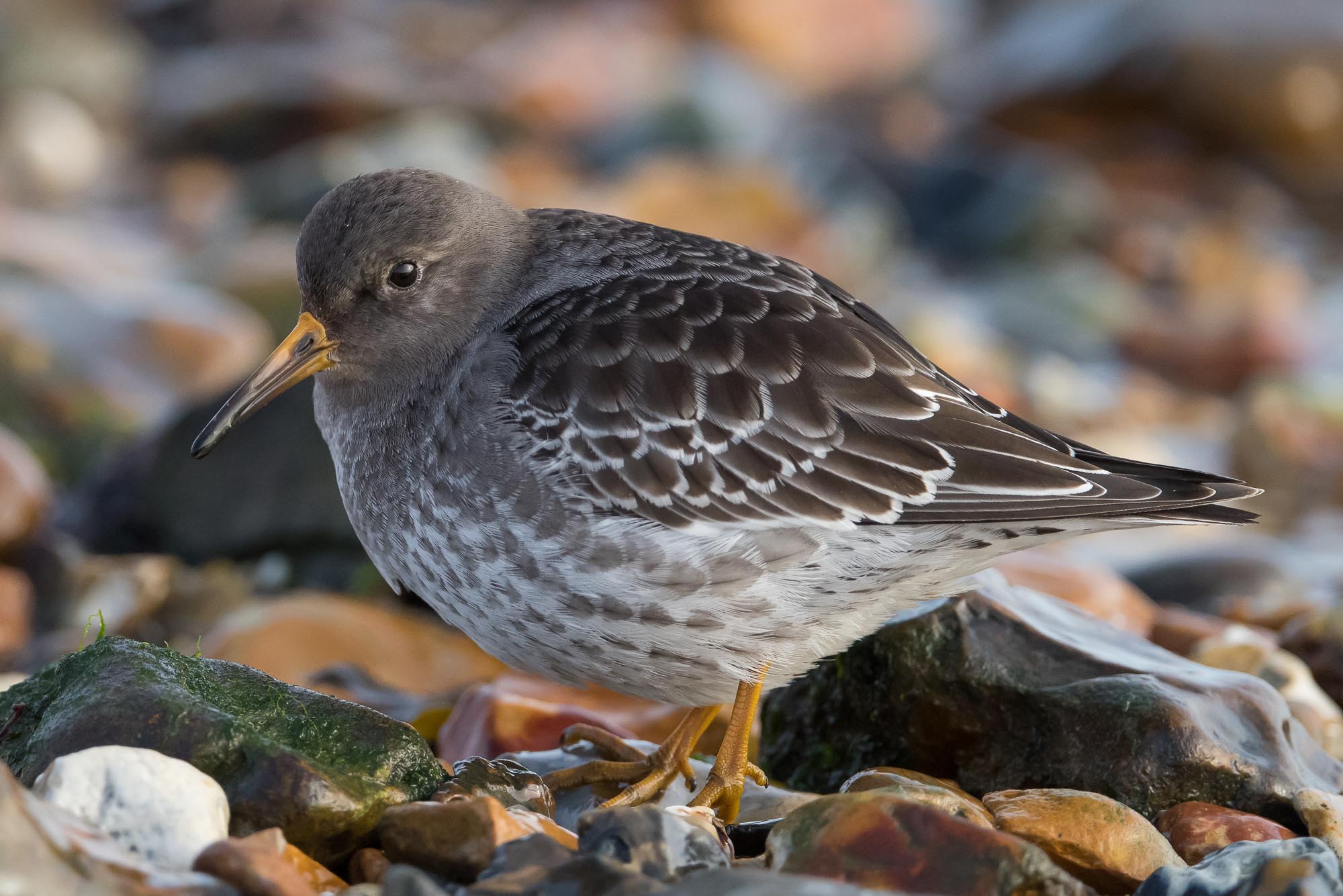
The 1st winter Purple Sandpiper remained on Warren Shore throughout January and was also seen with the roosting Dunlin on Inchmery Saltmarsh on the 29th.

Purple Sandpiper photo by Brian Fairbrother

The number of wintering Slavonian Grebes increased to five during the final week of January and the wintering Spoonbill group remained at 14 adults. The first winter female Scaup remained on Black Water throughout the month.

Scaup photo by Ken Button
birds, December 2021, Monthly Summaries, Winter 2021/2022

Highlights December 2021

On the 4th a Red Kite drifted over Bergerie Farm. Virtually all of my Red Kite sightings have been in the spring and so this was a little unusual. At the same time my first ever wintering Black-necked Grebe was spending the 4th and 5th off Mary Monts and a Gannet was also in the Solent on the 5th. Later that day at Park Farm a pair of Redpolls flew over calling.

Black-necked Grebe

One of the adult Peregrines was seen on the 5th on Gull Island but there have been no subsequent sightings of adult birds since then. A juvenile female Peregrine was subsequently seen most days. It may be that the recent failed breeding attempts and the presence of the White-tailed Eagles have persuaded the Peregrines to move on.

juvenile Peregrine

Three Velvet Scoter were found from the Sailing Club during our WeBS count on the 5th and the same group were seen in a similar area on the 8th, the first Velvet Scoter record for two years. The wintering flock of Grey Plover totaled 209 on the 5th and included a single Golden Plover on 4th.

Velvet Scoter photo by Alan lewis

The undoubted highlight of the month was a flyover Lapland Bunting from the Sailing Club on the 8th. This is the fourth record for Needs Ore after one in 2012 and two in the 1960s. I didn’t see the bunting well but a sound recording enabled me to eliminate the very similar sounding Snow Bunting.

Lapland Bunting calling over the Sailing Club
Redwing

70 Redwing were feeding in Wigeon Fields on 11th but the only Fieldfare during December was one heard near the Beach Gorse on the same day. 21 Eider were offshore on the 11th and a Goshawk powered over the Reedy Ditch on the 11th.

Brambling calling near the Reedy Ditch

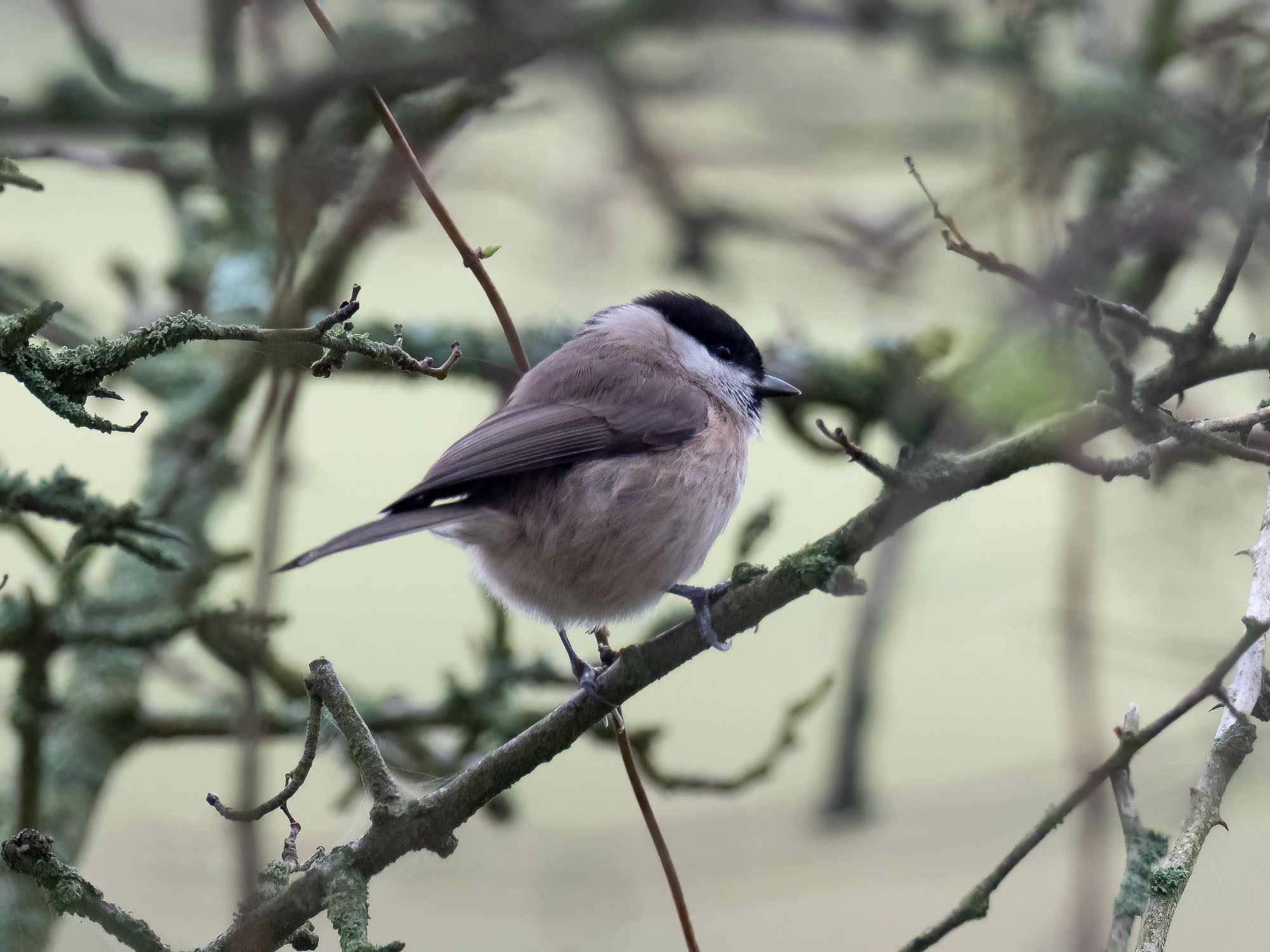
The crop strip field attracts good numbers of finches and a Brambling was heard calling here on the morning of the 14th. Also in the Reedy Ditch area that day a Hawfinch was seen briefly over Black Water House and a Marsh Tit was also seen on the 14th calling from the Reedy Ditch Bushes.

Marsh Tit

A Shag showed really nicely fairly close in shore on the 20th. Compared to the much commoner Cormorants it was significantly blacker, with a shorter body above the water, a flash of yellow around the gape and a white chin. Nice to see it dive with an amazingly athletic leap before entering the water almost vertically.

One of the highlights of the month was a group of four adult and two first winter Russian White-fronted Geese which were seen on Middle Field with Canada Geese on the 20th. The four birds that over-wintered last year tended to associate with the Greylags. I first saw them on the 19th December 2020, a very similar arrival date. This year’s group of six quickly moved on and weren’t seen again.

Russian White-fronted Geese

Five Red-throated Divers were seen flying west and also settled on the sea on the 20th but there appear to be no wintering Great Northern Divers yet.

A group of six Barnacle Geese flew over Pullen on the 22nd and later that afternoon the first Pale-bellied Brent Goose of the winter was seen at Park Farm. What may well have been the same bird was seen on the 30th out on Inchmery Saltmarsh before flying past Mary Monts shortly afterwards.

Pale-bellied Brent Goose

Also on the 22nd a Common Scoter was on the sea and a single Golden Plover was with the Grey Plover flock. Cormorants leaving their roost in the Black Water area totaled 40 on Boxing Day while later that morning a female Goosander drifted east on the rising tide close in shore.

Goosander

In the afternoon the wintering Lapwing flock peaked at just over 400 birds on De L’Orne Scrape and sharing the scrape were 71 Golden Plover, no doubt part of the wandering flock from Pennington. Also on Boxing Day, during a sunny interval, a Peacock butterfly showed briefly on Wheatear Corner.

Towards the end of the month 51 Black-tailed Godwit on De L’Orne Scrape was a good count and very similar to my previous highest winter count which was 52 on 17th December 2020 (Exbury Fields). Also on the 30th three Greenshank were seen together here, this is the first time I’ve seen more than two during any winter count (December and January).

Birds present all month included the wintering Avocet group which remained around the dozen mark often on the edge of the river south of the Yacht Club. This is a typical count and location for Avocet, there were 14 here in December last year. Numbers grew to 21 by early March, also feeding along the edge of the river. A further increase in numbers came in April with 37 on Great Marsh.  

Razorbill
Cattle Egrets

The two Cattle Egrets remained close to Park Farm and up to three Dartford Warblers were often seen or heard close to Mary Monts. Auks continued in good numbers with up to seven Razorbill and four Guillemot seen off shore.

Dartford Warbler

The 1st winter Purple Sandpiper, only the second for Needs Ore, remained on Warren Shore throughout December often showing very closely for those that made the long walk.

Purple Sandpiper

The first winter female Scaup remained on Black Water and Venner although rather strangely she was seen on Inchmery Saltmarsh during a WeBS count on the 5th.

female Scaup

There were up to four Slavonian Grebes off shore during the month and the Spoonbill group totalled 14 adults splitting their time between Inchmery Saltmarsh and De L’Orne Scrape.

Spoonbill