birds, December 2021, Monthly Summaries, Winter 2021/2022

Highlights December 2021

On the 4th a Red Kite drifted over Bergerie Farm. Virtually all of my Red Kite sightings have been in the spring and so this was a little unusual. At the same time my first ever wintering Black-necked Grebe was spending the 4th and 5th off Mary Monts and a Gannet was also in the Solent on the 5th. Later that day at Park Farm a pair of Redpolls flew over calling.
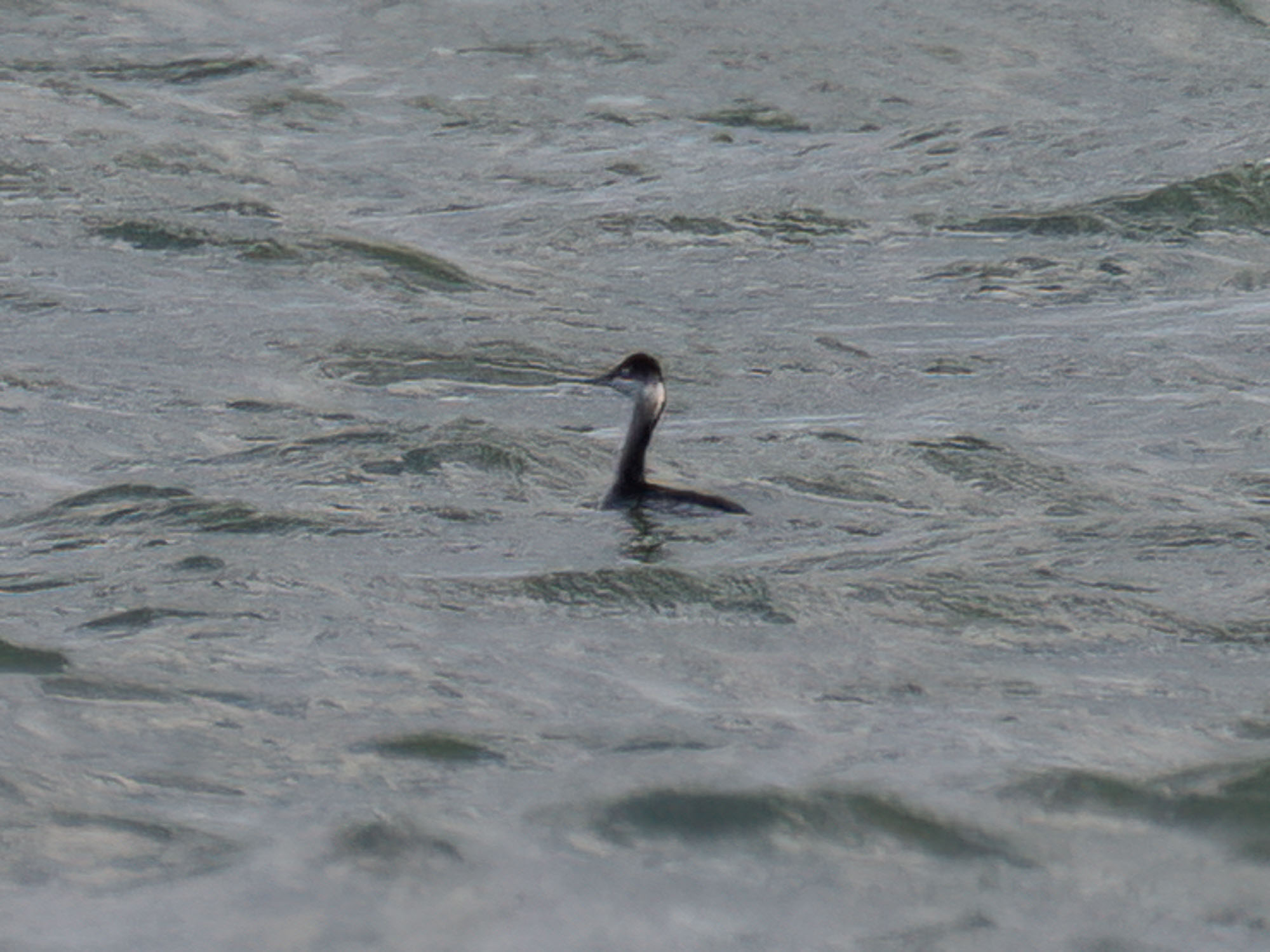
Black-necked Grebe

One of the adult Peregrines was seen on the 5th on Gull Island but there have been no subsequent sightings of adult birds since then. A juvenile female Peregrine was subsequently seen most days. It may be that the recent failed breeding attempts and the presence of the White-tailed Eagles have persuaded the Peregrines to move on.
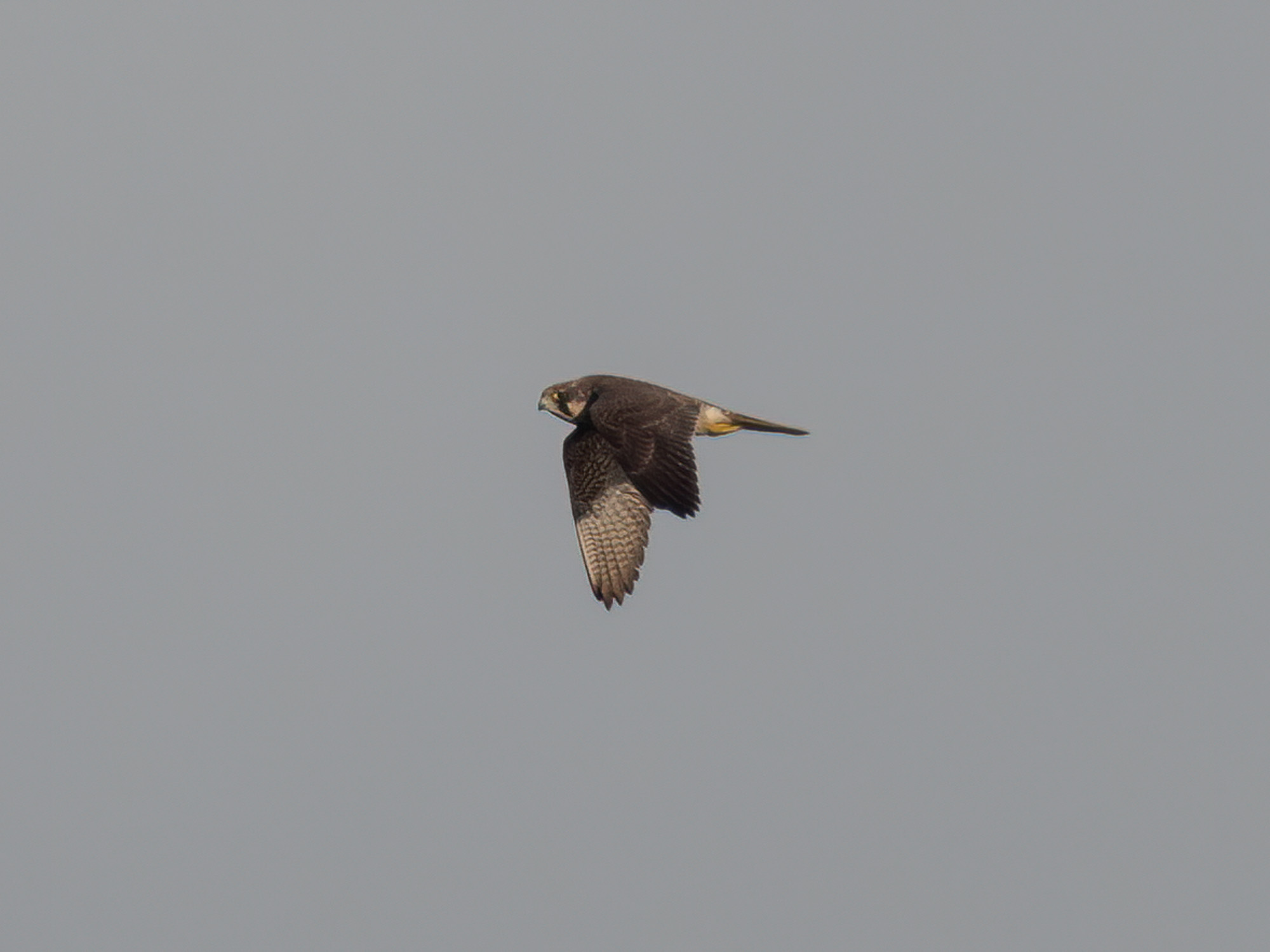
juvenile Peregrine

Three Velvet Scoter were found from the Sailing Club during our WeBS count on the 5th and the same group were seen in a similar area on the 8th, the first Velvet Scoter record for two years. The wintering flock of Grey Plover totaled 209 on the 5th and included a single Golden Plover on 4th.

Velvet Scoter photo by Alan lewis

The undoubted highlight of the month was a flyover Lapland Bunting from the Sailing Club on the 8th. This is the fourth record for Needs Ore after one in 2012 and two in the 1960s. I didn’t see the bunting well but a sound recording enabled me to eliminate the very similar sounding Snow Bunting.

Lapland Bunting calling over the Sailing Club
Redwing

70 Redwing were feeding in Wigeon Fields on 11th but the only Fieldfare during December was one heard near the Beach Gorse on the same day. 21 Eider were offshore on the 11th and a Goshawk powered over the Reedy Ditch on the 11th.

Brambling calling near the Reedy Ditch

The crop strip field attracts good numbers of finches and a Brambling was heard calling here on the morning of the 14th. Also in the Reedy Ditch area that day a Hawfinch was seen briefly over Black Water House and a Marsh Tit was also seen on the 14th calling from the Reedy Ditch Bushes.
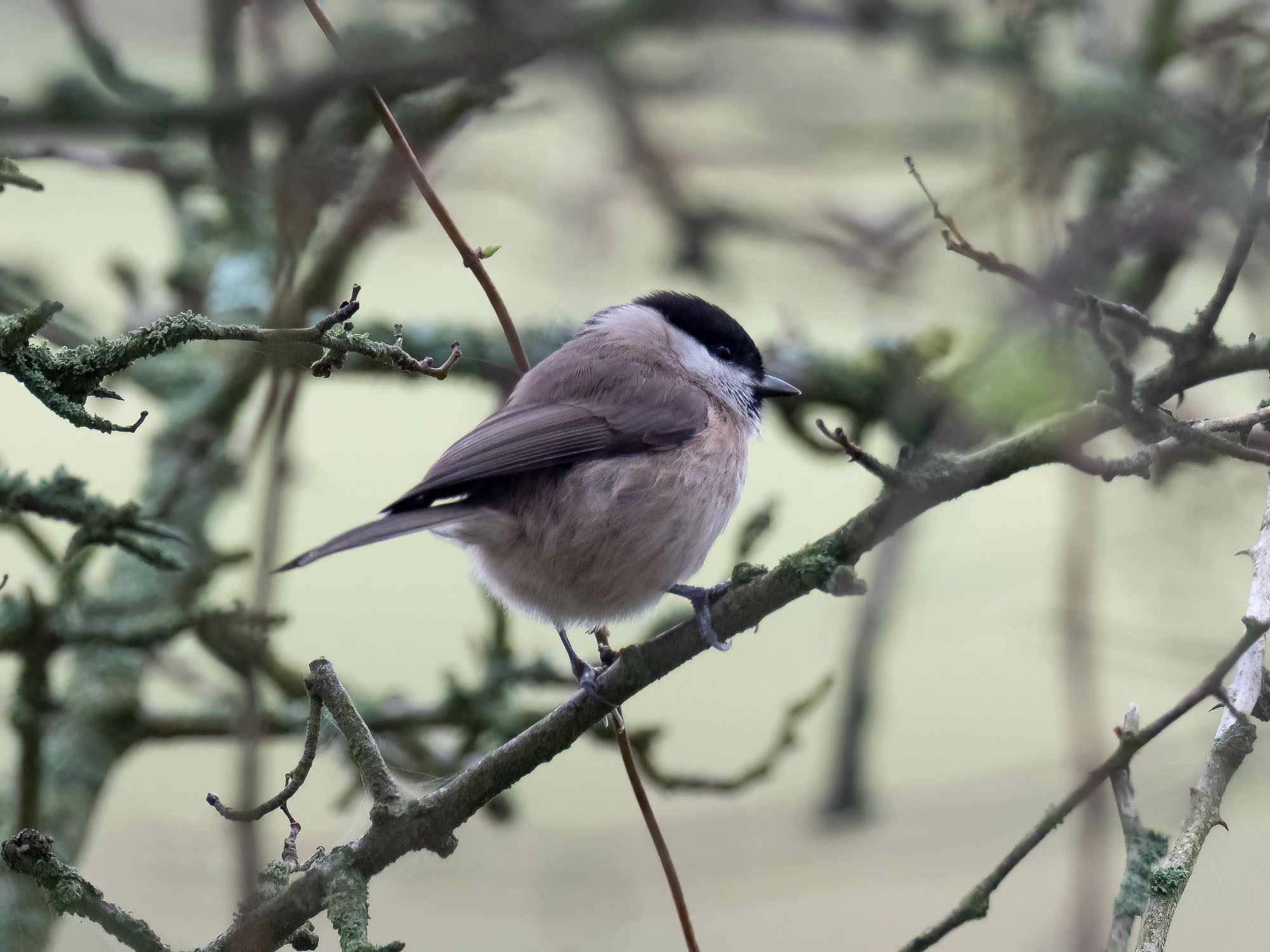
Marsh Tit

A Shag showed really nicely fairly close in shore on the 20th. Compared to the much commoner Cormorants it was significantly blacker, with a shorter body above the water, a flash of yellow around the gape and a white chin. Nice to see it dive with an amazingly athletic leap before entering the water almost vertically.

One of the highlights of the month was a group of four adult and two first winter Russian White-fronted Geese which were seen on Middle Field with Canada Geese on the 20th. The four birds that over-wintered last year tended to associate with the Greylags. I first saw them on the 19th December 2020, a very similar arrival date. This year’s group of six quickly moved on and weren’t seen again.

Russian White-fronted Geese

Five Red-throated Divers were seen flying west and also settled on the sea on the 20th but there appear to be no wintering Great Northern Divers yet.

A group of six Barnacle Geese flew over Pullen on the 22nd and later that afternoon the first Pale-bellied Brent Goose of the winter was seen at Park Farm. What may well have been the same bird was seen on the 30th out on Inchmery Saltmarsh before flying past Mary Monts shortly afterwards.

Pale-bellied Brent Goose

Also on the 22nd a Common Scoter was on the sea and a single Golden Plover was with the Grey Plover flock. Cormorants leaving their roost in the Black Water area totaled 40 on Boxing Day while later that morning a female Goosander drifted east on the rising tide close in shore.

Goosander

In the afternoon the wintering Lapwing flock peaked at just over 400 birds on De L’Orne Scrape and sharing the scrape were 71 Golden Plover, no doubt part of the wandering flock from Pennington. Also on Boxing Day, during a sunny interval, a Peacock butterfly showed briefly on Wheatear Corner.

Towards the end of the month 51 Black-tailed Godwit on De L’Orne Scrape was a good count and very similar to my previous highest winter count which was 52 on 17th December 2020 (Exbury Fields). Also on the 30th three Greenshank were seen together here, this is the first time I’ve seen more than two during any winter count (December and January).

Birds present all month included the wintering Avocet group which remained around the dozen mark often on the edge of the river south of the Yacht Club. This is a typical count and location for Avocet, there were 14 here in December last year. Numbers grew to 21 by early March, also feeding along the edge of the river. A further increase in numbers came in April with 37 on Great Marsh.  

Razorbill
Cattle Egrets

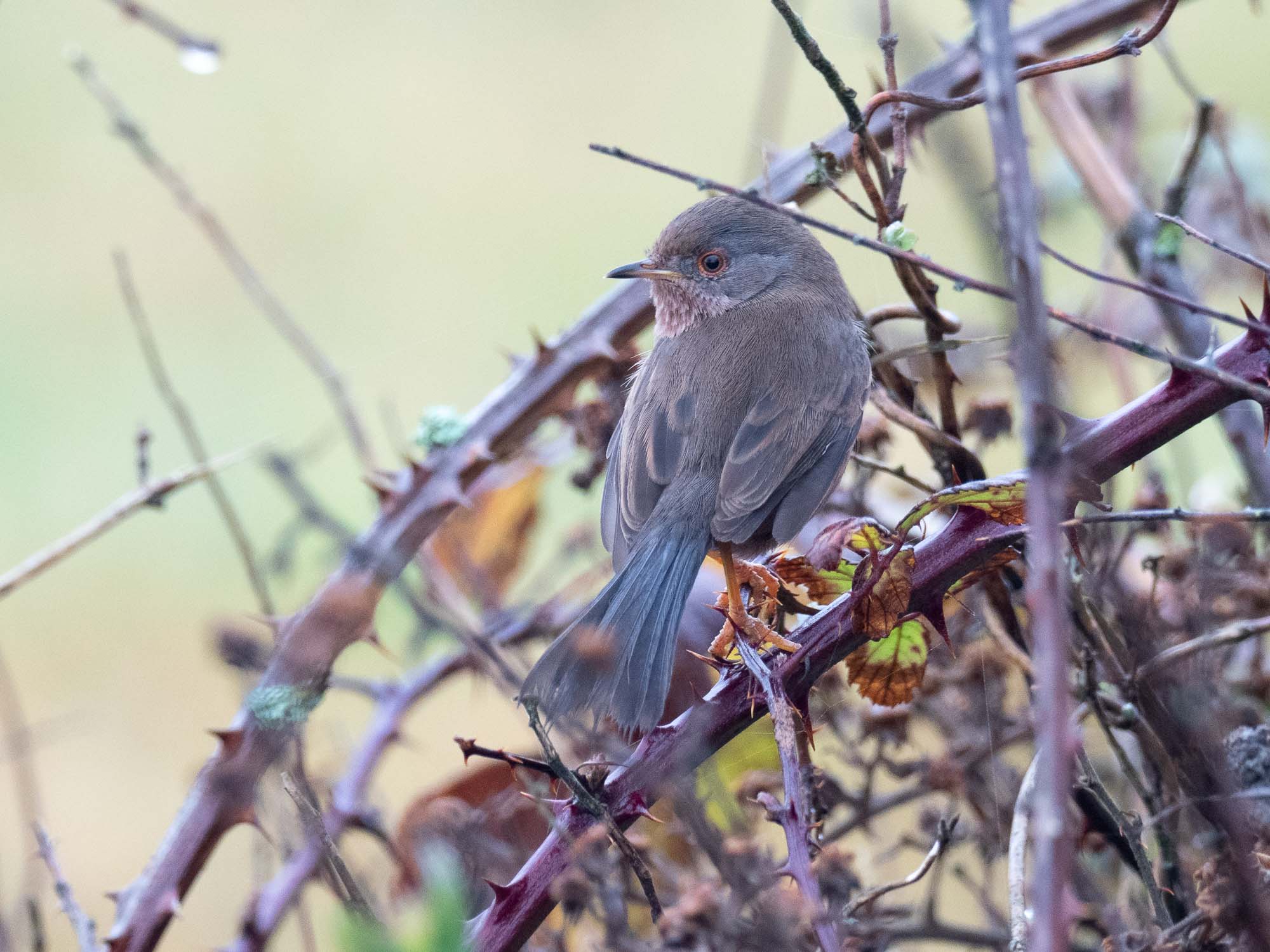
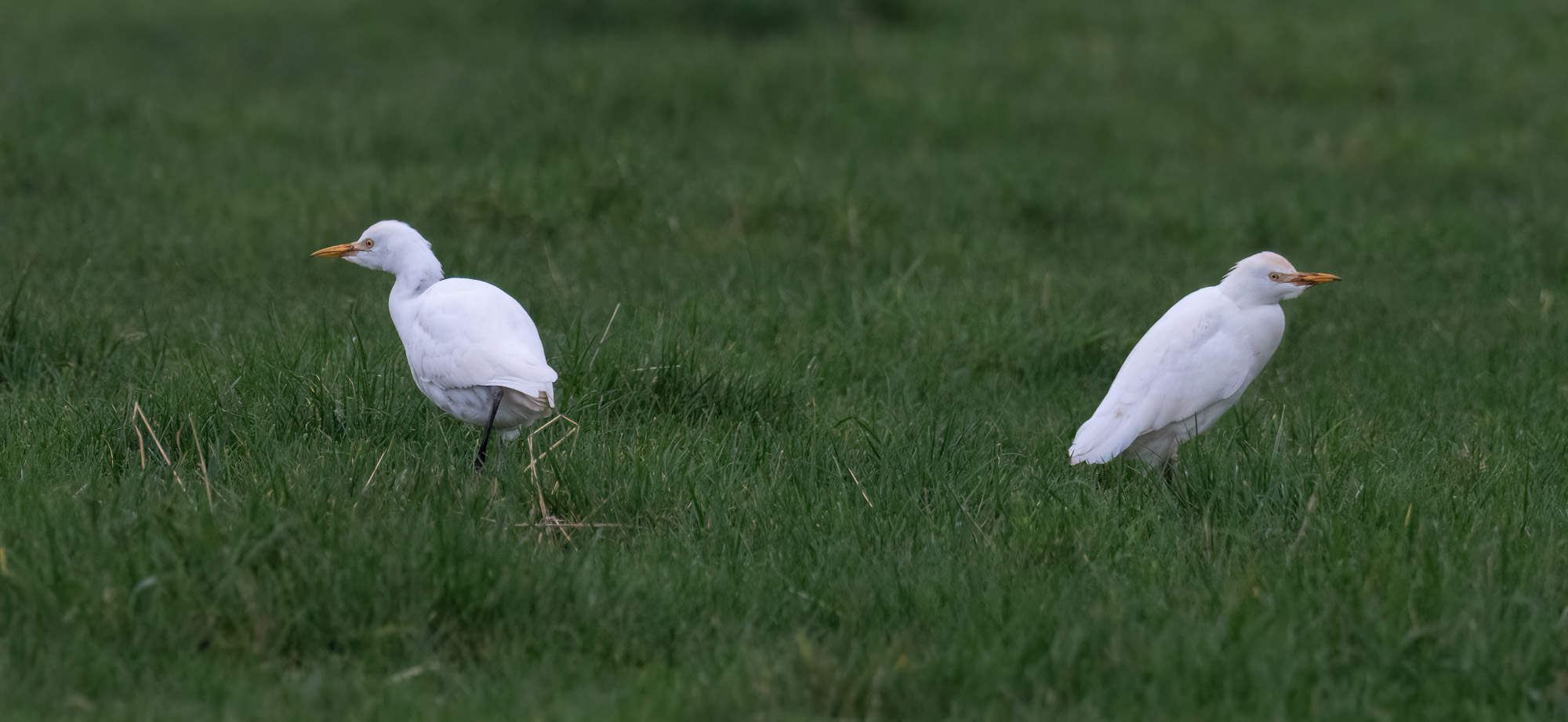
The two Cattle Egrets remained close to Park Farm and up to three Dartford Warblers were often seen or heard close to Mary Monts. Auks continued in good numbers with up to seven Razorbill and four Guillemot seen off shore.

Dartford Warbler

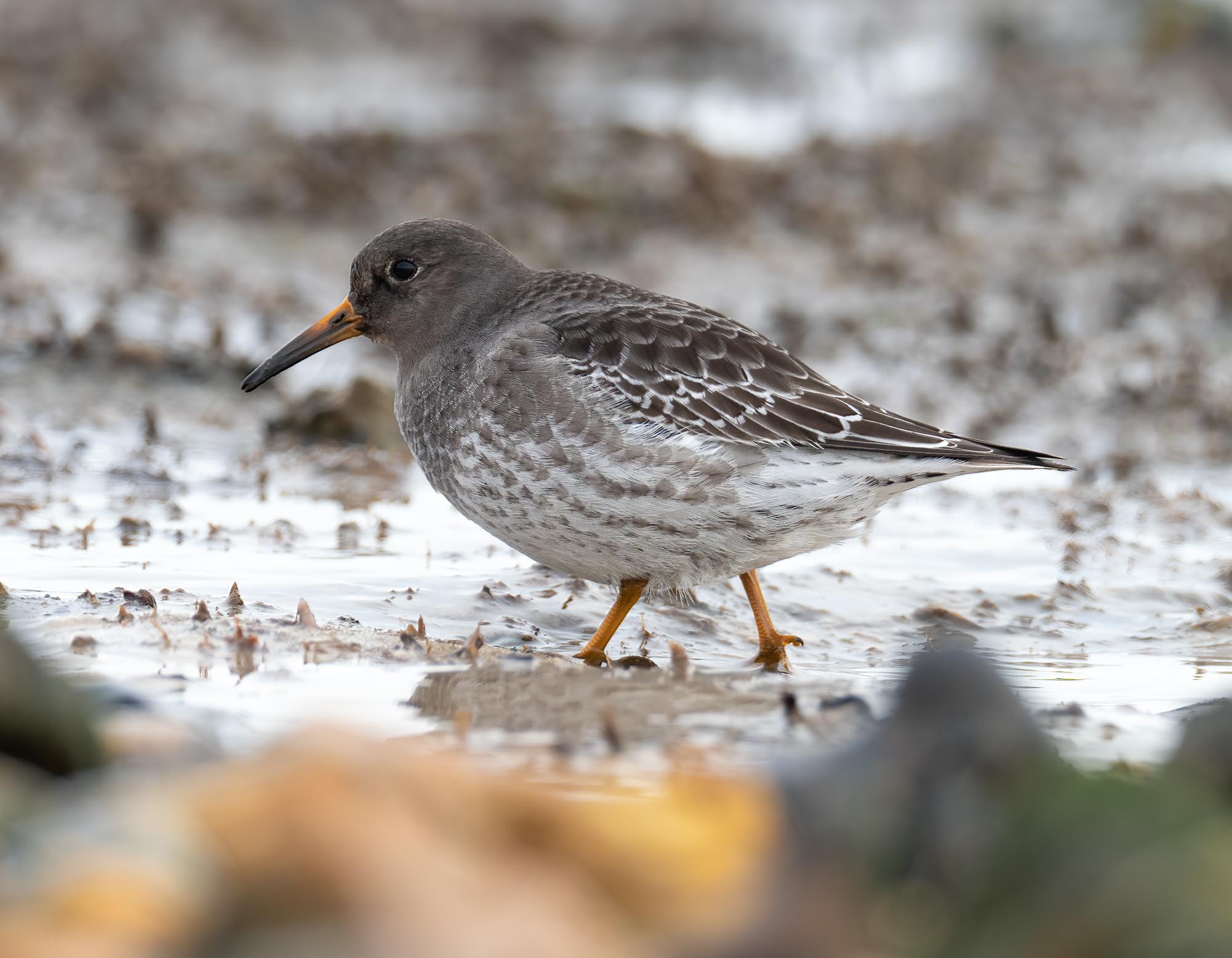
The 1st winter Purple Sandpiper, only the second for Needs Ore, remained on Warren Shore throughout December often showing very closely for those that made the long walk.

Purple Sandpiper

The first winter female Scaup remained on Black Water and Venner although rather strangely she was seen on Inchmery Saltmarsh during a WeBS count on the 5th.

female Scaup

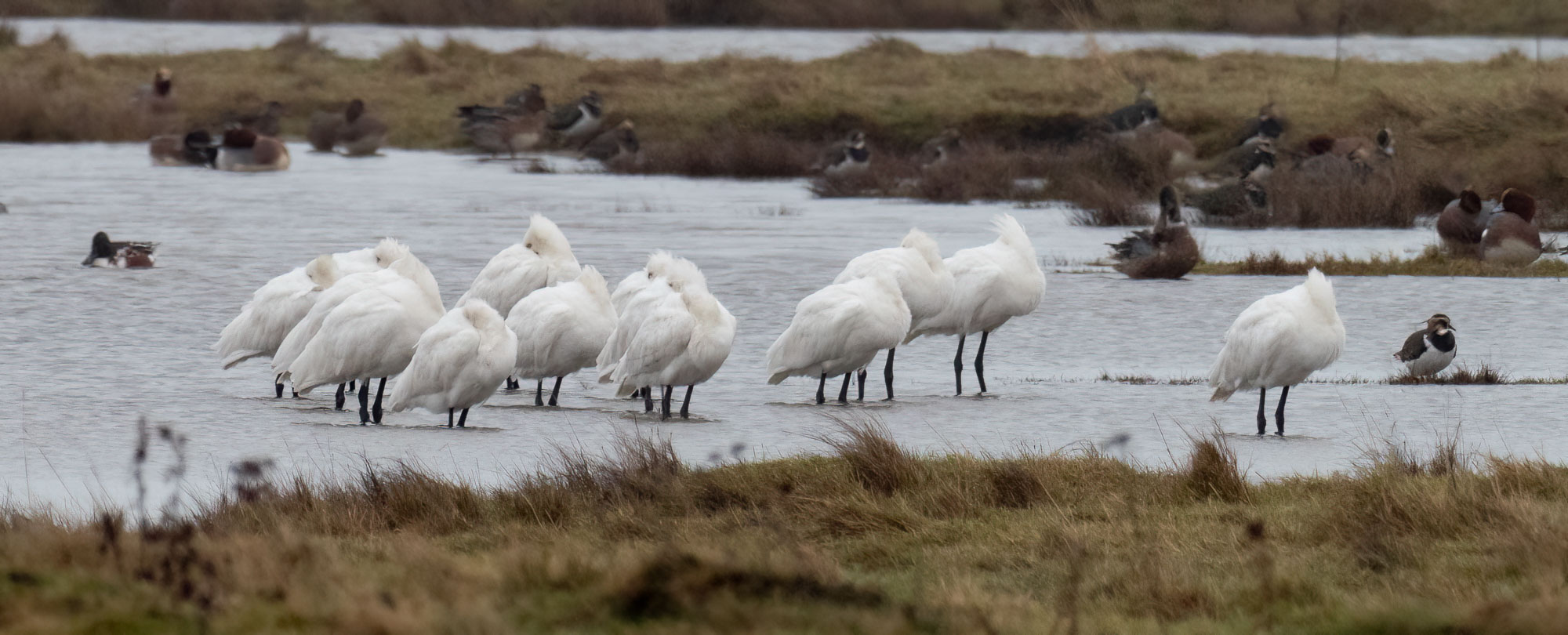
There were up to four Slavonian Grebes off shore during the month and the Spoonbill group totalled 14 adults splitting their time between Inchmery Saltmarsh and De L’Orne Scrape.

Spoonbill
December 2021, Winter 2021/2022

Thursday 30th December 2021

I met up with Dimitri at 8am, we started with some sea watching from Mary Monts. Two Ravens cronked overhead as we set up and there were four or more Great Crested Grebes strung out along Warren Shore. A Razorbill was close in, now a regular sight this winter.

The highlight was four dapper Slavonian Grebes in a very compact group, it was brilliant to see four birds so close together.

Slavonian Grebes

A male Red-breasted Merganser flew west and then two females lingered for most of the day out from Mary Monts. Also heading west were several Eider.

male Eider photo by Ian Williamson

After a lull in sea activity we headed over to the hides and as we emerged from the Main Hedge there were three White-tailed Eagles on the ground in the flooded fields. Despite their captive origins they don’t seem accustomed to humans and they had flown before we had even got to the Viewing Gate.

White-tailed Eagles photo by Brian Fairbrother

On De L’Orne Scrape there were 51 Black-tailed Godwit. This is very similar to my previous highest winter count which was 52 on 17th December 2020 (Exbury Fields). This suggests that a population of around 50 birds winter here.

Black-tailed Godwit

Three Greenshank were active and regularly flying around the scrape, this is the first time I’ve seen more than two during any winter count (December and January). The Spoonbill group which has settled at a consistent fourteen were again on show here, all of them asleep.

Spoonbill

On the walk back along the hedge I always scan the fields carefully, particularly to the west, for a possible Water Pipit but again no luck. In fact pipits of any species are very difficult to pick out in the long grass. There were 19 Pied Wagtails on the damp parts of Wedge Field.  My high counts of this species this year (19, 20 and 25) have all been in these three adjacent fields – Wedge Field, Middle Field and Droveway East.

Pied Wagtail photo by David Cuddon

At the Sailing Club a vocal Rock Pipit was calling from the roof of the Warden’s Hut and in the distance a Pale-bellied Brent Goose was roosting on Inchmery Saltmarsh. Even at this distance, perhaps a kilometer, the angle allows you to see the pale central underbelly which makes the black breast stand out.

Pale-bellied Brent Goose

What I believe is the same individual was then picked up by Dimitri as we sea watched for a second time from Mary Monts. Really nice to get some flight photos, you can really see the strong contrast between chest and belly and the much paler area around and behind where the legs would be. These areas can be difficult to see well when the geese are grazing.

Pale-bellied Brent Goose
December 2021, Winter 2021/2022

Sunday 26th December 2021

A small number of Brent Geese were fairly close in shore on a flat calm sea out from Mary Monts. With swimming Brents it’s harder to be certain but I think this is a well-marked Dark-bellied Brent Goose as opposed to a Pale-bellied Brent.

Dark-bellied Brent Goose

A large group of 40 Cormorants flew over Mary Monts Pools as I started sea watching, this is my biggest count on the reserve, they had probably roosted around Venner. I spent 30 minutes sea watching, it was flat calm but visibility was poor with sea mist and my scope eyepiece was constantly steaming up. I watched 10 Eider appear from the Lepe direction although they landed before they were close.

Although Needs Ore and Hampshire aren’t great for large gulls I regularly keep an eye out for Yellow-legged Gulls and so I often photograph flying Herring Gulls. On this wing tip photo you can see the long grey tongue on the eighth primary (P8) and the tiny black mark on P5, these are typical Herring Gull features. Yellow-legged Gull shows a more extensive black triangular wing tip with a very short grey tongue on P8 and a much more extensive black bar on P5.

Herring Gull

Looking over my shoulder to check whether there was any activity behind me a silent Dartford Warbler flew around the back of the sea watching bush. I managed a photo. The spiky tail feathers, worn primaries, dull brownish iris and dull brown orbital ring all make me think this is a 1st year bird. Another two Dartford Warblers soon joined it.

1st winter Dartford Warbler

With little happening on the sea I headed to the hides. As I arrived at the Viewing Gate a flock of waders appeared out of the mist from the Black Water direction. They were Golden Plover and one or two of them called but only briefly as they went overhead. They tacked back around to Black Water and appeared to land on the Gins.

Golden Plover calling overhead

I later saw them on De L’Orne Scrape and I was better able to count them, there were 71 which is my highest count at Needs Ore. There were also 404 Lapwing on the scrape and a single Spoonbill. Lapwing numbers are certainly lower than recent years.

Golden Plover

Also at De L’Orne a Water Rail squealed from the left hand side of the hide and then appeared briefly at the water’s edge.

Water Rail photo by Brian Fairbrother

On Black Water there had been an arrival of Tufted Duck with seven males and five females. Also a single female Pochard and the resident female Scaup completed the diving duck group. Otherwise it was good numbers of Teal, Shoveler, Mallard and Gadwall.

Tufted Duck males

A male Great Spotted Woodpecker was working its way along the oaks opposite the Shore Hide car park.  

male Great Spotted Woodpecker

After a brief stop at a very misty Sailing Club I walked the old spit to the cottages, around Thrift Corner and then back to the Sailing Club. I then decided to head back to Mary Mont’s just as the sun finally broke through and suddenly all the morning mist started to evaporate. I decided to walk the spit. 

Out to sea I picked up two distant grebes and in the bright sun their cheeks gleamed white. This was my first double count of Slavonian Grebe this winter. They gradually swam closer and although the light was harsh it was nice to get some closer photos. They stayed very close together throughout. 

Slavonian Grebes

As I was watching the Slavonian Grebes drifting towards me I noticed a silhouetted sawbill and assumed it was a Red-breasted Merganser. A few seconds later I took another look and this time thought the chunky profile looked more like Goosander. As at moved out of the line of the sun I could see more detail and it was indeed a female Goosander, maybe even the bird had I seen with Ian at Park Shore on the 28th November.

female Goosander

Three Red-necked Grebes had been reported together on Thursday at close range inside the river from the Sailing Club. There was no sign today although the mist had closed in and from the Sailing Club I couldn’t see the other side of the river! Out on the sea I did see a couple of scruffy and dusky looking very distant Great Crested Grebes which were worth a closer luck. Even at this long range, however, a Red-necked Grebe would show a dusky grey neck front framed by white cheeks and chest. Also a much shorter neck and less of a horned appearance.

The wintering Purple Sandpiper was still showing very nicely on the muddy fringe directly out from the cottages.

1st winter Purple Sandpiper photo by Brian Fairbrother

While walking back along the spit a male Marsh Harrier headed over the saltmarsh drifting further inland. It was clearly a male although not a full adult given the browner underwings.

sub-adult male Marsh Harrier

The Teal and Wigeon lifted up from the bay just east of Teal Point. A few seconds later I picked up the immature female Peregrine powering along the beach. You can see the pale edgings to the brown upperparts and although not visible in this photo it showed pale nape patches and streaking (as opposed to barring) on the underparts. In the last few weeks the only Peregrine I’ve seen at Needs Ore has been this young bird. 

immature female Peregrine

An unexpected Peacock showed briefly in sunny conditions on Wheatear Corner and a Siskin called overhead as I stopped at the Reedy Ditch.

Peacock
December 2021, Winter 2021/2022

Wednesday 22nd December 2021

Amazing to see a White-tailed Eagle in the tree next to the Crop Strip field as I drove along Warren Lane, definitely the closest I’ve been. It flew away almost as I was underneath mobbed by several Jackdaws. I later saw three White-tailed Eagles roosting in the trees at the back of Long Pits.

Lots of Redwing again today, a very tricky bird to photograph as they always seem so keen to keep moving. No Fieldfare again today.

Redwing

As I headed over towards Mary Monts six Barnacle Geese flew over Pullen and on towards Black Water.

I met up with Ian at just after 8am to do some sea watching. Highlights were four Guillemot including a group of three together on the sea, 2 Common Scoter heading east, a single Red-throated Diver and a Razorbill. Last winter I didn’t see any Razorbills at all but this winter so far I’ve recorded 28 bird days!   

We headed to the hides and chased 10 Bullfinch along the main hedge, this is the best location on the reserve for this species and it is my highest count at Needs Ore.

Kestrel photo by Brian Fairbrother

From Venner hide there were 60 Curlew and three Black-tailed Godwit feeding on Wigeon Fields. The Scaup was still on Black Water and a skittish Grey Heron lifted up from one of the new islands out from the NFOC hide.

Grey Heron

On De L’Orne Scrape there were now 13 Avocet. This is a typical count and location for Avocet, there were 14 here in December last year. Numbers grew to 21 by early March, also feeding along the edge of the river. A further increase in numbers came in April with 37 on Great Marsh.   
In the distance over Inchmery Saltmarsh a group of around 100 Lapwing headed our way, a smaller wader was on the right flank, a Golden Plover, it peeled away and dropped down on to the saltmarsh. At high tide at least one Bar-tailed Godwit was amongst the Grey Plover and Dunlin. The juvenile female Peregrine was again on show, this time on the Inchmery side of the river in a dead tree.

After lunch we headed over to Park Shore. From the viewpoint at the top of Park Lane there were 800 Brent Geese and amongst them was the Pale-bellied Brent Goose again. Probably not as well marked as the two birds that wintered here last year.

Pale-bellied Brent Goose (middle bird)

The two Cattle Egrets were still around Park Farm.

Cattle Egrets

From Park Shore there was little on the sea other than a 1st winter Red-throated Diver heading east and a male Eider heading west. There are good numbers of Red-throated Diver in this part of the Solent this winter but I’m still to see a Great Northern Diver, I’d recorded four by this time last year.

No sign of the Russian White-fronted Geese today and no-one reported them yesterday either, perhaps they were just moving through.