birds

June 2022

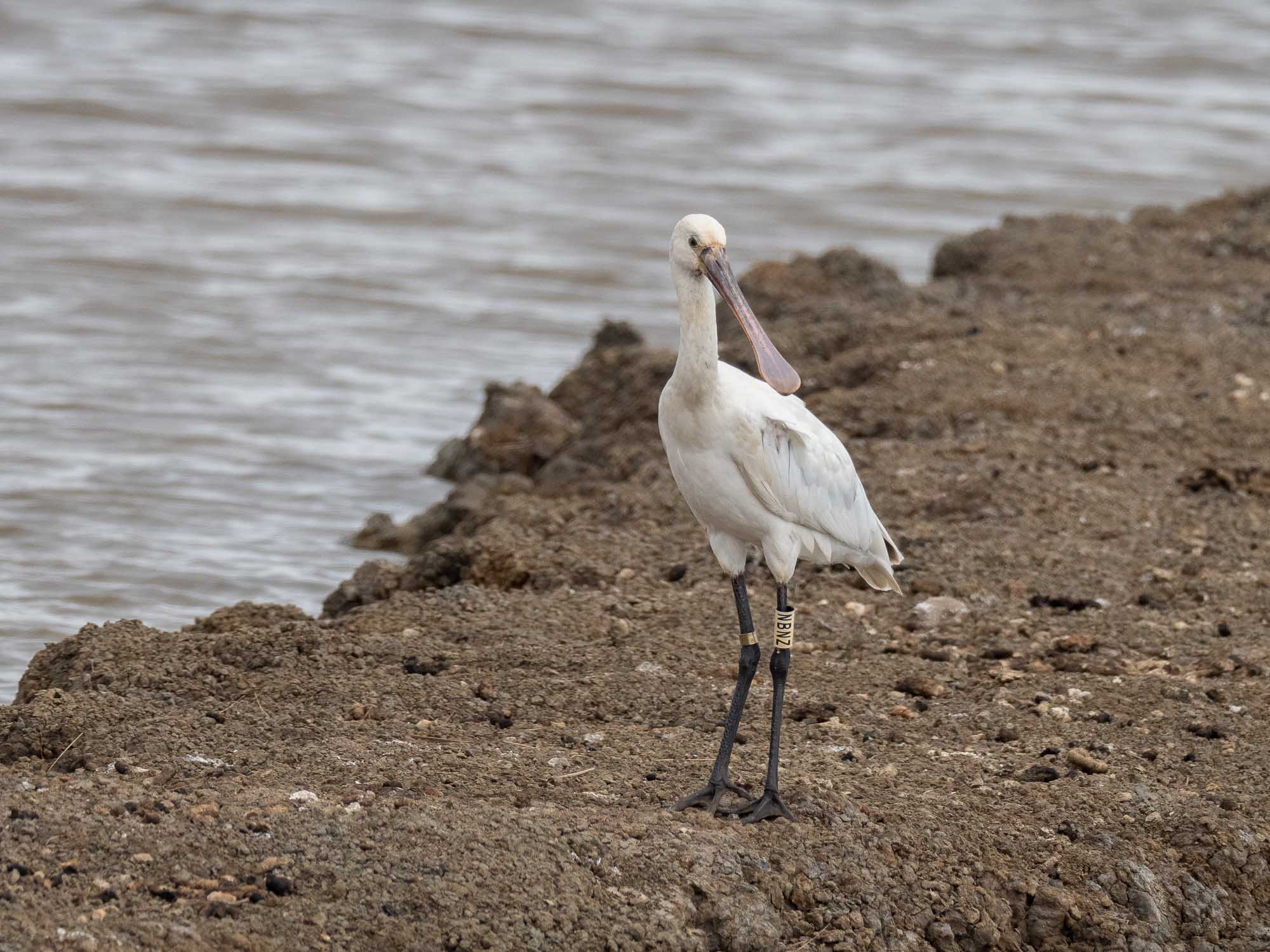
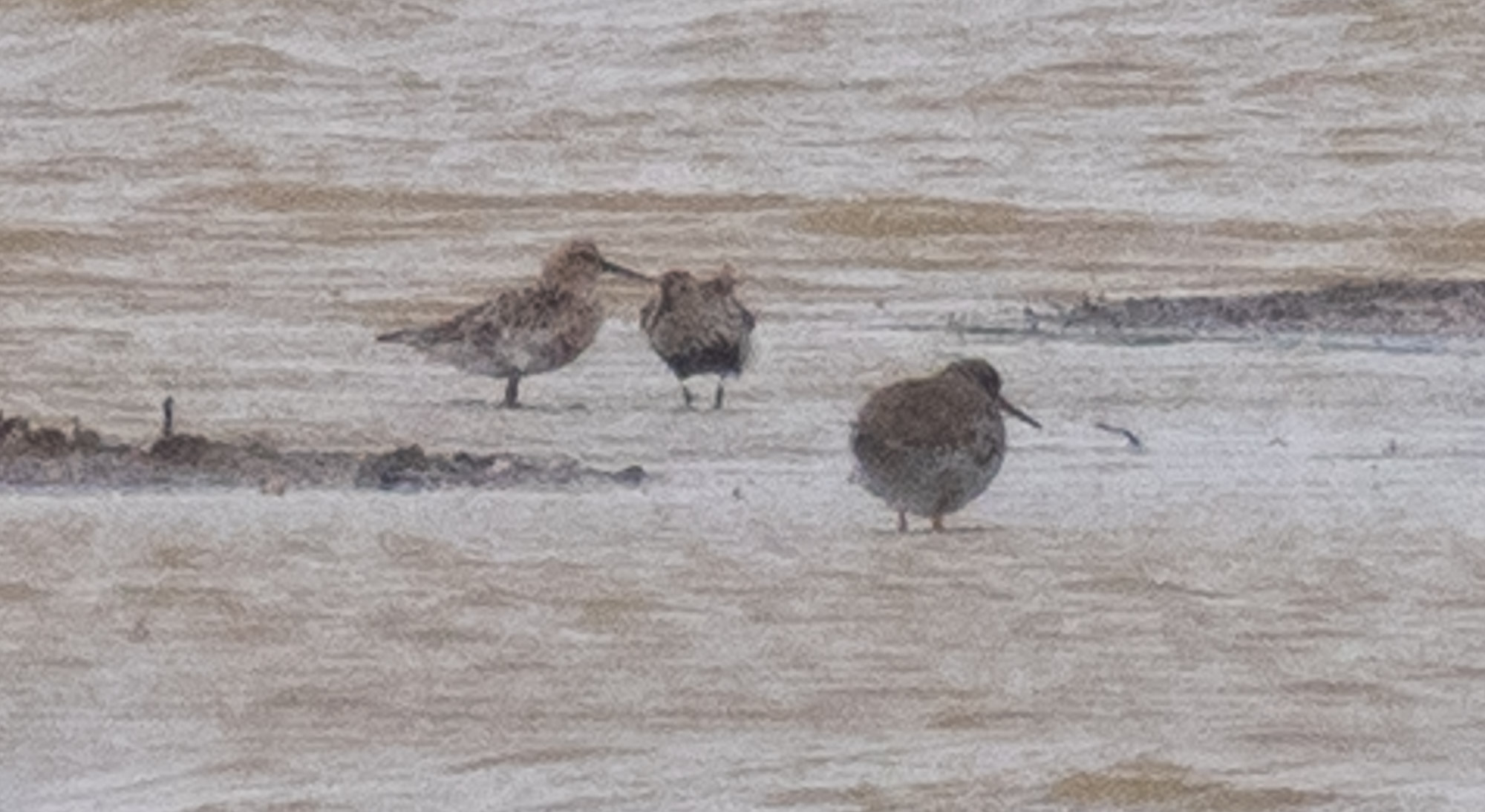
Twenty Sanderling were feeding along Gull Island on the 7th June which is quite late to be this far south and so perhaps they are non-breeders especially given their lack of breeding plumage. Two juvenile Spoonbills, including the Dutch-ringed bird, remained around Black Water and De L’Orne for the month.
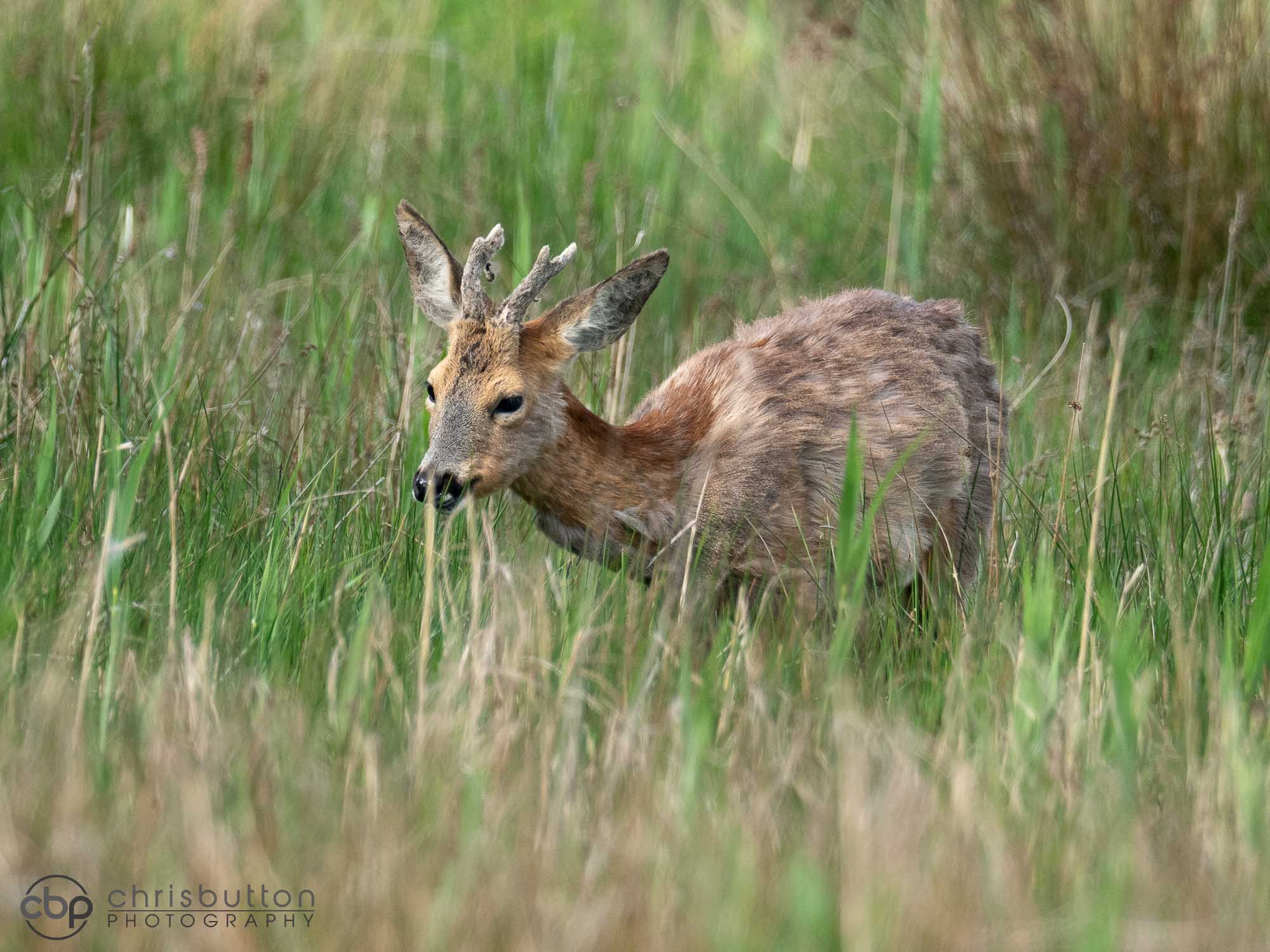
Roe Deer on Gravelly Marsh

I was finally able to find some young Redshank chicks, there were three along the southern edge of Great Marsh. I first saw them on the 23rd and they looked a day or so old. The female Pochard started the month with four chicks and still had three by the month-end. Black Water is one of very few breeding sites for Pochard in Hampshire.
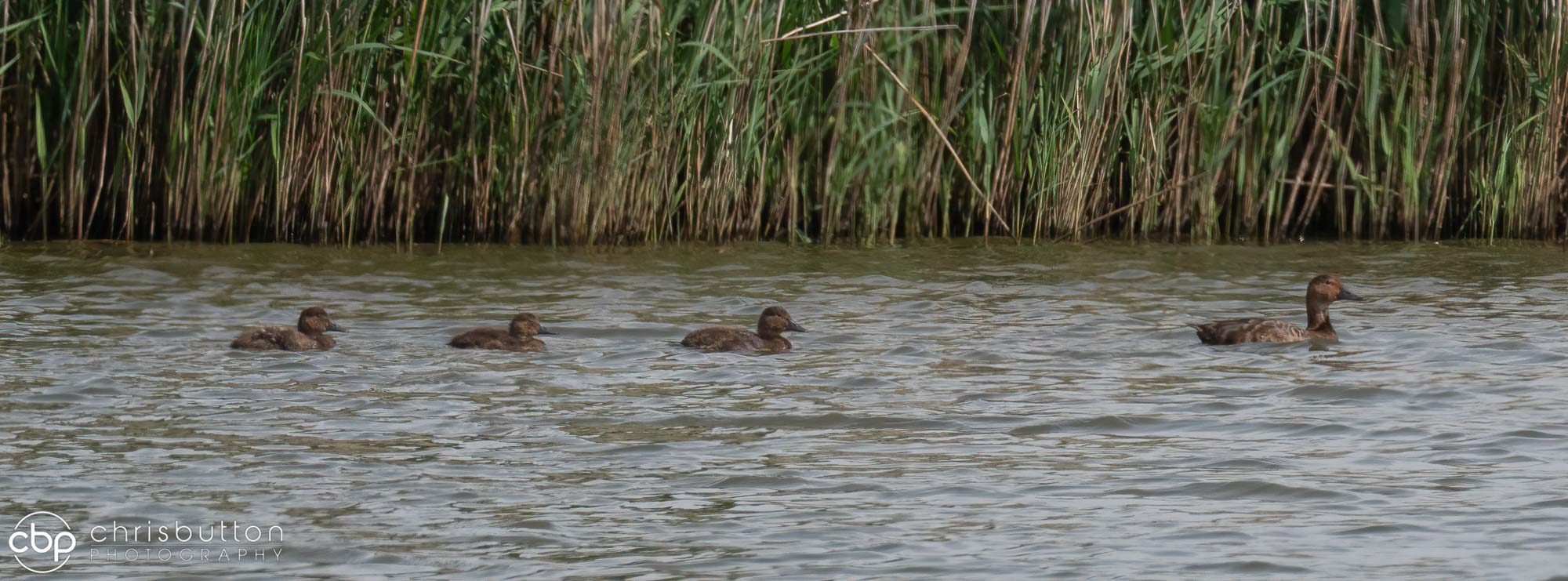
Pochard and three ducklings

Three Little Terns were regular company as we walked to the end of Gull Island on the 7th. They were clearly prospecting and landed several times near the end on a perfect sandy/shingle section. They also fed close by along the river. They may have failed elsewhere and were looking for somewhere else to try but unfortunately there was no subsequent sign of them, perhaps the roosting gulls deterred them.

With only 1 pair of Kestrels on the reserve it was great to see the young chicks being ringed. The nest inspection and ringing was done under the appropriate licenses and with consent from Natural England.
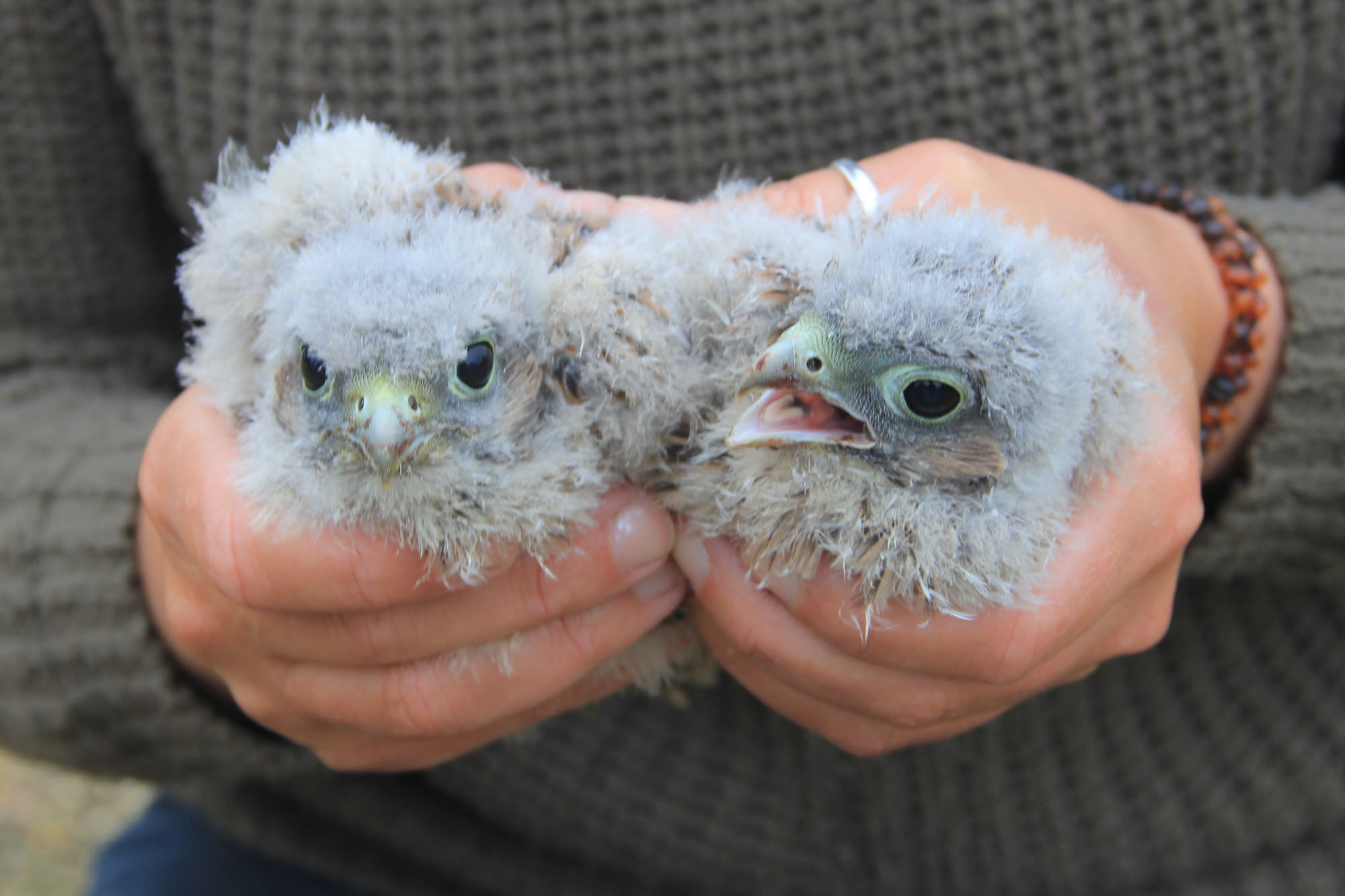
Kestrel chicks photo by Graham Giddens

A Green Sandpiper on the 25th seen flying low over Wigeon Fields was the first returning wader of the autumn.

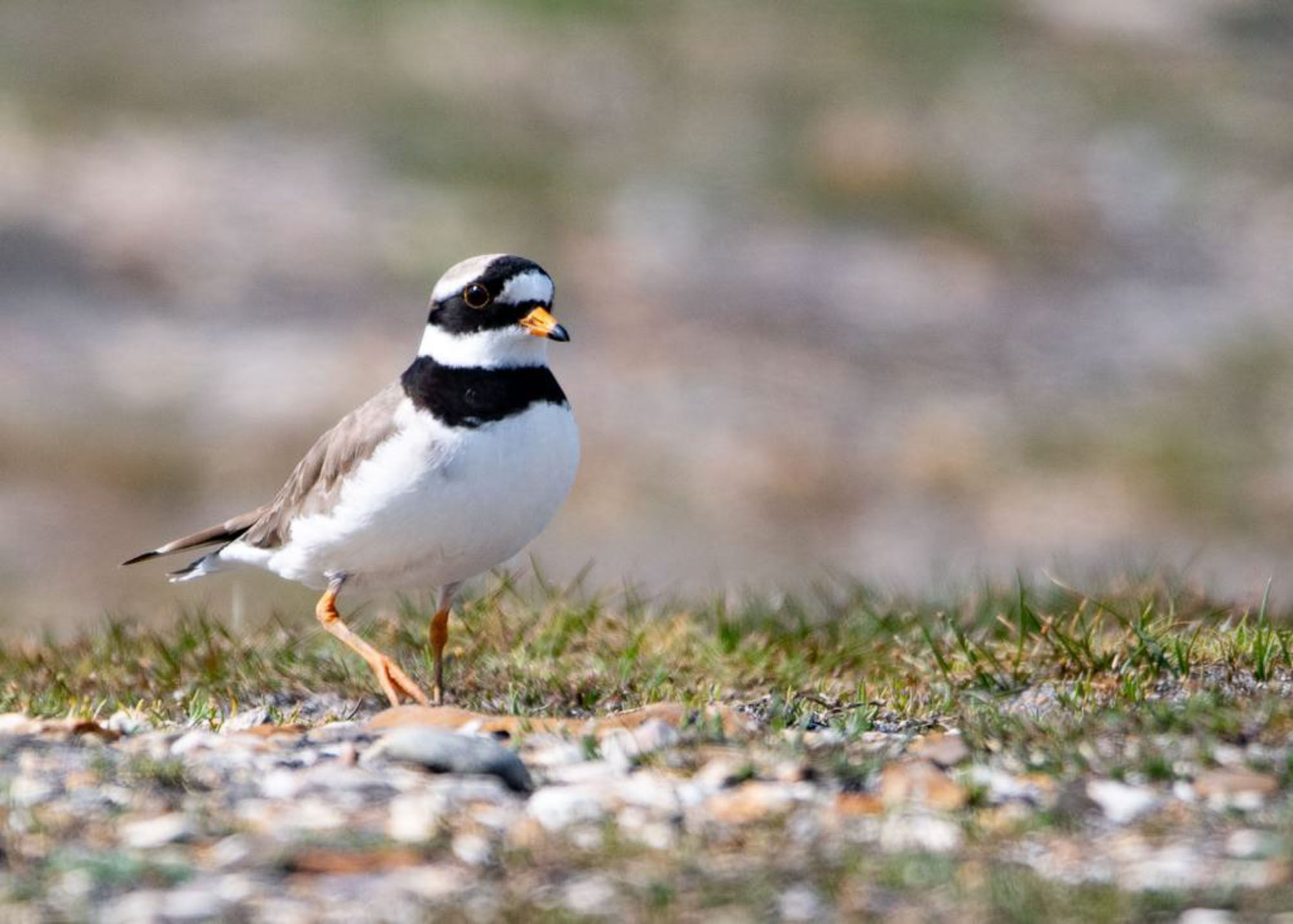
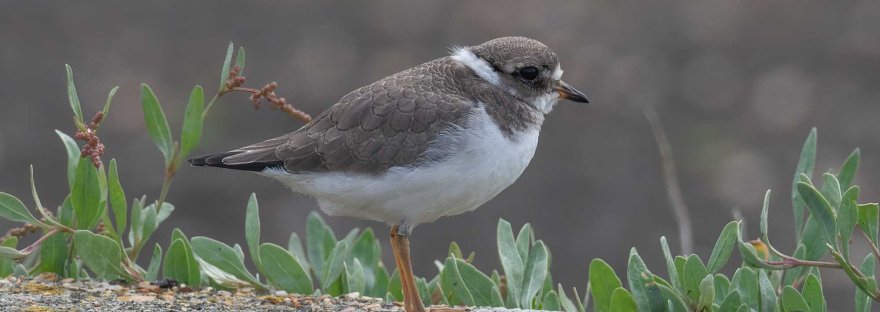
An eventful month for the Little Ringed Plover pair. Having had their first nest attempt predated in late May, presumably by a Fox, by early June I was watching them on Great Marsh mating with the male displaying with a raised tail and then engaging in several flight displays before chest-burrowing several scrapes. What was probably the same pair were then seen on the Gins. I saw a bird clearly sitting here and with Adam guiding me in, under his schedule one licence, I was able to find the nest with three eggs.

Again, with Adam’s assistance a camera and a cage were placed around it which proved a wise move as a Fox was later photographed trying to dig under the cage to get at the eggs. The cage protection was bolstered with a pegged down wide fringe of chicken wire which the Little Ringed Plovers quickly accepted. The eggs are due to hatch in early July, fingers crossed (July edit – Four chicks hatched on the 2nd July and they were still feeding OK on the 10th. The water levels are dropping fast on the Gins and with the current heat wave the flood could well dry out. If this happens, hopefully, the adults already know where they will walk the chicks).

Remarkably 10 Little Ringed Plover were seen near the nest on the 23rd. The group included three fully flying juveniles. It is not clear whether these are birds on the move having bred elsewhere or if there is more than one pair breeding at Needs Ore. There were still four adults and two juveniles on the 25th.

juvenile Little Ringed Plover on Great Marsh

Gadwall bred again on Venner with at least two broods here and with 12 chicks still present at the month end. I saw another female with six smaller chicks at the start of the month on the road at the Reedy Ditch. Overall therefore at least three broods.

Gadwall with six chicks at Reedy Ditch

The Mute Swans appeared to have had their five cygnets predated. In late May I saw the family including four cygnets squaring up to a pair of Great Black-backed Gulls on Venner South but over the subsequent few weeks the number of cygnets appeared to drop each time I saw them.

A group of eight Swallows were feeding over Venner in the rain on the 27th, they included six short-tailed juveniles. I think these may be from Mary Monts. The Swallows were joined by ten House Martins which also included several juvenile birds.

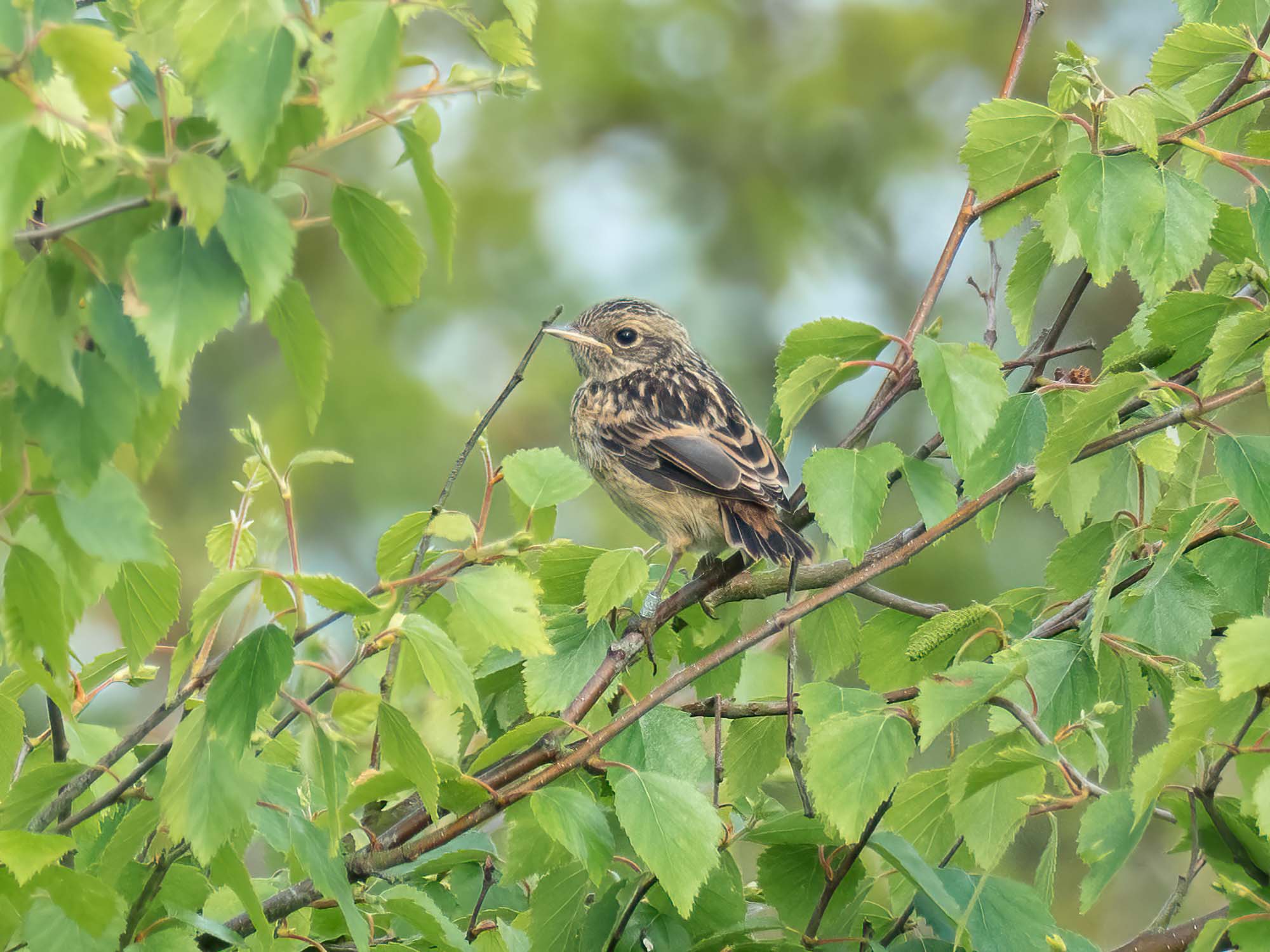
More successful Stonechat breeding with three juveniles at the Warden’s Hut and a second brood on LRP Beach near the beach hut. Also plenty of Meadow Pipits, Pied Wagtails and Reed Warblers seen carrying food or faecal sacs in various places around the reserve.

The Lapwing chicks that I saw newly hatched on Warren Shore subsequently moved to the splash near Mary Monts to feed up and on the 23rd I saw all three of them fully flying in the Wheatear Corner area. The only other success on the reserve appears to be the single chick on Gravelly West which also appears close to flying. Not a great return from twenty five breeding pairs. Our camera data suggests that Badgers and Foxes appear to be the main predators and so Adam has secured a budget to buy 10×100 metre electric fences to be used next year.

juvenile Lapwing on Gravelly Marsh West

At least four juvenile Little Grebe were seen from Venner and Pullen and the male Nightjar was heard churring at 10am on three occasions from the Gravelly Crossroads area.

juvenile Little Grebe on Venner

There’s been lots of Shelduck breeding activity with 4 or 5 broods located in the 2nd half of the month. Total ducklings probably around 20 individuals although it’s difficult to be precise as there is constant movement between Venner, De L’Orne and Black Water. When they’re showing distantly on De L’Orne Scrape the young can look surprisingly Avocet-like.

Shelduck duckling on Venner Island

The Avocets at Great Marsh are doing well so far with eight individuals getting to the flying stage, this is from around six pairs. There were also 2-4 smaller chicks present at the month end. De L’Orne was harder going even though twice as many pairs bred here. A group of roving Ravens were probably responsible for wiping out most of the chicks. At the month end there were three small chicks but nothing older than a few days. Our camera footage suggests that most eggs do hatch but subsequent observation suggests that Ravens and other avian predators take most of the chicks. It’s difficult to develop a strategy to deal with this.

juvenile Avocet on the Flight Pond

The two Oystercatcher chicks which hatched from underneath the boats at the Sailing Club were still around at the end of the month often seen feeding close by with the adults over on the adjacent saltmarsh.
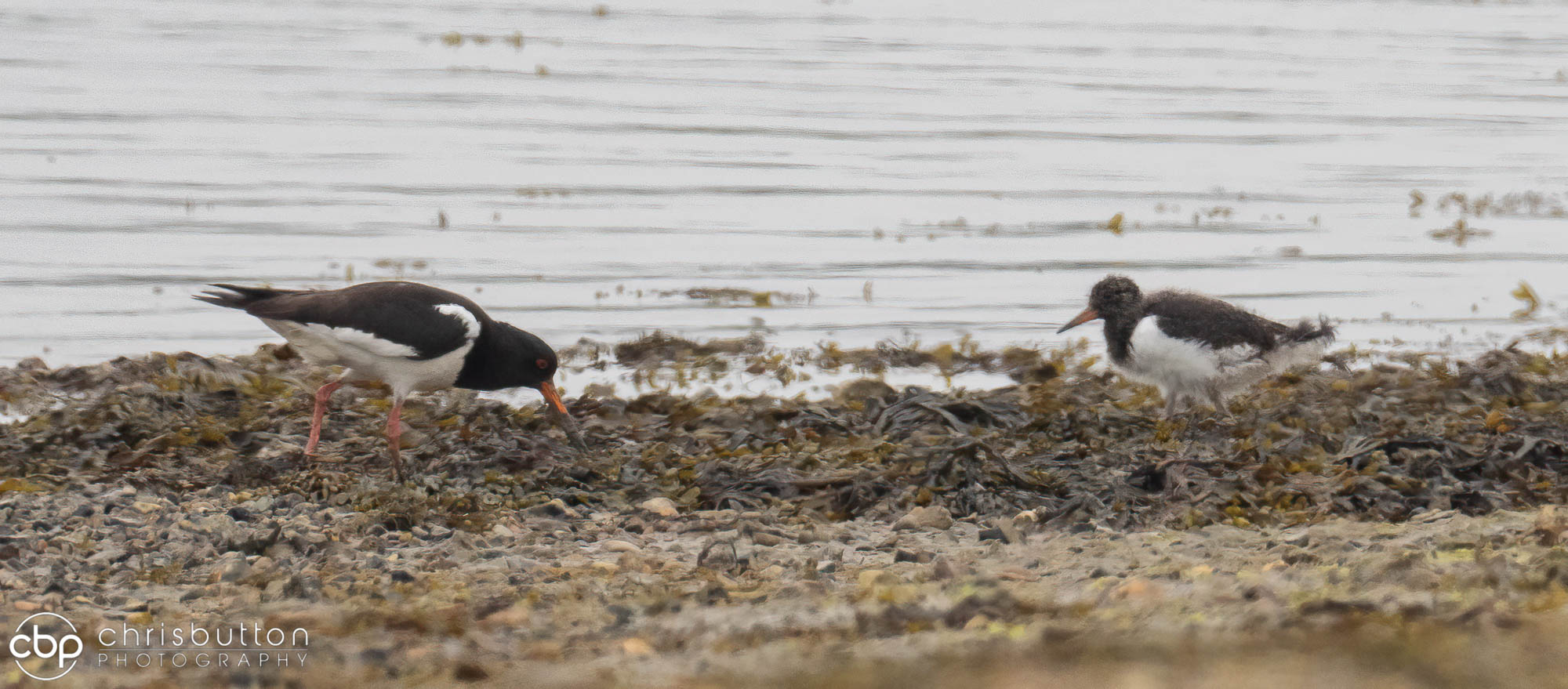
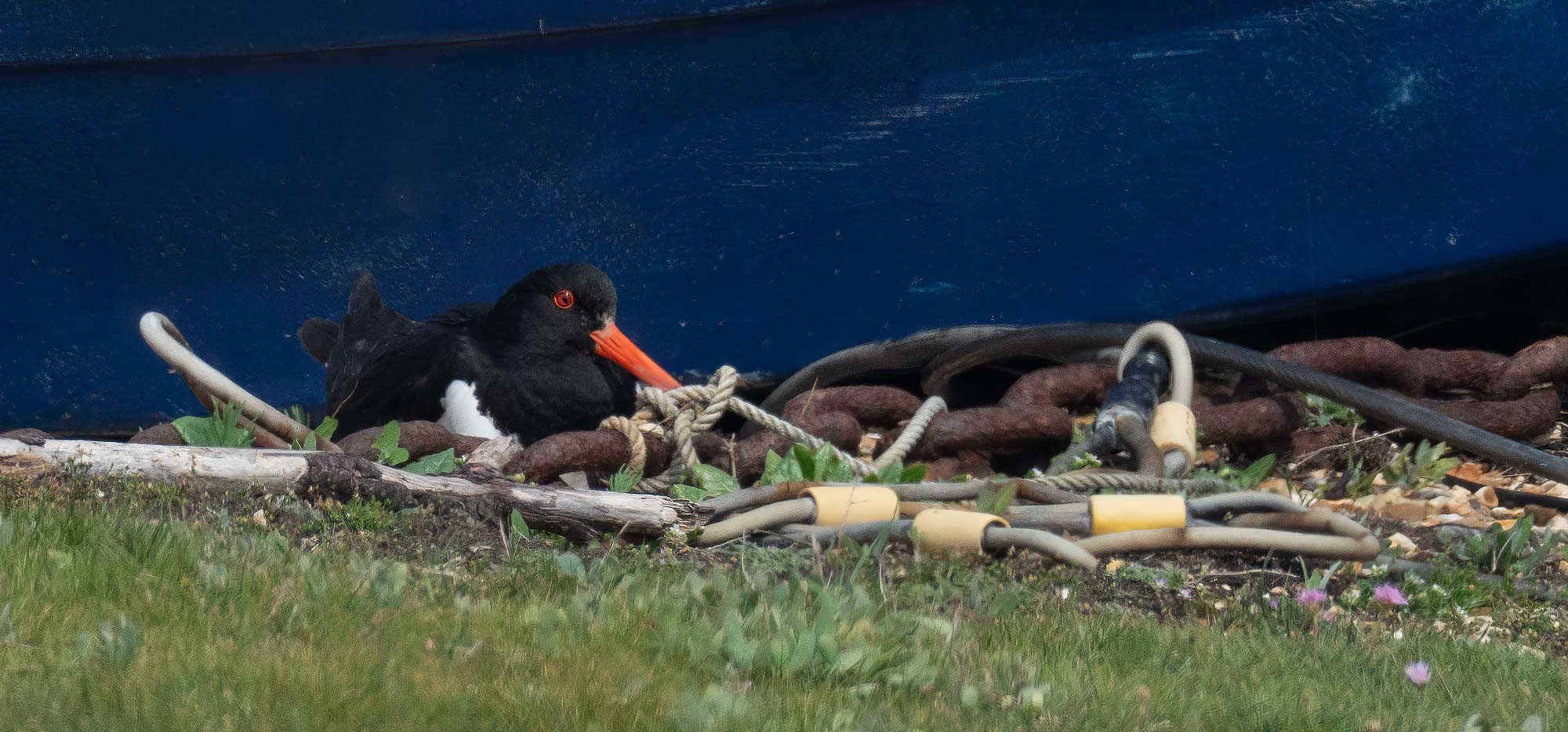
Oystercatcher and juvenile

Another well advanced chick was seen through to the month end on LRP Beach. Graham and Ellie managed to ring it. As always the ringing was done under the appropriate licenses and with consent from Natural England.

Oystercatcher chick from LRP Beach photo by Graham Giddens

The Oystercatcher broods on De L’Orne Scrape were hit by avian predators mainly Ravens we think but also an opportunistic Black-headed Gull nesting close by which was caught on camera grabbing an Oystercatcher chick. There were two very small chicks who had just hatched on one of the small islands at the month end with another two adults sitting.

Two chicks hatched from the triangular groynes on Beach House Beach. I subsequently found it difficult to keep a track on these birds although the agitated reaction of the parents suggested one or both were still present at the month end. The two pairs on Venner Island weren’t successful and all the Oystercatcher nests along the spit were predated, probably a mix of Foxes, Gulls and Crows. Five large chicks is actually not a bad return given how long Oystercatchers live for but it would be good to increase this productivity and we are looking at how we can adapt cages to better protect them next year.

Ringed Plover mating at the Sailing Club

The Ringed Plover brood at the Sailing Club, the first to be protected by our cage and camera set ups, was still doing well at the month end with all four young birds now able to fly.

juvenile Ringed Plover at the Sailing Club
Three of the four juvenile Ringed Plover at the Sailing Club

The two chicks on LRP Beach were still around and the adult was still sitting at the western end of the reserve. Adam, Mike and Kate walked the spit on the 27th finding that all 4 caged Ringed Plover nests were doing well with clutches of eggs (4,4,4 and 3). Another new Ringed Plover nest was found on the walk at the end of Gull Island.

Common Blue Damselfly

Almost as though they were waiting for June the first male Azure Damselfly and Common Blue Damselfly were on the wing on the 1st and then on the 7th the first Common Darter appeared near Gravelly Crossroads, a teneral individual with silvery wings.
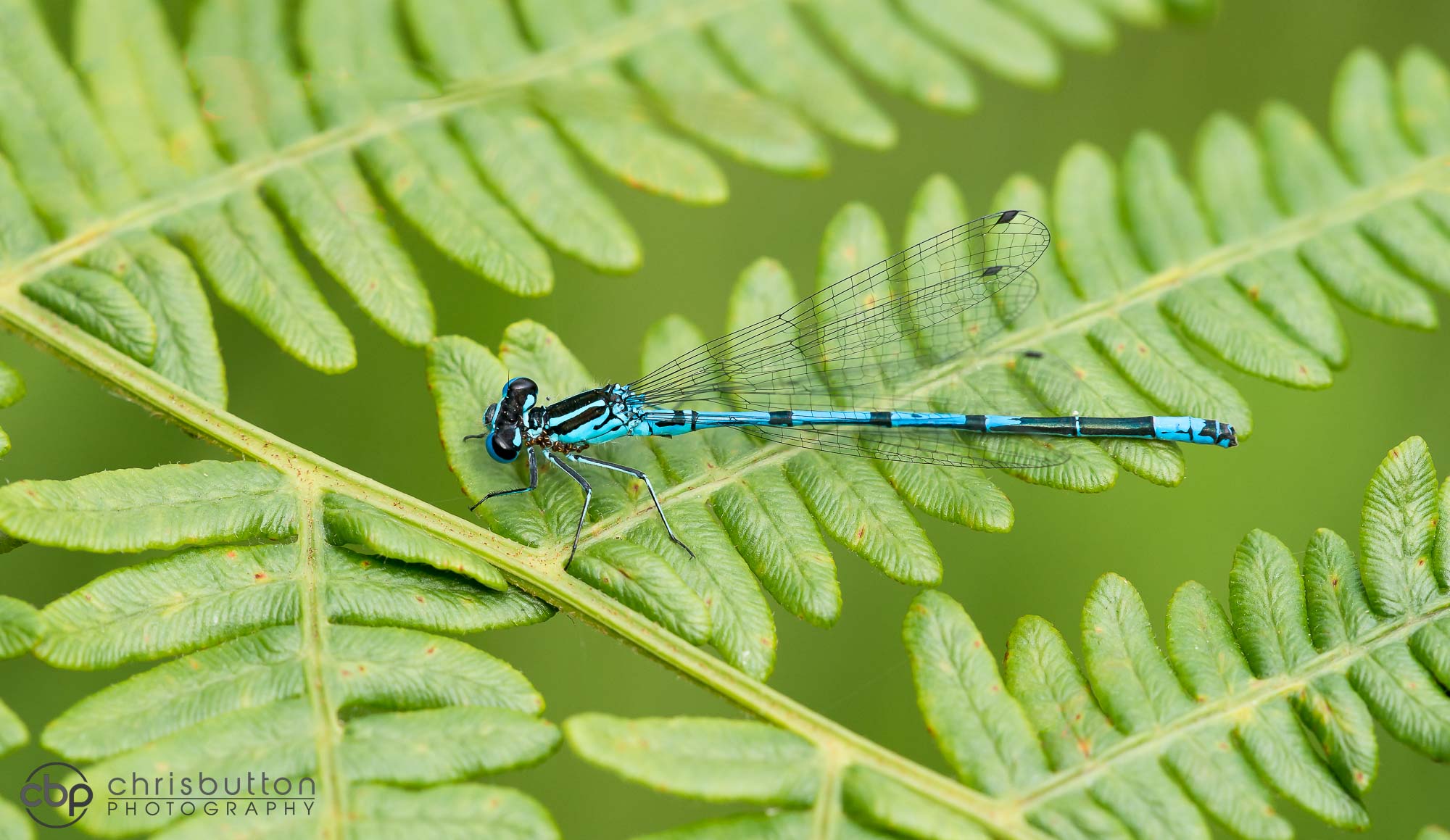
Azure Damselfly

The first Ruddy Darter appeared next to Shore Hide on the 25th, a lovely male showing the deep red colouration, waisted abdomen and black legs.
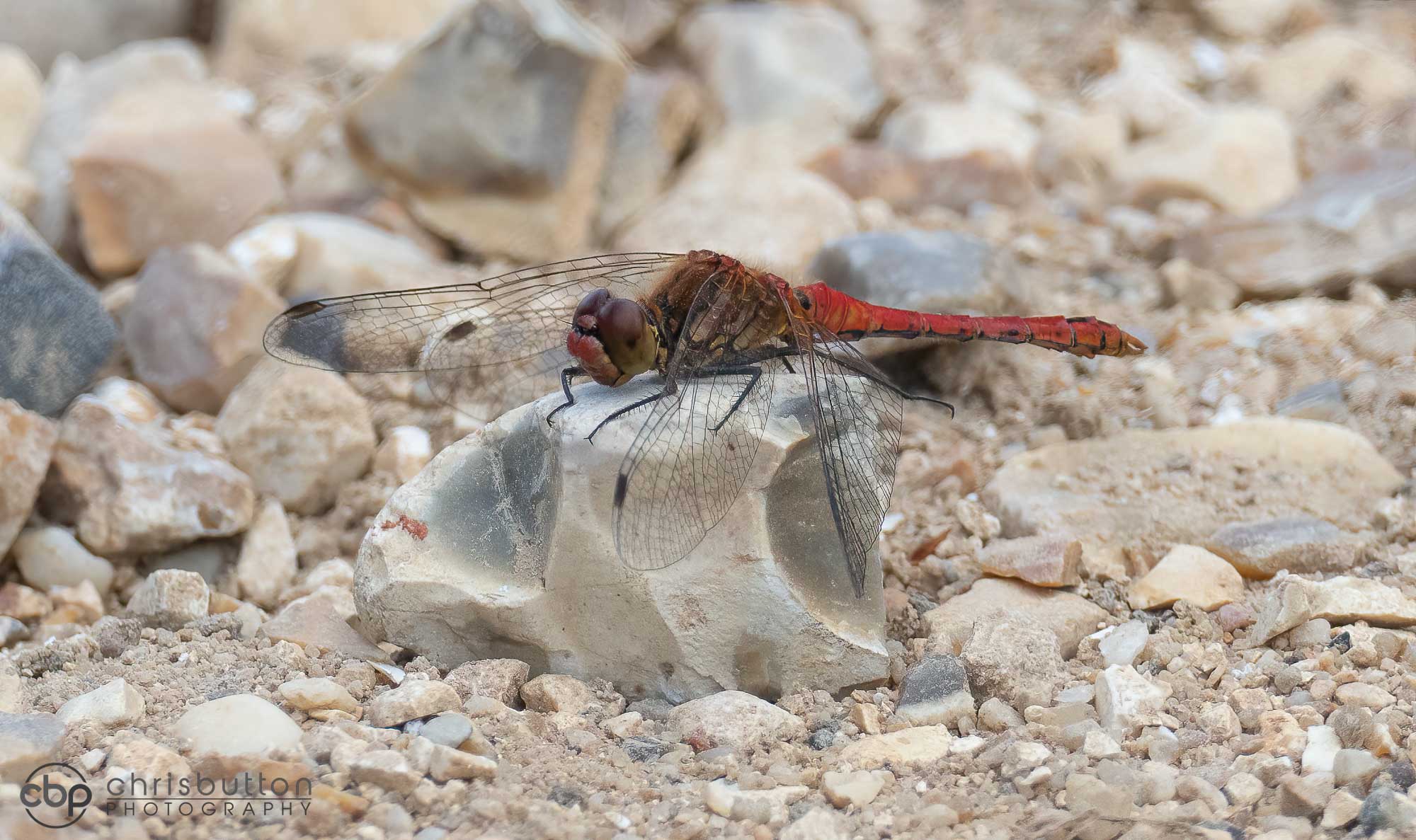
Ruddy Darter at Shore Hide

These were the only dragonfly species seen in June as Hairy Dragonflies had already finished by the end of May and we are still waiting for the first Emperors and Black-tailed Skimmers.

Painted Lady

The first Meadow Browns appeared on the 4th feeding on Corky-fruited Water Dropwort on the Flooded Fields. There were up to 100 around the reserve within a week. Painted Ladies were in good numbers in a warm spell mid-month and Marbled Whites appeared from the 23rd looking for thistles. Small Skipper also merged that day, on brambles near Thrift Corner.

Marbled White at Shore Hide

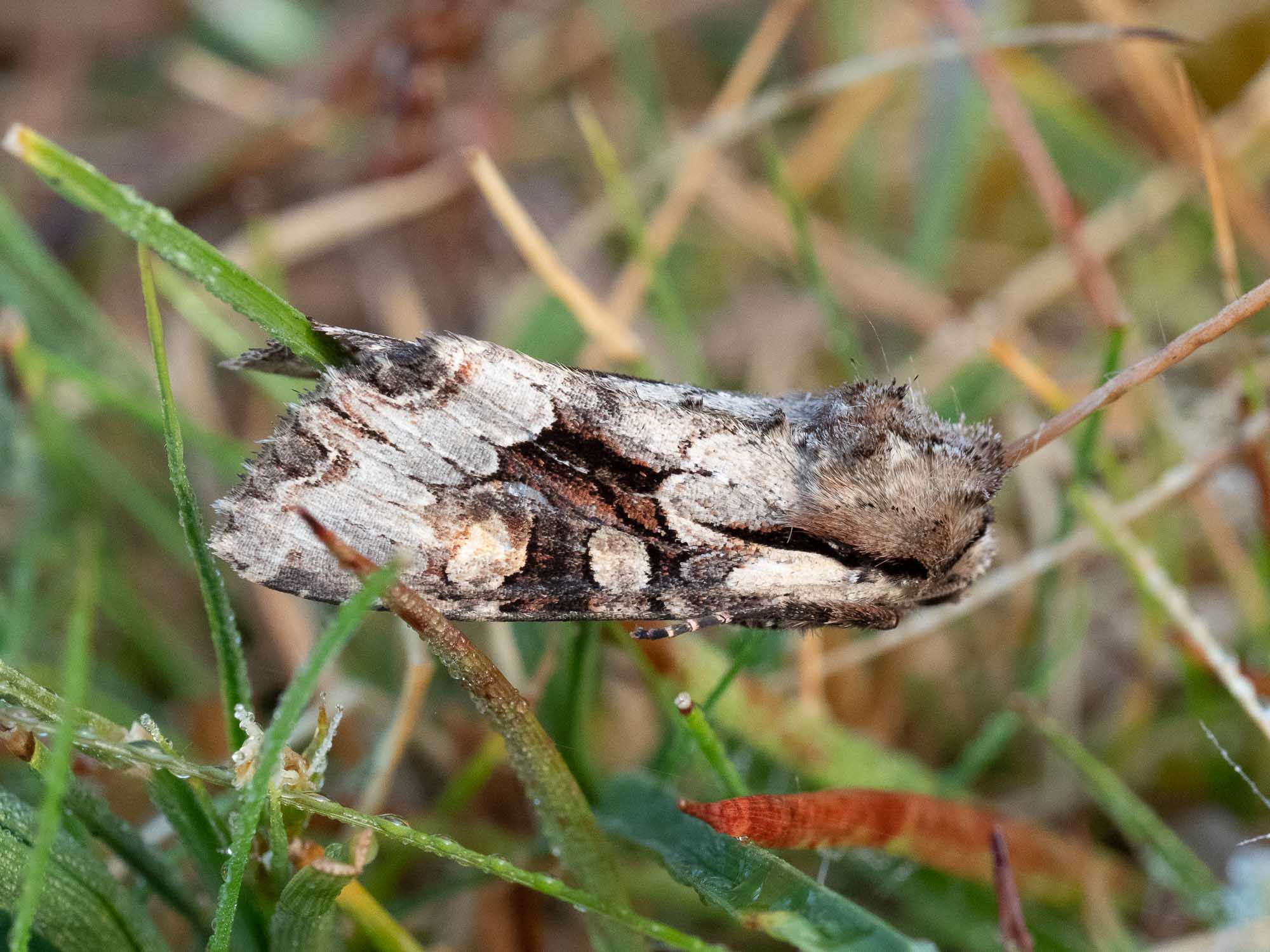
Interesting moths caught during the month included White Colon which had not previously been seen anywhere in Hampshire since 2017!
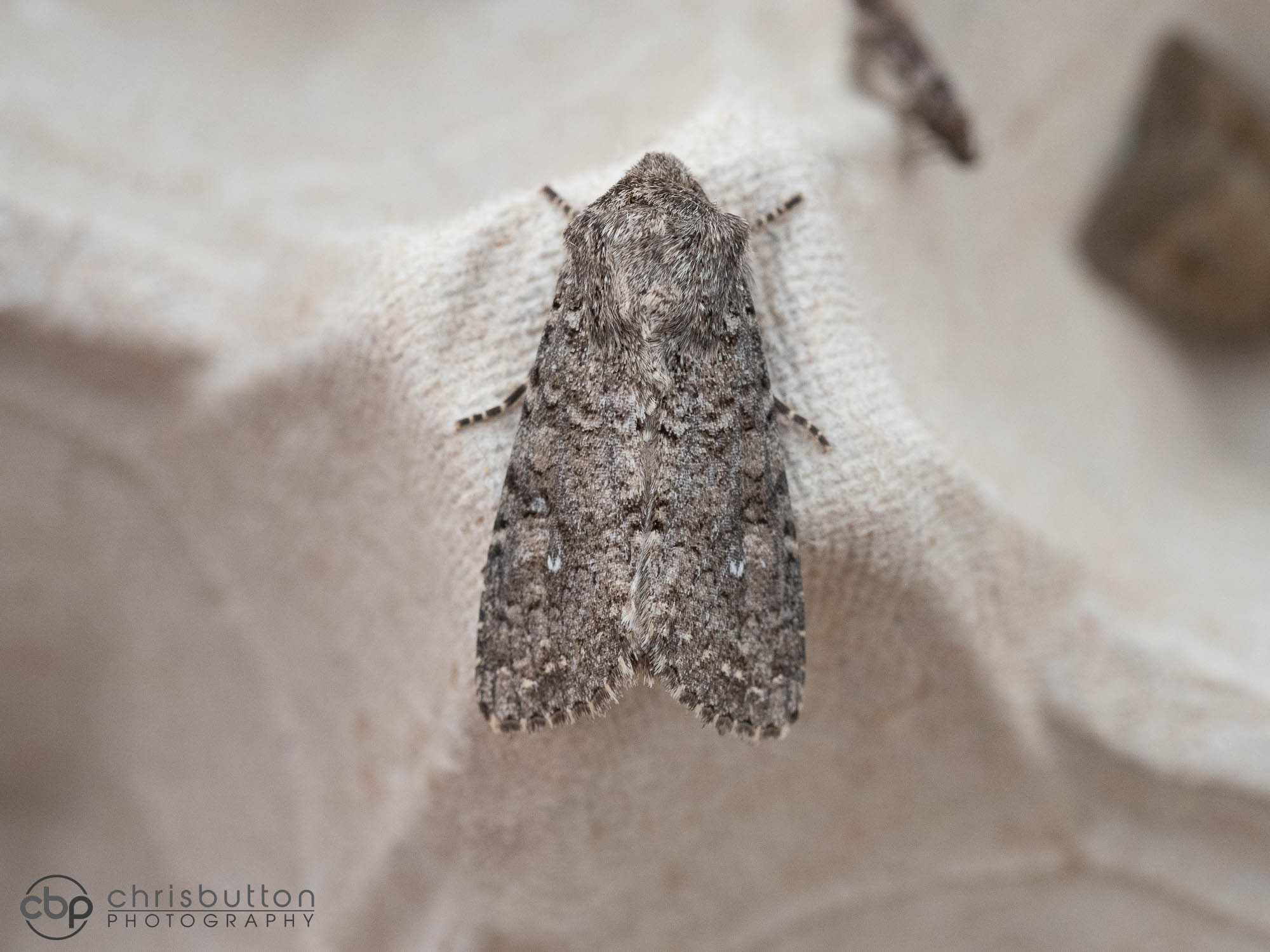
White Colon

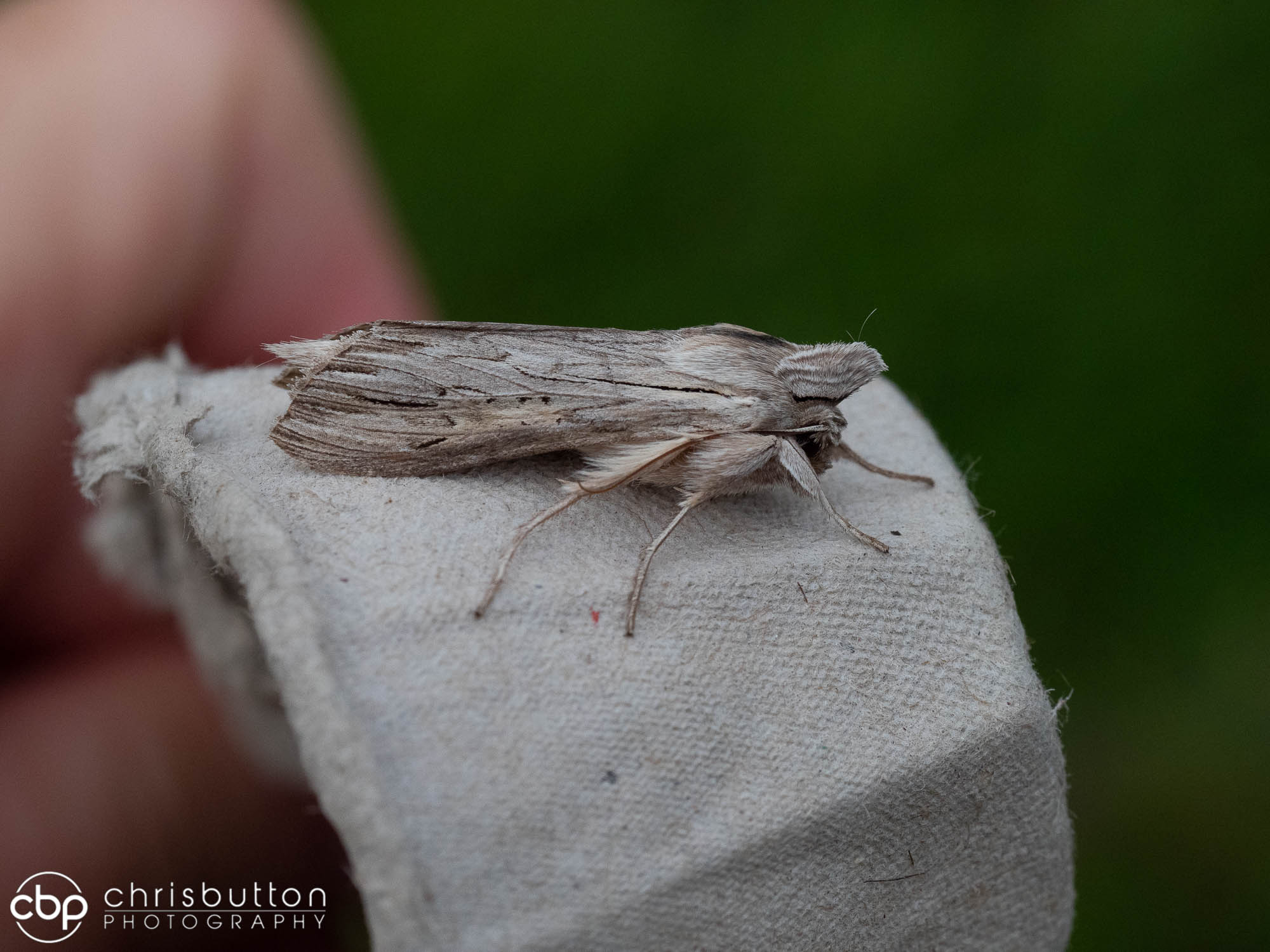
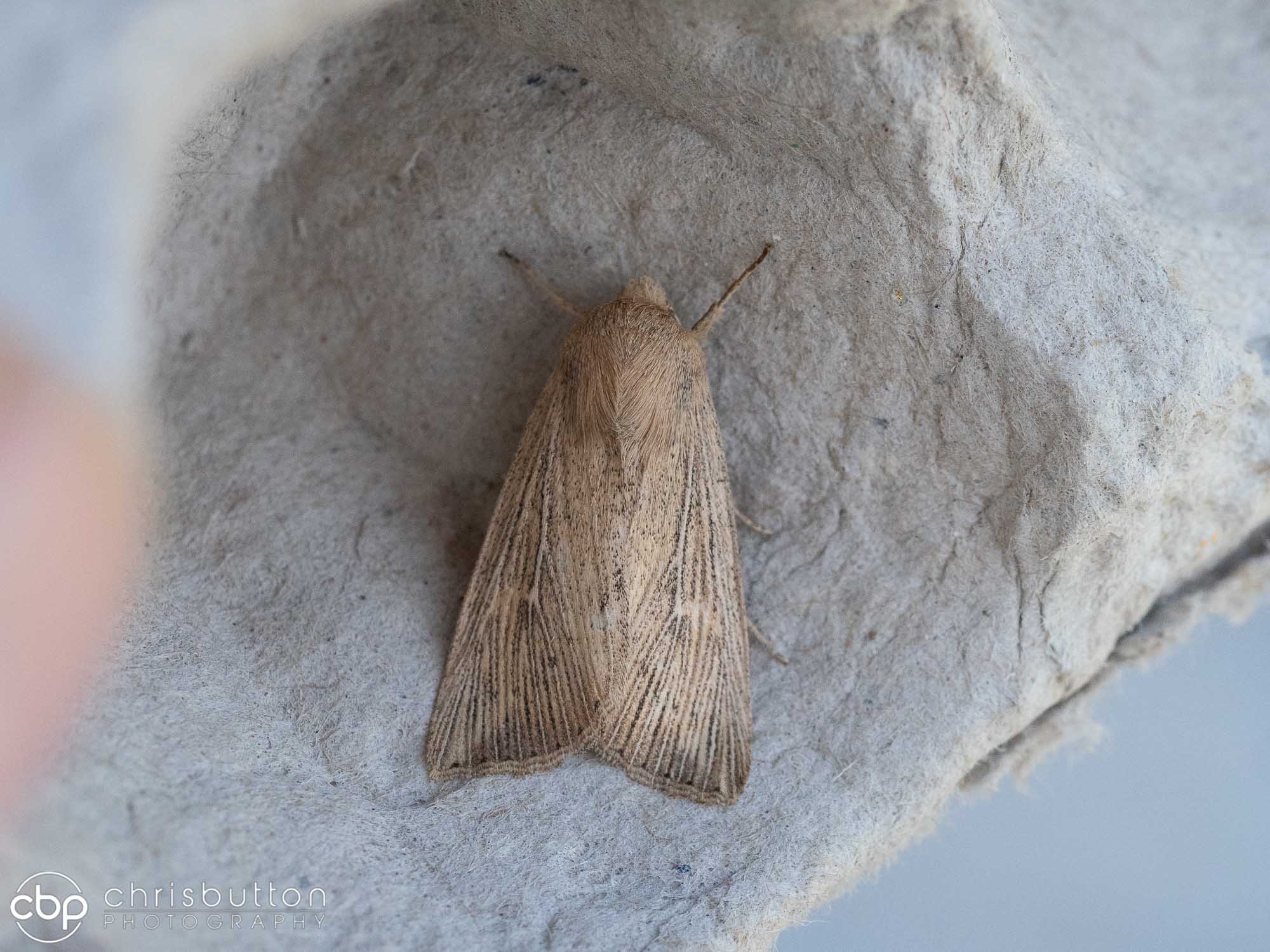
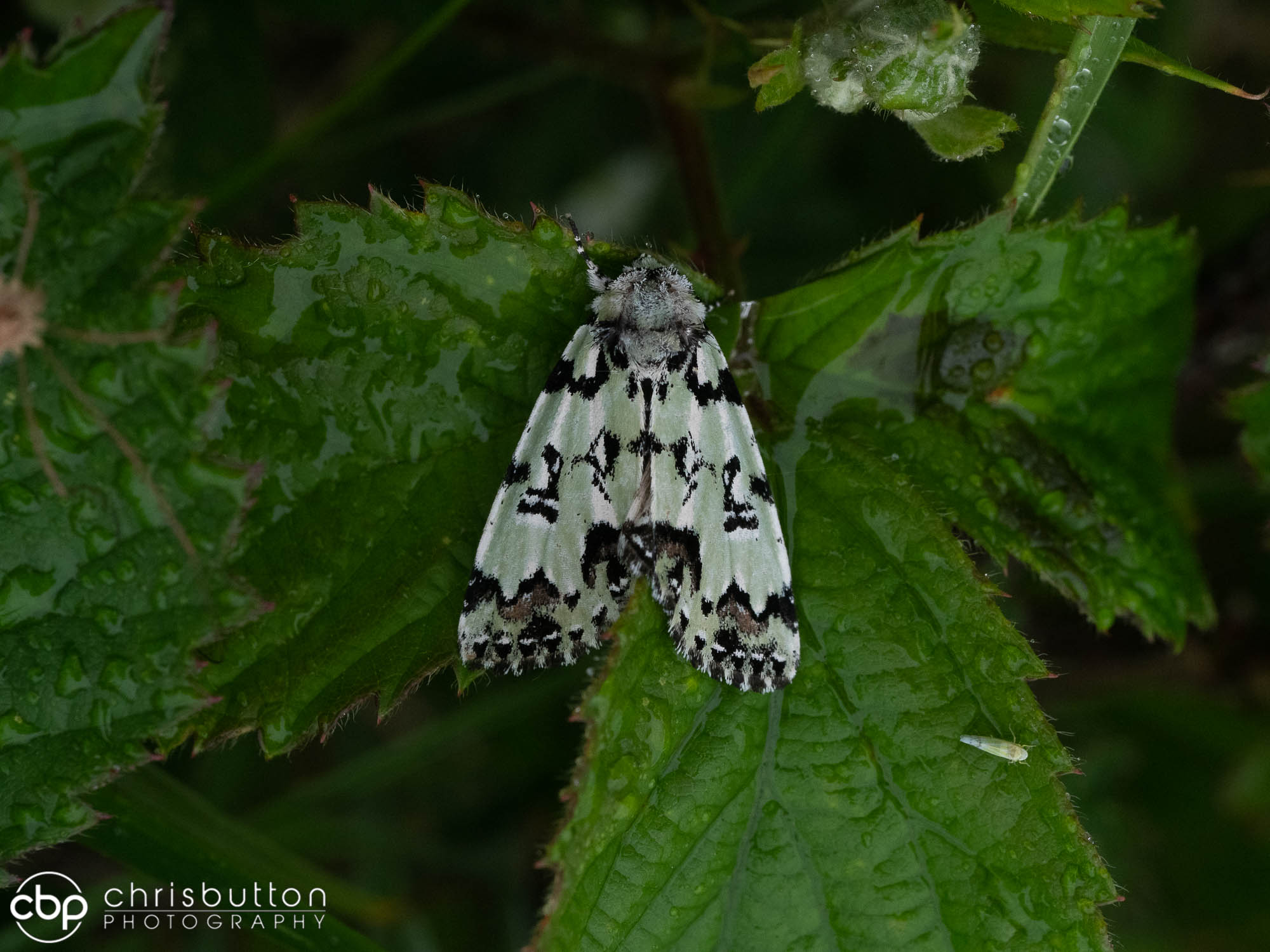
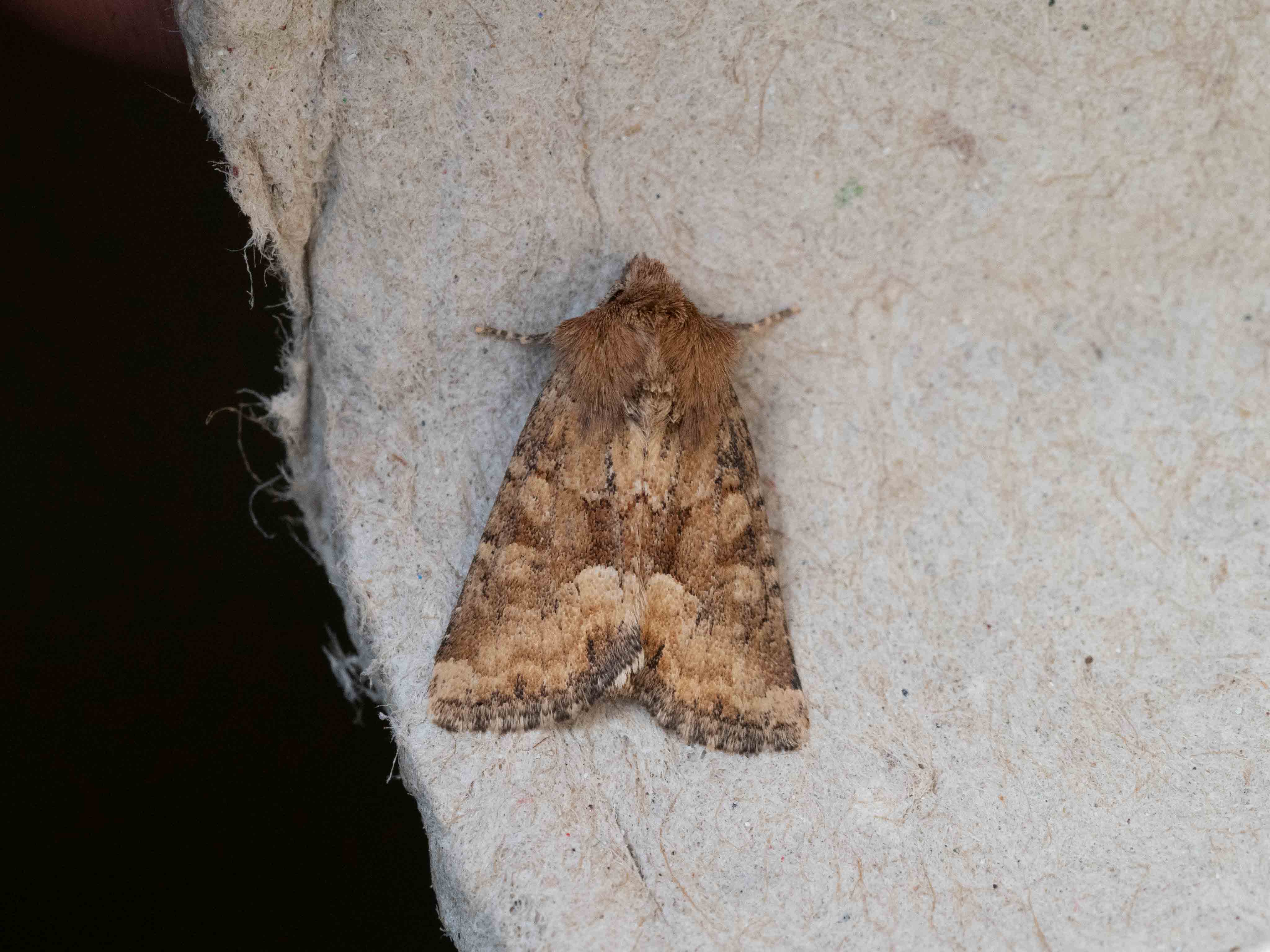
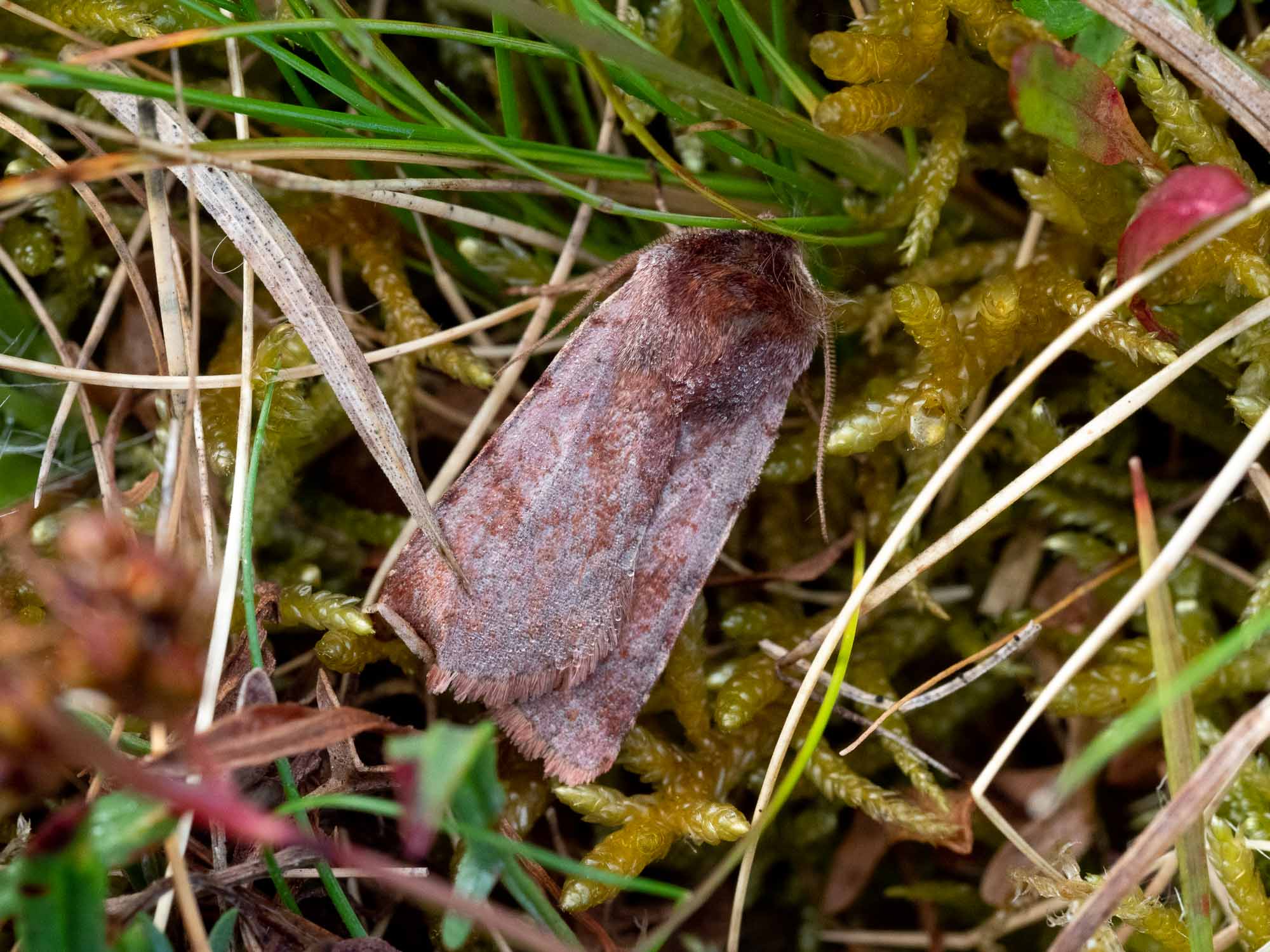
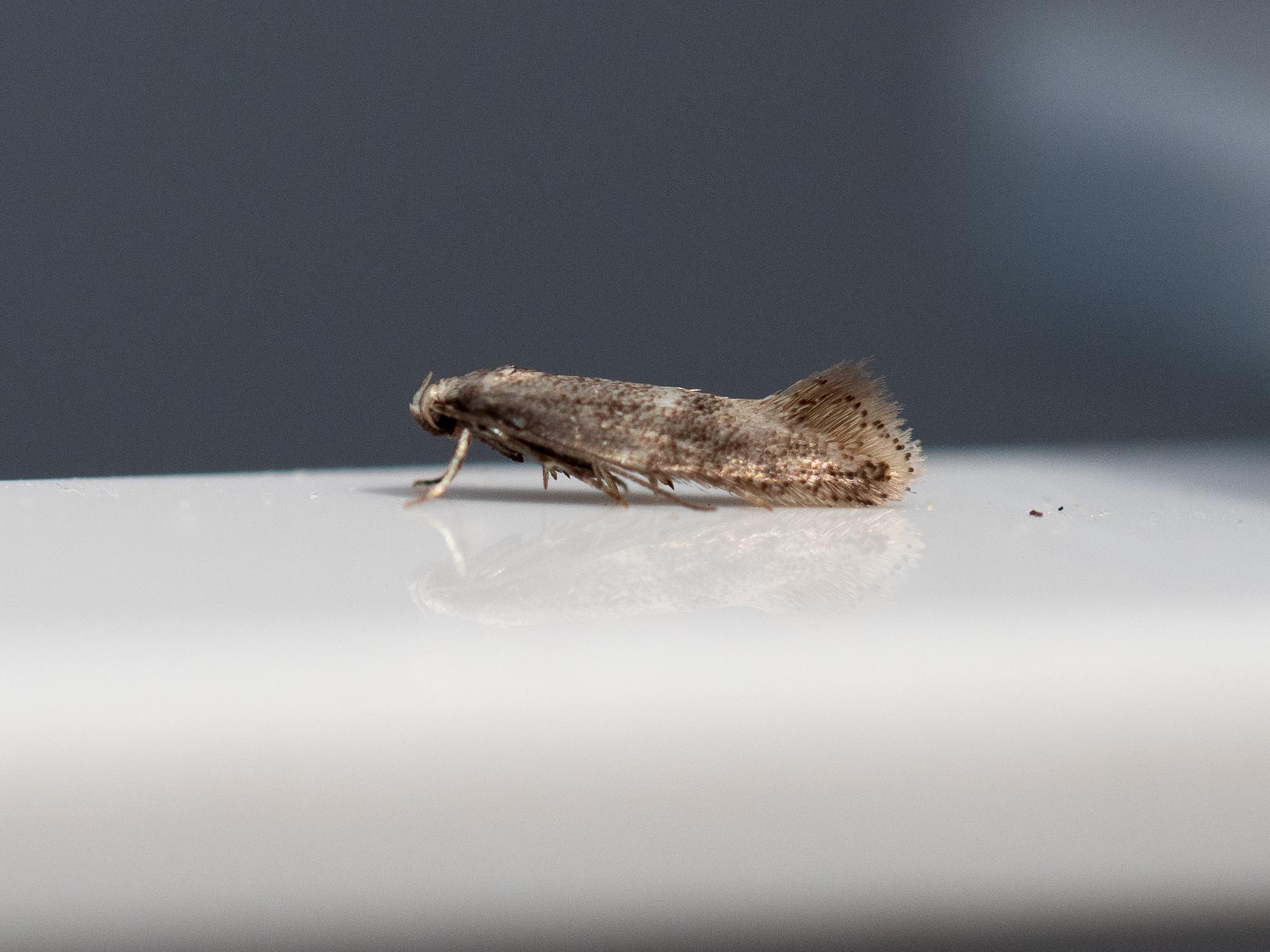
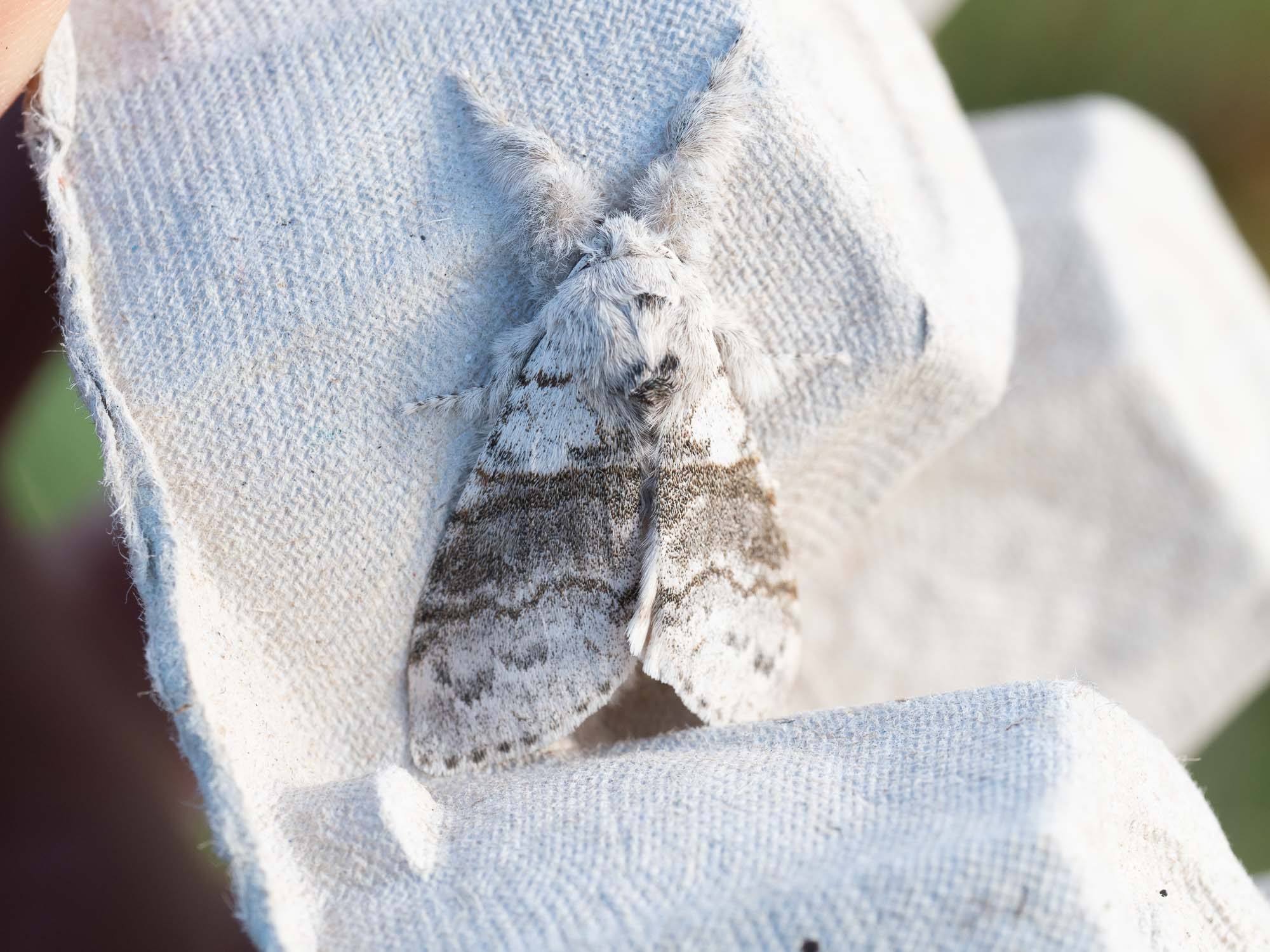
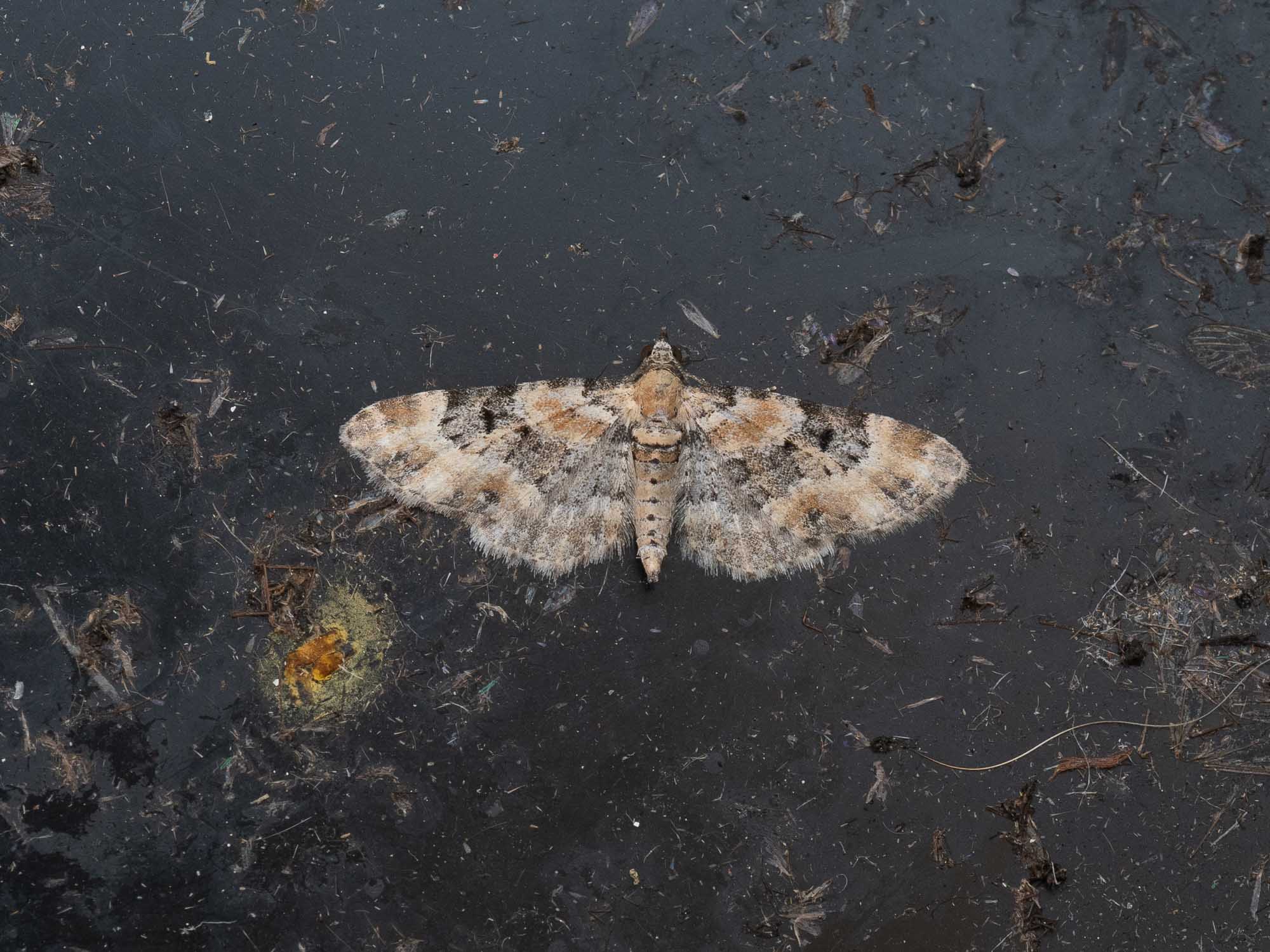
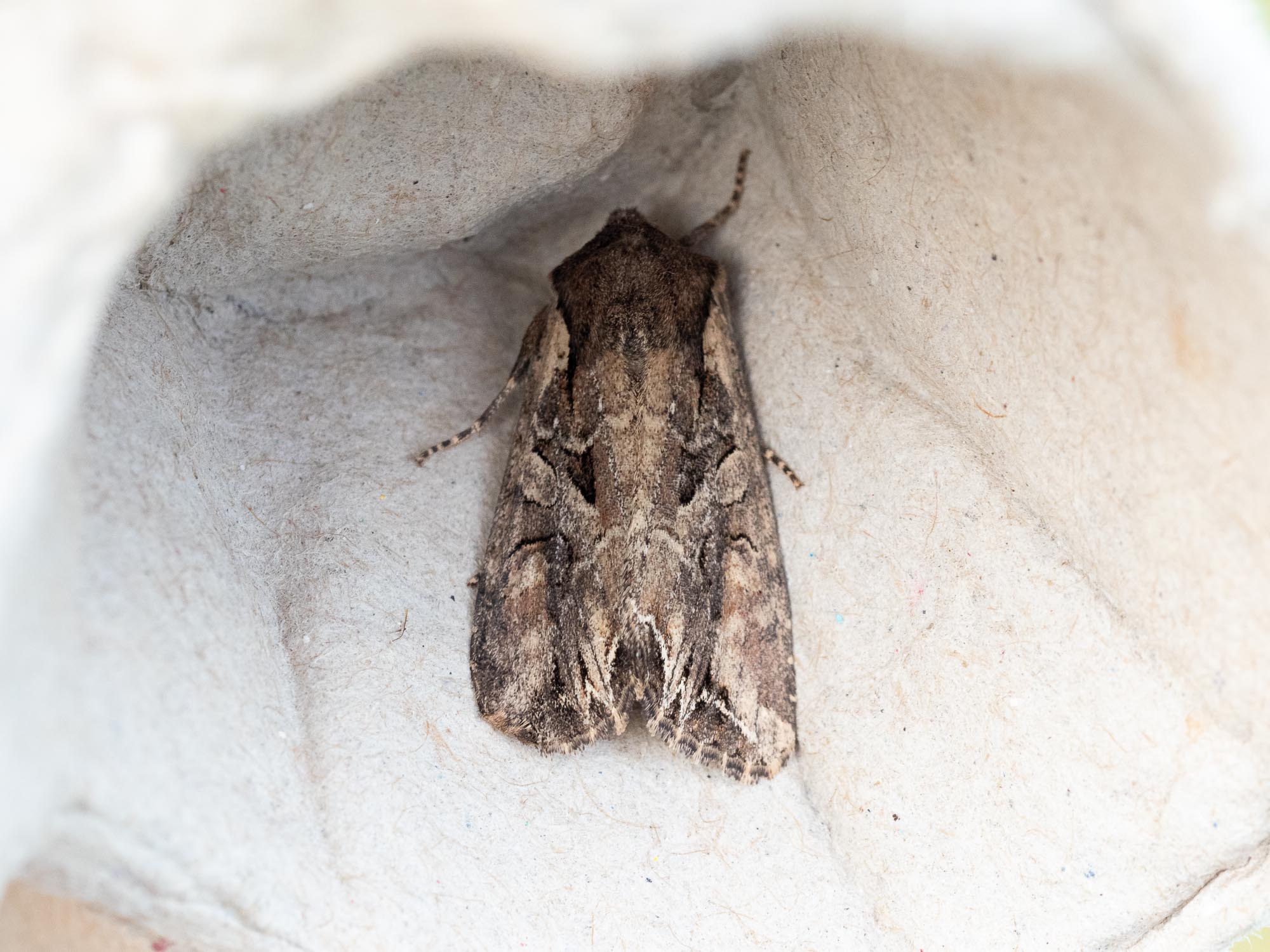
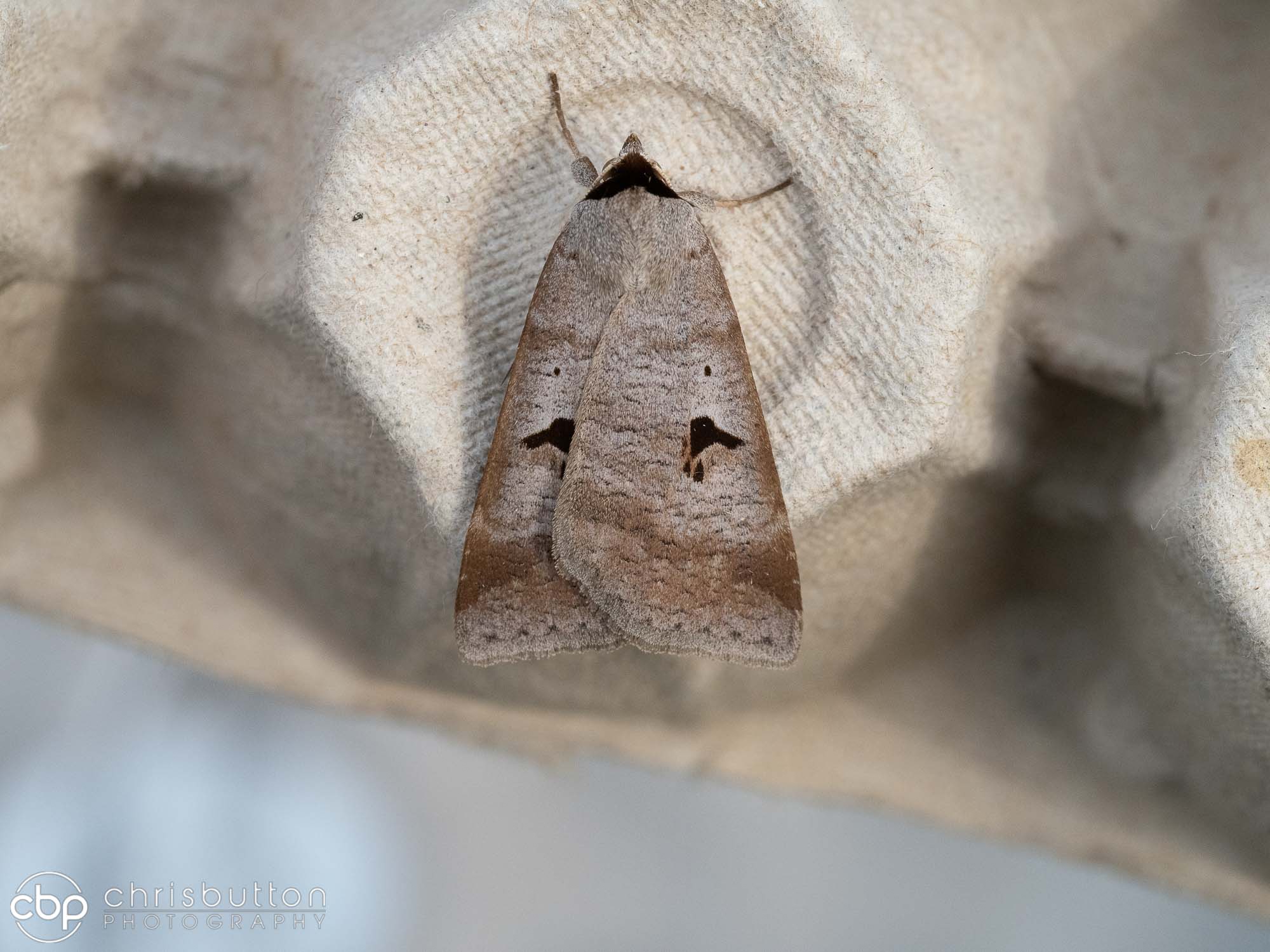
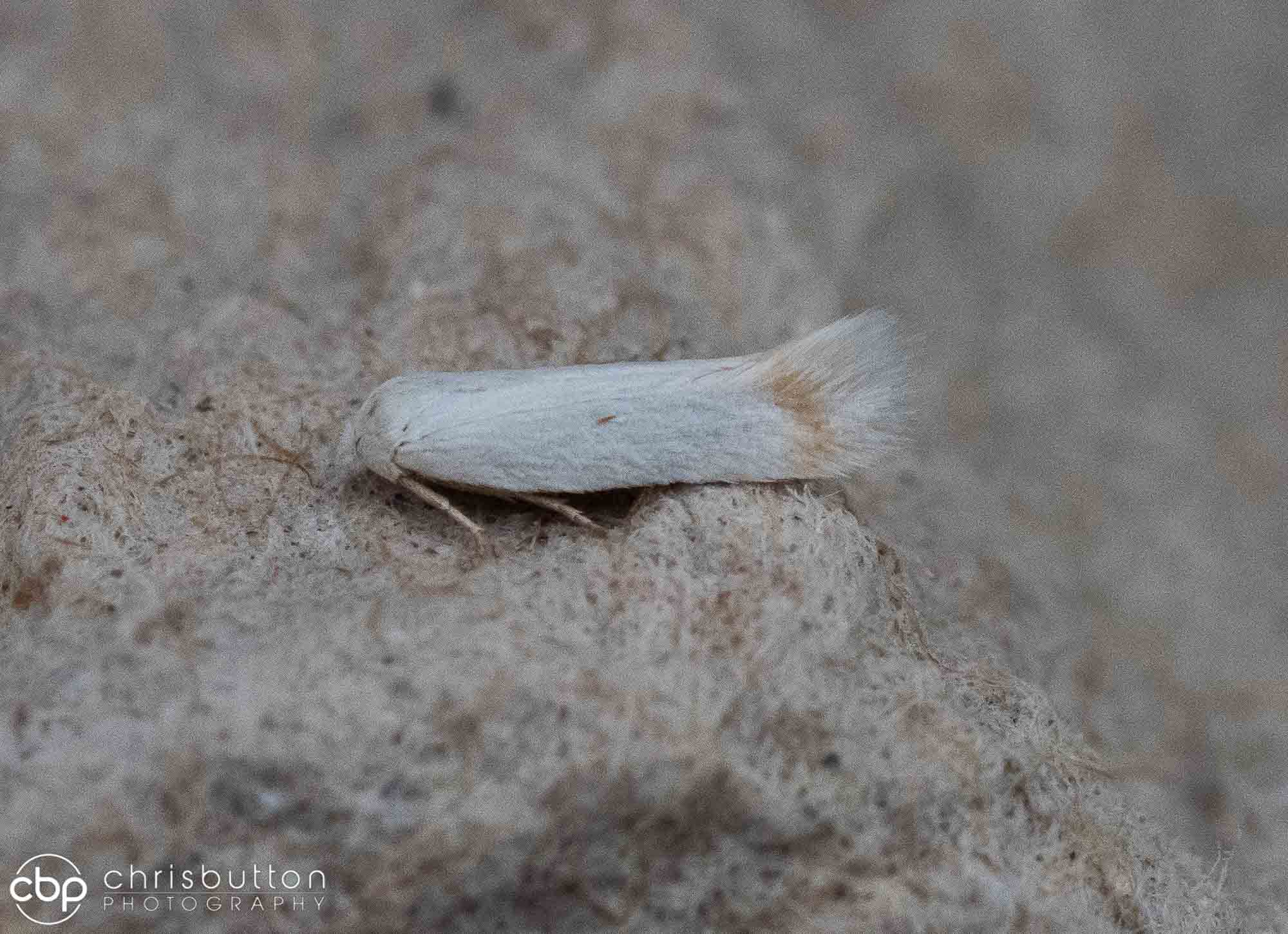
Also unusual with no more than 15 annual records in Hampshire were Anarsia spartiella, Lilac Beauty, Calybites phasianipennella, Silky Wainscot, Goat Moth, Shark, Hedya salicella, Obscure Wainscot, Blackneck, Scarce Merveille du Jour, Opostega salaciella, Platytes cerussella, Schoenibius gigantella and Rosy Wave. All 14 of these rarer moths are photographed and captioned below.
I managed to get another good recording of a potential Grey long-eared bat from Pullen Hide. The acoustic bat expert Jon Russ commented that, despite some overlap with Brown long-eared bat it certainly fits within the parameters and that it is a good candidate.
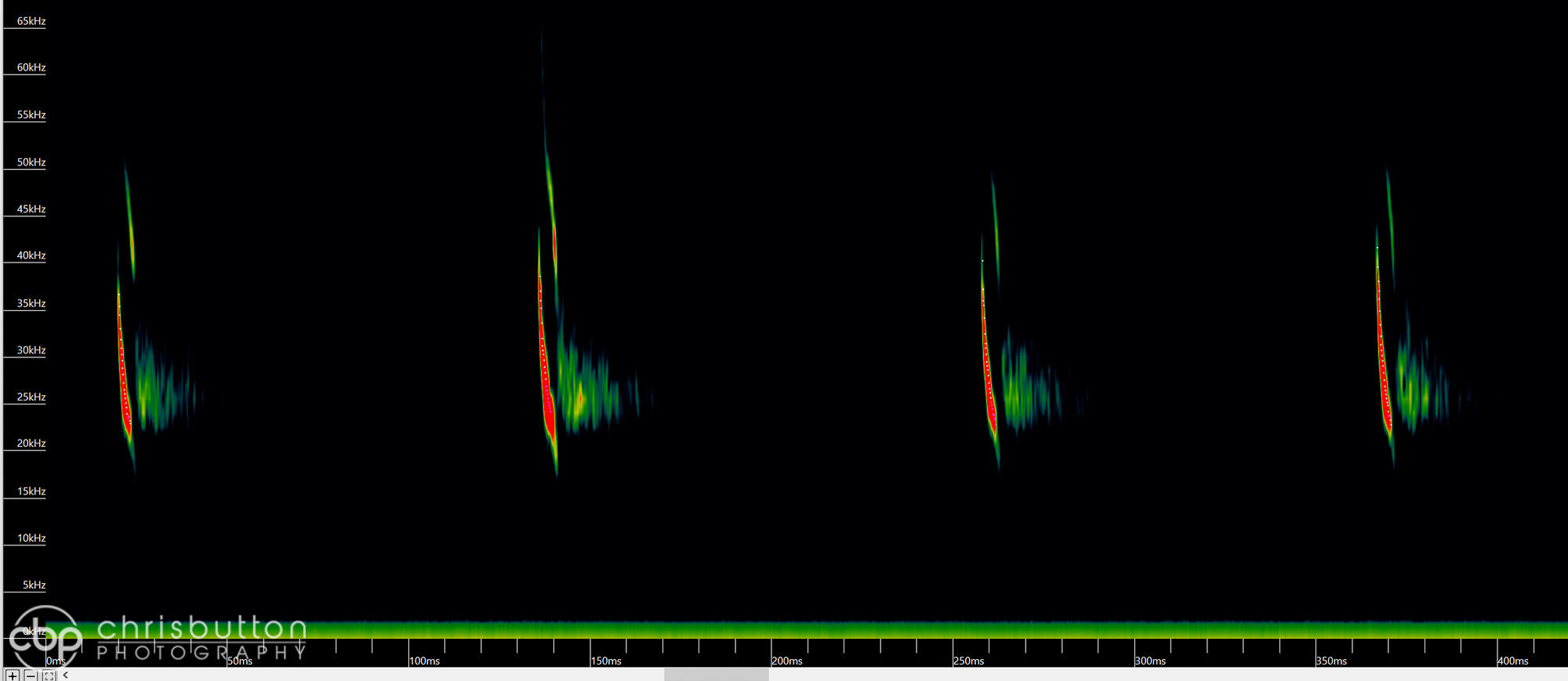
Grey long-eared bat

If I can narrow down the search and home in on a building then the next step is an emergence survey, with several people around it to locate the exit point(s). It does look like we have a small population of Grey long-eared bat on the reserve and DNA from droppings will clinch the ID.
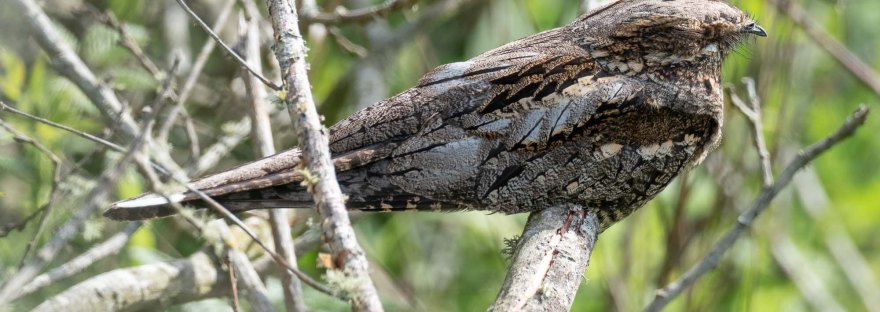
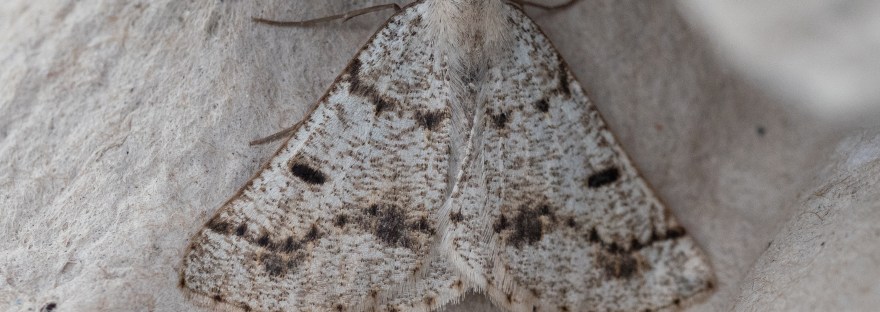
birds, Moth Traps

Moth Traps May 25th and 27th 2022

Moth traps on the 25th and 27th produced a combined nine new species for the reserve.
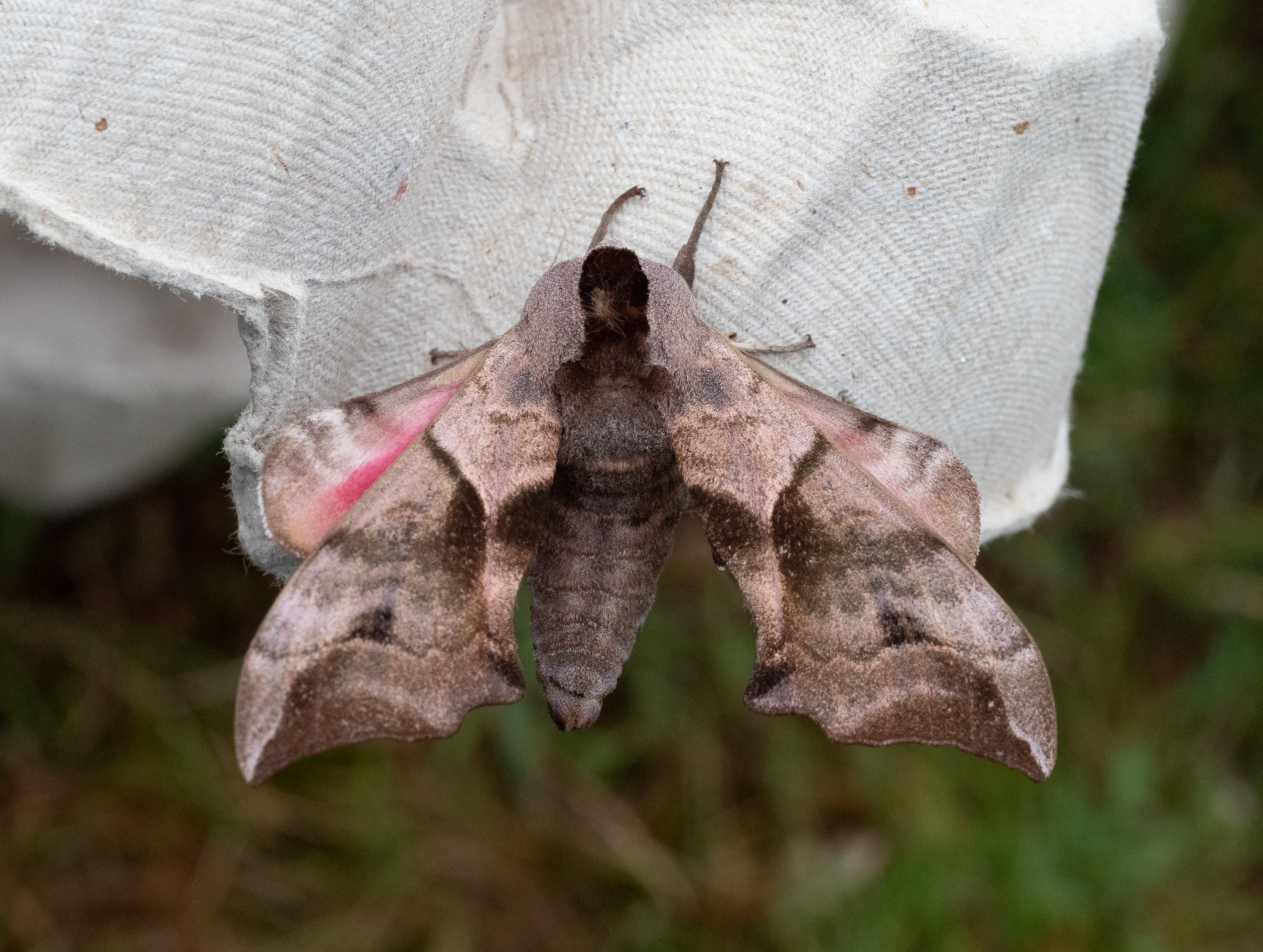
Grey Scalloped Bar, Clouded-bordered Brindle, Puss Moth, Middle-barred Minor, Schoenobius gigantella, Obscure Wainscot, Brown Silver-line, Mottled Pug and Eyed Hawk-moth. In four out of the last six years Grey Scalloped Bar has not been recorded by anyone anywhere in Hampshire.

And new moths for me included Dog’s Tooth, Common Swift, Cydia ulicetana, Silky Wainscot and Shears.

April 2022, birds, Spring 2022

May 6th to 17th 2022

On the 6th May Ian and I attempted to break the day list record for Needs Ore which was previously 101 species. We spent well over 12 hours in the field and managed 104 species.

A real highlight was picking up an Osprey as it flew up the Beaulieu River, we were sea watching at the time from Mary Monts and so we were a mile away. Other interesting birds included Arctic Skua, Nightjar, Barn Owl, Little Owl, Common Sandpiper, Firecrest, Little Ringed Plover, Dartford Warbler and Red-throated Diver. The Nightjar was still churring at 4:45am and I managed a very short bit of video on the thermal camera. 

Nightjar

Conspicuous misses included Marsh Tit, Coal Tit, Eider, Common Scoter, Sanderling, Little Tern, Swift, Red-legged Partridge and Hobby.

After a gap in Wheatear sightings I saw a flurry of individuals with ten more birds, four at Wheatear Corner on separate days and further individuals at the Sailing Club on three occasions, Gull Island, Venner Island and Park Shore.

Wheatear

A Common Sandpiper on the groynes at LRP Beach was a surprise and what was probably a different bird was more than a mile away on Gins East a few hours later. This or another Common Sandpiper was then on one of the islands on Black Water on the 12th.

Common Sandpiper

A Red-throated Diver heading west was a bonus early in the week and Gannets lingered off shore on a couple of dates at the end of the week.

Whimbrel

The female Dartford Warbler was seen again, this time carrying what appeared to be either a faecal sac or a piece of egg shell. I couldn’t be sure given the distance but either way this would indicate chicks. I spent some time looking for them the next day but didn’t see or hear any activity which was surprising. At the end of the week, however, I saw the female again dropping into an area of bramble, immediately afterwards the male was seen carrying a caterpillar and I later saw the female carrying a faecal sac away. It’s great to confirm breeding again here, the first time in five years. Would be nice to find the nest but the pair have been almost totally silent since paring up which is unusual.

The Stonechat chicks fledged on the 7th May and we watched at least four of the five young birds being fed by the parents. I also watched a female Stonechat feeding chicks in Mary Mont’s garden.

juvenile Stonechat

After quite a few hours of sea watching this spring I finally caught up with a pale phase Arctic Skua heading east chasing a Common Tern. Three Little Terns headed west at the end of the week, these are birds that probably breed at Lymington. There are areas of suitable shingle on Warren Shore but no interest from the Little Terns.  

Bar-tailed Godwit photo by Ian Williamson

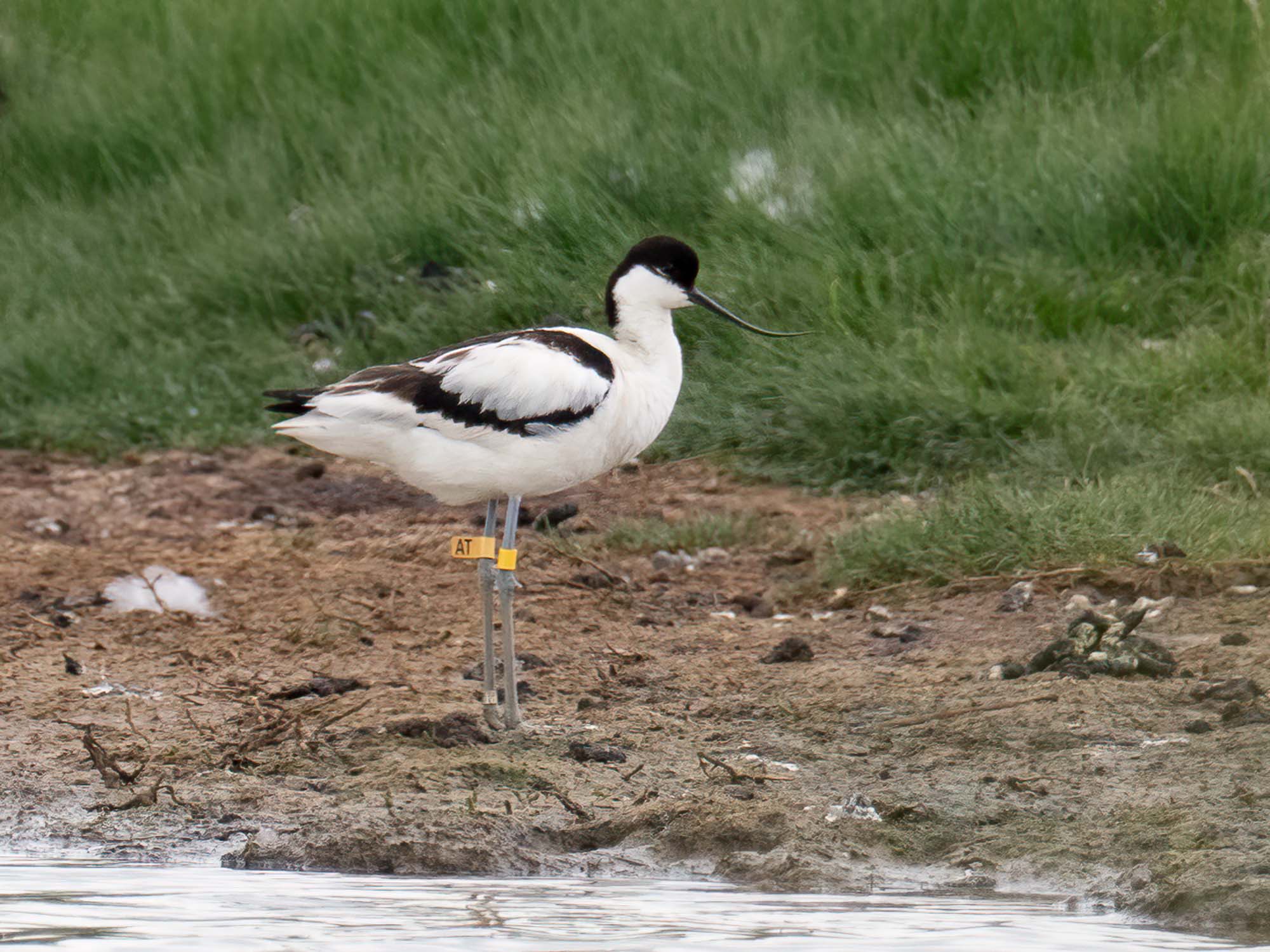
On Great Marsh Avocet ‘AT’ has returned, it’s the first time it has been seen at Needs Ore since it was ringed here in June 2018. In June 2020 it was seen near Cherbourg in France and in July 2021 it was photographed with chicks at Titchfield Haven.

Avocet AT

Avocet ‘VK’ was also present on De L’Orne nest scraping. It was ringed as a chick at Needs Ore in 2019 and so this is the first year that it may breed. It has only been seen once before, at Pennington in autumn 2019.

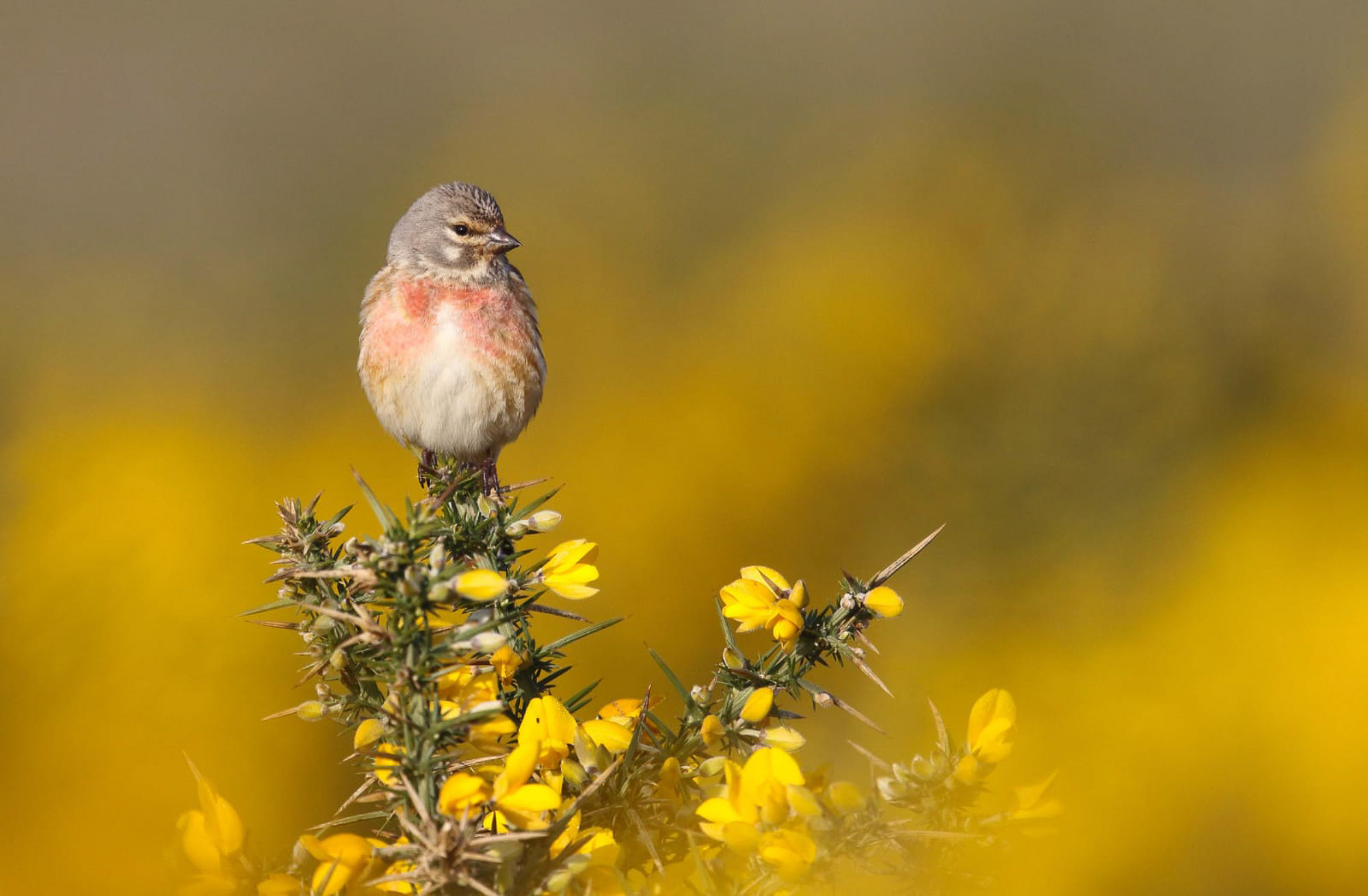
Linnet photo by Ian Williamson

A quick check on the three Linnet nests I’ve found – the first had been predated probably by a small mammal, the second had very young chicks and the third had the female still incubating.

female Linnet incubating photo by Dimitri Moore

My first Swift of the year was seen coming in off the sea early in the week. As I walked the breeding bird transect over on Great Marsh a Hobby drifted over. My camera failed to focus but Dimitri saw what was probably the same bird later in the day.

Hobby photo by Dimitri Moore

An impressive total of five Sedge Warblers were singing around the reserve during the week.

Sedge Warbler

A newly arrived drake Garganey was looking nervous on the 7th on Gins East. It soon flew off high with a female Teal and a female Gadwall. I later saw it again swimming around in the middle of Black Water, still looking skittish. This is the sixth different Garganey I’ve seen this spring. This new male wasn’t seen again.

Small Heath

Disappointing news was that the Little Ringed Plover nest appears to have been predated. The nest scrape was empty of eggs when I checked on the 6th May. We later saw the pair over on Gins East where they were sparring with another newly arrived male. The new male remained on Gins East for at least another 11 days, still looking for a female. The established pair became more elusive until I had great views on the 17th.

The male was very active nest scraping on a sandy section of the marsh near the water’s edge. He undertook four display flights while I was there and was contact calling and singing regularly. At first I couldn’t see the female and wondered if she had left or if this was a new male but she was there all along watching nearby. Will be brilliant if they try again.

male Little Ringed Plover

There are now three young Spoonbills. The leg ring on one of these birds reveals that it was ringed as a juvenile in the Netherlands last September. It moved to northern France in late October before relocating to Poole Harbour where it spent the winter. It then moved to Needs Ore in April.

2nd calendar year Spoonbill

I’ve seen quite a few male Reed Buntings singing with no sign of the female, in these cases she is probably on eggs nearby. I will keep an eye on these territories for adults carrying insect food items in the next few days.

Reed Bunting

There were seven 7 Brown Hare on the Crop Strip field, my biggest concentration in one place. Hairy Dragonflies were on the wing most days when the sun was out, I saw at least two or three each day and several of them stopped for photos.

Hairy Dragonfly

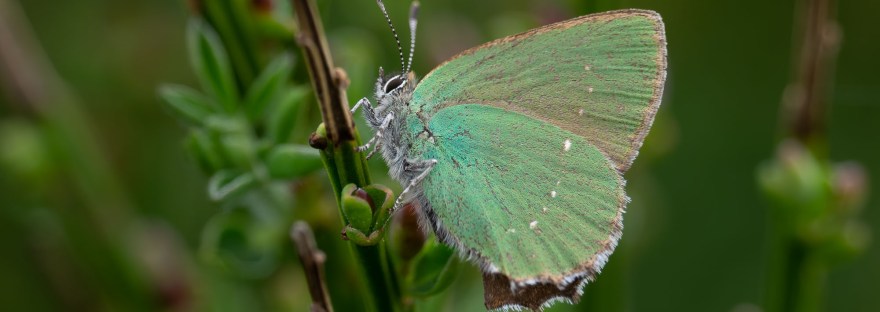
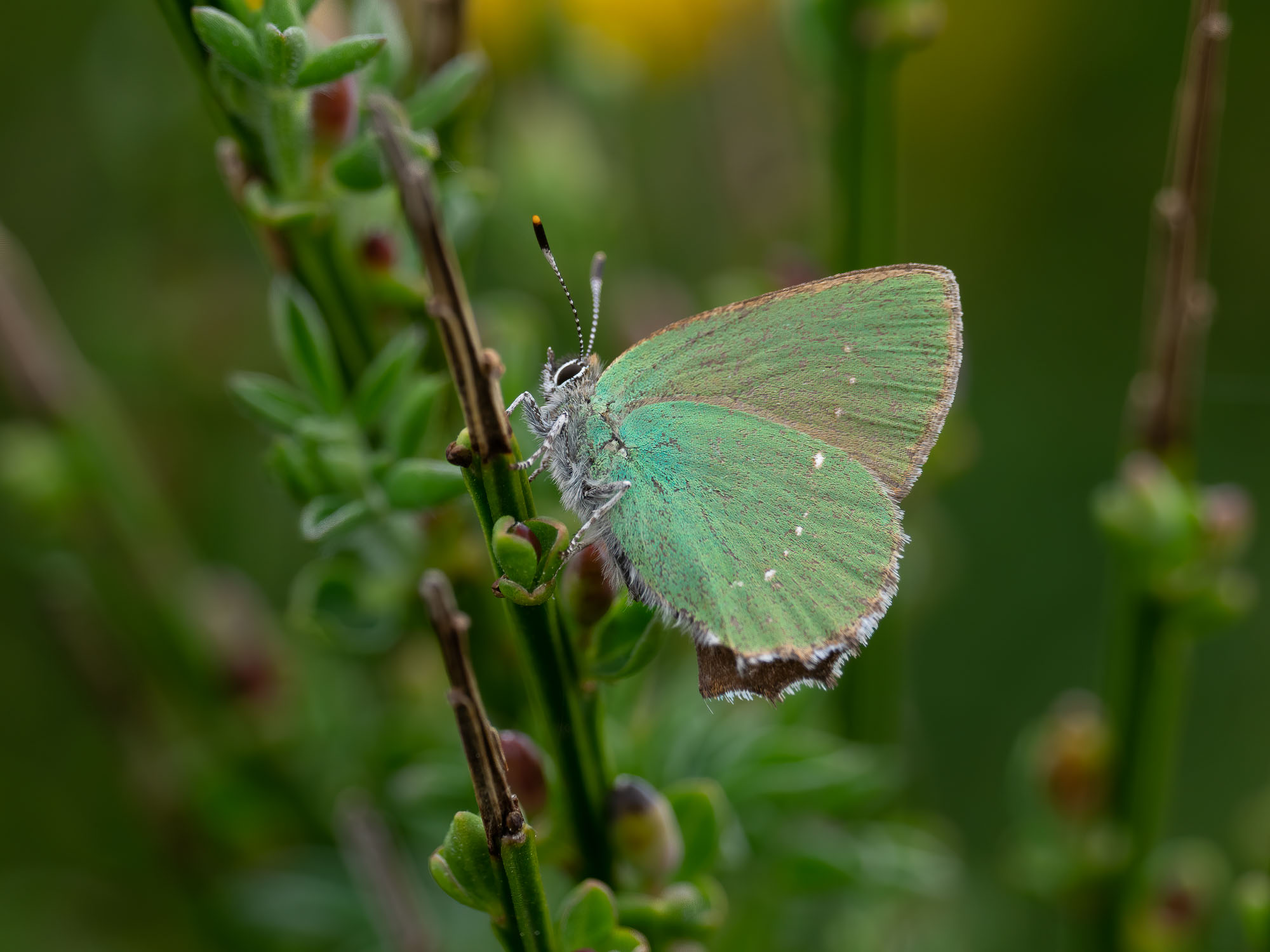
On Gravelly a lovely fresh Green Hairstreak looked great in soft overcast light. I saw at least ten others in sunny spells towards the end of the week all close to gorse bushes.

Green Hairstreak

Another butterfly patch tick at the end of the week, Green-veined White. It is probably under recorded as you need to seem them land and see the underside before you can ID them safely. Painted Ladies were in evidence in good numbers on the 17th on a warm southerly breeze although none stopped for a photo.

Common Terns were calling loudly over Great Marsh on several occasions but I don’t think they’ve plucked up the courage to try the rafts yet. Most of the Swallows I’ve seen so far this spring have been heading north and east in a determined way but I’ve now seen a few pairs who are clearly hanging around even collecting mud for nest building from the pools near Mary Monts.

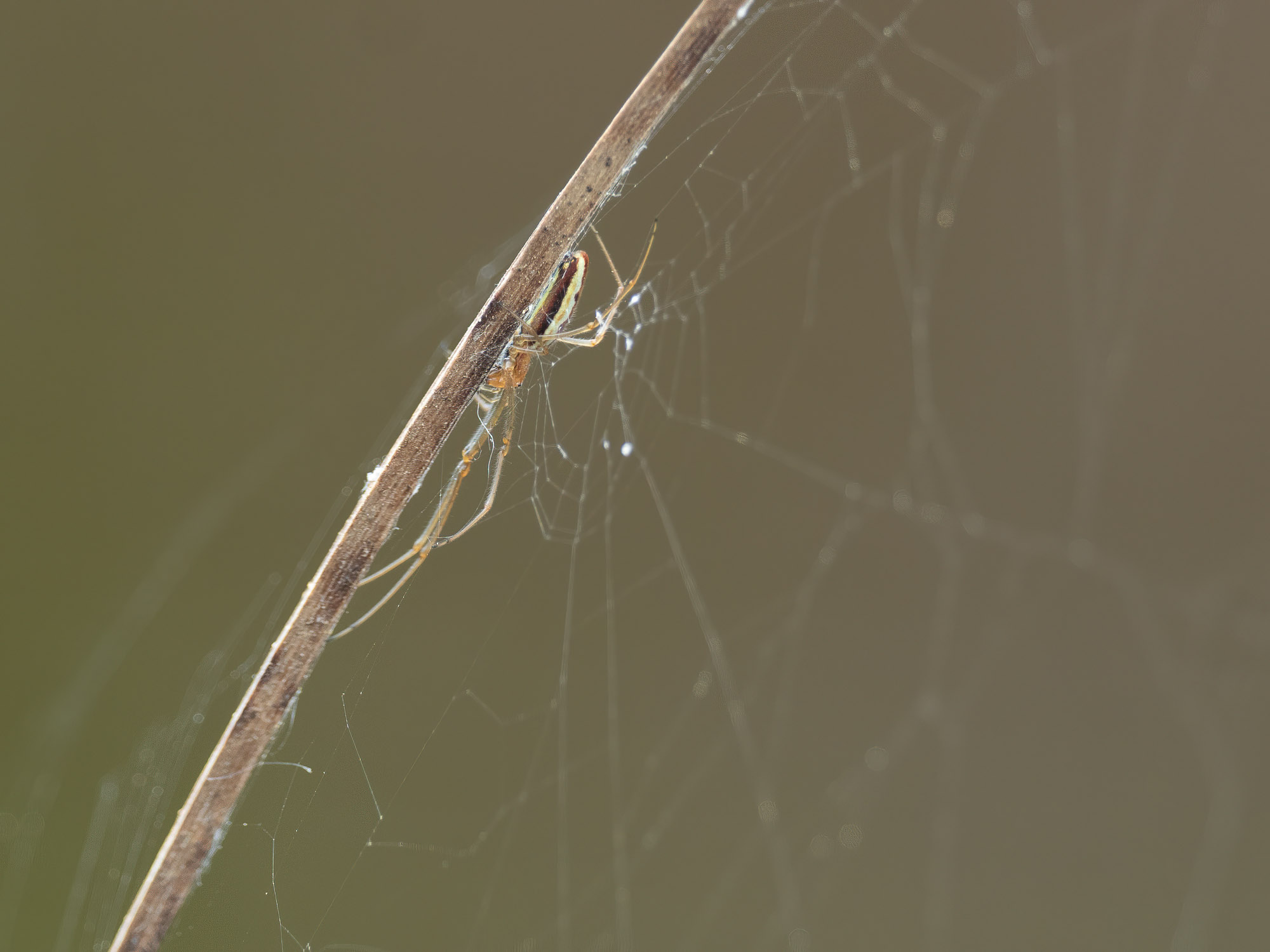
A Large-jawed Orb Weaver hung menacingly over Shore Hide Ditch as Blue-tailed Damselflies flew close by.

Large-jawed Orb Weaver

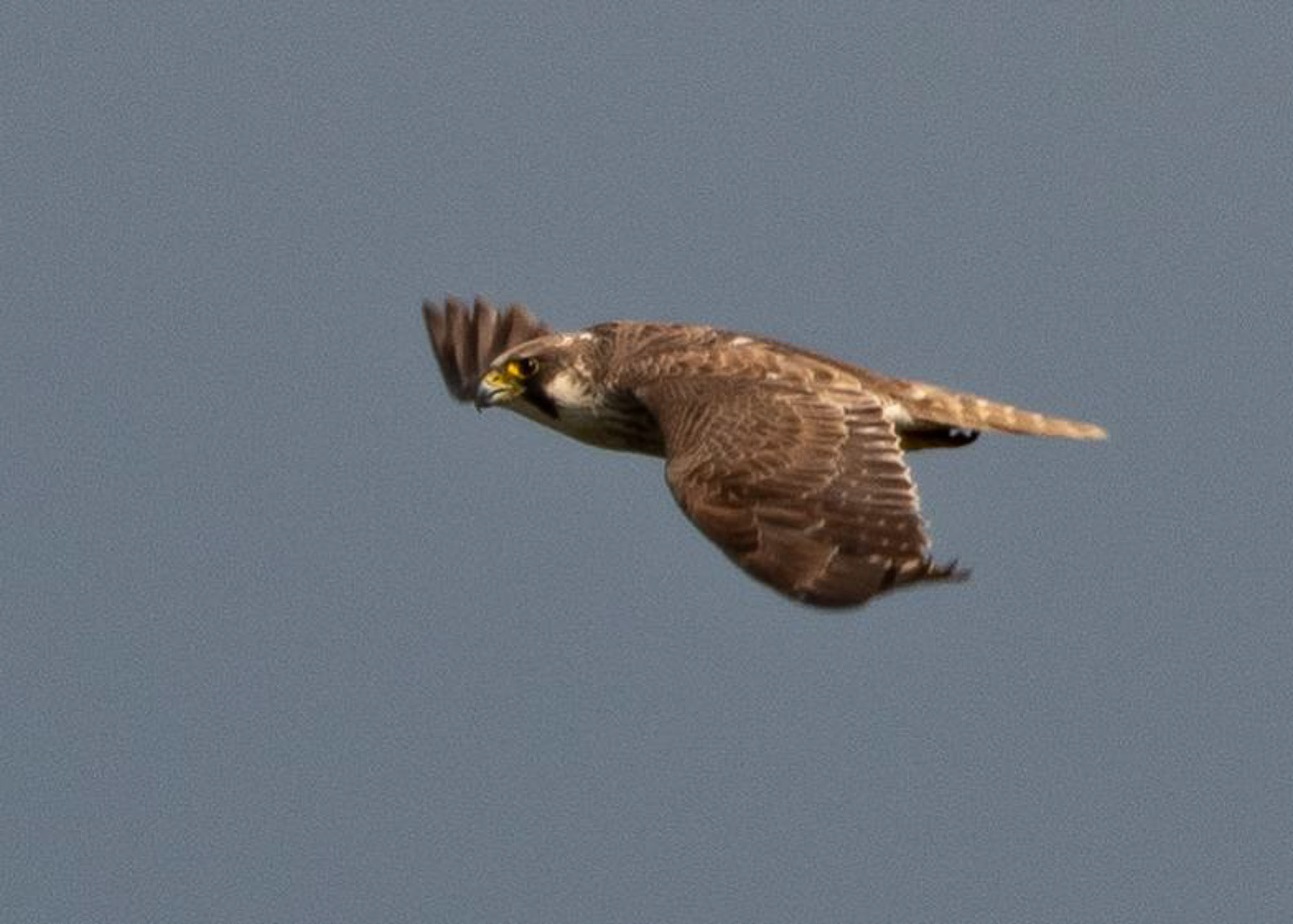
The female Peregrine dashed past while we were monitoring Gull Island and the male was close by. Things look positive for a breeding attempt next year, at 12 months old I think she was too young this year.

juvenile Peregrine photo by Dimitri Moore

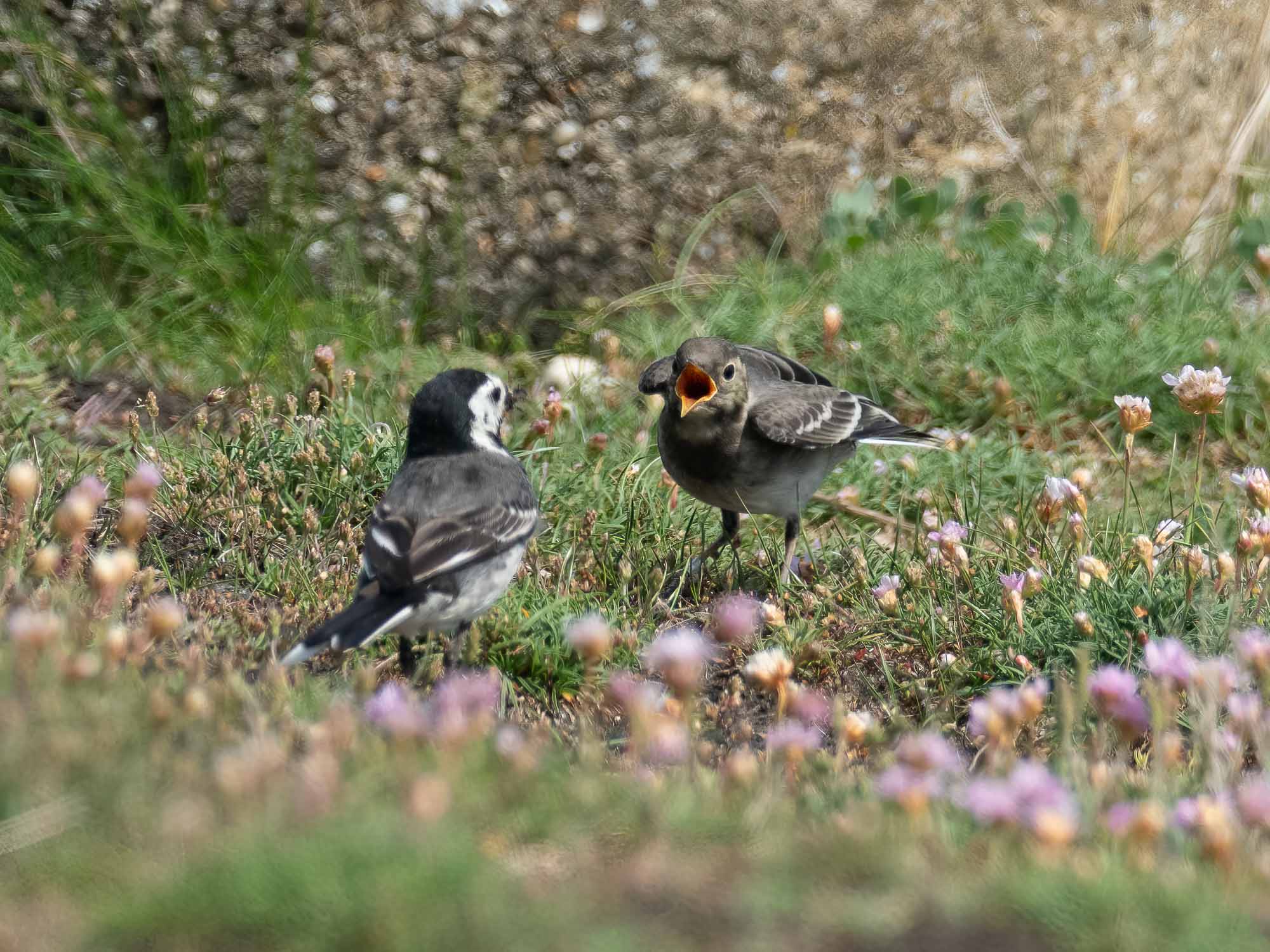
The Pied Wagtails from the Sailing Club Roof have recently fledged and it was great to catch one of the juveniles being fed by the female.  

Pied Wagtails

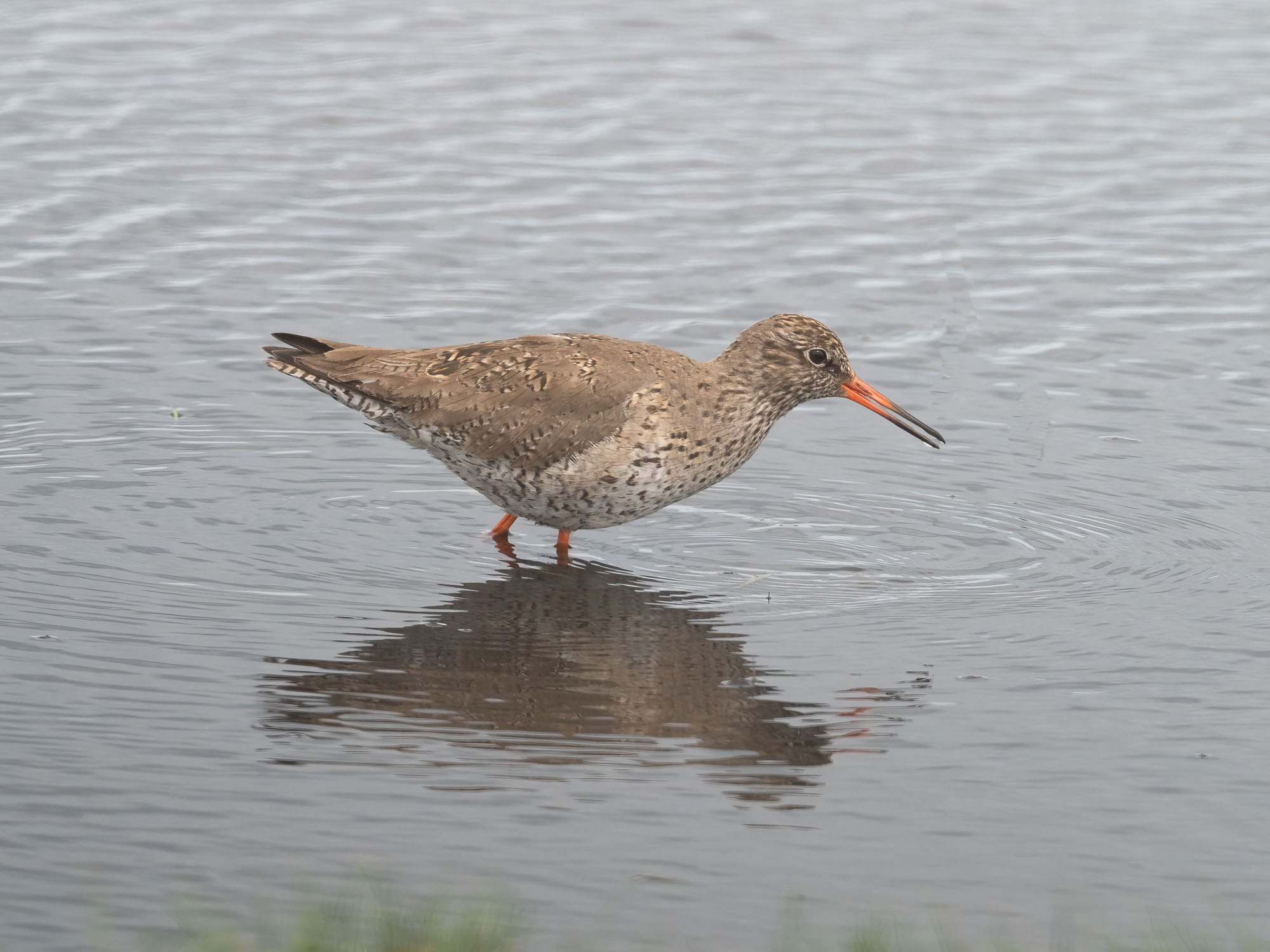
The breeding Redshank on my transect seem a little quiet at the moment. There is little display or agitation or nervousness which suggests that there aren’t any chicks yet or that the eggs aren’t quite ready to hatch. The average date for Redshank egg laying is the 1st May and so most Redshank pairs will be on eggs and they can go a little quiet in this period.

Redshank

In contrast Lapwings lay more than two weeks earlier around the 12th April and worryingly I have seen only one chick this year so far. I had seen 17 different Lapwing chicks by this time last year! Things improved slightly on the 17th when I had my first good Lapwing chick day with seven seen from two broods. The Avocets are also just starting to hatch with five chicks seen on De L’Orne from 14 sitting birds. There are another four sitting birds at Great Marsh.

At the end of the week I completed the breeding bird transect, once again, without seeing any Redshank chicks. There were, however, at least two pairs who appeared to have chicks or at least eggs just about to hatch as the adults were calling in an agitated manned from various fence posts. They tend to do this once the chicks hatch. Redshank chicks are fiendishly difficult to find so fingers crossed I have some success in the second half of May.

Redshank

At the Sailing Club one of the two Ringed Plover nests has been predated, probably within a week of hatching. There are also two Oystercatcher nests here. Ground nesting waders are particularly prone to disturbance in this area so it’s worth keeping an eye out.

Oystercatcher
Ringed Plover

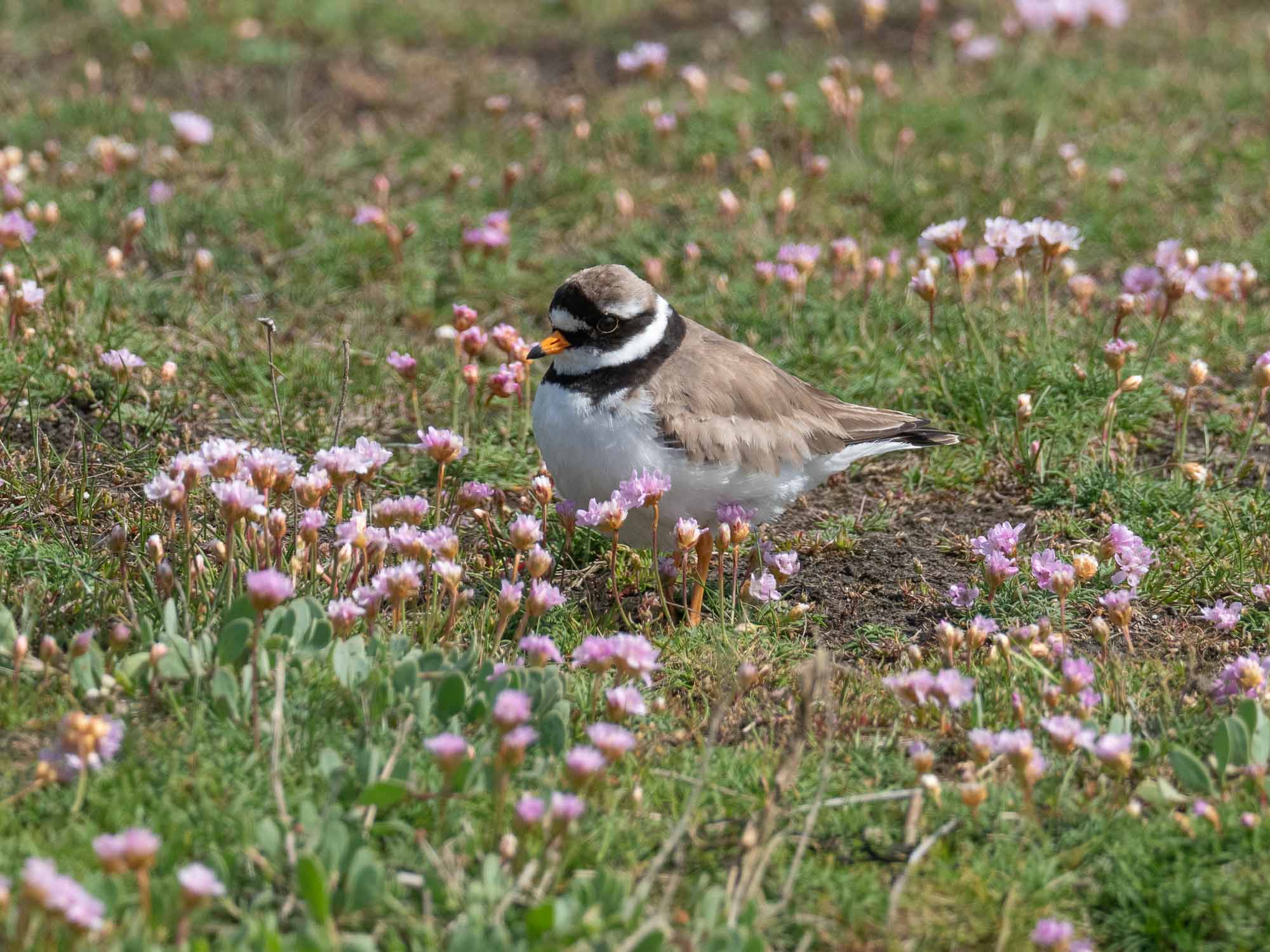
I joined Kate Jackman from RSPB to walk Warren Shore looking for Ringed Plover. We found 5 new nests and a total of 15 territories. Across the reserve there are now at least eight active nests. Kate monitors several other Ringed Plover sites on the Solent and after significant failures elsewhere Needs Ore has gone from being the prime site on the Solent to being virtually the only site on the Solent, very worrying. As usual disturbance and predation are the main pressures.

Ringed Plover photo by Dimitri Moore

Another benefit of the Ringed Plover walk with Kate was that I got to see up to 25 Sanderling using the shore to refuel. May seems to the main chance of seeing these lovely waders at Needs Ore. Some winter on the south coast and some winter in Namibia, both strategies seem to work. Breeding birds head to the High Arctic.

Sanderling

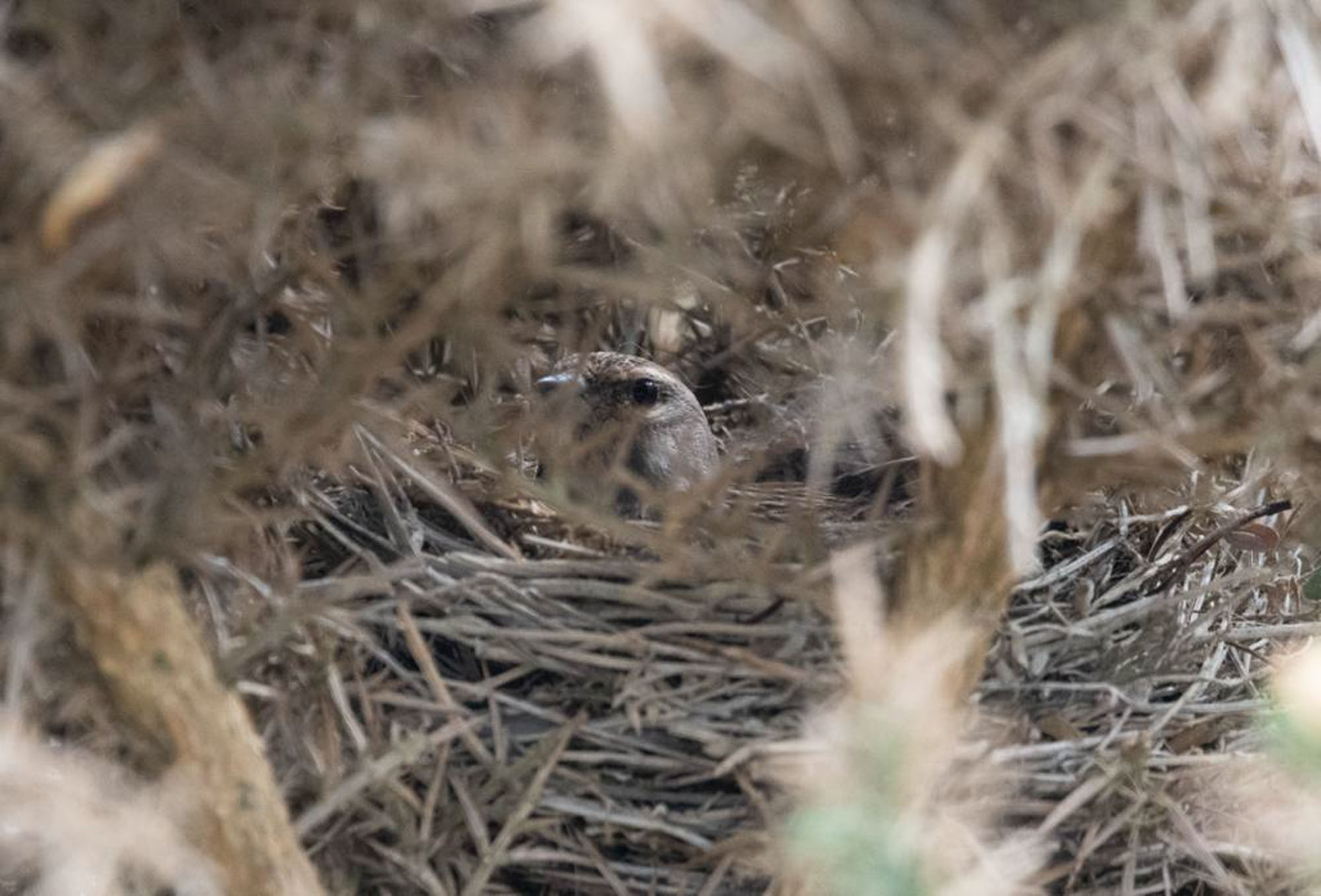
I noticed a Meadow Pipit carrying food. Having watched it for five minutes without daring to look away and just as my elbows were about to give up, it finally dropped to the ground in the gorse. When the adult had left I approached and located the rough area and was lucky to find the nest. I didn’t spend long looking but there appeared to be at least three chicks.

Graham has ringed many hundreds of Meadow Pipits including some very interesting recoveries including birds ringed here on autumn passage re-caught by ringers in the north of the UK the following spring. He hasn’t previously, however, ringed a Meadow Pipit chick. The nest inspection and ringing was done under the appropriate licenses and with consent from Natural England. There had been five eggs but only three had hatched.

Meadow Pipits

I’ve started seeing the first instar nymph grasshoppers now including some which were attracted to the moth light. This one is a Lesser Marsh Grasshopper, one of the rarer species. 

Lesser Marsh Grasshopper 1st instar nymph
Common Vetch

There were 40 Black-tailed Godwit on Great Marsh on the 12th. Only one was in summer plumage and given the date they are probably non-breeders including 1st summer birds. It is normal for non-breeding waders to maintain non-breeding plumage even in the summer.

juvenile Dunnock

On the WeBS count on the 15th a real highlight was finding a Curlew Sandpiper which had probably dropped in with 10 Dunlin onto De L’Orne Scrape after heavy rain. I got pretty wet even in De L’Orne hide as the easterly wind drove the rain into my scope as I watched it feeding. This is only the fourth time this species has been seen at Needs Ore in the last five years.

Curlew Sandpiper (left bird)

A couple of moth traps in the first half of May produced 11 species which were new for the reserve including Ringed Carpet which was only the fourth record in Hampshire in the last seven years. There were 10 other new records for the reserve, some of them surprisingly common – Light Brocade, Incurvaria oehlmanniella, Red Chestnut, Chocolate-tip, White Ermine, Pale Tussock, Pseudoswammerdia combinella and Elachista canapennella.

Ringed Carpet
White Ermine
Red Chestnut
Chocolate-tip
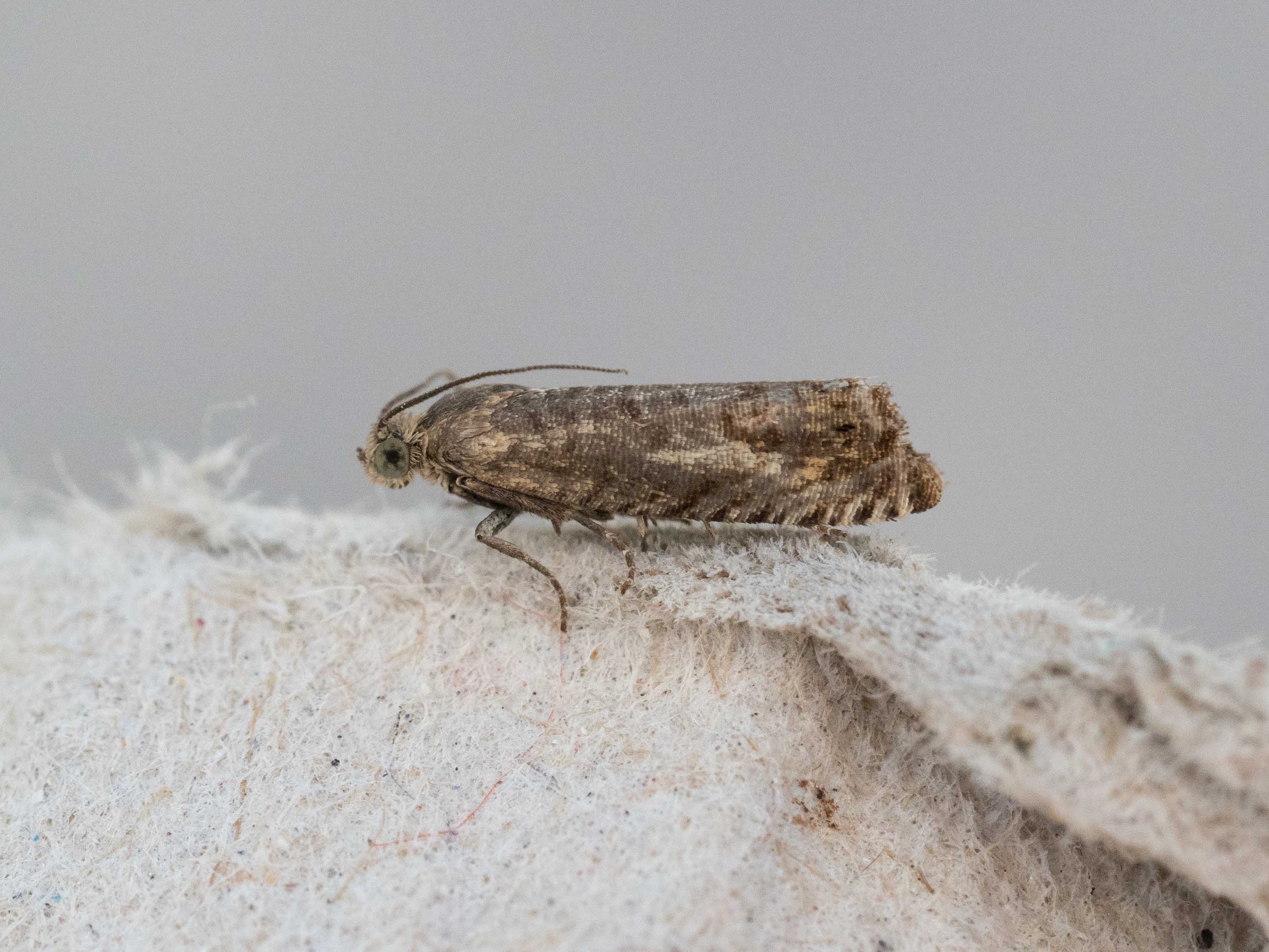
Pseodoswammerdamia combinella
Incurvaria oehlmanniella
Light Brocade
Elachista canapennella
Pale Tussock

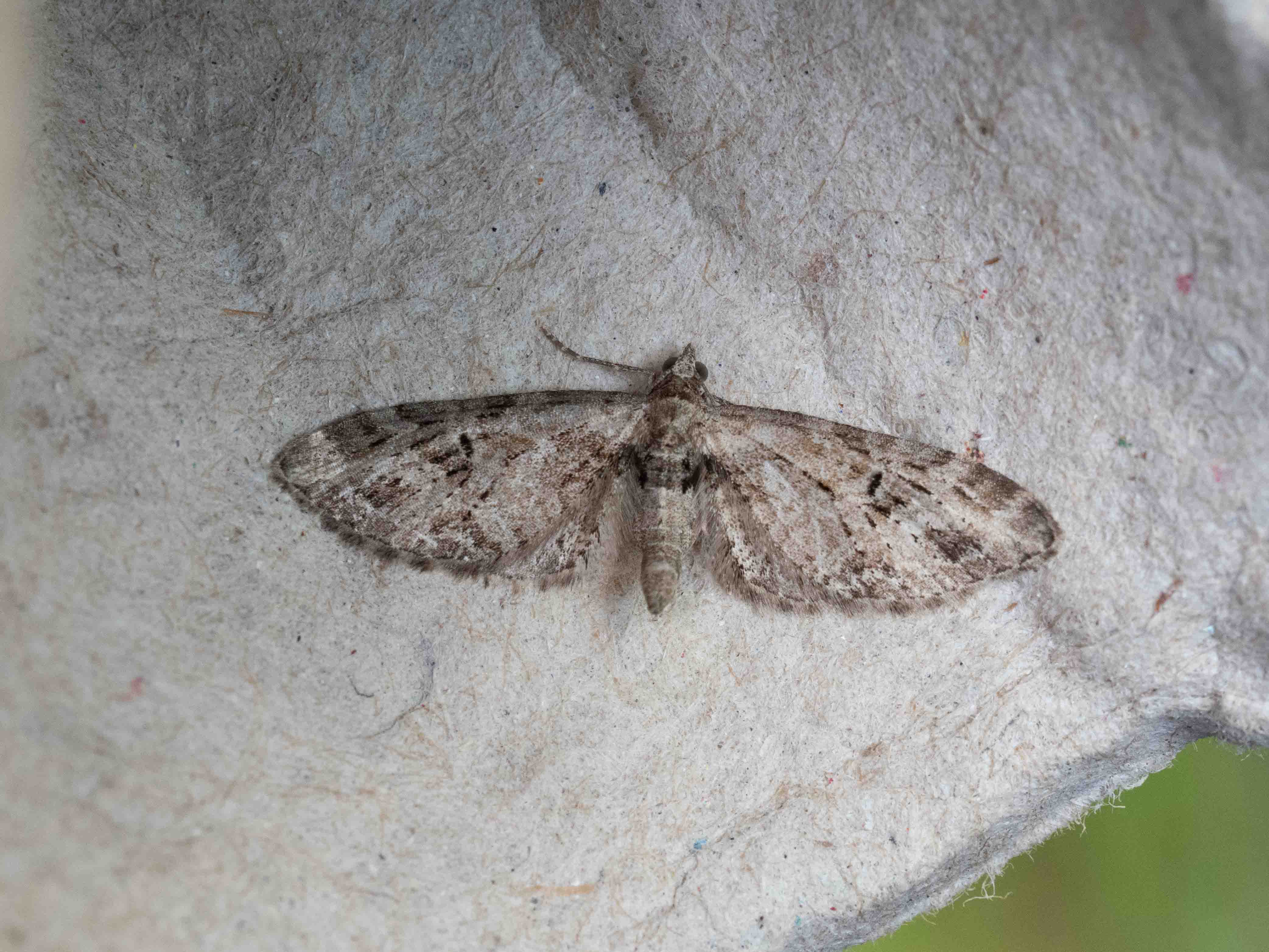
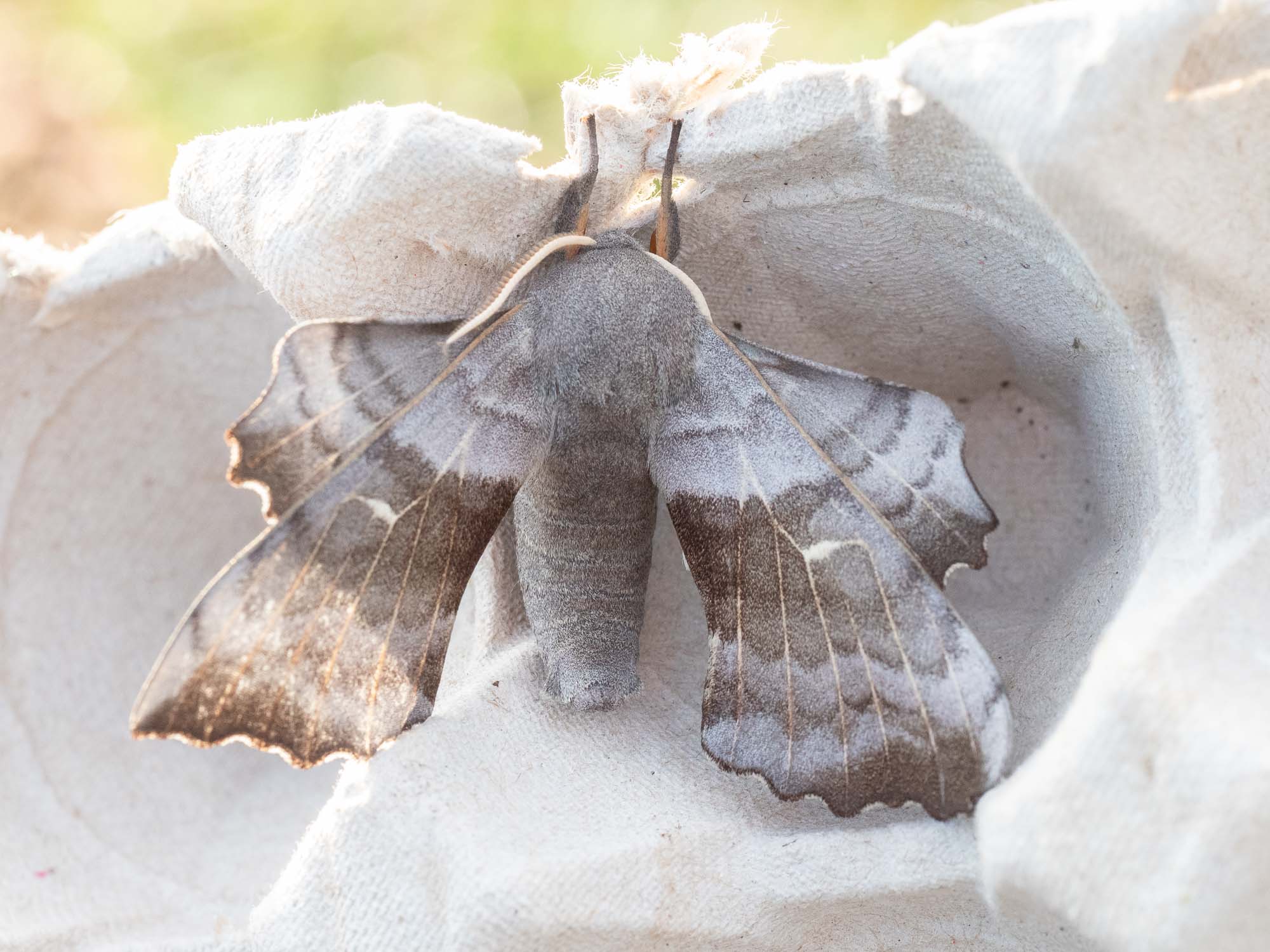
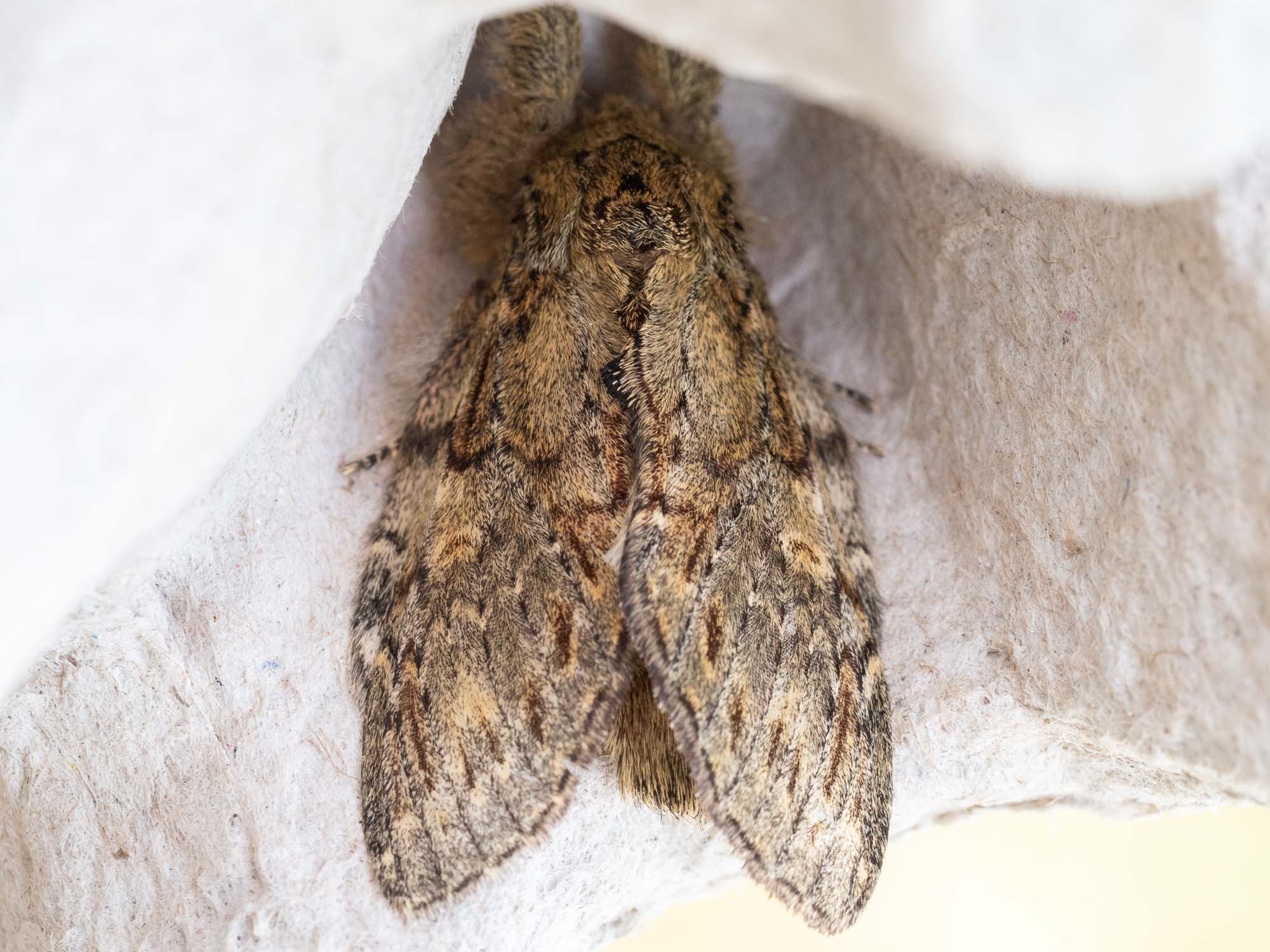
Other interesting moths included Lunar Marbled Brown, Pale-shouldered Brocade, Dark Sword-grass, Iron Prominent, Tawny Shears, Great Prominent, Poplar Hawk-moth, Pine Hawk-moth, Foxglove Pug, Teleiopsis diffinis and Purple Bar.

Iron Prominent
Tawny Shears
Lunar Marbled Brown
Pine Hawk-moth
Foxglove Pug
Pale-shouldered Brocade
Dark Sword-grass
Poplar Hawk-moth
Great Prominent
Purple Bar
Teleiopsis diffinis