Wryneck Bushes, Needs Ore – Tuesday 13th September 2023
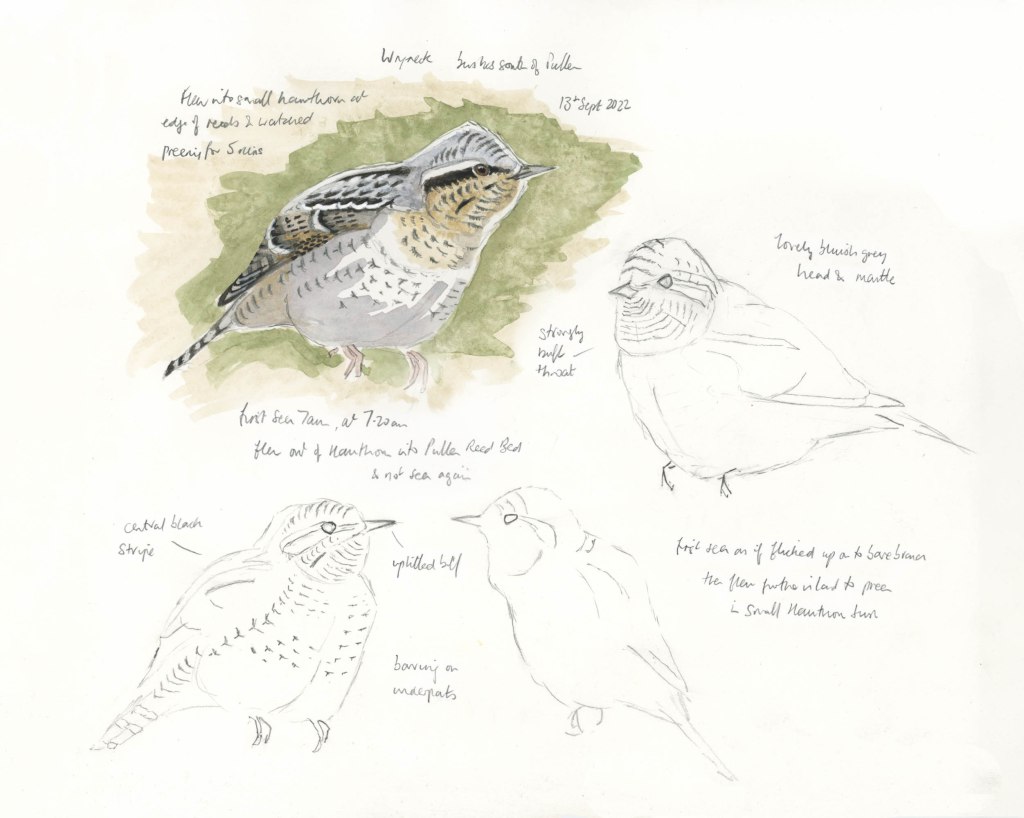
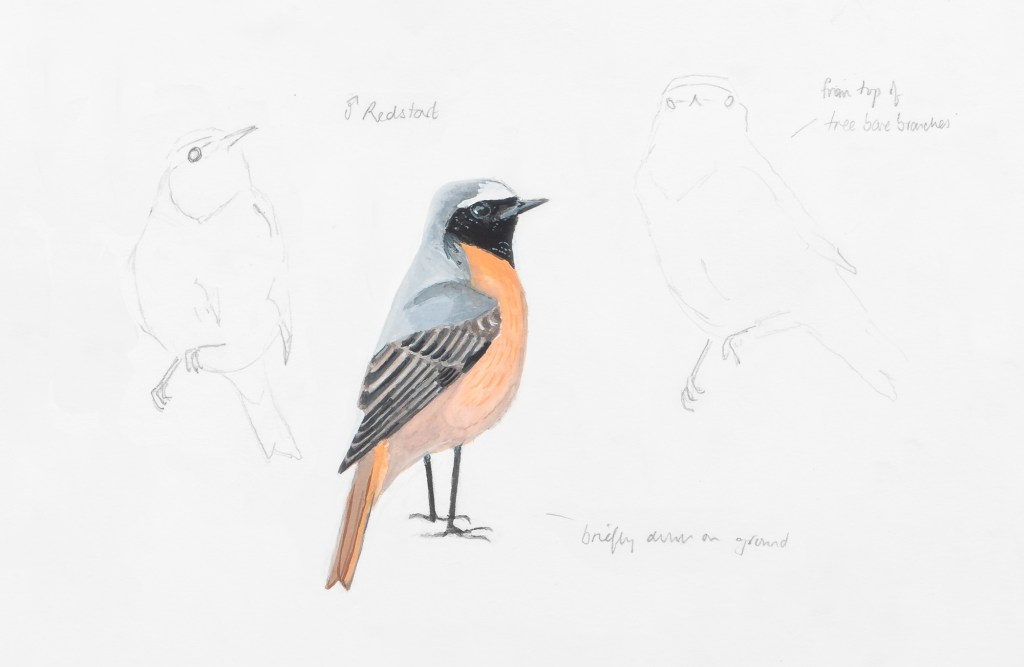
On my visit on Tuesday 13th September 2023 I decided to head around to the south side of Pullen via Mary Monts to check the brambles and gorse. I walked slowly to the slightly barer clearing and a bird flew up to my left, it landed on an exposed branch and through the binoculars I was amazed to see that it was a Wryneck. This was the 10th Wryneck to be recorded at Needs Ore, the first half of September is the peak time with all 10 records coming in this narrow three-week window. Individuals are on their way from north-eastern Europe to southern Europe and Africa. I’d always had in mind that this area looked good for Wryneck but it was still a shock to find one. Quickly it flew into a small hawthorn at the edge of the reeds and began preening for a few minutes. I managed to get some brief sketches before it slipped out of the back of the tree and I didn’t see it again.

It may have headed east as two different Wrynecks were seen together four miles away at Stansore Point, Lepe on 21st September.
Warren Shore, Needs Ore – Wednesday 14th June 2023
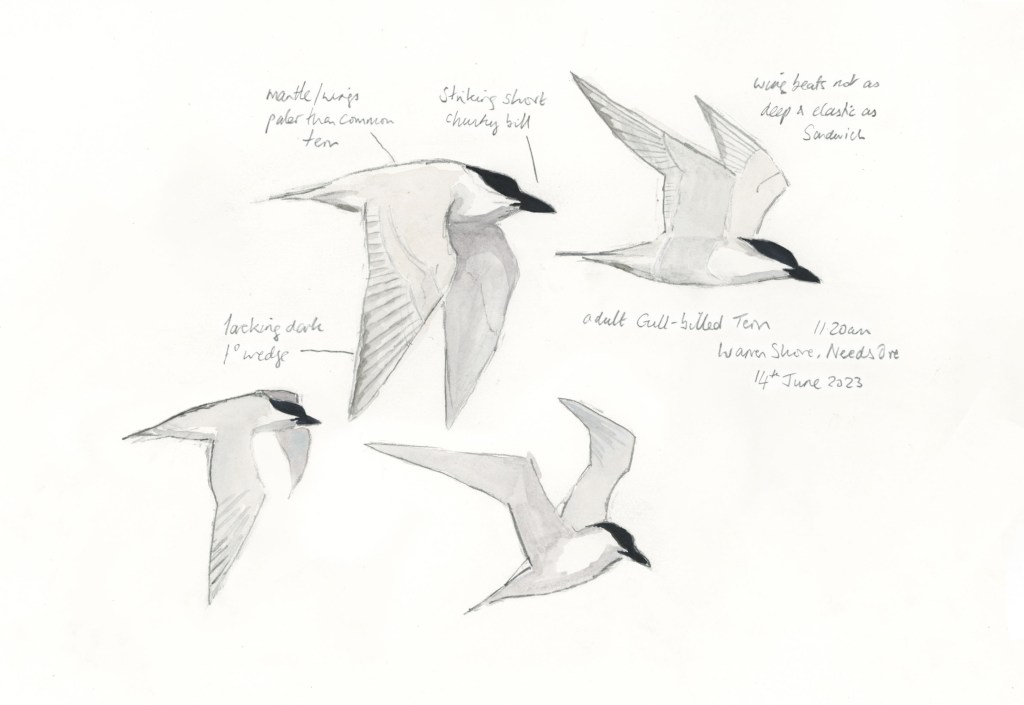
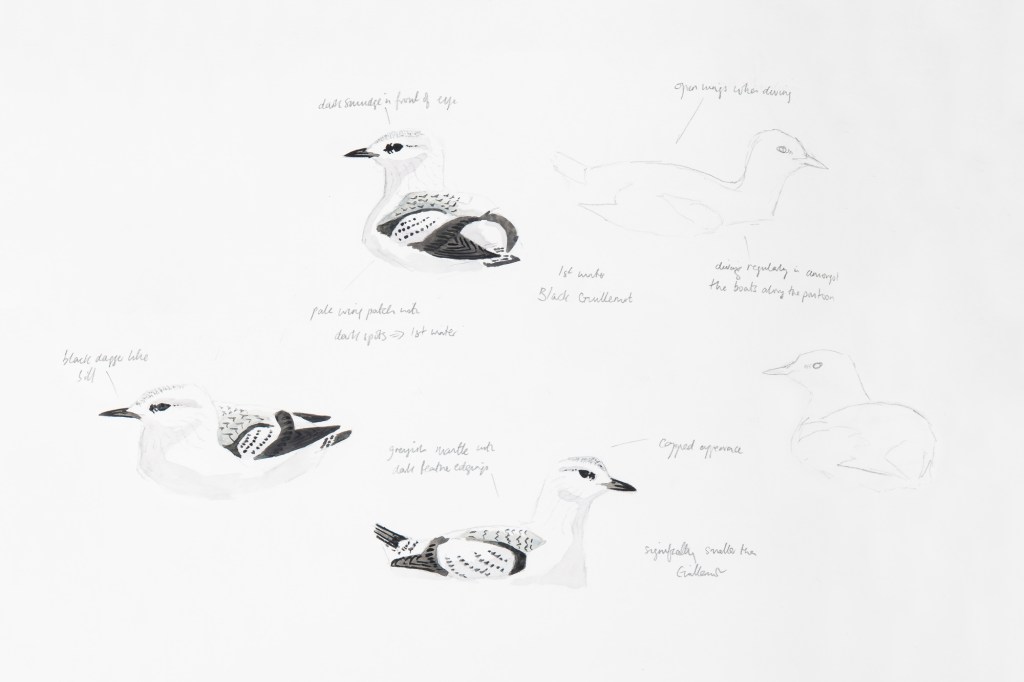
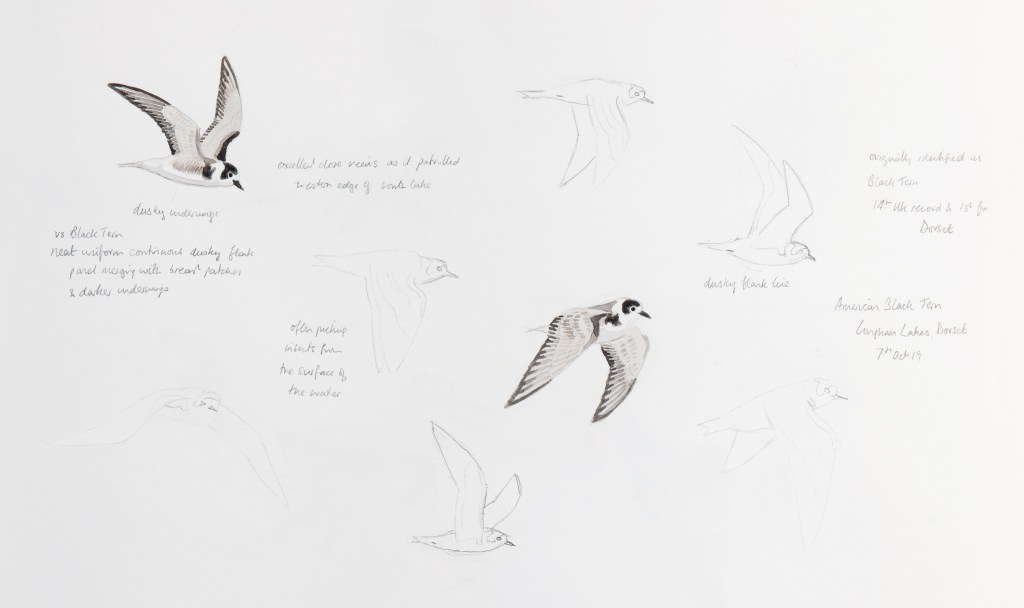
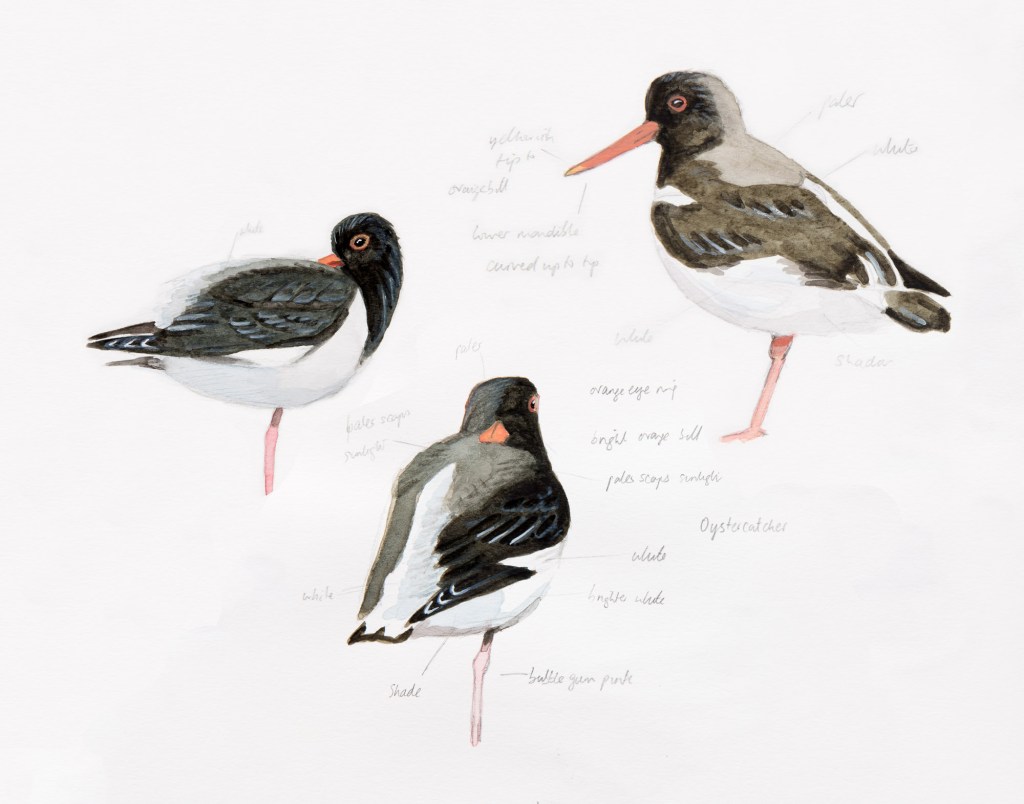
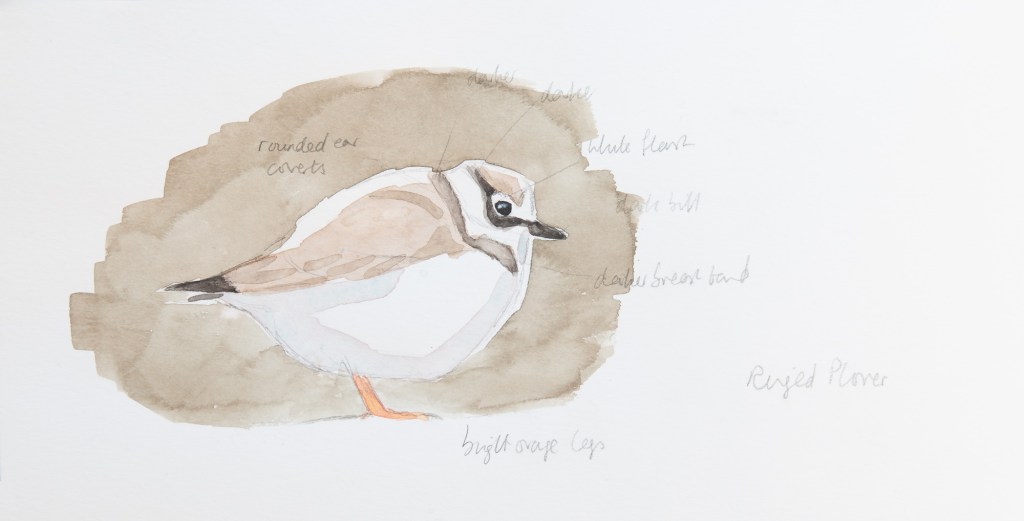
On Wednesday 14th June 2023 I was co-leading a walk to monitor Oystercatcher and Ringed Plover nests along Warren Shore, Needs Ore NNR. At around 11:20am, we paused opposite the coastguard cottages and I noticed a tern approaching from behind us, it was heading east along the shingle shoreline, in our direction.
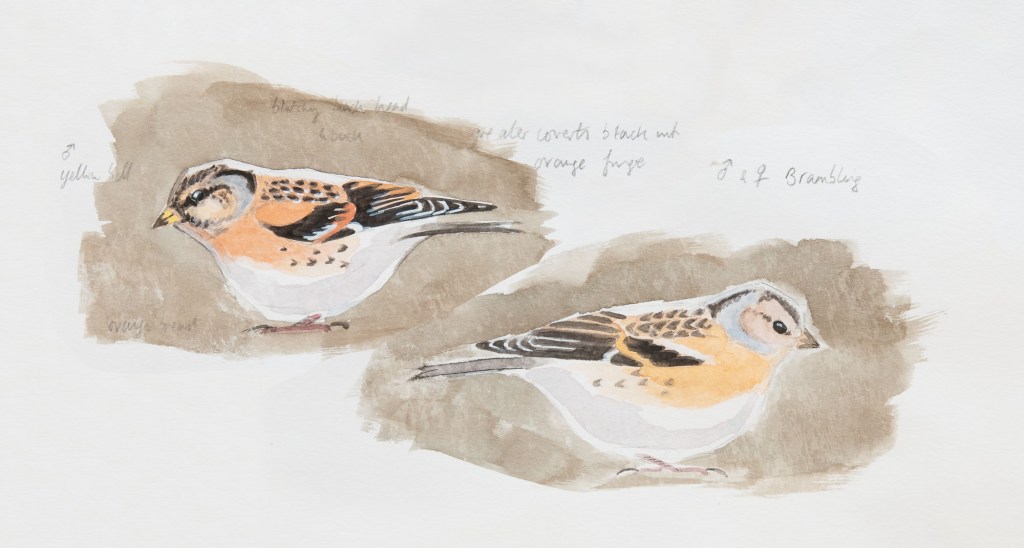
It was a bright sunny day, we were looking inland to the north and so, thankfully, the sun was behind us. It seemed to have the pale wings and shorter tail of a Sandwich Tern but the wings didn’t seem slim and long enough and the flight action didn’t seem deep and elastic enough. I could see it wasn’t a Common Tern and so I was puzzled.
It drew level with us and was no more than 75 yards away, I had long uninterrupted and very good views of the bill which was all black, strikingly short and stubby and shorter than the width of the head. A short tail gave it a front heavy appearance. The primaries were pale like Sandwich Tern but lacked a black primary wedge although I didn’t think to check the rump colour. The tern continued heading east before being lost to view between Inchmery and Lepe. It was silent throughout.

I never carry my camera on this grueling weekly walk along the spit which was a shame although it did mean that I had more time to watch it in the binoculars.
NFOC Islands, Needs Ore – Thursday 26th May 2022
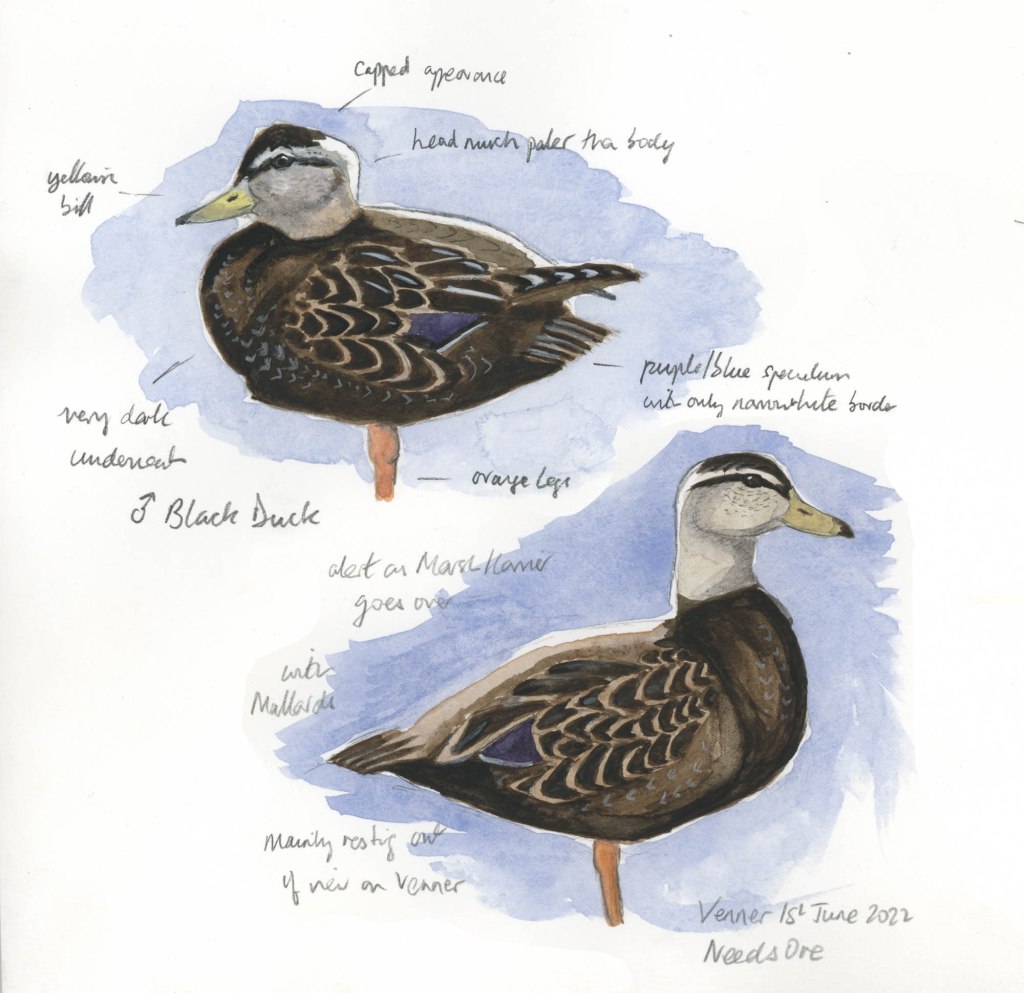
I first saw this duck on 26th May 2022 as I walked passed NFOC Islands on Black Water. I was immediately struck by the dark body and pale head and said out loud “Why isn’t that a Black Duck?”
Before I could start thinking about what other features I needed to check it had swum around the back of the island and out of view. I waited for 20 minutes but it didn’t reappear. I moved on to Venner Hide and returned a while later to wait for the bird to reappear, it didn’t.
Fast forward to 29th May and I received a text from Alan Lewis with a photo of the same bird on the same island. He had enjoyed extended views and confirmed the identification as a Black Duck, the first for Hampshire!

Over the subsequent three weeks, the Black Duck, although elusive, was seen intermittently, mainly in two locations. One was on the bank behind Venner where it lazed, often hidden from view, with Mallards. Occasionally, when flushed, it became more visible as it landed on the water or on the raised edge of the bank. The other location, particularly early on in its stay and in the early evening, was on the east bank of the Beaulieu River, where it was visible from the Sailing Club. I last saw it flying over Black Water with nine Mallards on 19th June.
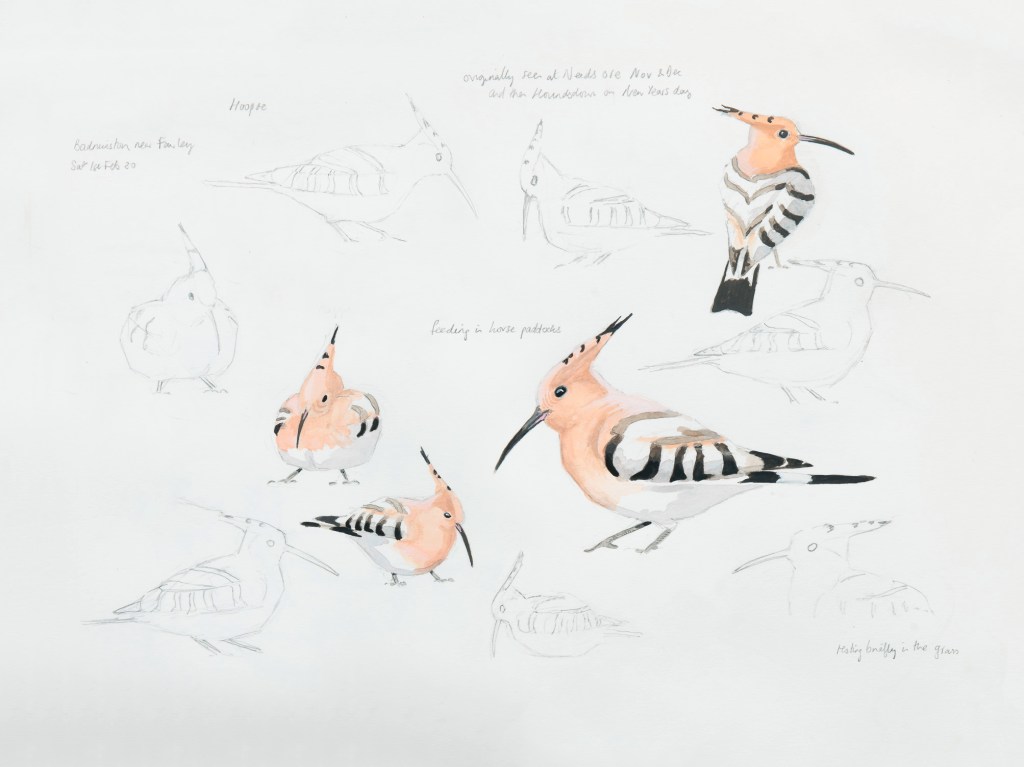
Badminston Horse Paddocks, Hampshire – Saturday 1st February 2020
I was on the outskirts of Fordingbridge heading to Martin Down when a Hoopoe was reported again at Badminston Gravel Pits. I spun the car around and headed back south. It had been seen again feeding in horse paddocks opposite the garage. On the journey the bird was reported again and the excitement levels started to build. This Hoopoe is almost certainly the bird that was first seen at Needs Ore on 22nd November and then on various other dates through to 27th December. Needs Ore is private land owned by the Beaulieu Estate, passes can be purchased on the condition that any bird news is not circulated via social media and so as a result it is under-watched and birds are not usually seen by many birders. After Needs Ore the Hoopoe was then seen again near Hounsdown on 1st January before flying 10 miles to Badminston near Fawley in the intervening month.
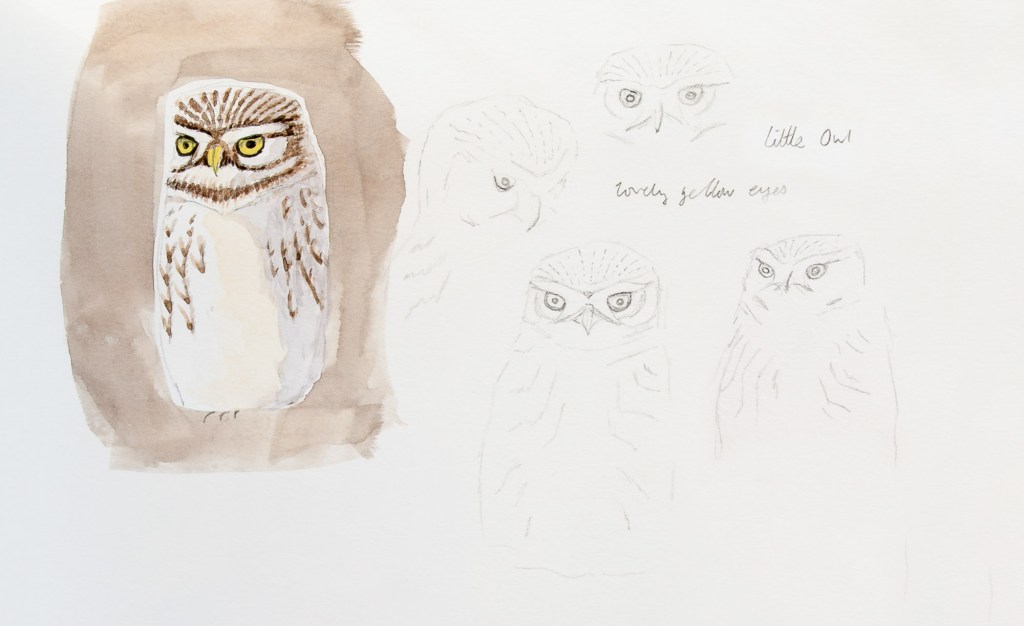
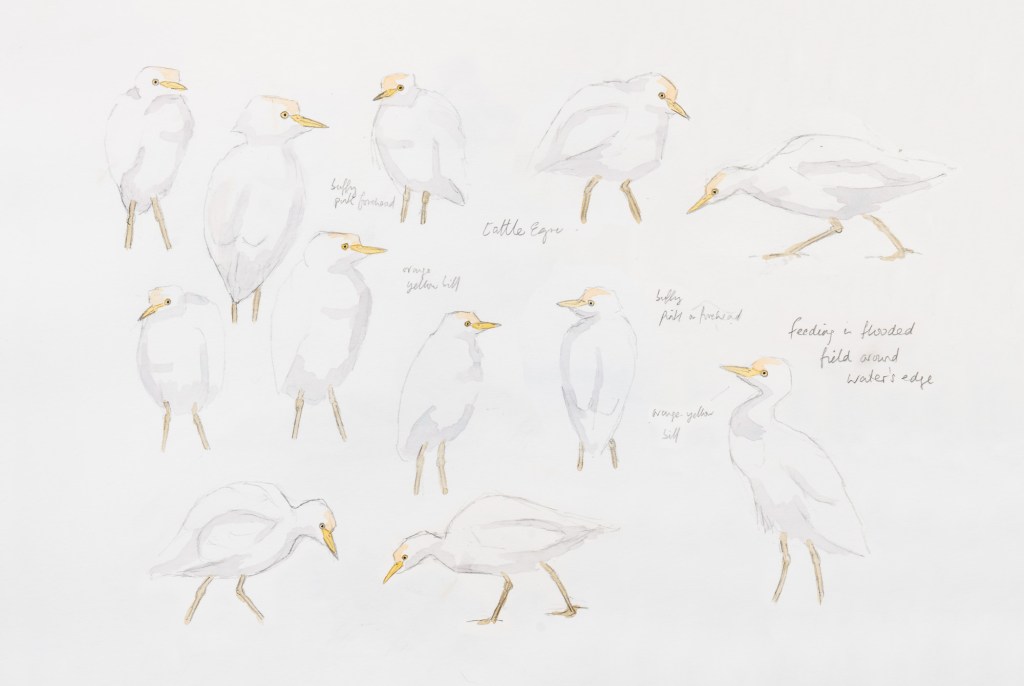
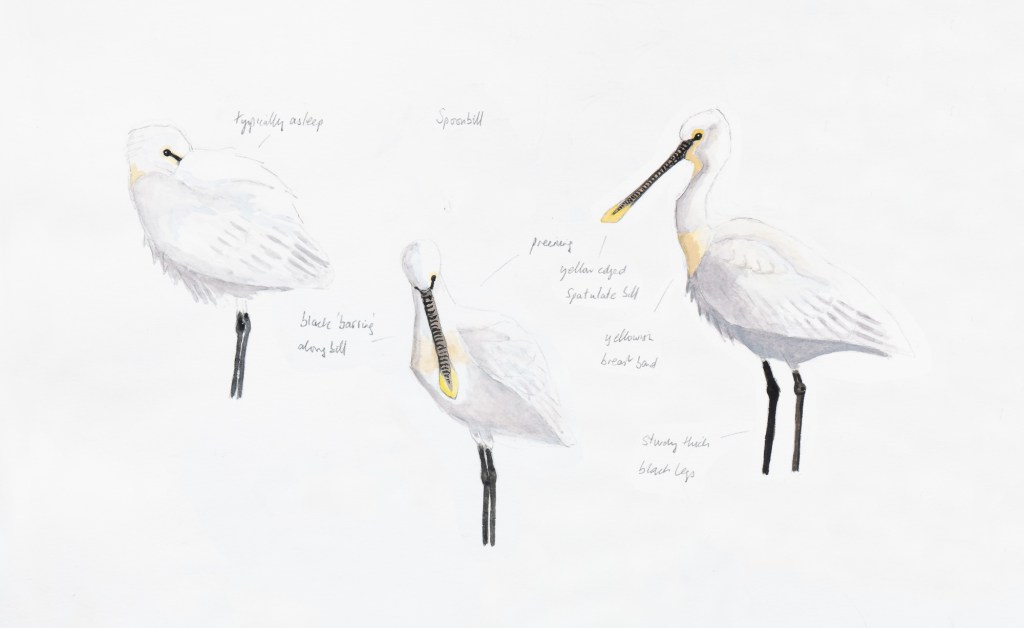
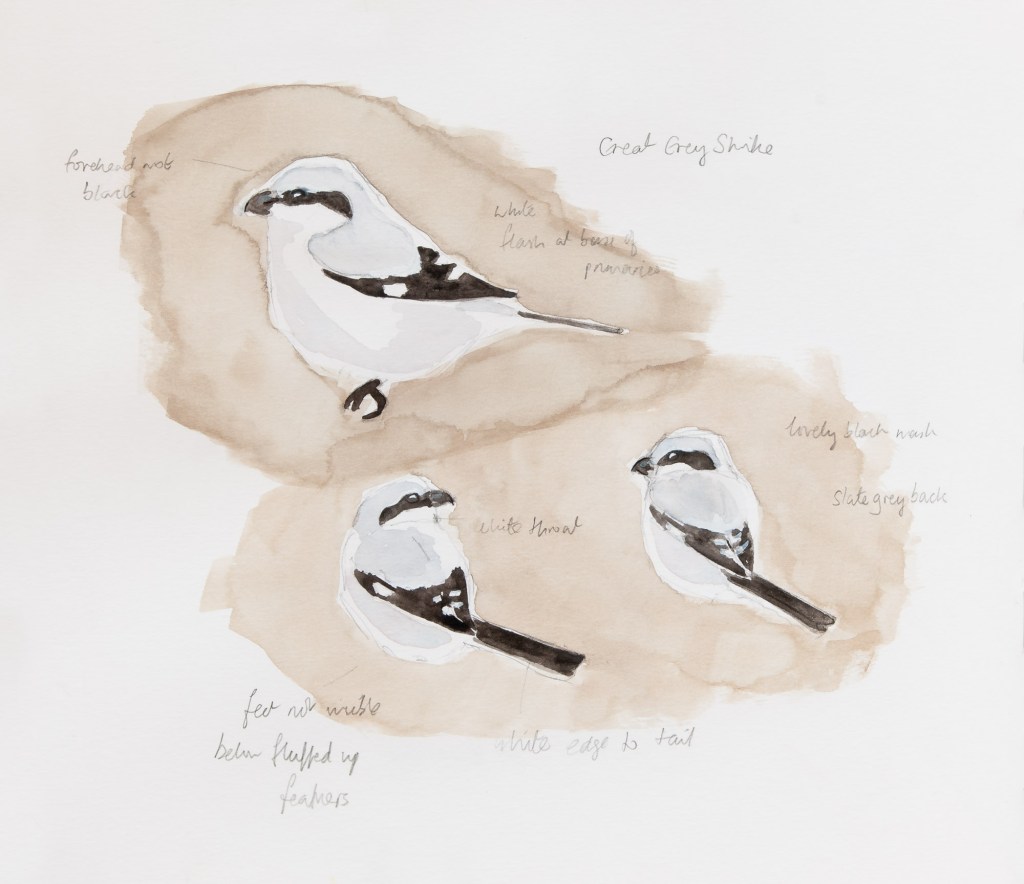
Hoopoes are seen three or four times each year in Hampshire but there have been only five previous winter records. Thinking back the first Hoopoe I ever saw in Britain was also a wintering bird. I remember that Peter and I had made a Saturday trip in December 1988 to Frensham Ponds in Surrey. There was the double lure of both Hoopoe and Great Grey Shrike, both are birds that still give me a thrill now. We saw the shrike but the Hoopoe eluded us. We later heard that the Hoopoe was still present and so Dad and I made a mid week return trip a few days later. There was no sign at first and so waited by its favoured position near the lake. I can still remember the moment now when several agitated birders sprinted towards us and sure enough the Hoopoe fluttered into view. I’ve seen another eight Hoopoes in the subsequent 32 years and they still raise the pulse level.
Aiming for my 10th British Hoopoe and forty five mintes after leaving Fordingbridge I arrived in Badminston. I pulled over near the garage behind five cars at the end of Badminston Lane. The birders were stood against a fence and as I joined them the Hoopoe flew across the horse paddocks like a giant butterfly. Thankfully it landed in sight and we all moved to get a better view.

I watched the Hoopoe for 45 minutes during which time it probed for worms almost continuously other than a brief two minute rest when it sat quite low in the grass. On one occasion it fanned its tail, wing and crest.