A very brief morning only visit. I first headed to the Inchmery side to see if there were any large gulls around high tide, there were just a few Herring Gulls.
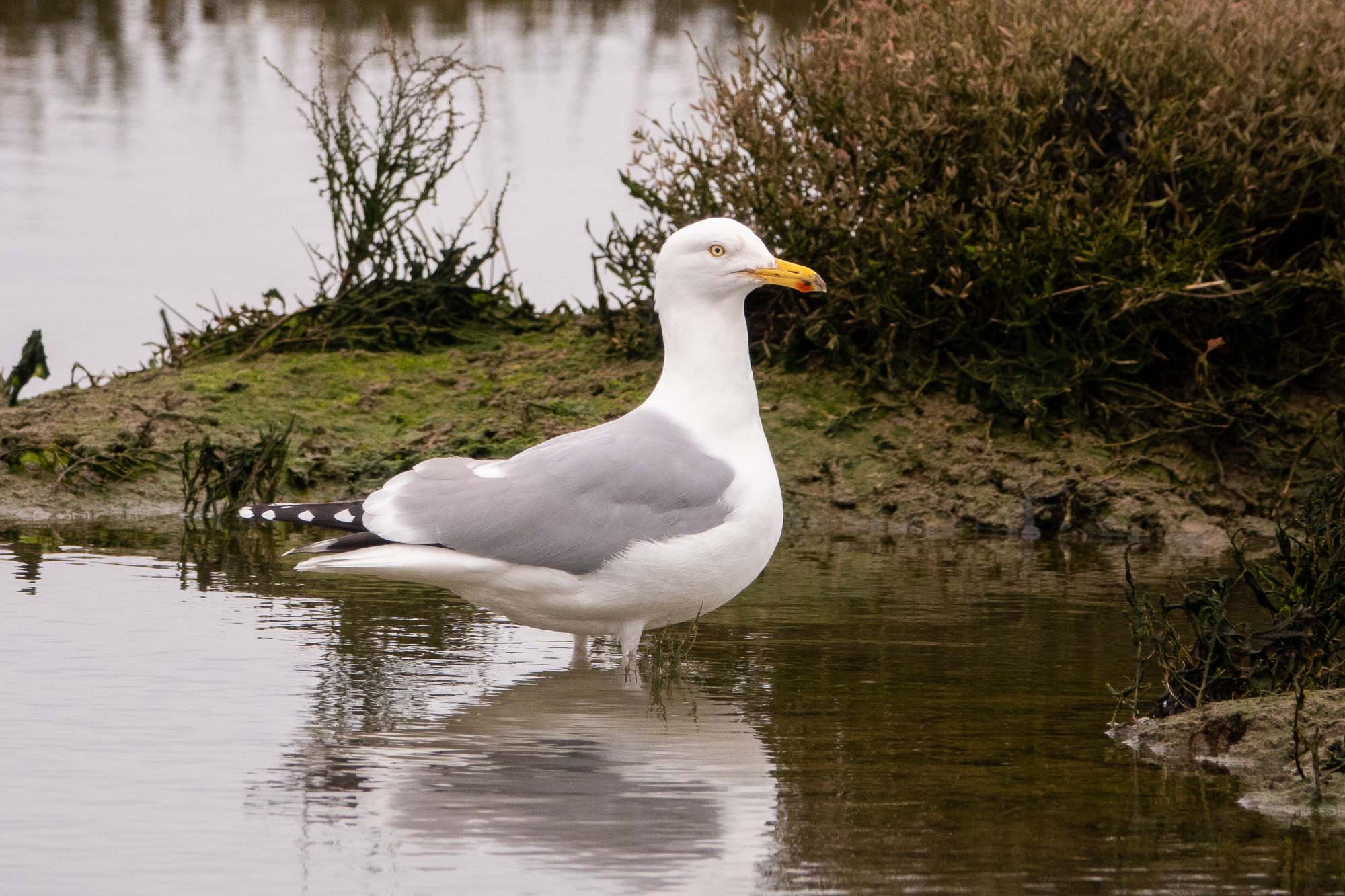
Herring Gull
Herring Gulls in late winter often look pristine and white-headed like Yellow-legged Gulls but the paler mantle shade of Herring Gull is usually straightforward to judge. If in doubt the orbital eye ring of Yellow-legged Gull is red and the red spot on the lower mandible bleeds into the upper mandible. The primary pattern in flight is also diagnostic.
I did get slightly closer views than normal of at least five Bar-tailed Godwit. and there were now 17 Spoonbill out on the saltmarsh.
I then headed to Park Lane to look for an unusual pair of Greylags with Bean Geese-like bill patterns seen by Philip F on Tuesday. Unfortunately no sign today, just the standard Greylags.
Greylag
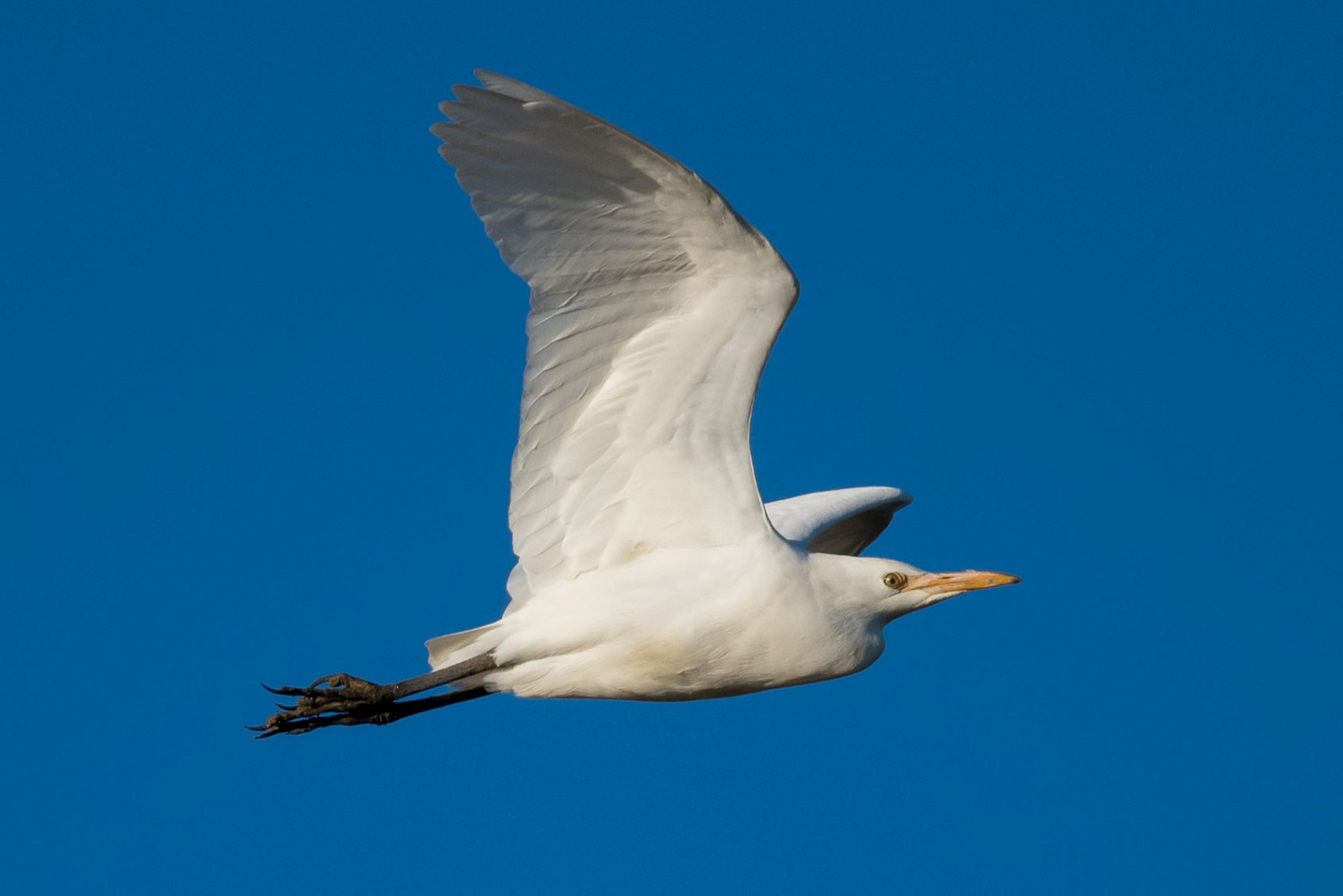
The two Cattle Egrets were still present around Park Farm.
Cattle Egret photo by Brian Fairbrother
Back at Needs Ore on the sea a single male Eider drifted on the tide. The only other birds on the water were six Great Crested Grebes.
On Wigeon Fields 43 Black-tailed Godwit fed with the Curlew and the five Pochard on Venner were newly arrived. A female Wigeon with a partially leucistic head pattern was on Venner, this is the second time I’ve noticed her here and I also saw the same or a similar bird on Warren Saltmarsh last week.
Wigeon
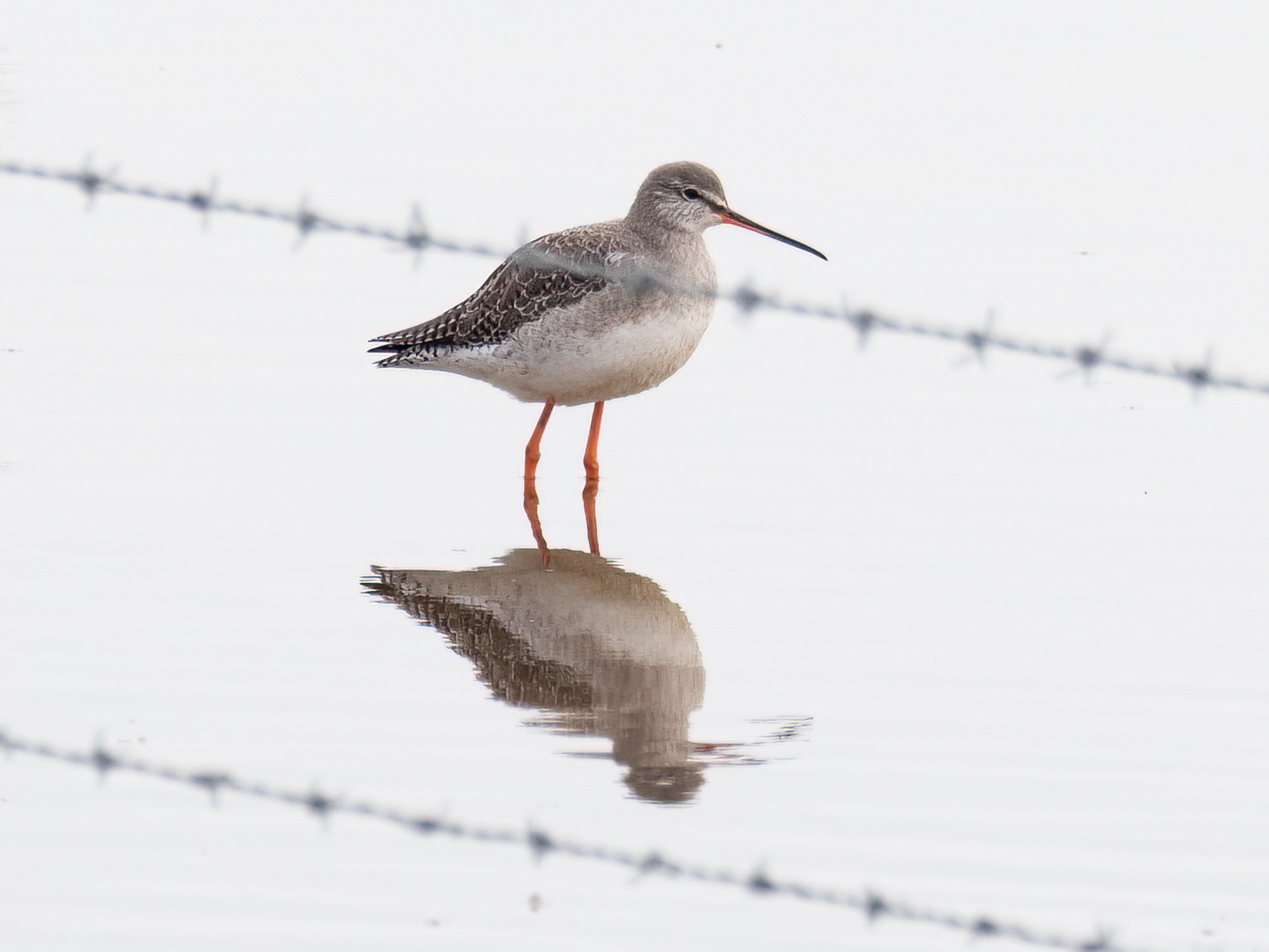
Highlight of the day was the wintering Spotted Redshank showing nicely (apart from the barbed wire) in the small bay on the right hand side of De L’Orne Lagoon.
Lots of Mistle Thrushes today, there were two birds at the pines near the cottages, at least two or three moving between Rye Errish and Bergerie Farm and one or two between Park Farm and Park Shore. Mistle Thrush populations are largely sedentary in the UK unlike Blackbirds which are heavily augmented by huge influxes of birds from Scandinavia. You can see the round spots on the belly, dark vertical lines (black and white) below the eye and the pale edgings to the median and greater coverts which help separate it from Song Thrush, the rattling calls also grab the attention.
Mistle Thrush
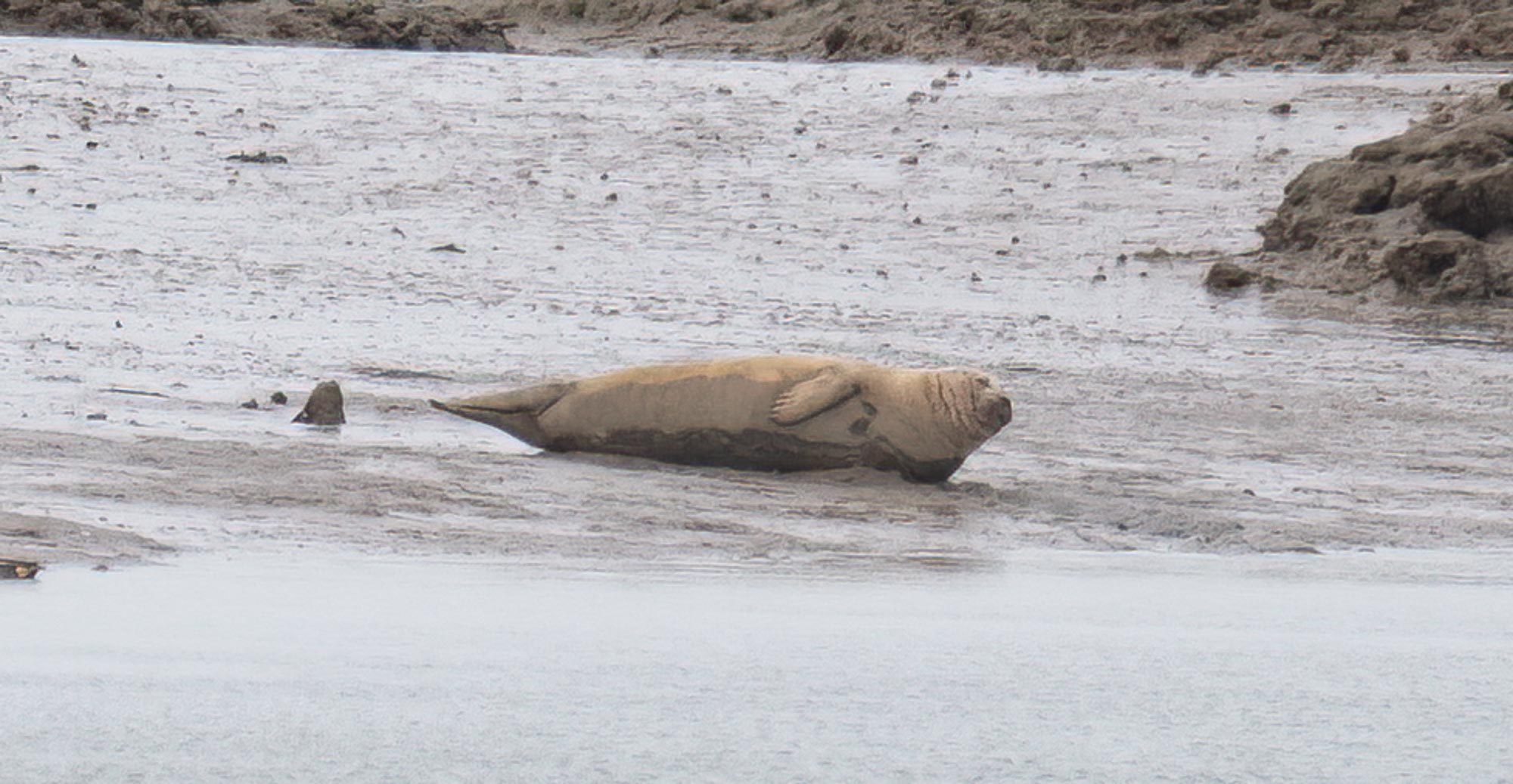
A Common Seal was resting on the river bank south of the Yacht Club. Despite its name it’s not as common or widespread as the more familiar Grey Seal. Another name for them is the Harbour Seal which is perhaps more appropriate. They are well known for hauling up on beaches and sandbanks in tidal estuaries.
Common Seal
30 Black-tailed Godwit were with around 50 Curlew feeding on the Wigeon Fields. 14 of the Spoonbill picked up from the river and flew past me over to the flooded fields before landing on Venner. Tufted Duck numbers were up again to 32 with a single male Pochard.
A Coal Tit proved frustrating to photograph as it moved down the tree line at Black Water with a mobile tit flock. Eventually it showed nicely near Black Water hide.
Coal Tit
The 1st winter Redshank was seen again on Sluice Gate Saltmarsh. Lizzie ringed this bird as a chick in the Avon Valley last summer. I’ve now seen it three times (23rd Oct, 28th Nov and 7th Feb) all within a hundred yards of the Sluice Gate. Great to see that it is wintering here. It will be interesting to see if this bird returns to the Avon Valley this spring.
1st winter Redshank
Avocet numbers were up again, to 20 with the new arrivals including one of Graham’s yellow flagged birds although they were too far away for me to read it. There were around 50 Redwing across the reserve including groups on Droveway South, Spring Meadow and Park Shore.
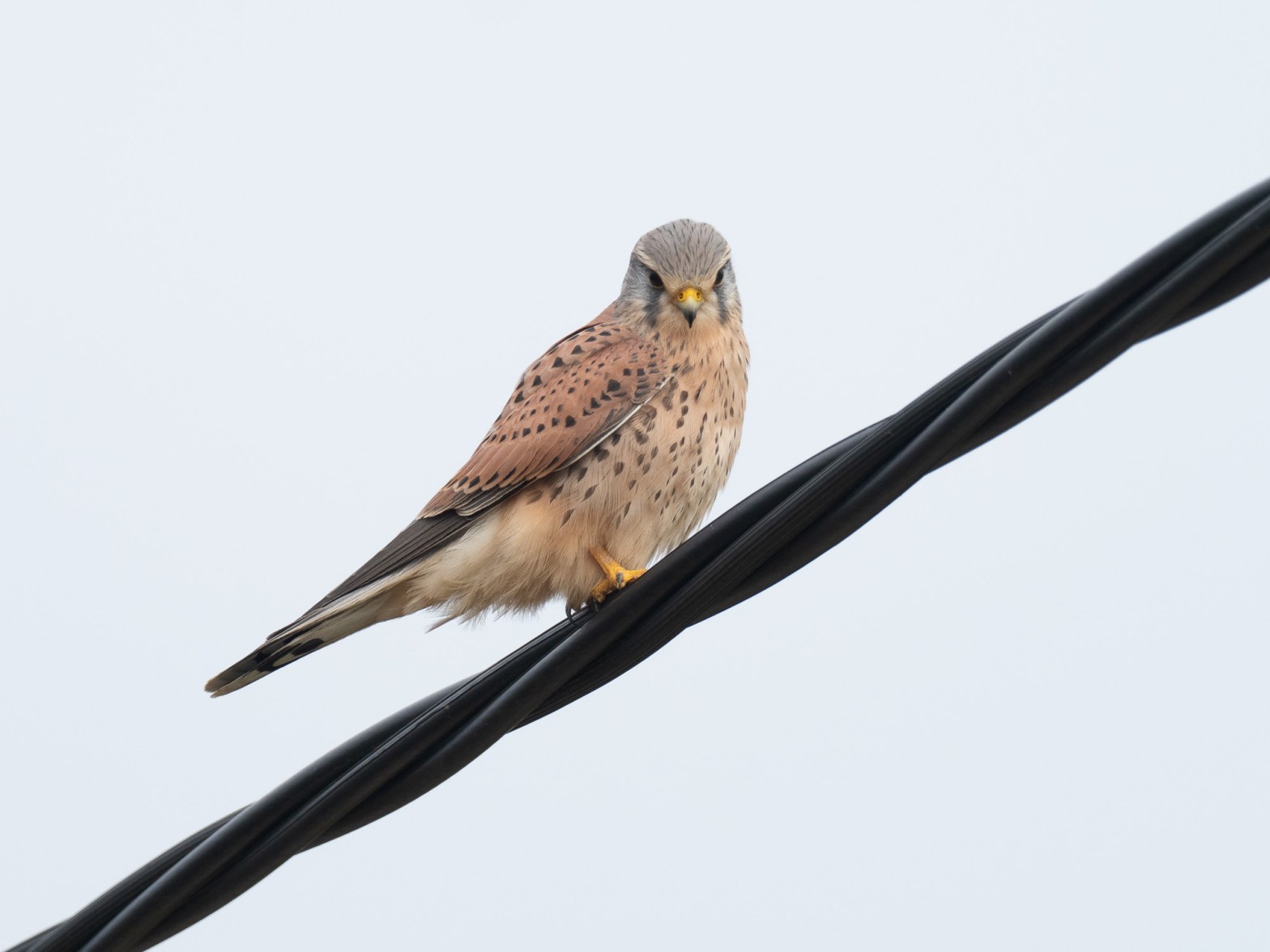
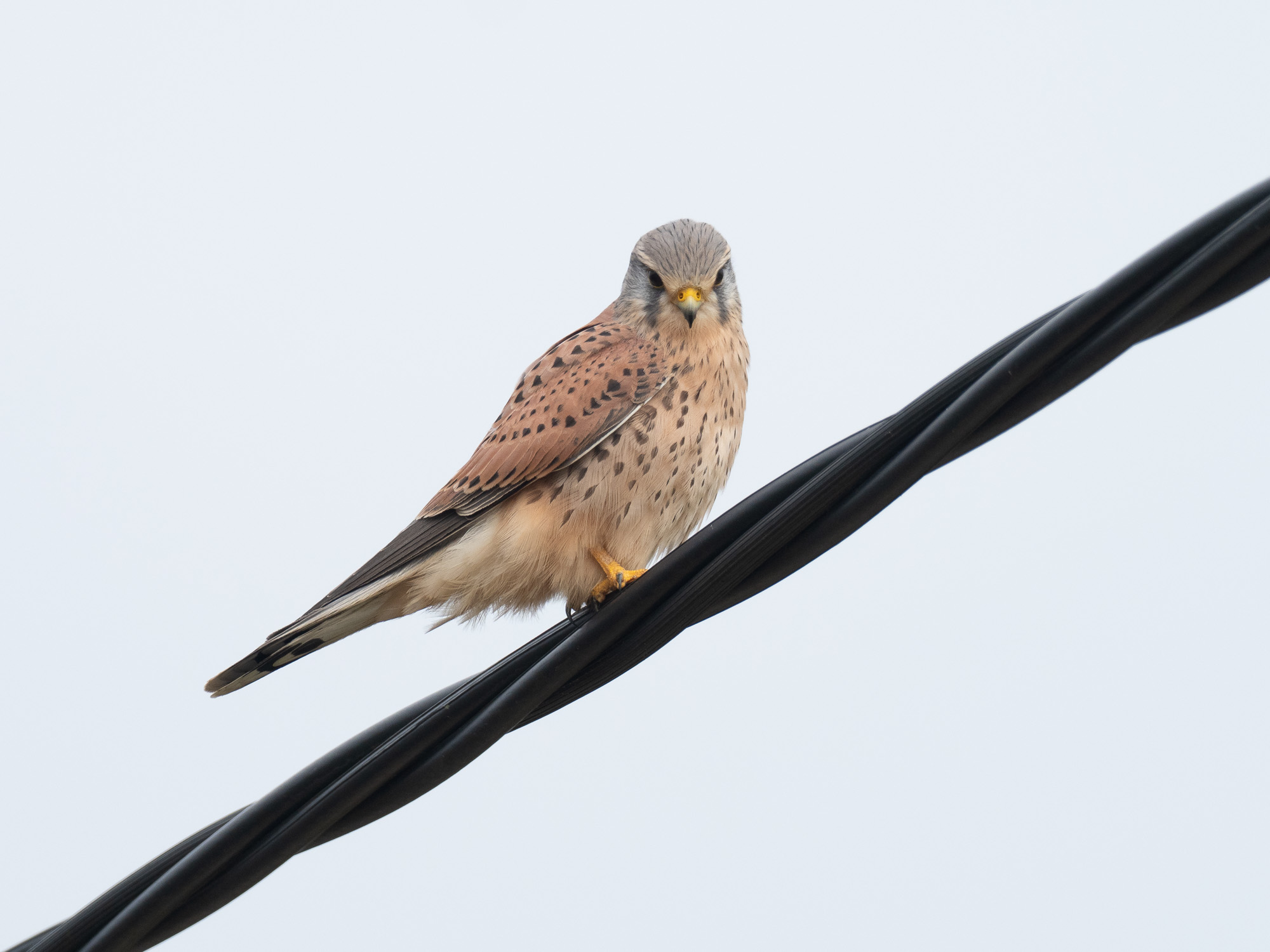
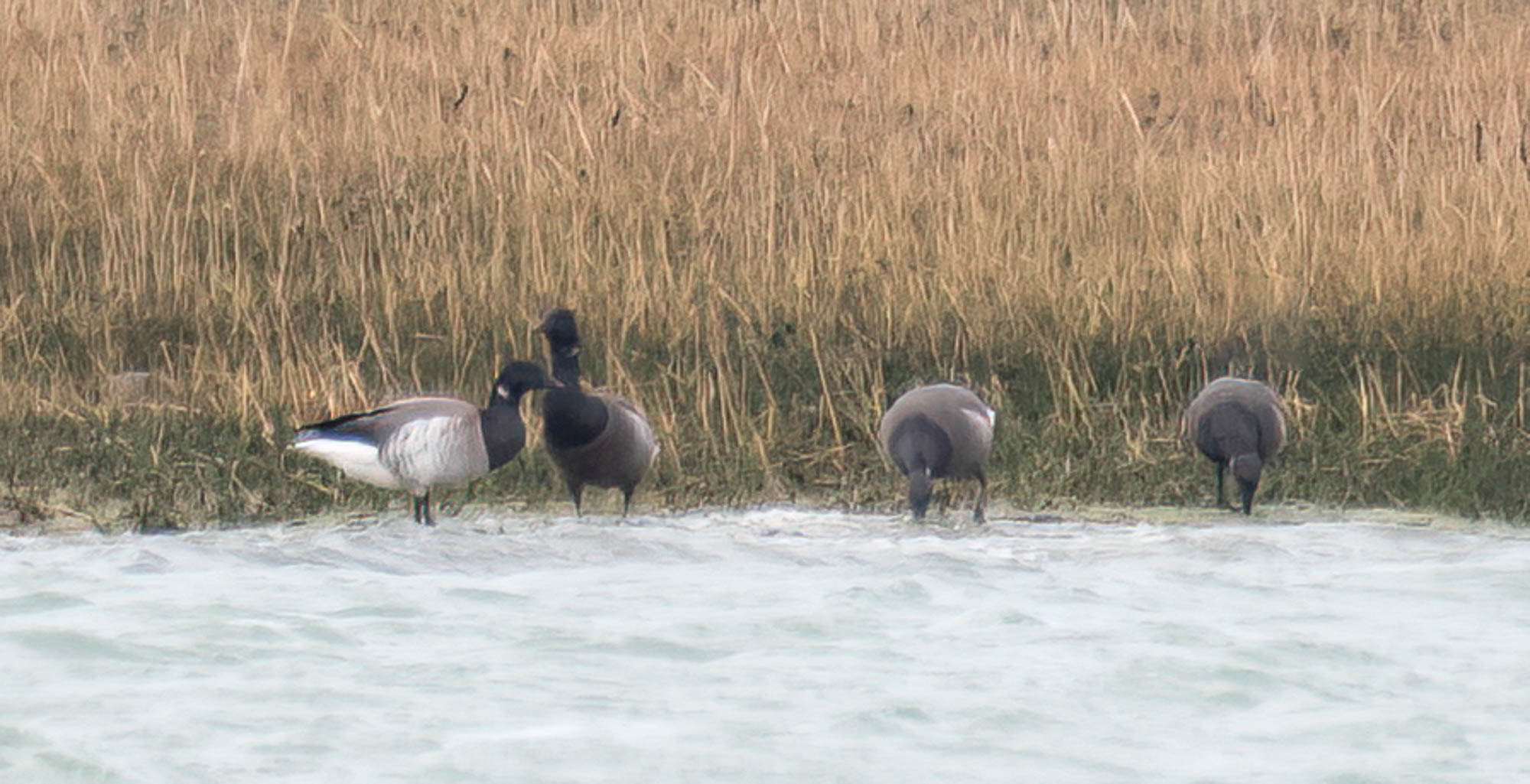
From the top of Park Lane I scanned down across Park Farm and picked out the Pale-bellied Brent Goose amongst the 500 or so Dark-bellied Brents. The male Kestrel landed on the wires nearby as I sat, apparently well hidden, on the edge of the boot of my car.
male Kestrel
The two Cattle Egrets remained at Park Farm. It was quiet again on the sea with an apparent clear out of auks, divers and mergansers. Two Slavonian Grebes remained however.
Slavonian Grebe
Some, but not many, of the Mediterranean Gulls are now starting to acquire summer plumage.
A very quiet day with no other birders and not many birds. The cold grey wind probably contributed.
Rock Pipit
There were around 10 Redwing feeding around the edge of Warren Farm House Field. It was particularly quiet from Mary Monts in fact there wasn’t a single bird on the sea during 45 minutes of scanning.
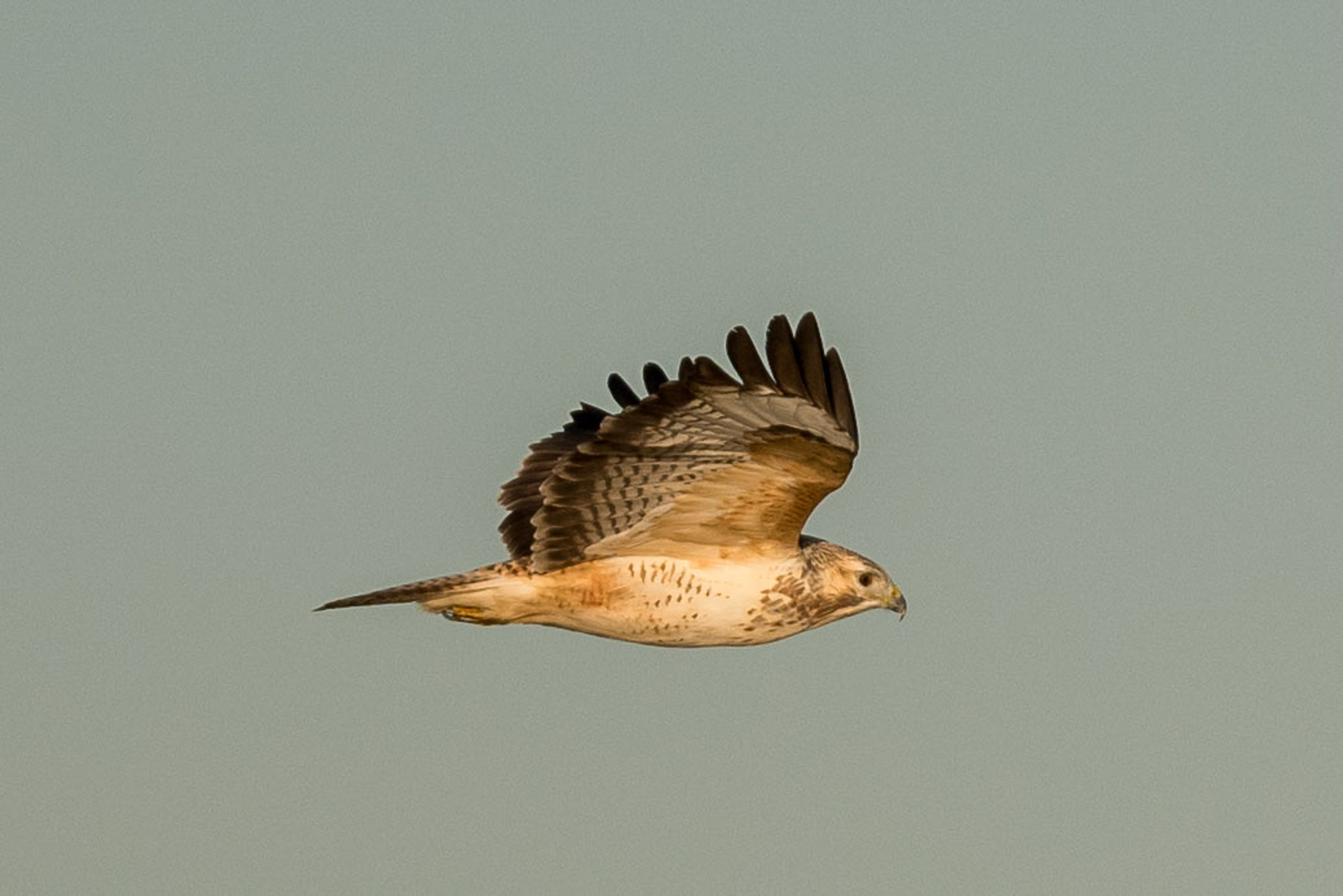
Buzzard, pale phase photo by Brian Fairbrother
Over on Venner the 13 Spoonbill were resting on the other side of the island.
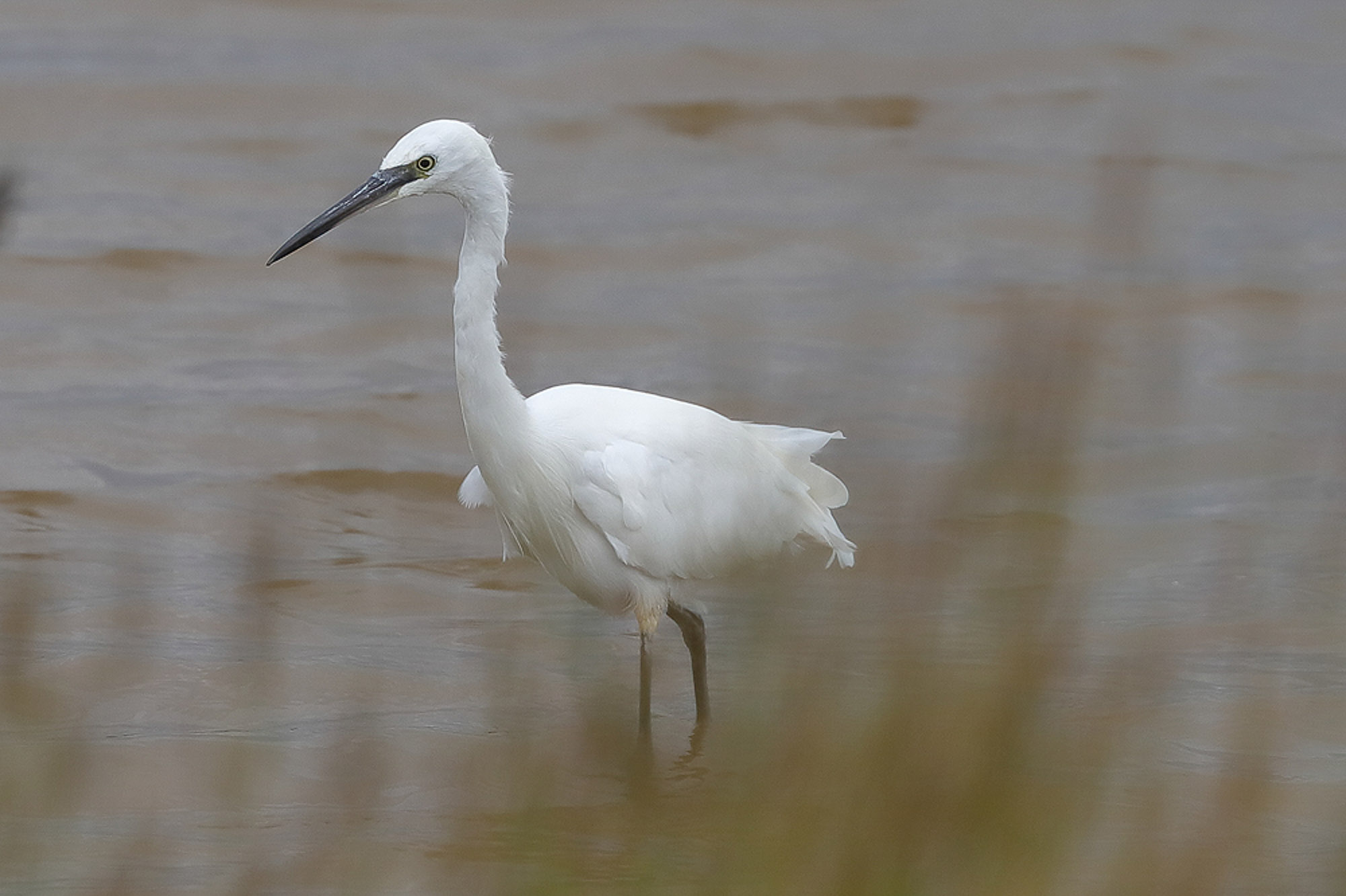
Little Egret photo by David Cuddon
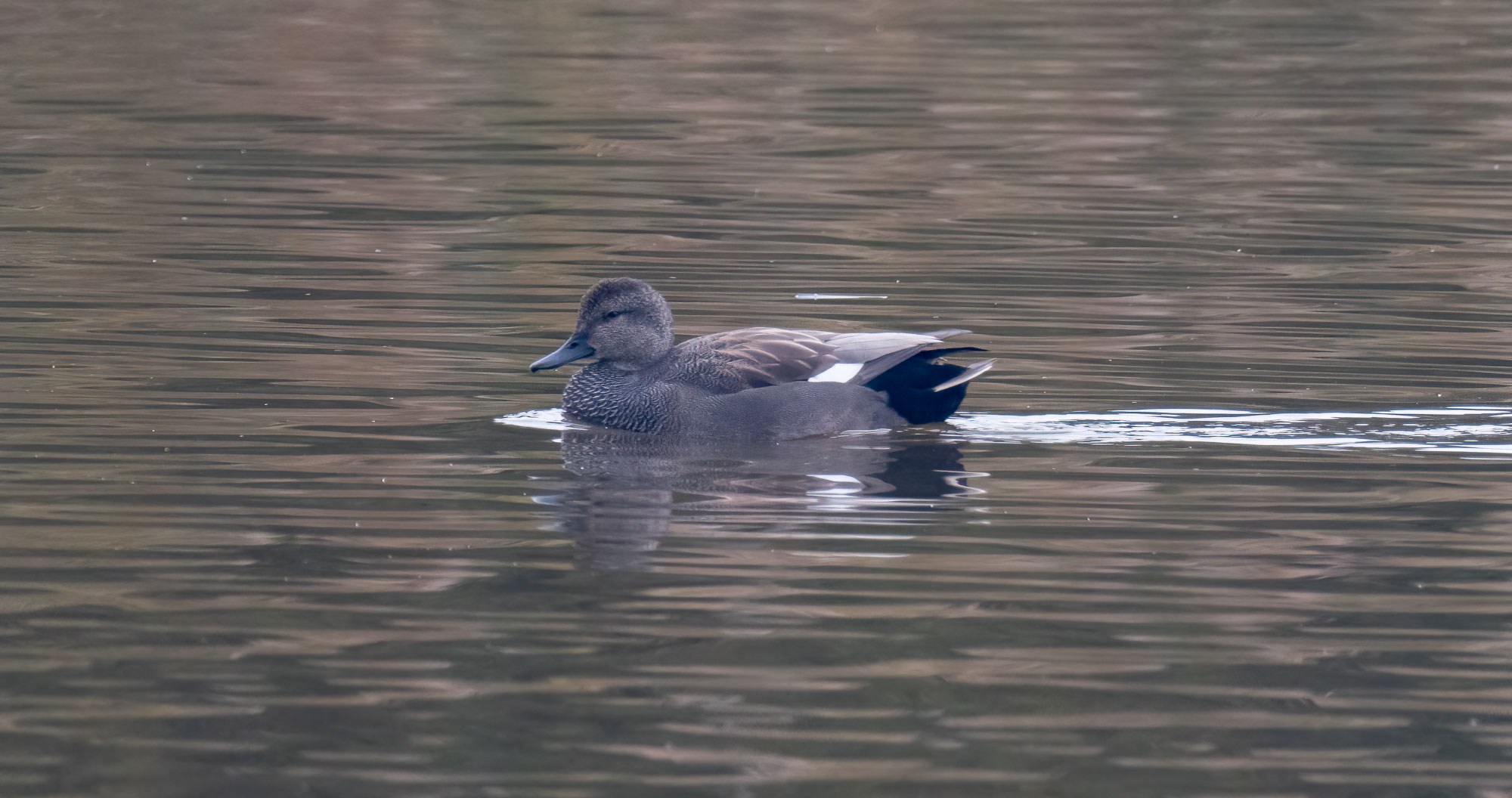
On Black Water there were good numbers of ducks with new highs for me of 82 Gadwall and 29 Tufted Duck.
male Gadwall
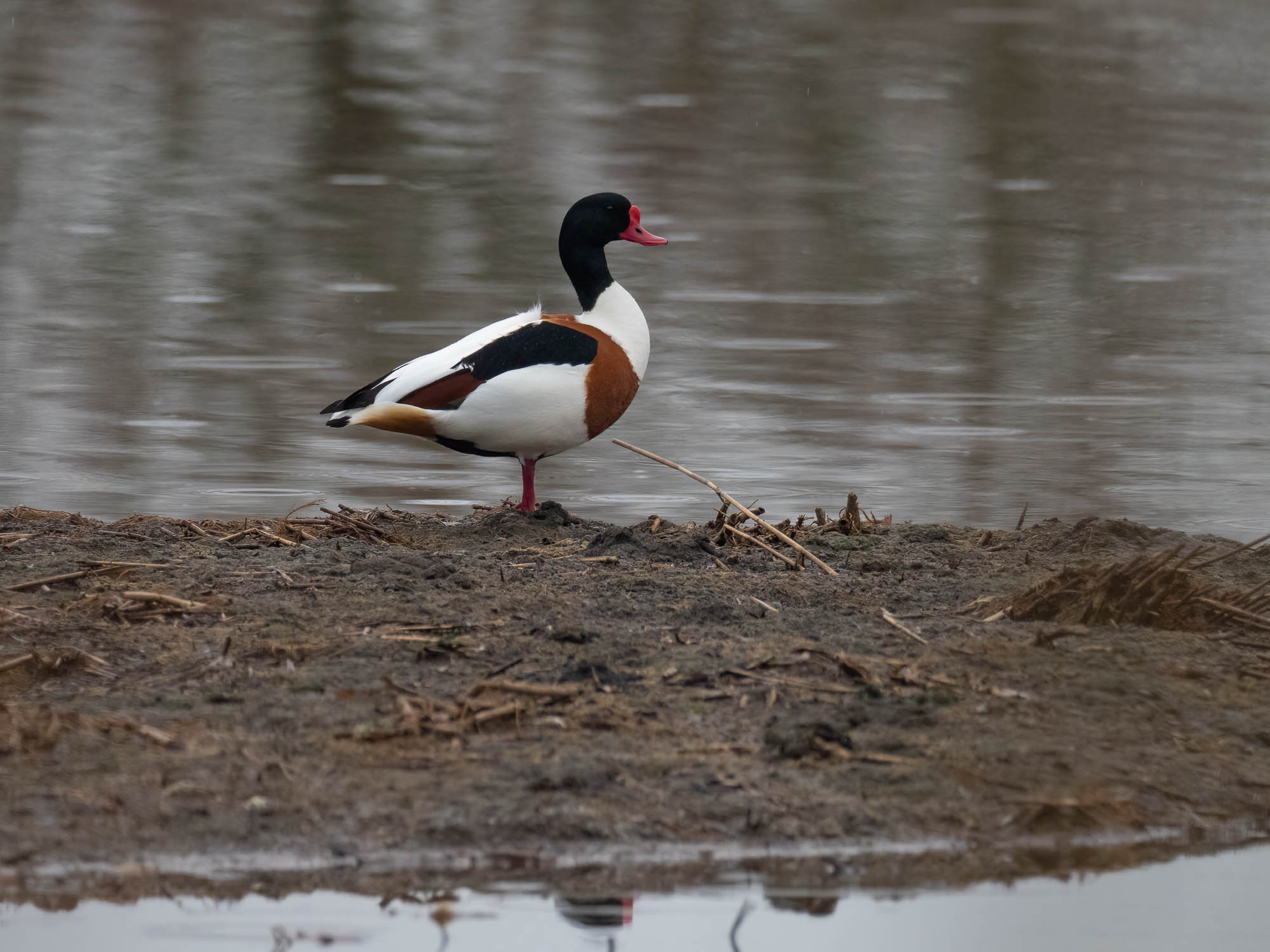
On De L’Orne Scrape there were 4 Black-tailed Godwit and a Greenshank and plenty of Shelduck, Shoveler, Teal and Wigeon.
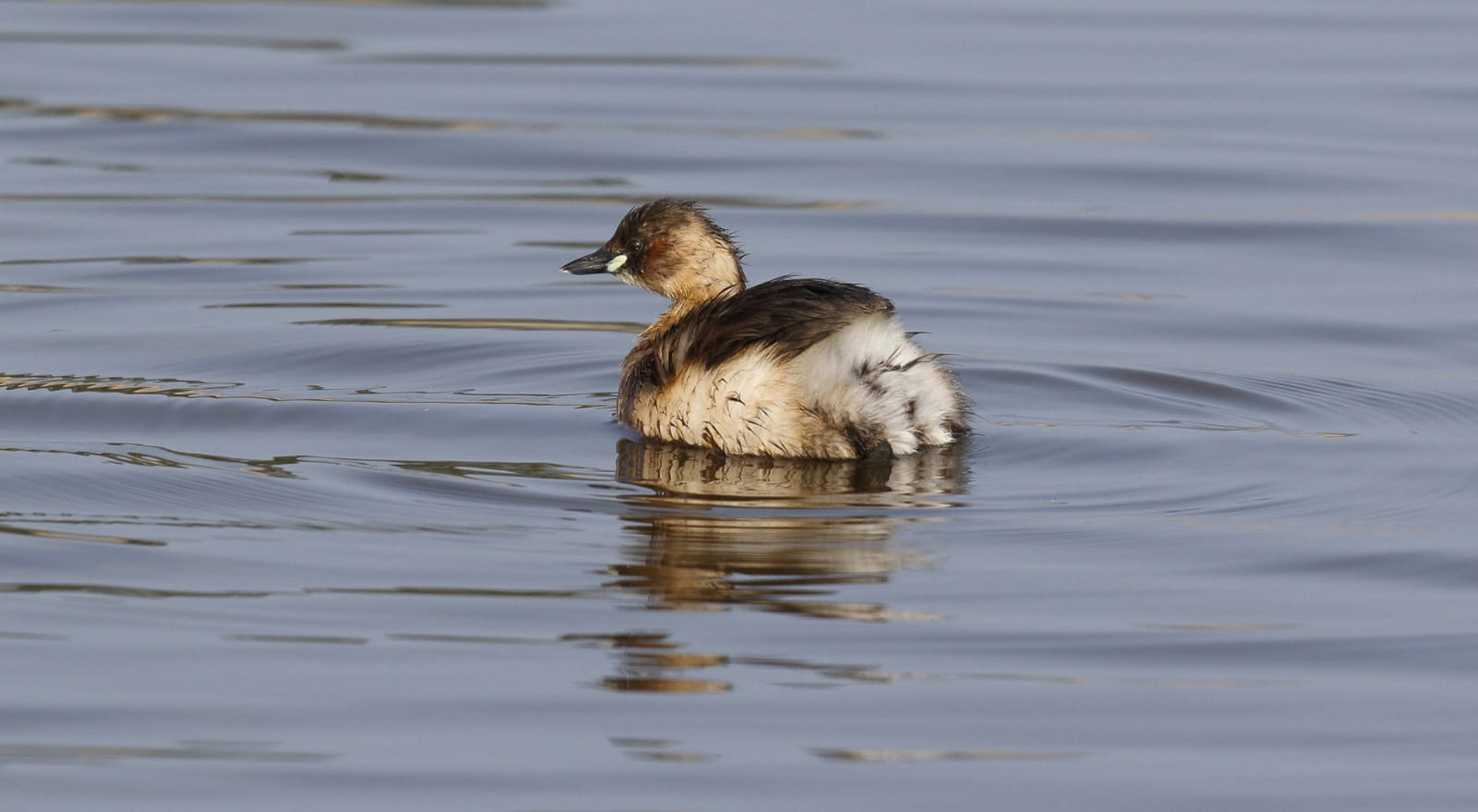
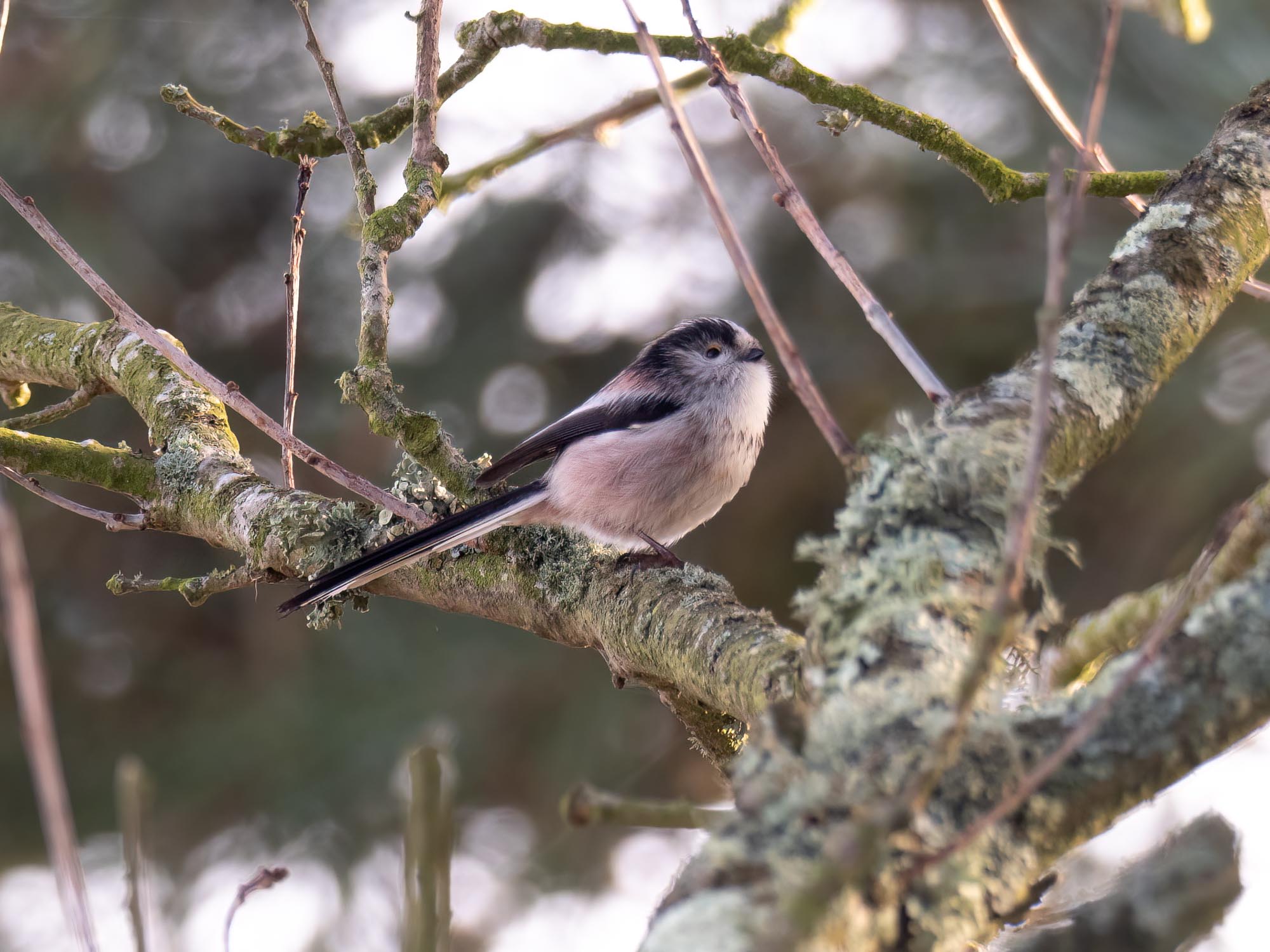
ShelduckLittle Grebe photo by Ian WilliamsonLong-tailed Tit
On the walk over to the hides it was good to hear several Skylark singing.
Pale-bellied Brent Goose
Another brief sea watch from the Sailing Club produced a female Eider and the highlight of the day was the Pale-bellied Brent Goose feeding on the near edge of Gull Island.
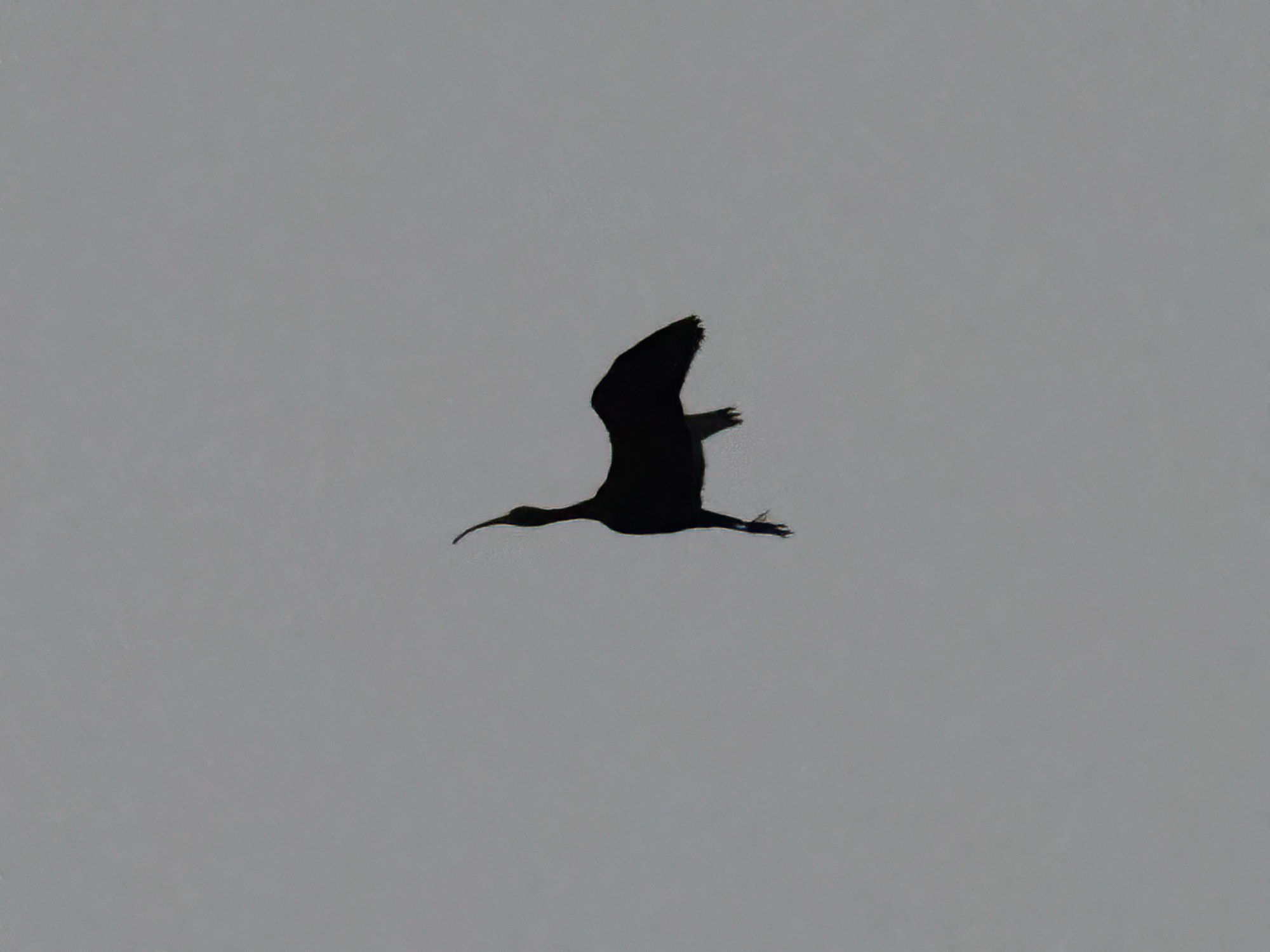
On the 1st January a bird race around the reserve produced 97 species, an amazing total for January. Highlights were three Glossy Ibis found by Ian going over the Reedy Ditch before they headed over to Park Farm. I saw one of the Glossy Ibis again on the 10th flying over the Reedy Ditch.
Glossy Ibis
Also on New Year’s Day four Brambling were calling close to the Reedy Ditch and sea watching produced an unexpected Kittiwake. Around midday a bat was seen flying near Long Pits Gate, I didn’t have my Echo Meter but assume it was one of the pipistrelle species.
Brambling calling near the paddock and Reedy Ditch
On the 6th seven Red-throated Divers flying west was the highest ever count at Needs Ore.
On the 10th I watched a Woodcock, via thermal camera, feeding in Long Pits prior to dawn. Shortly afterwards Little Owls were heard calling from the western end of the reserve and a Barn Owl was quartering over the reeds towards Park Shore. The same day Otter spraints were found on the boardwalk bridge.
Little Owl callingFirecrest
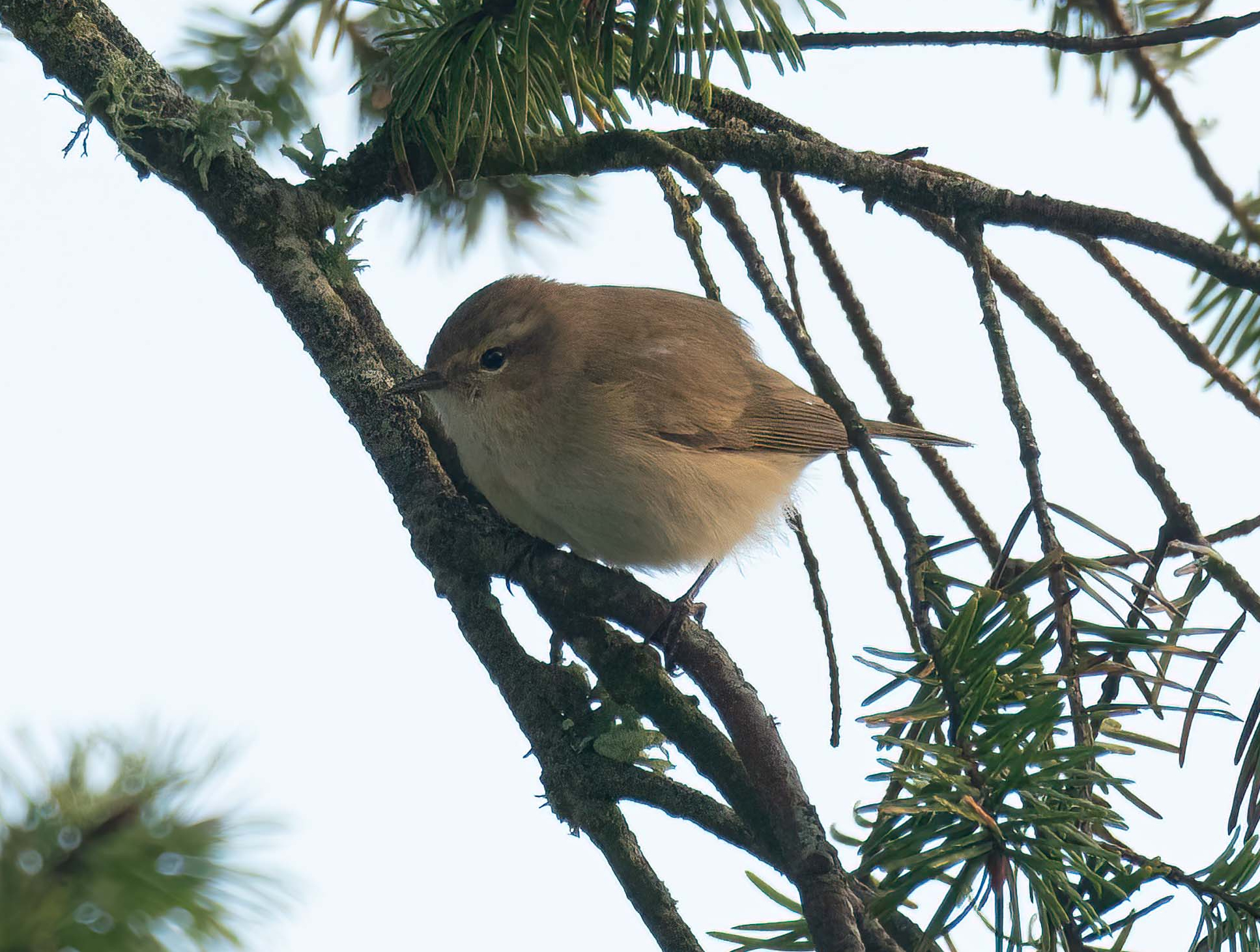
In the gardens at Rye Errish (Park Lane) on the 10th a Siberian Chiffchaff was discovered wintering with two Common Chiffchaffs and several Firecrests and Goldcrests. I saw the Siberian Chiffchaff again on the 13th and the 23rd but despite visiting on at least four other occasions it wasn’t heard to call.
Siberian Chiffchaff
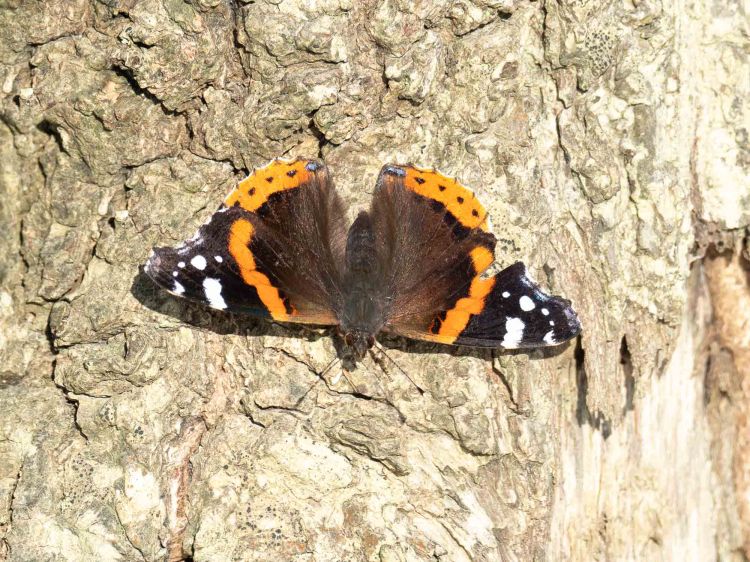
On the 13th a Crossbill was seen flying over Rye Errish and an unseasonal Red Admiral settled on a tree near Shore Hide to bask in the sun.
Red Admiral
The Pale-bellied Brent Goose was with the large Brent Goose flock on the 16th and later that day a ringtail Hen Harrier (initially found by Nigel) was quartering along Warren Shore.
Pale-bellied Brent Goose
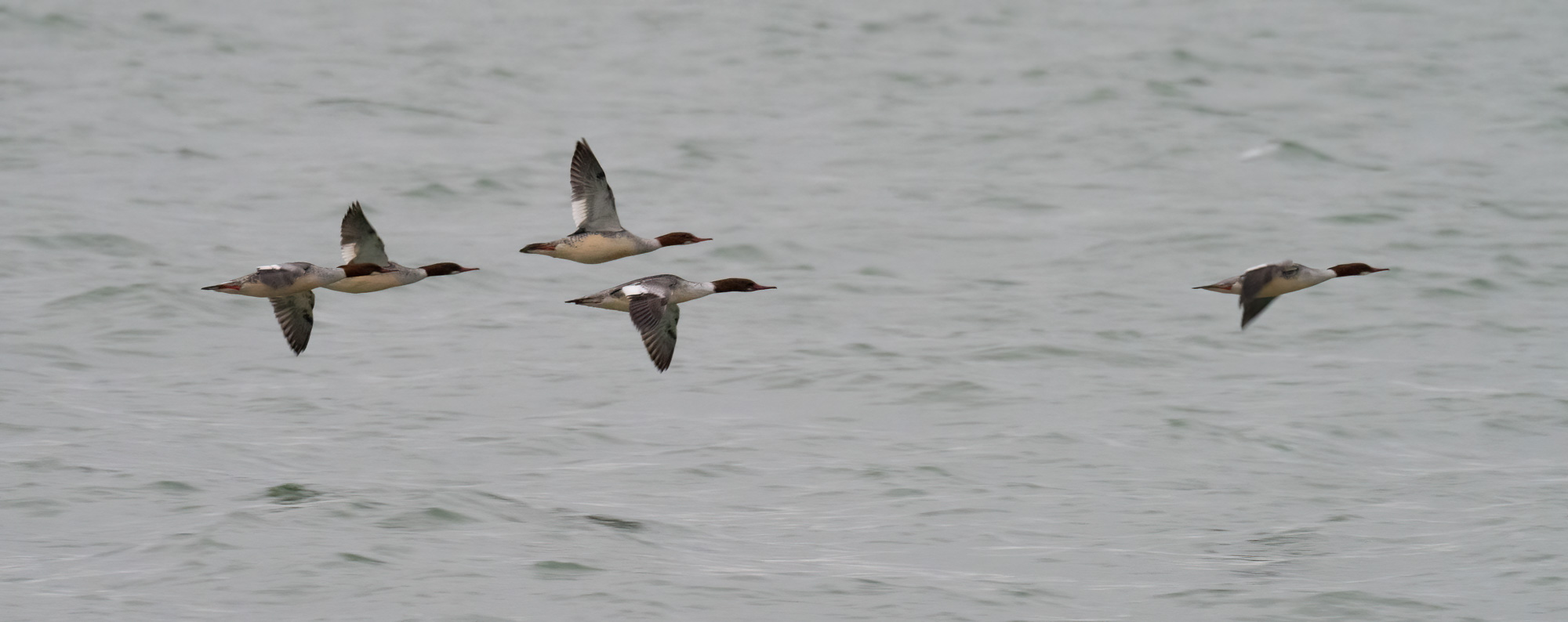
A pair of Goosander flew west on the 19th and then another five flew west on the 27th.
Goosander
86 Black-tailed Godwit on the 23rd is my highest count on the reserve although I can see from historic records (10-25 years ago) that there have previously been counts of 500 or more.
25 mobile Eider were off shore on the 27th and over at the hides 63 Golden Plover appeared from the north and were spooked by one of the White-tailed Eagles before landing on the Gins.
Golden Plover
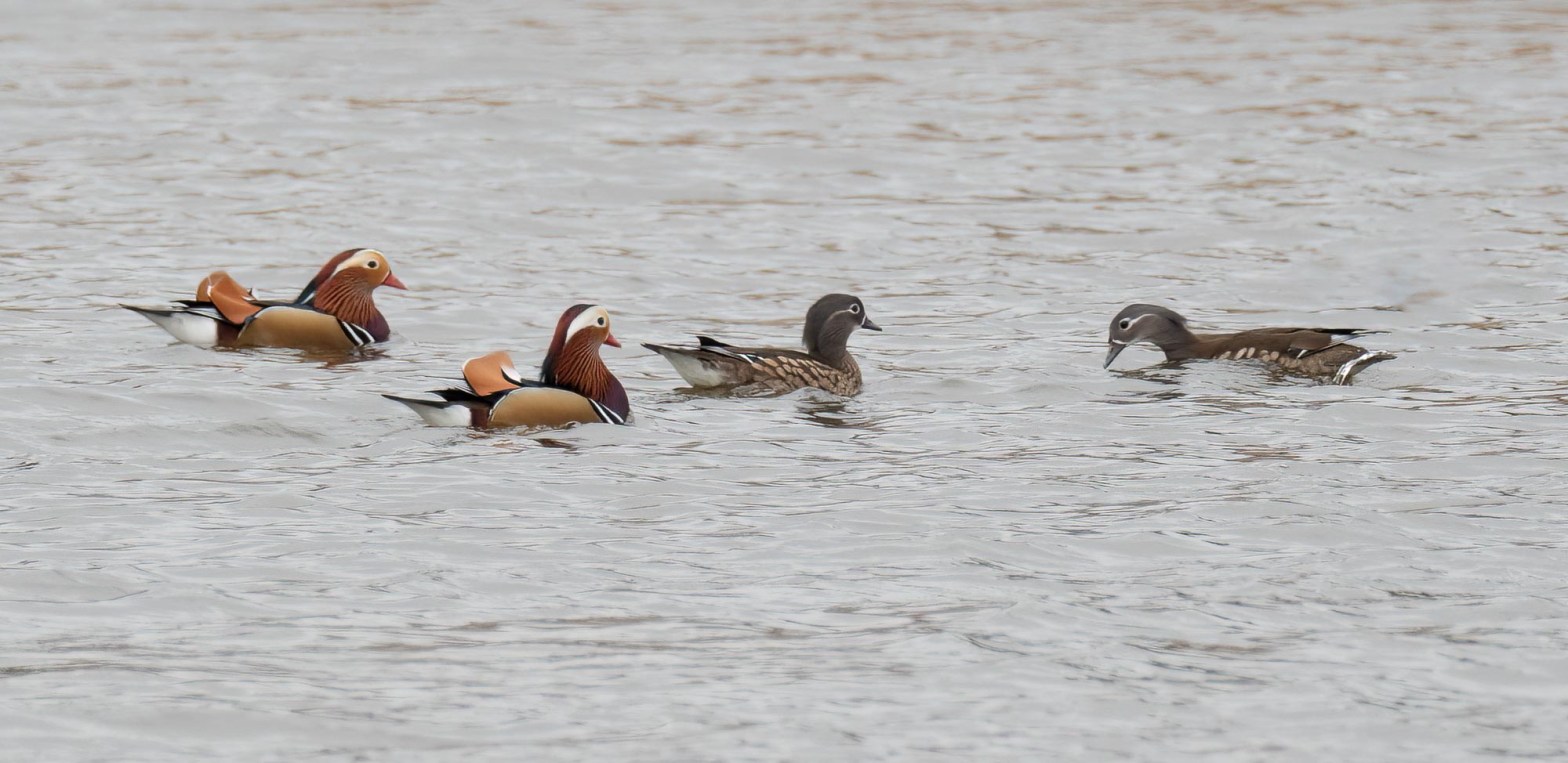
Two pairs of Mandarin Ducks were unexpected and brief visitors to Black Water on the 27th. This is the first Mandarin Duck at Needs Ore for three years and a patch tick for me.
Mandarin Ducks
A Spotted Redshank was heard calling at the Sluice Gate on the 29th, my first definite winter record since December 2020. Park Shore hosted 53 Mediterranean Gulls on the same day with just one 1st winter bird amongst them.
Birds present all month included the wintering Avocet group whose numbers had increased to 17.
Cattle Egret photo by Ian Williamson
The two Cattle Egrets remained close to Park Farm. Dartford Warbler numbers appeared to fall in the month and the last one I saw or heard was on the 19th. Razorbill and Guillemot numbers also appeared to decline towards the end of the month.
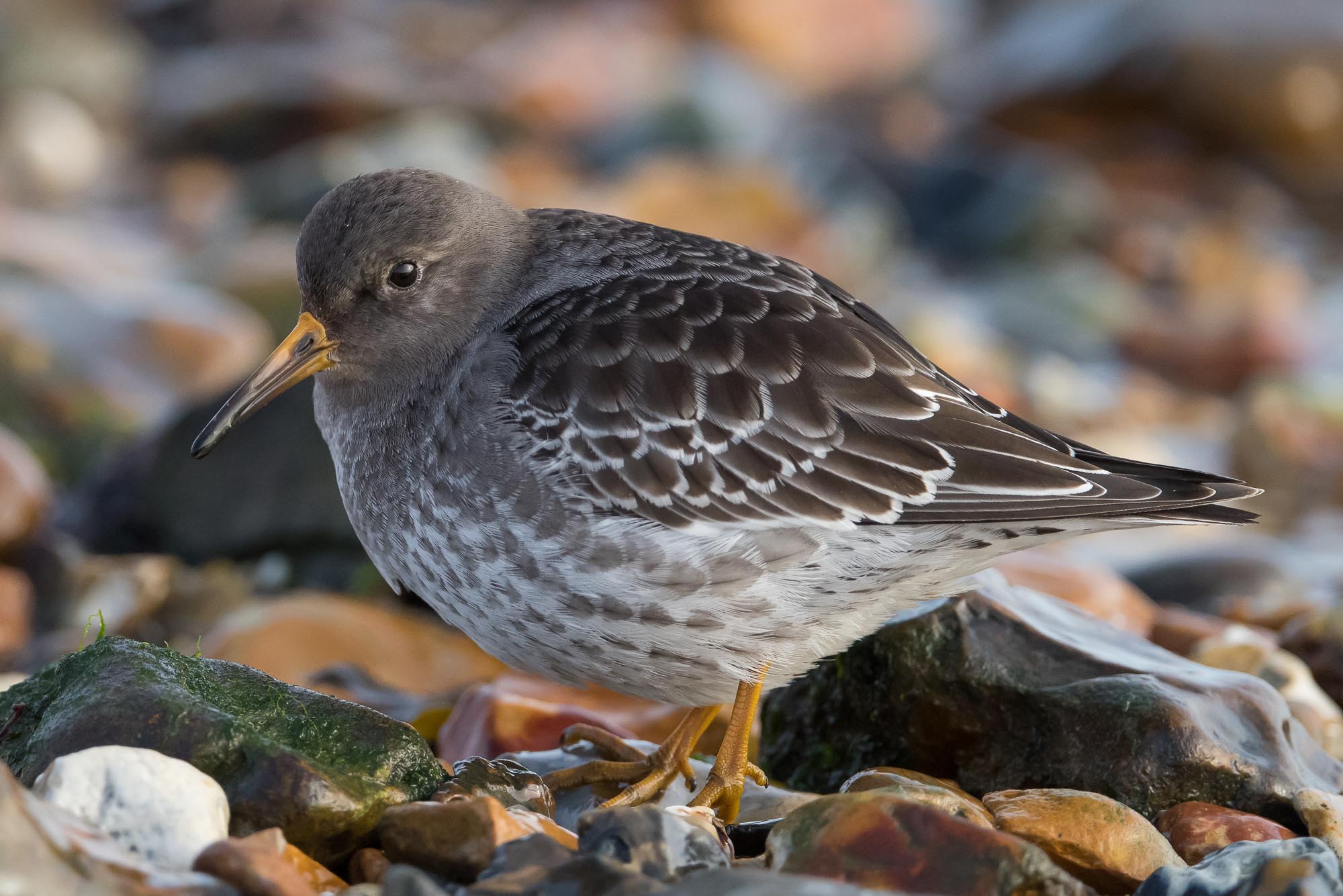
The 1st winter Purple Sandpiper remained on Warren Shore throughout January and was also seen with the roosting Dunlin on Inchmery Saltmarsh on the 29th.
Purple Sandpiper photo by Brian Fairbrother
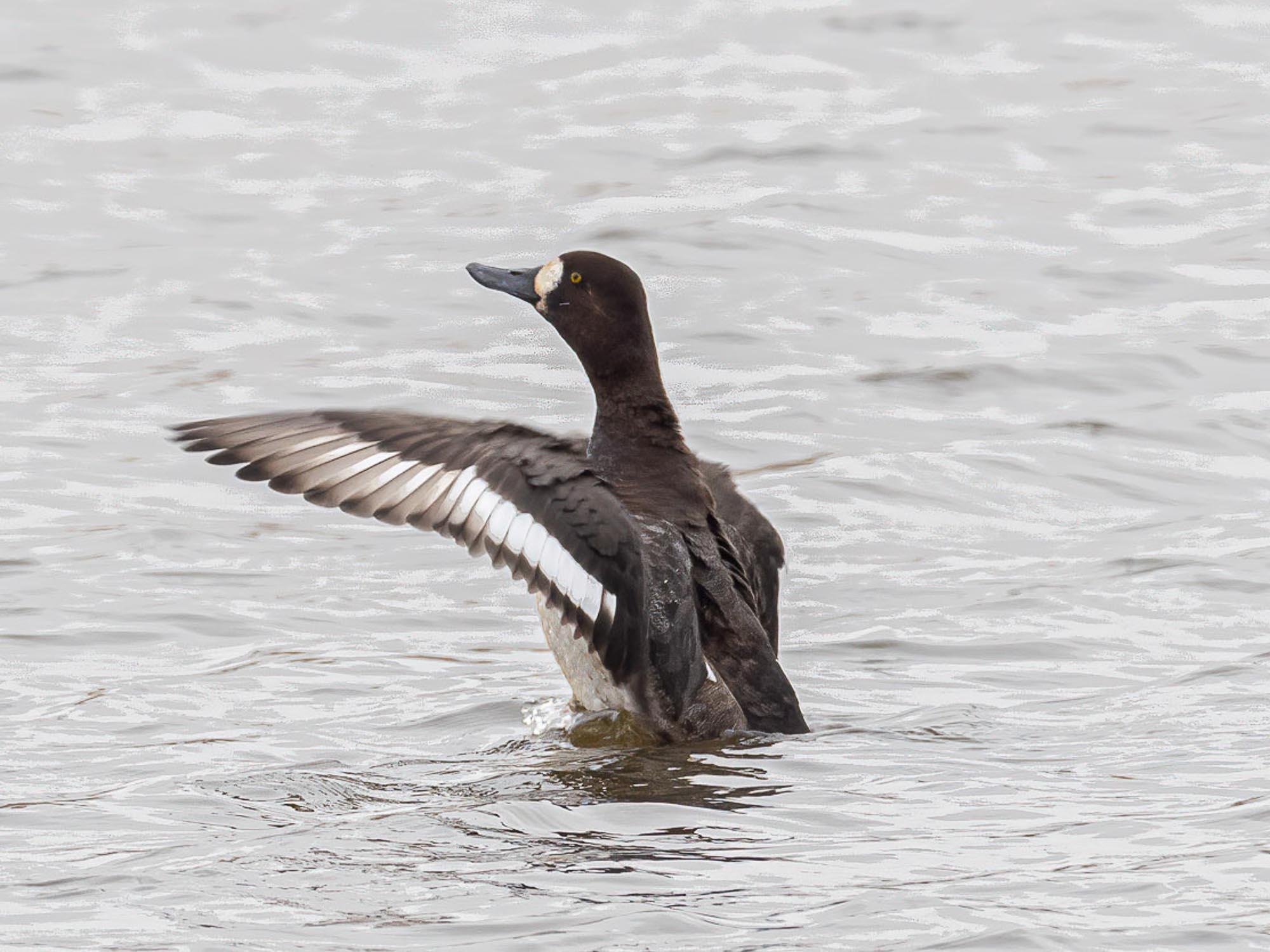
The number of wintering Slavonian Grebes increased to five during the final week of January and the wintering Spoonbill group remained at 14 adults. The first winter female Scaup remained on Black Water throughout the month.













 Patch Birding