April 2022, Spring 2022

April 3rd to 9th 2022

A run of cold northerly winds continued to slow up the arrival of new migrants. By this time last year I had seen Sand Martin, Reed Warbler, Sedge Warbler, Willow Warbler, Whitethroat and House Martin, none of these so far this year.

Small groups of Eider were moving back and forth on the sea, a female Red-breasted Merganser was still around as were small groups of Dunlin but other than Mediterranean Gulls and Black-headed Gulls there was very little spring passage on the sea. On the WeBS count there were impressive numbers of Mediterranean Gulls (298) almost all adults gathering in their normal spot south east of Inchmery Quay.

A Brown Hare trotted towards me near Mary Monts and allowed some photos as it headed away. You can see the rufous colour, long legs, black-tipped ears and also the tail held low unlike the Rabbit which holds it up flashing the white more obviously.
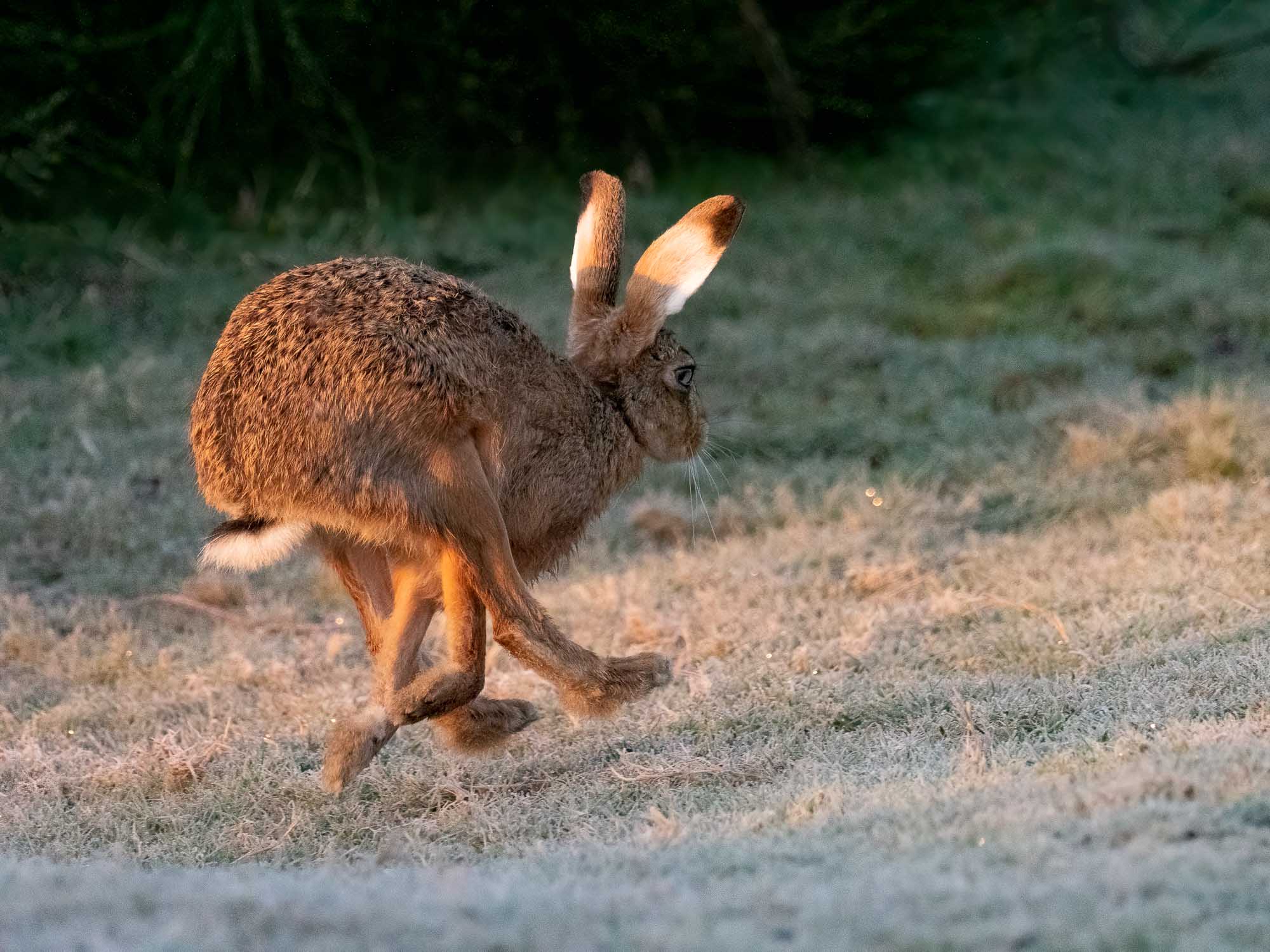
Brown Hare

On the Breeding Bird Transect I walked along Gravelly Marsh to the Flight Pond and just like a week ago there was a Green Sandpiper, this time a pair flew up away from me. I managed a distant photo as they landed on the far end of the Flight Pond. They are on their way to breed in Finland and Russia having spent the winter in southern Europe or possibly Africa.
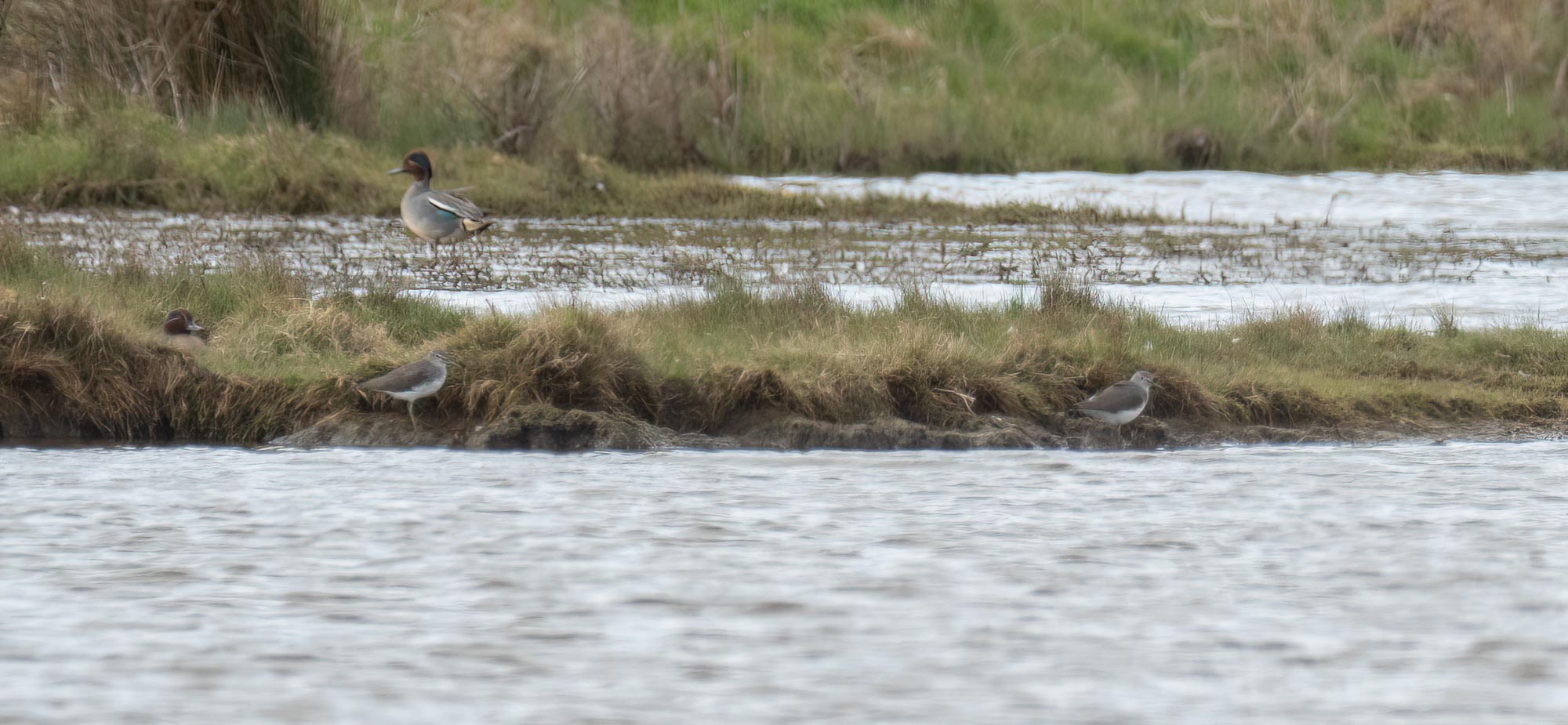
Green Sandpipers

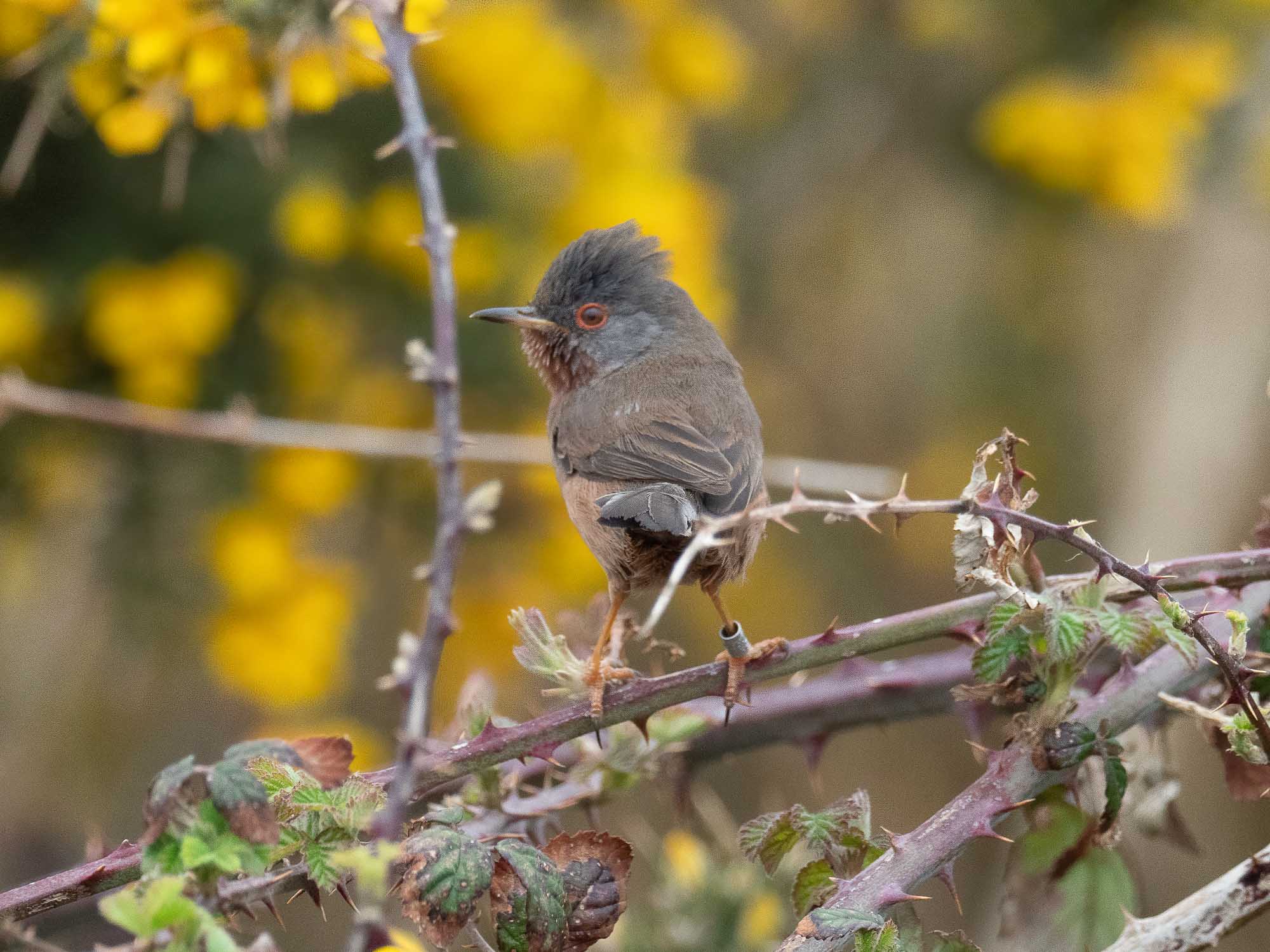
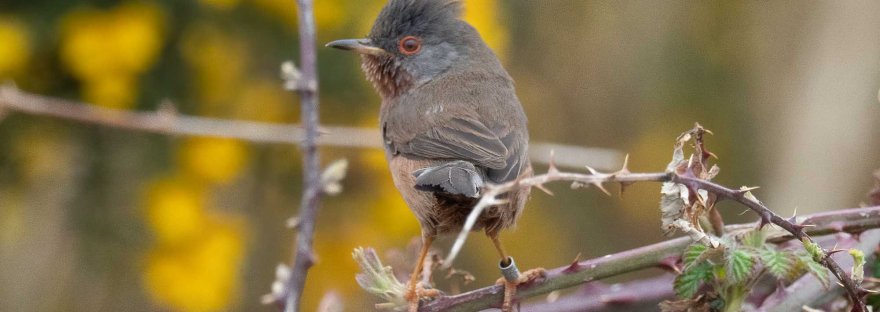
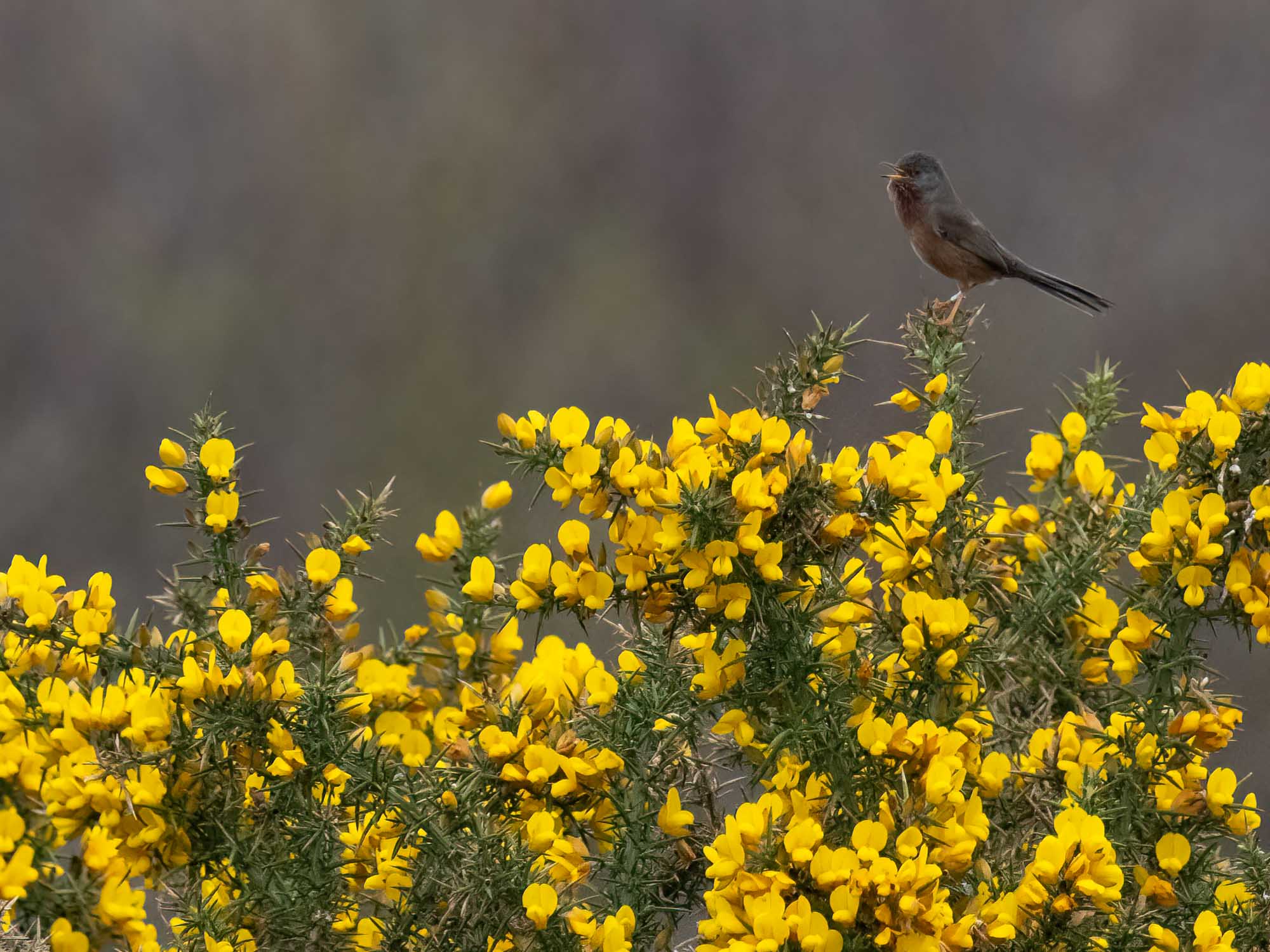
The male Dartford Warbler was still singing in the same patch of gorse in the private areas. I also saw a singing male Dartford Warbler displaying in the gorse 200 yards to the east of there. He had flown in from further east and so if this is the same male he is having to venture further and further afield trying to find a female. At some stage he will give up if he’s not successful. 

Dartford Warbler

A few days later and after willing the singing Dartford Warbler to find a female he did finally find another Dartford Warbler but unfortunately the new bird was also a male and also a ringed male. They sparred with each other. Graham had ringed two males in the autumn and this is no doubt the same two males.

Dartford Warbler males

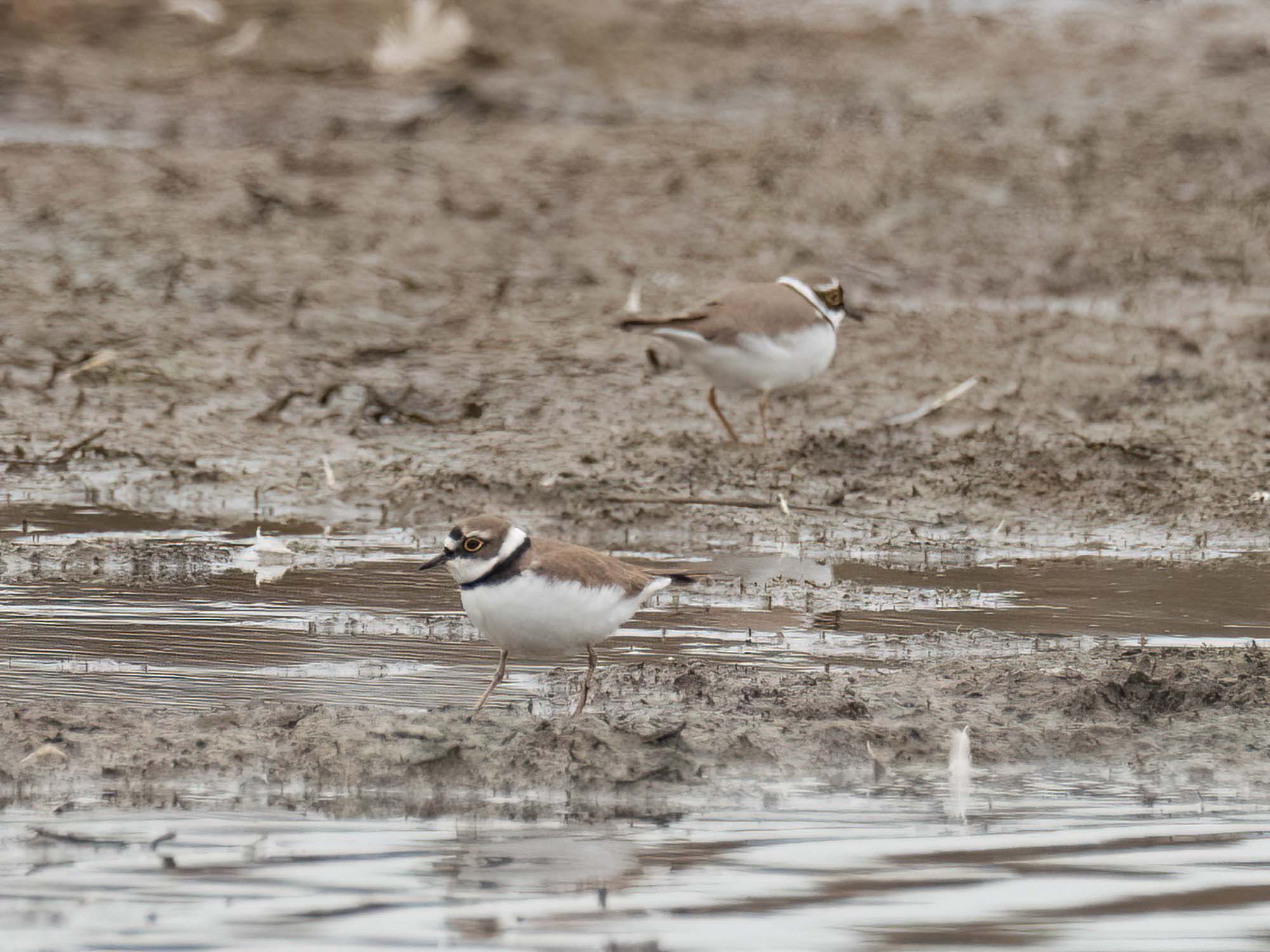
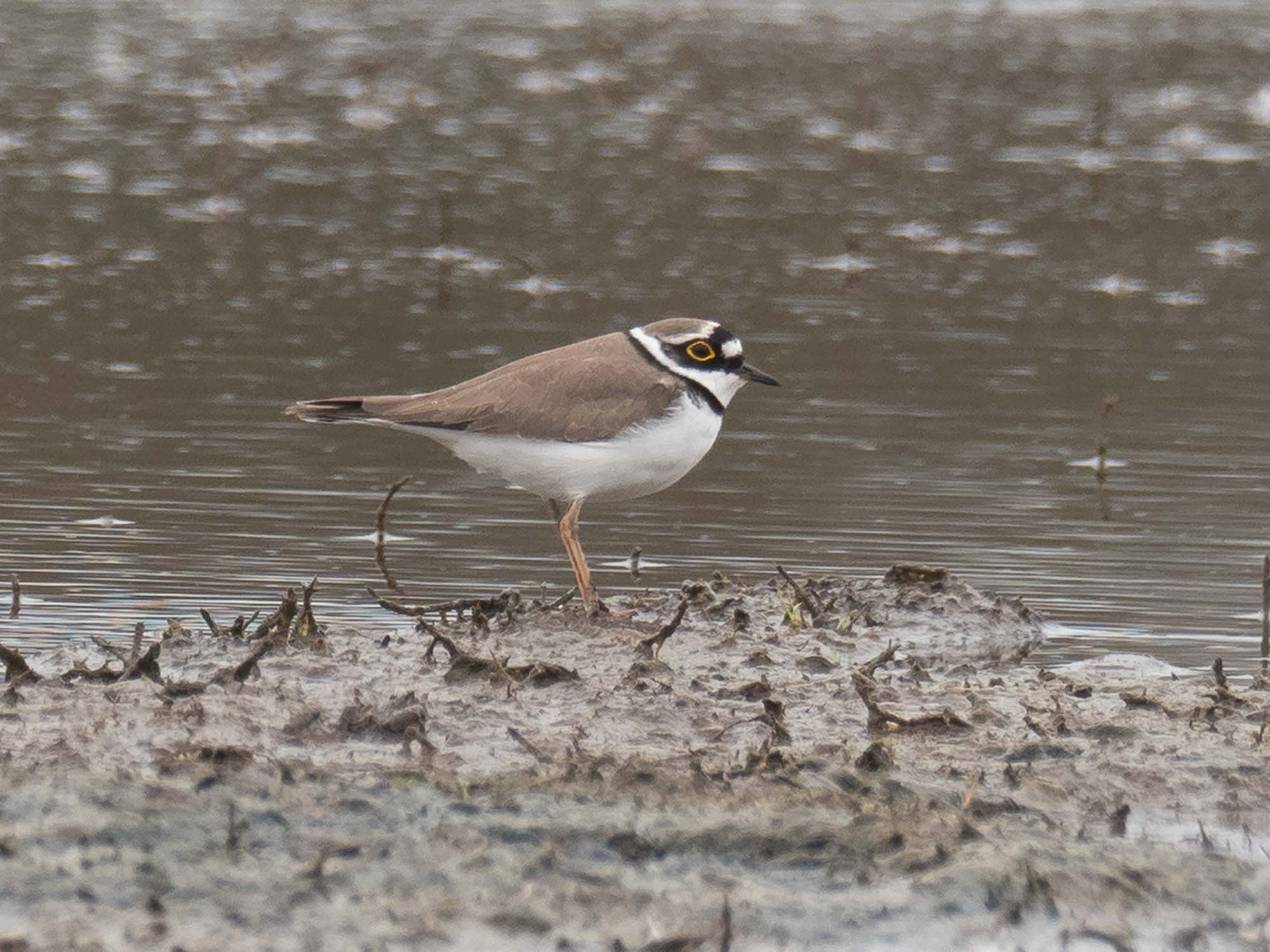
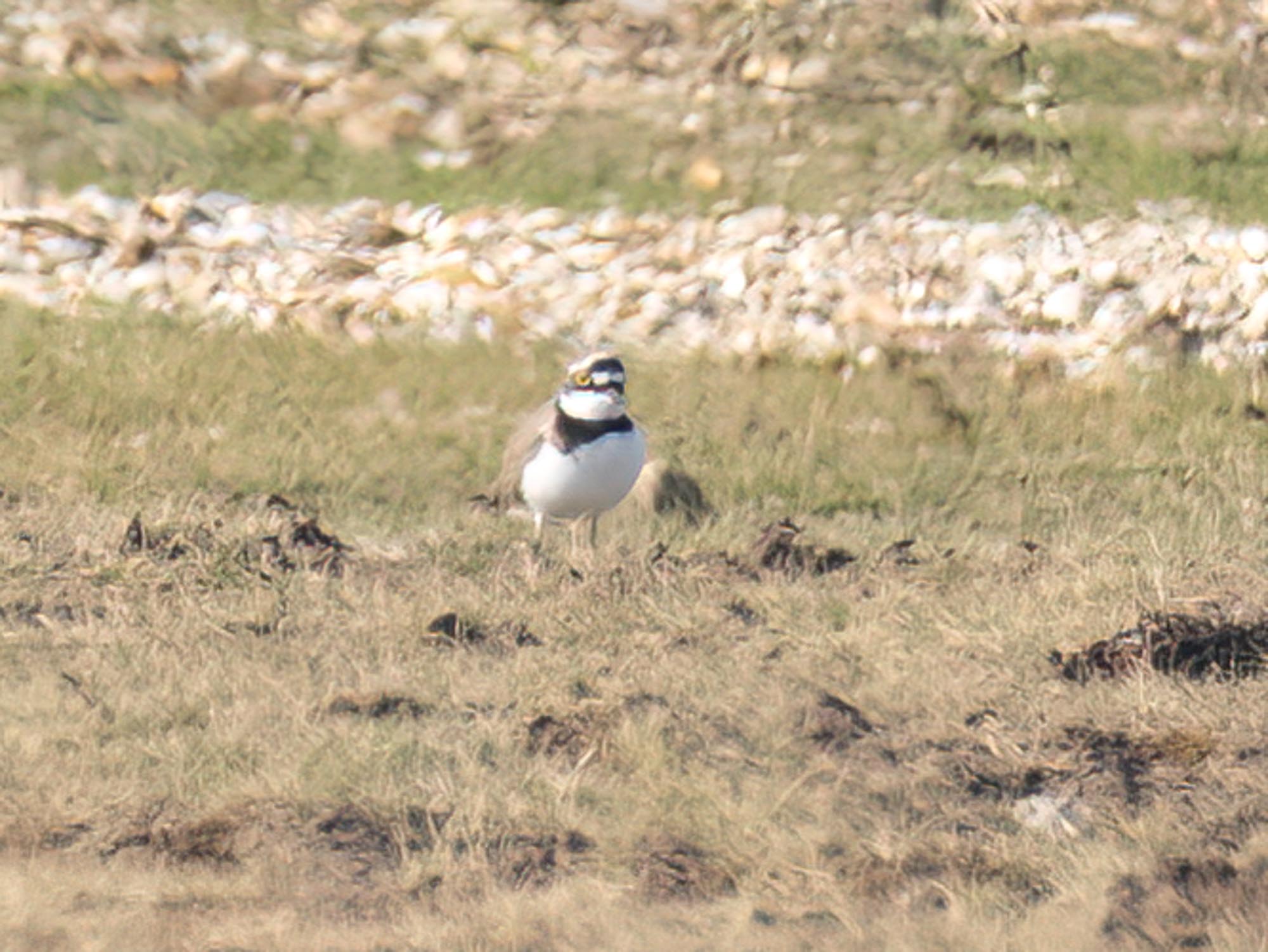
For two consecutive visits to the private area around Great Marsh there had been no sign of the Little Ringed Plover pair. It’s still early in the season and so I assumed that they had gone to check out other possible sites, last year we didn’t find the nest until the 9th May. At the end of the week, however, I was delighted to relocate them feeding on Great Marsh.
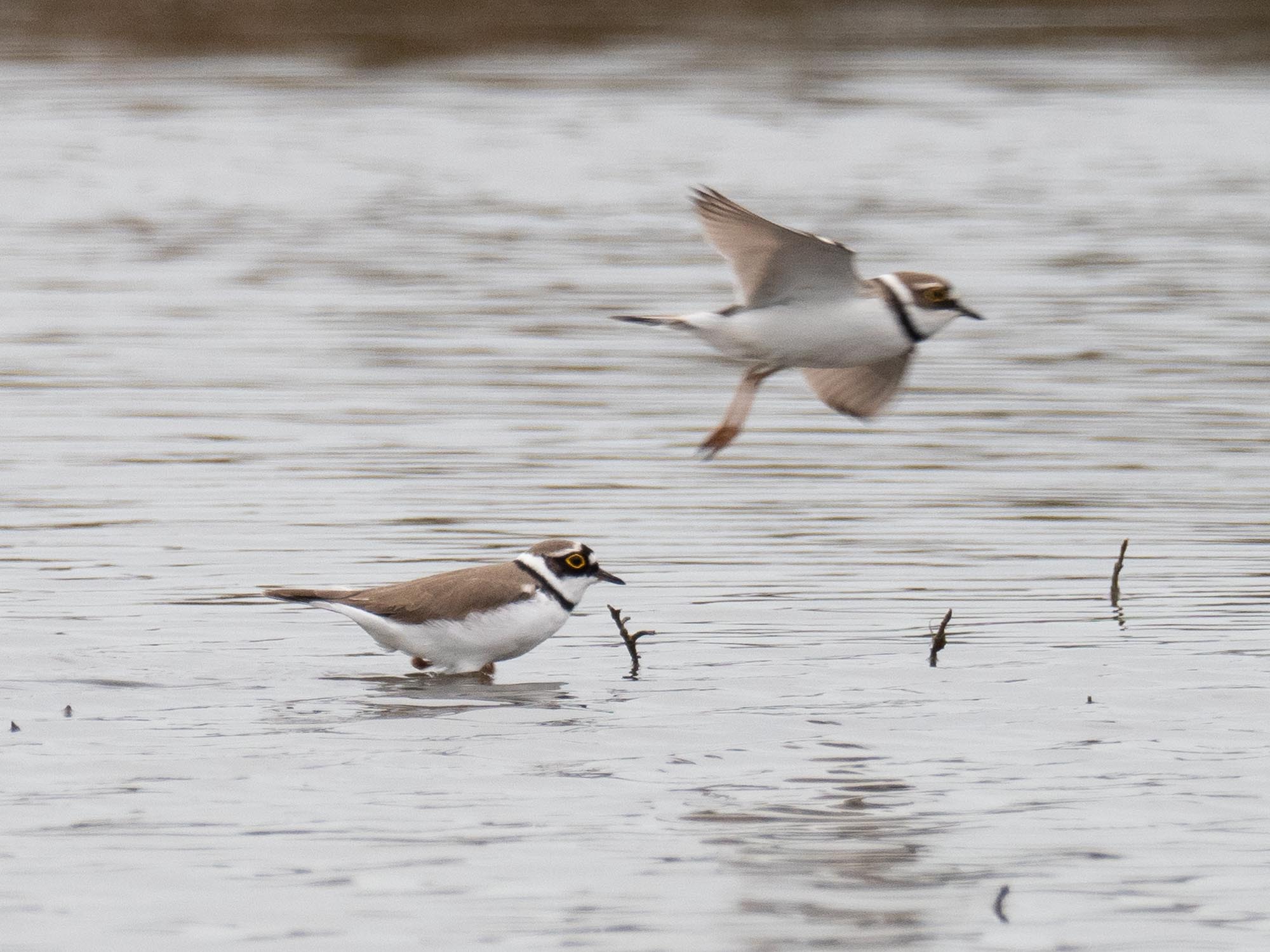
Little Ringed Plover

I watched them feeding for a few minutes and then doubled back so as not to disturb them, soon afterwards I heard them calling and when I got back to the shingle I noticed that they had dropped in very close to where they bred last year. The male started displaying and they soon mated and the female started sitting, a few seconds later they changed places. Over the next hour or so they moved away from this area to feed. As they didn’t return to the marsh I decided not to investigate the nest site especially as it seems that they are early in the process.  

Little Ringed Plover mating

Mediterranean Gulls are moving through the reserve in goods numbers and they often settle on Great Marsh where they were nicely front lit.
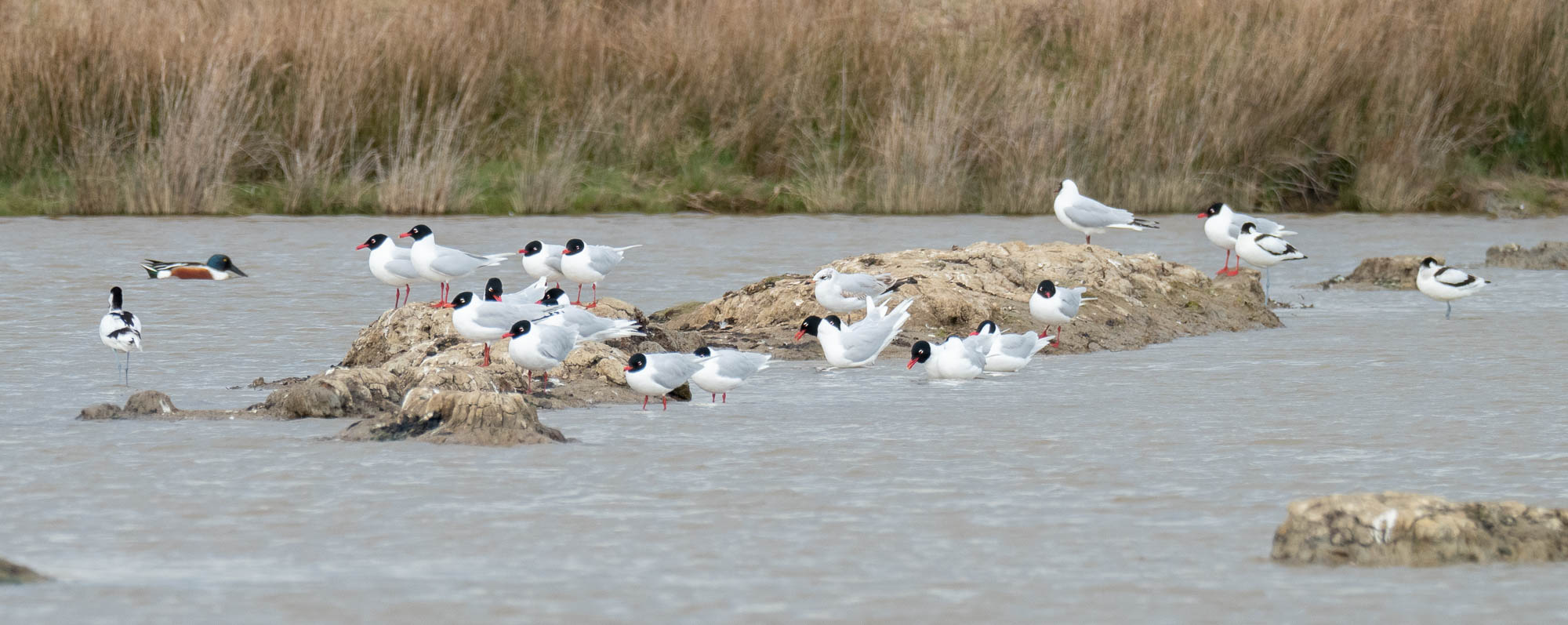
Mediterranean Gulls

On the private side of the Park Shore fence the confiding Purple Sandpiper was associating with Turnstones. It seems likely to be heading back to Norway or Iceland soon while the Turnstones will be heading back to the Scandinavian coast. When I walked back to the groynes later in the week there were 59 Turnstone together but no sign of the Purple Sandpiper.

Purple Sandpiper

As it was a little warmer towards the end of the week I tried out a new Emperor Moth pheromone lure. People have had good success with these in other places this spring. Emperors Moths are fairly common in the New Forest but difficult to see well as they always seem to be dashing off somewhere. I attached the pheromone-impregnated rubber bung to my tripod and stood upwind of several decent areas of heather and gorse but unfortunately no luck today.

I finally had a Merlin for the year, a large looking female dashed out across in front of me when I was at Wheatear Corner and then landed on the up-turned tree roots on the shingle ridge. Once the clouds covered the sun the heat haze softened slightly and I could get a record shot. She will be heading north soon to breed on the moors in Wales, Northern England or Scotland.
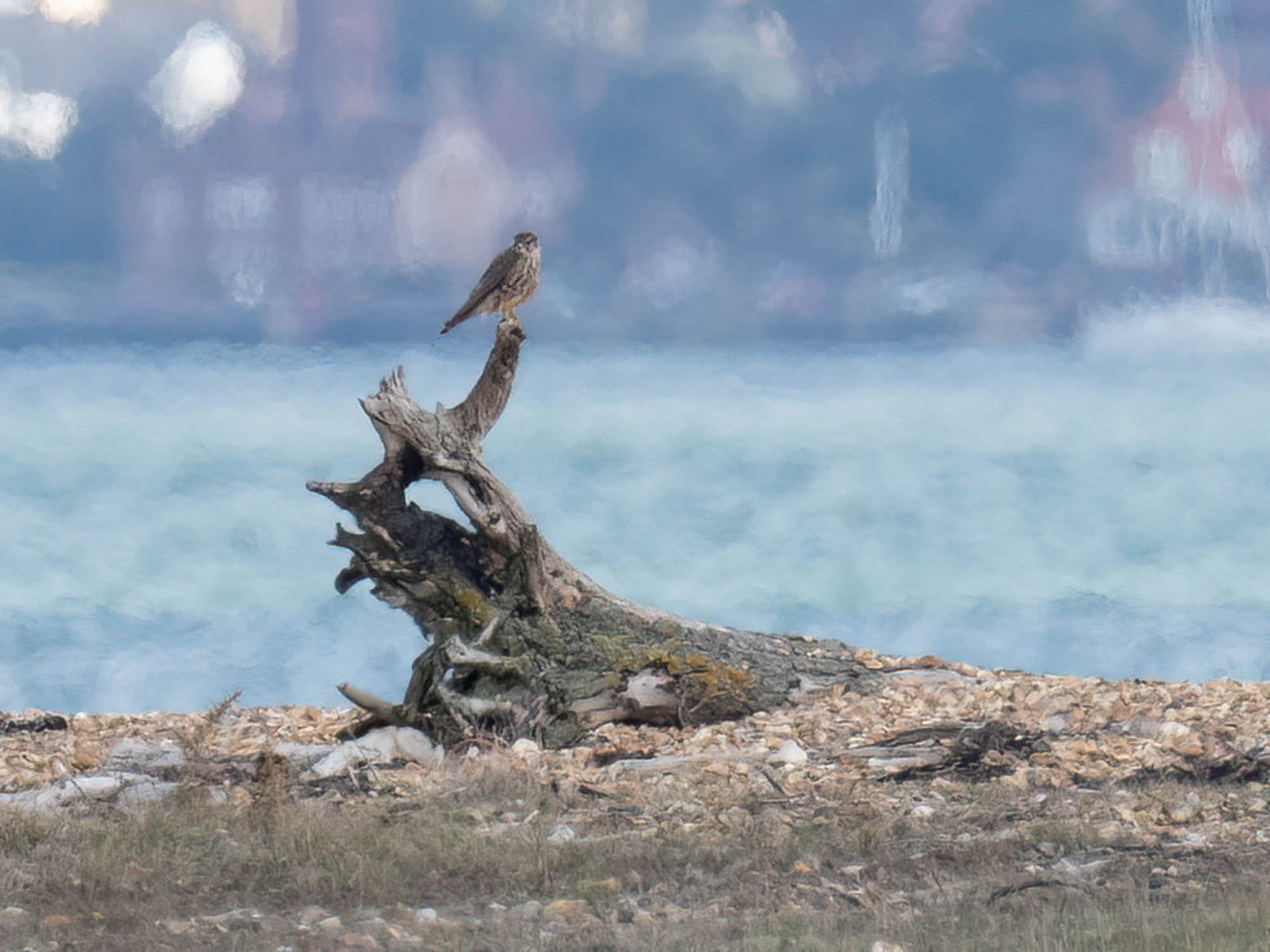
female Merlin

The pale phase Buzzard appeared again looking nicely backlit.

pale phase Buzzard

Two Sandwich Terns were patrolling the river and one of them showed dark primary coverts which made me wonder if it was a 1st summer bird. This would be unusual as the vast majority of terns (including Sandwich Terns) remain in their winter quarters (including Gambia and Senegal) during their first summer. Having spoken to Graham, I think that this may be an adult which has, unusually, retained several dark primary coverts, the rest of the wing looked clean and the tail was all white.
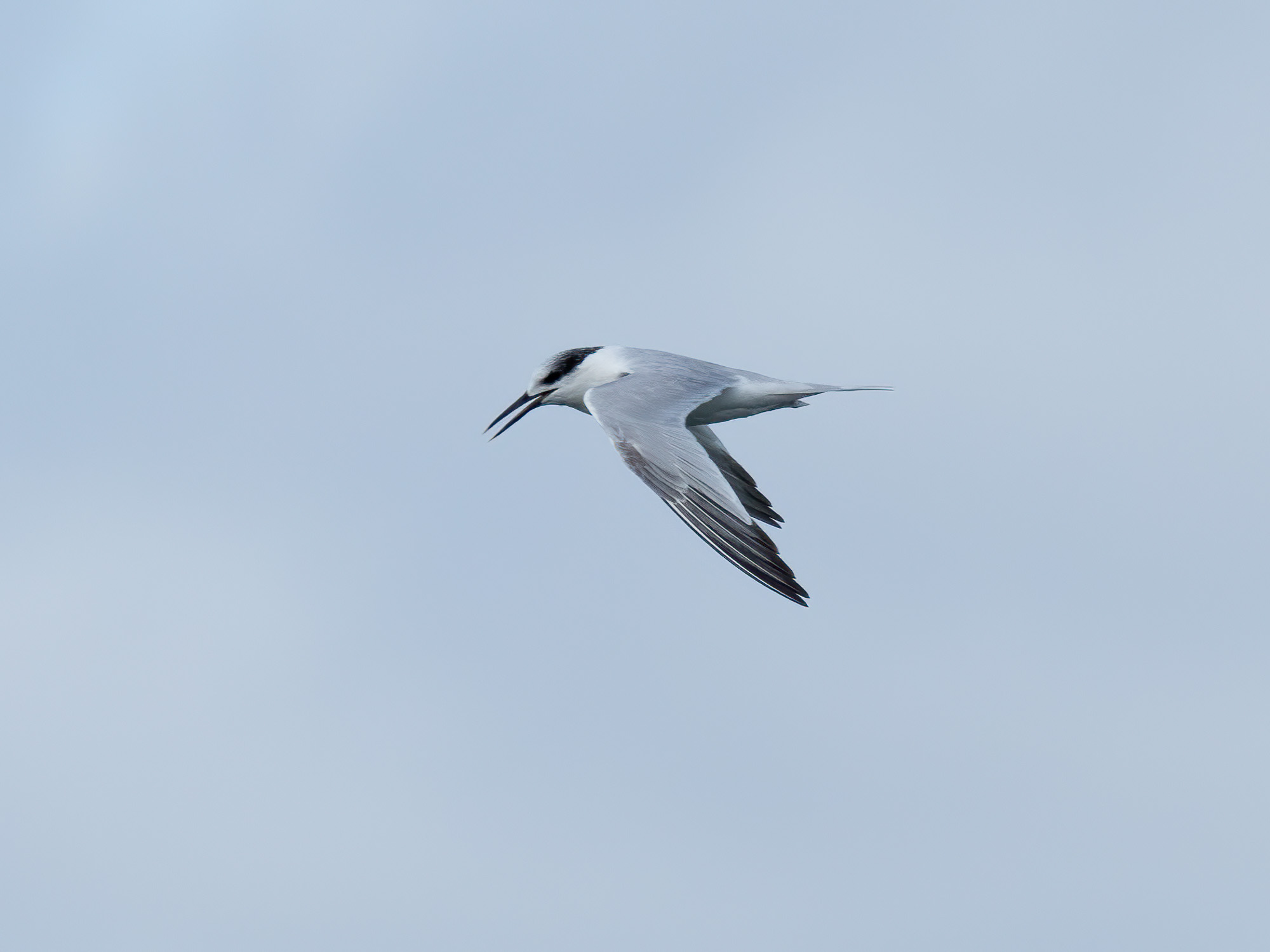
adult Sandwich Tern

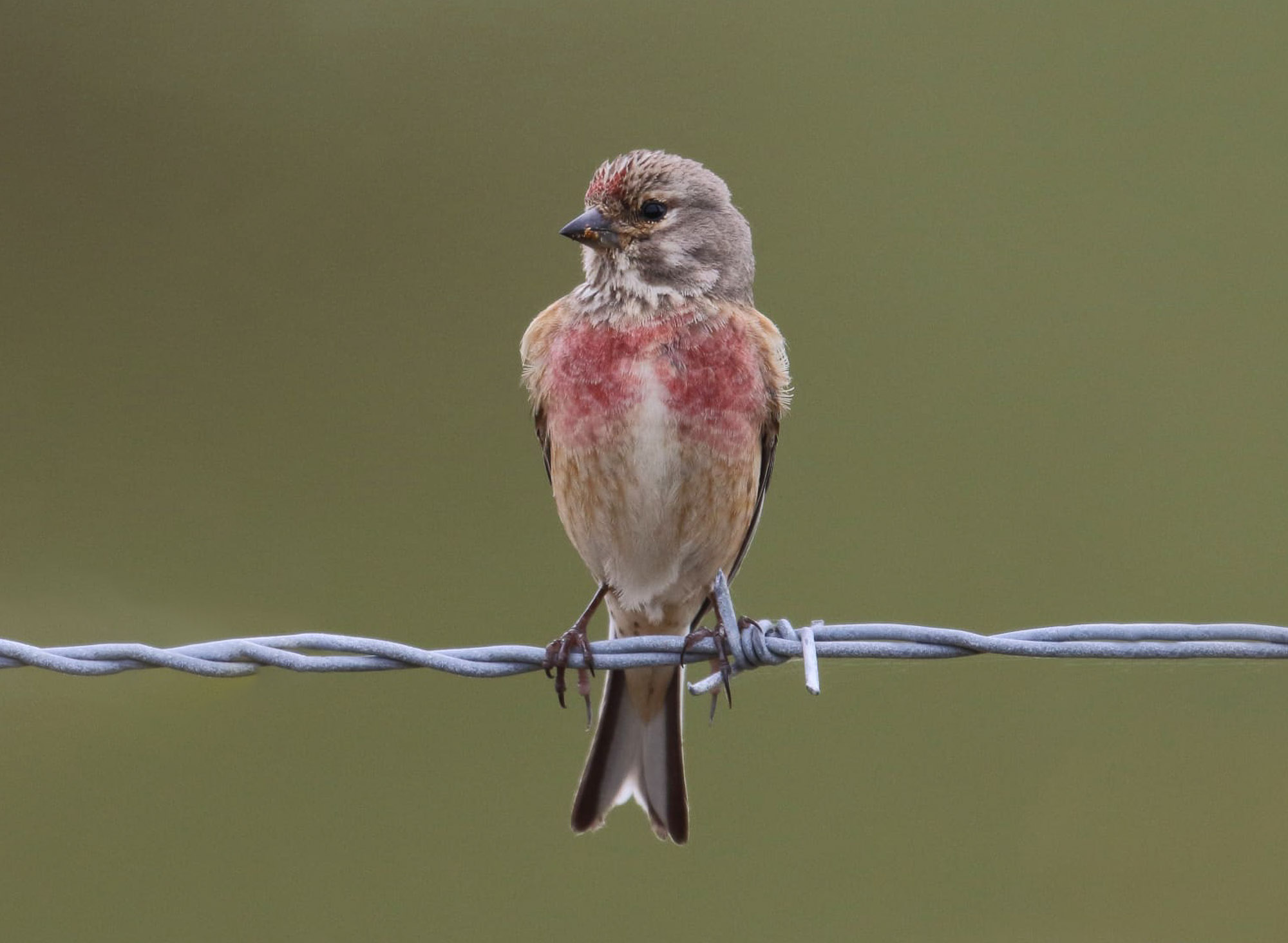
I watched a Linnet bringing back nesting material to a gorse bush near the Warden’s Hut. I didn’t investigate further at this stage as it’s easy for them to abandon during nest building. Later in the week I spent some time with Graham who helped me assess the birds behaviour in order to find Linnet nests without causing any stress for the birds. We found a definite nest site but watched from a distance. 

male Linnet

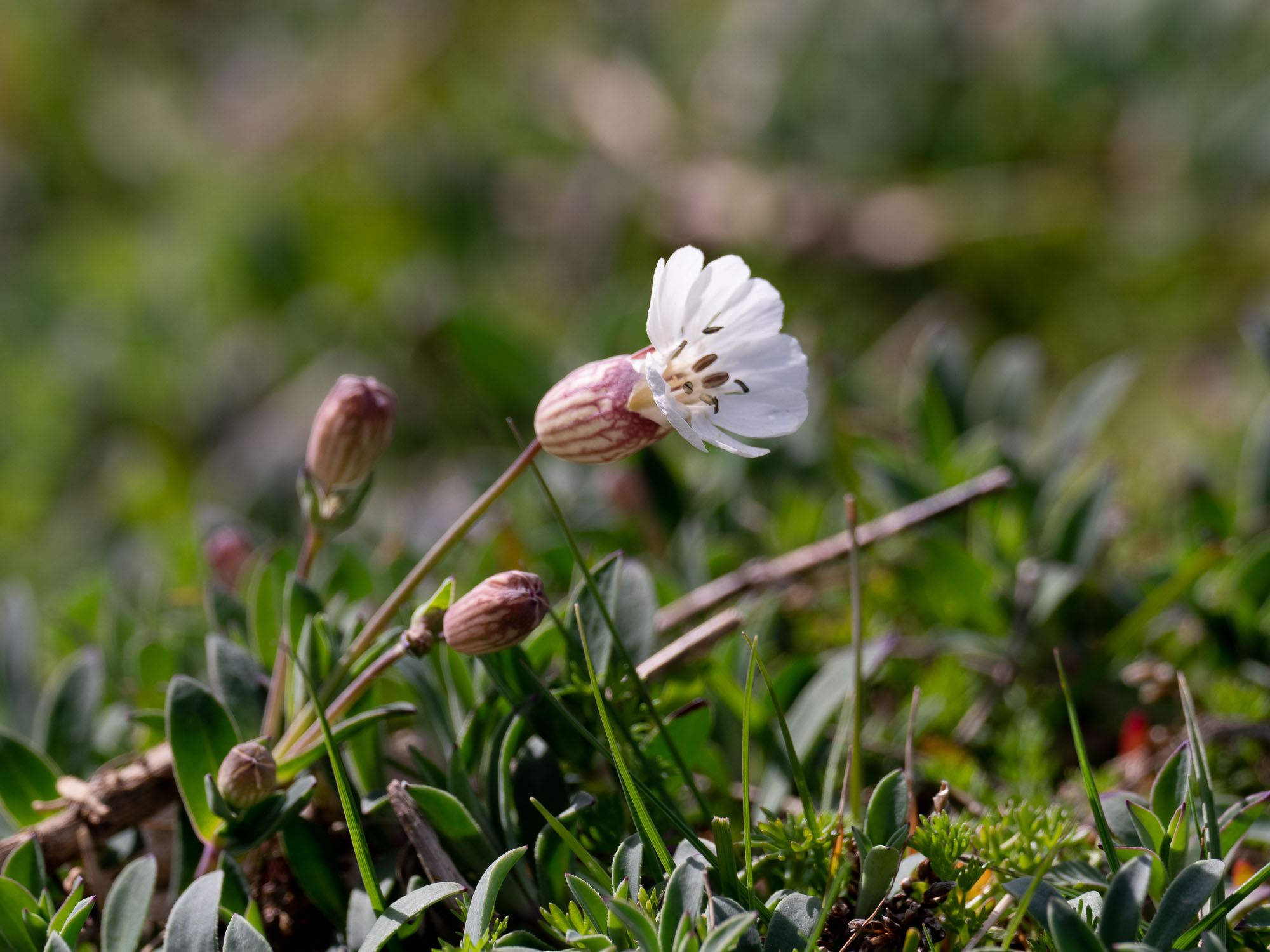
Along the spit near the Warden’s Hut new flowers included Danish Scurvygrass and Sea Campion.

Danish Scurvygrass
Sea Campion

A Whimbrel called from near the Sailing Club and I picked it up heading west along Warren Shore, this is four days earlier than last year. New Butterflies for the year included Brimstone and Speckled Wood.
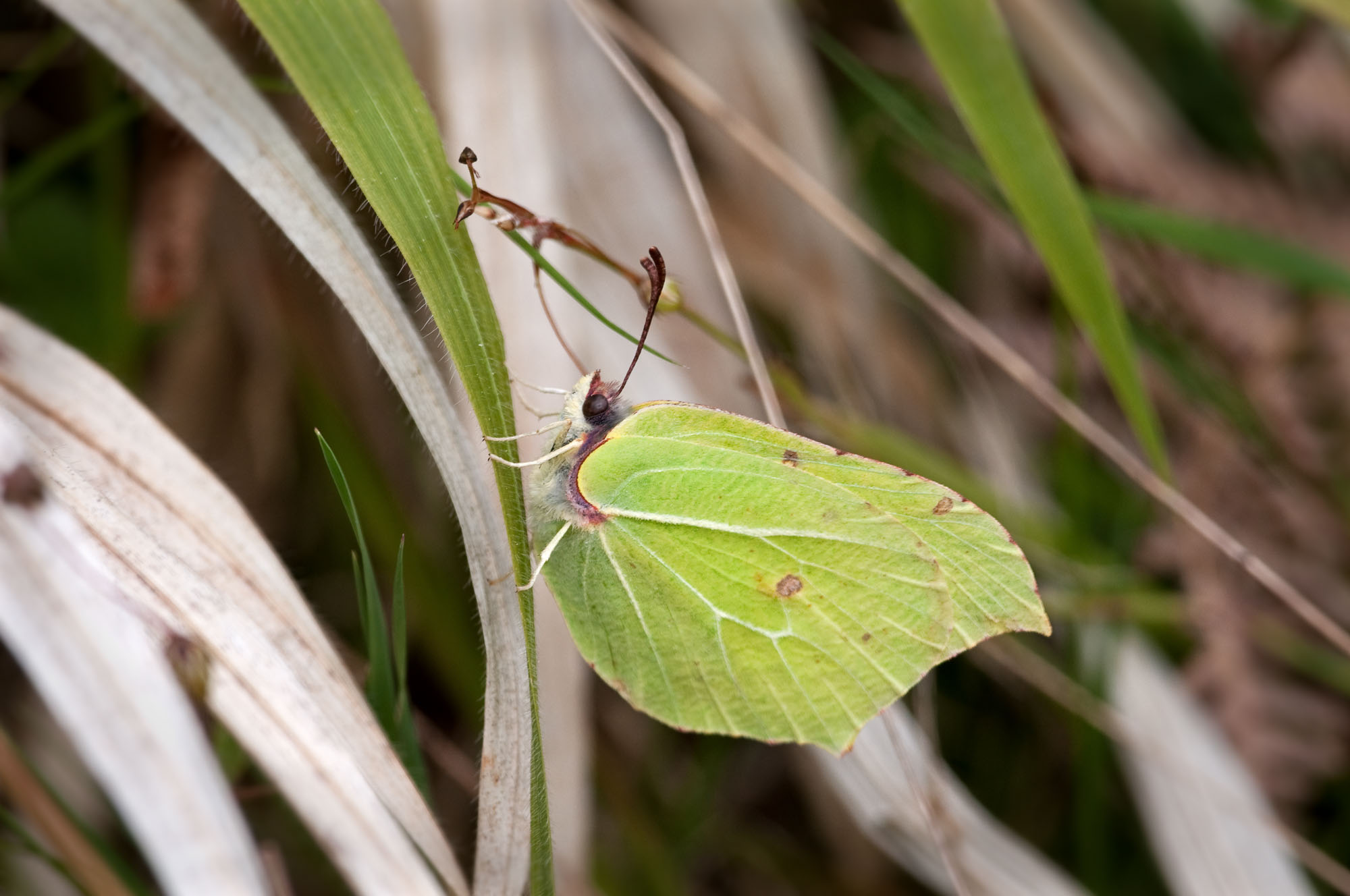
Brimstone

My first Wheatear of the year was on the 3rd April in Three Fields South. Last year I recorded 12 bird days in the spring (starting on the 28th March) and 50 bird days in the autumn. I think this is still the only Wheatear seen by anyone at Needs Ore!

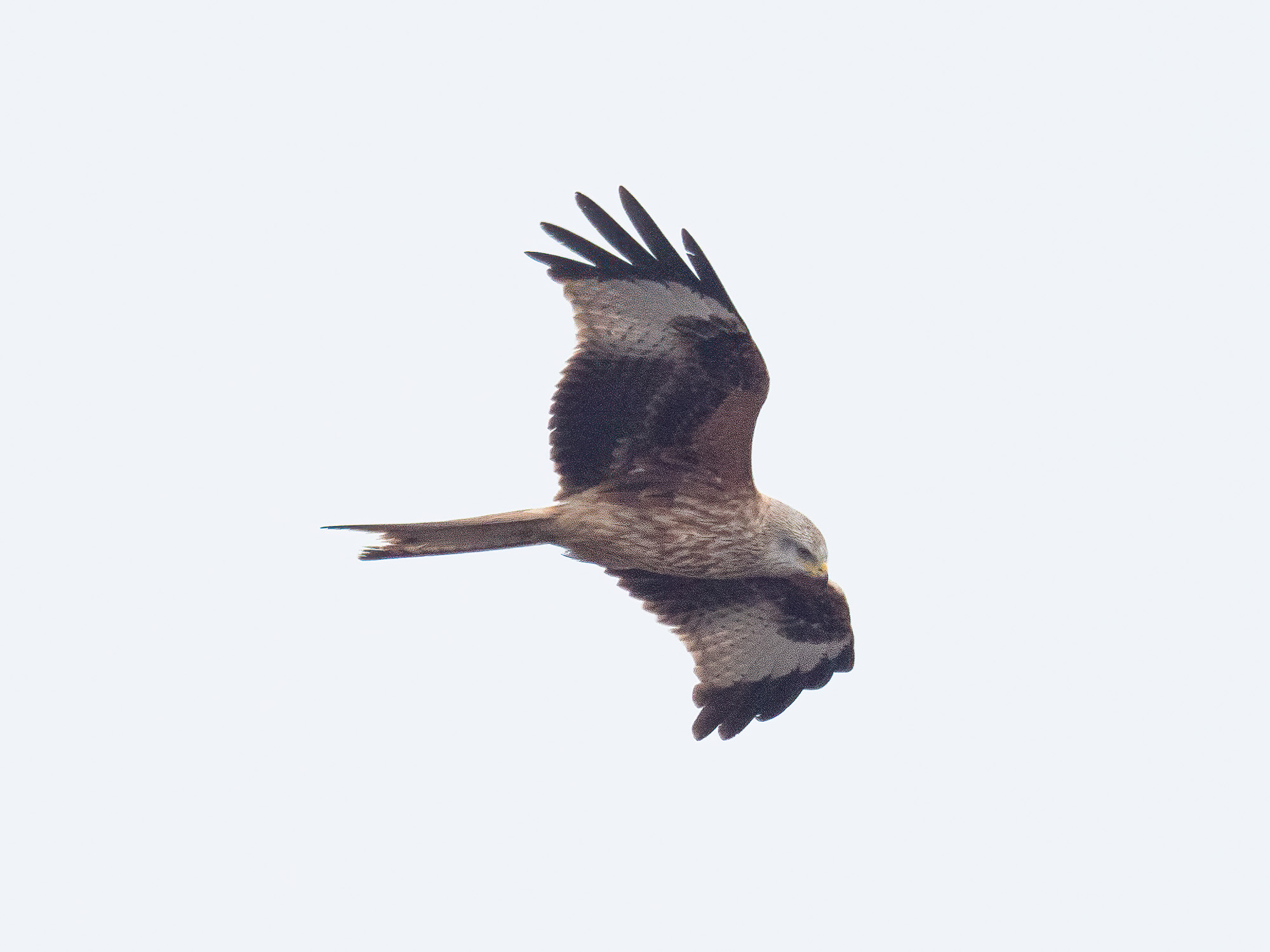
As I got back to the car a Red Kite drifted over the Main Hedge and a White-tailed Eagle flew over really high, the first one I’ve seen for a while. At the end of the week I saw another Red Kite at the Reedy Ditch. It was deliberately dropping a prey item, bird carrion I think, from a good height so that it could practice swooping, it actually looked like it was having fun.  
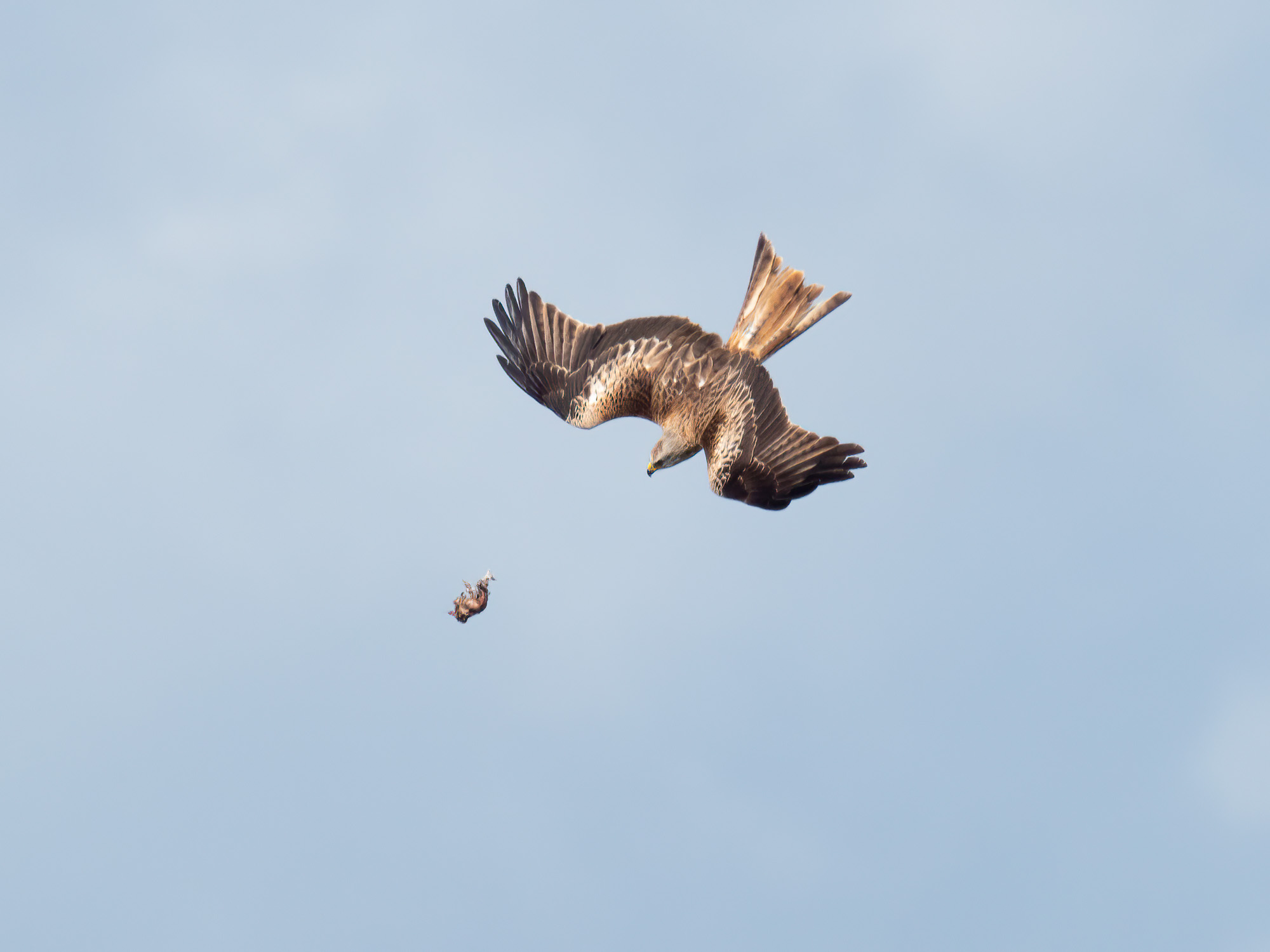
Red Kite

Nearby, the female Kestrel was perched in the Bee-eater trees. Although it’s a large area I think there is only one breeding pair of Kestrel at Needs Ore. They breed near Black Water House and the female is often nearby as I drive past. She may well be on eggs now as she rarely ventures far but the male is seen regularly all over the reserve finding food to bring back to her.

female Kestrel

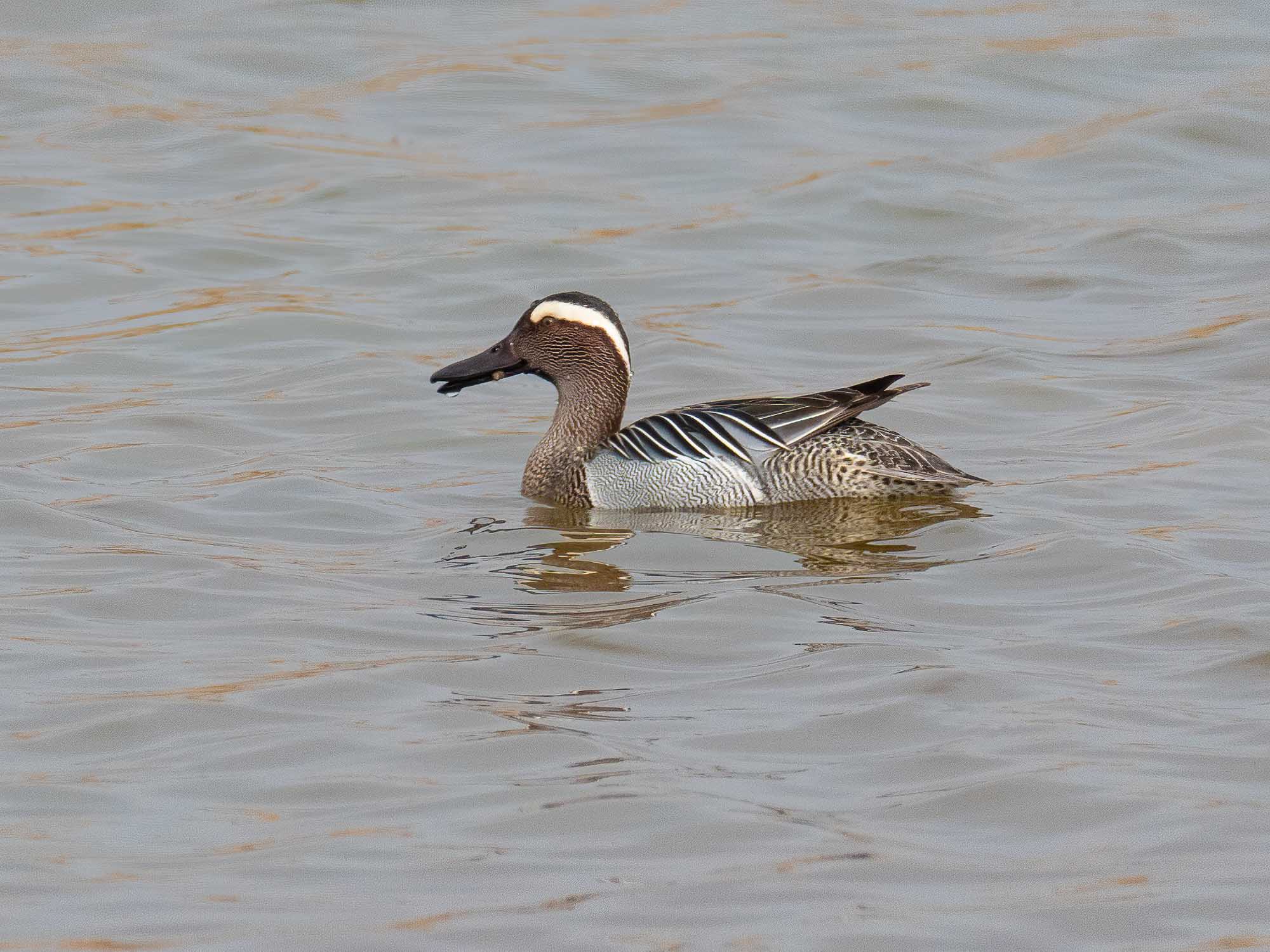
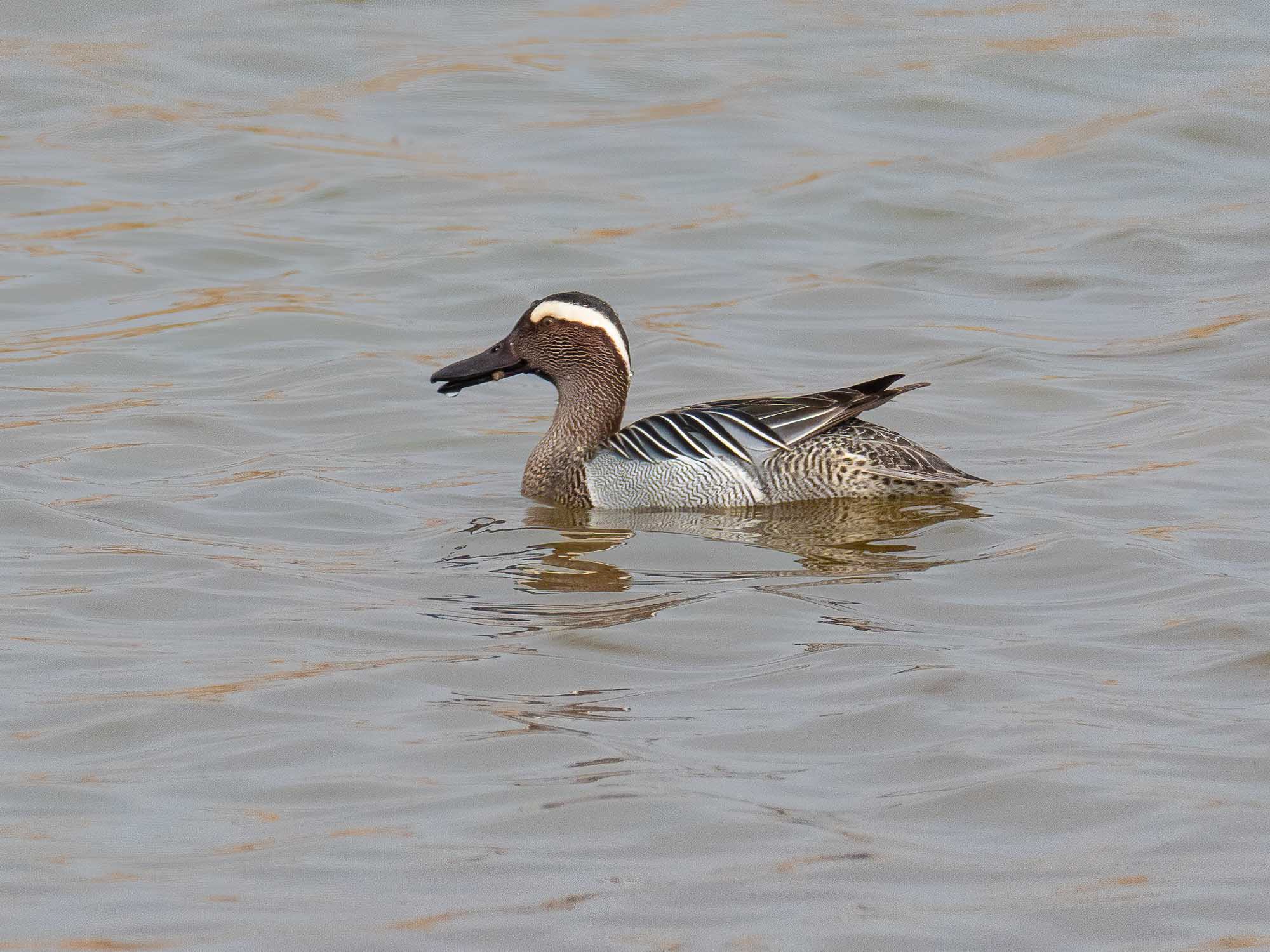
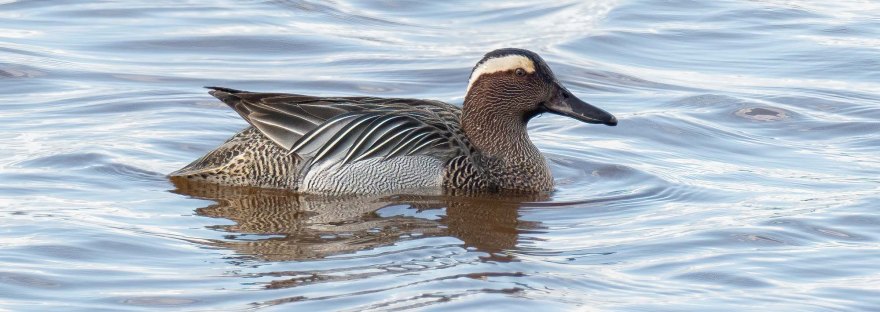
The drake Garganey showed even better today straight out from De L’Orne hide.  It would be great if there is a female hidden away somewhere on the reserve. He has been here for three weeks now and I’ve heard him calling several times.
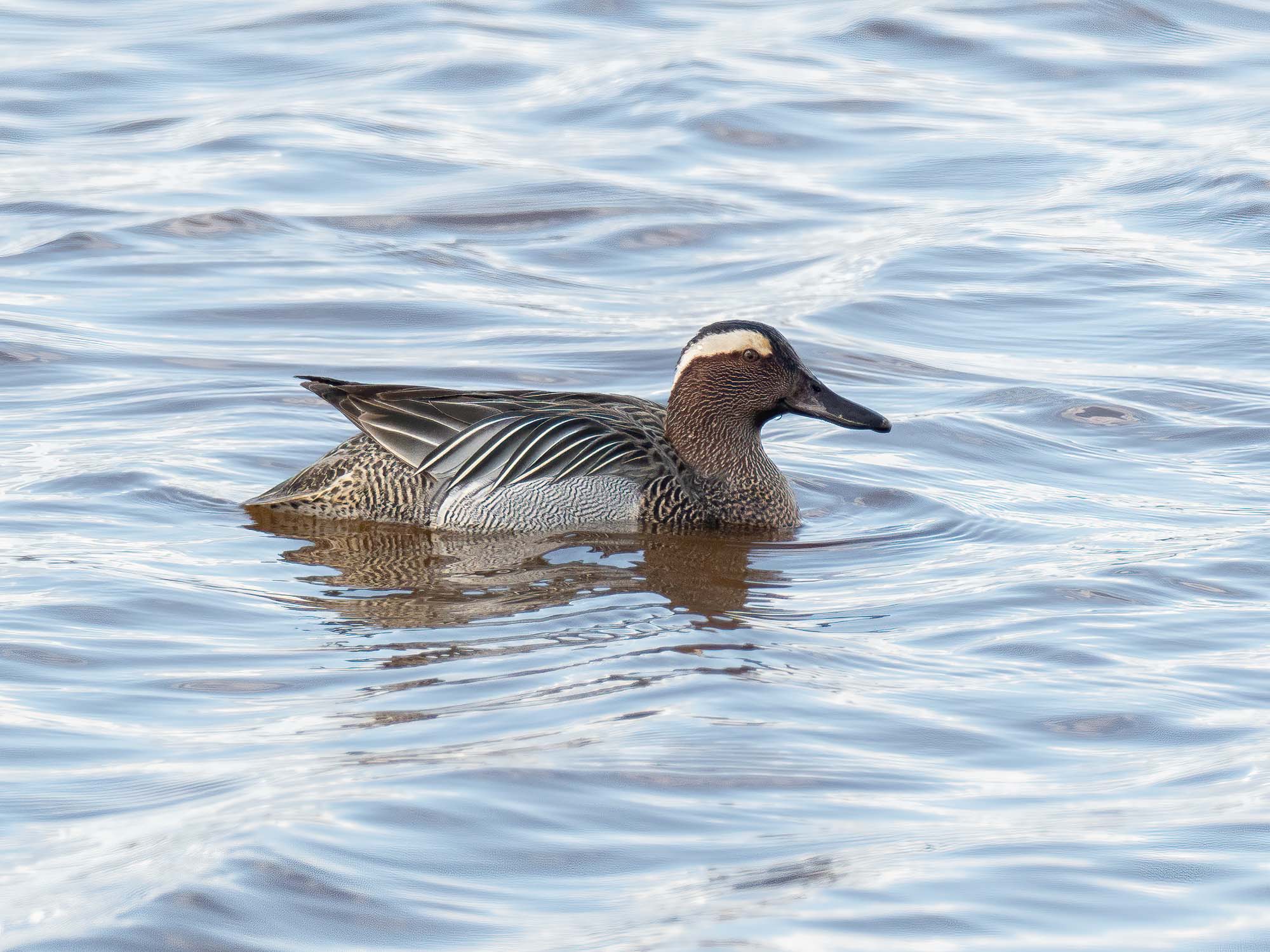
drake Garganey

I also saw a pair of Garganey at Mary Monts on March 30th although they seemed to be newly arrived and quickly moved on. By the end of the week our single male was looking a bit forlorn on De L’Orne Flood viewable from the Boardwalk Bridge. A Siskin called overhead as I walked the boardwalk.

The newer of the two Spotted Redshank was still on De L’Orne Lagoon feeding along the creek opposite the hide and the rather drab looking 2nd calendar year Spoonbill was still on Venner, all of the adult birds seem to have left, some of them probably back to Holland.
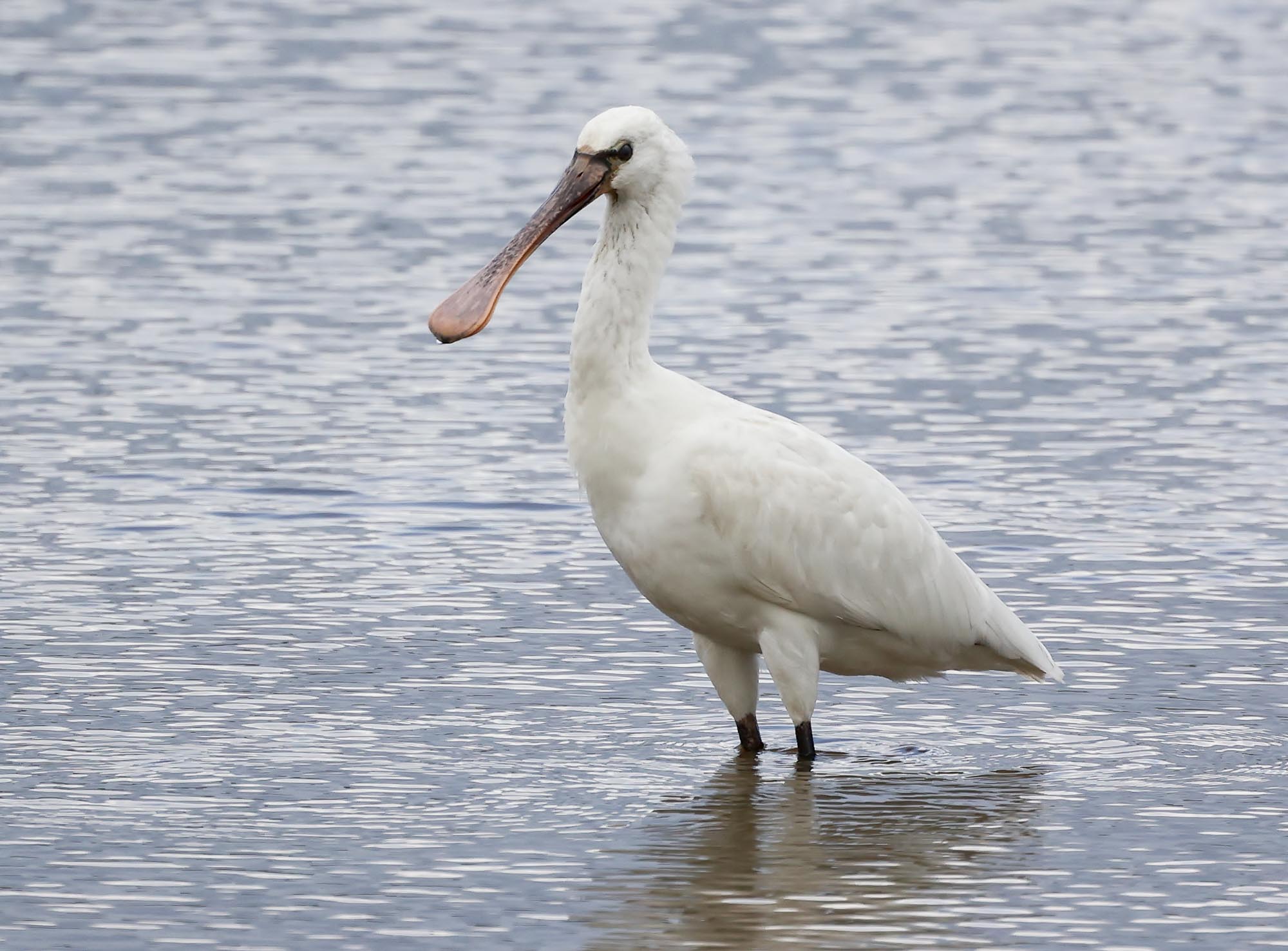
2nd calendar year Spoonbill photo by Terry Jenvey

Across the whole reserve my Breeding Transect walk suggested that there were 12 Redshank pairs/territories and 24 Lapwing pairs/territories. This included three Lapwing nests found with four eggs in each of them. Strangely the two sitting Lapwing previously seen on Three Fields South had disappeared, no Lapwing at all in these fields.
March 2022, Monthly Summaries, Spring 2022

Highlights March 2022

The 25 year old Oystercatcher who was ringed as an adult in 1999 returned to the Old Spit Channel early in the month. The Slavonian Grebes were last seen on 1st March, four of them.

25 year old Oystercatcher

The Avon Valley colour-ringed Redshank continued to winter on the saltmarsh near the Sluice Gate, now developing new anchor-tipped adult scapular feathers. It left on the 12th and Lizzie confirmed it was back on the field where it hatched on the 14th. Another colour-ringed Redshank was seen early in the month on the beach opposite Mary Monts. This Redshank was ringed as a juvenile on 11th September 2021 at Freiston on the Wash in Lincolnshire and this is the first sighting since ringing.

Redshank ringed on the Wash

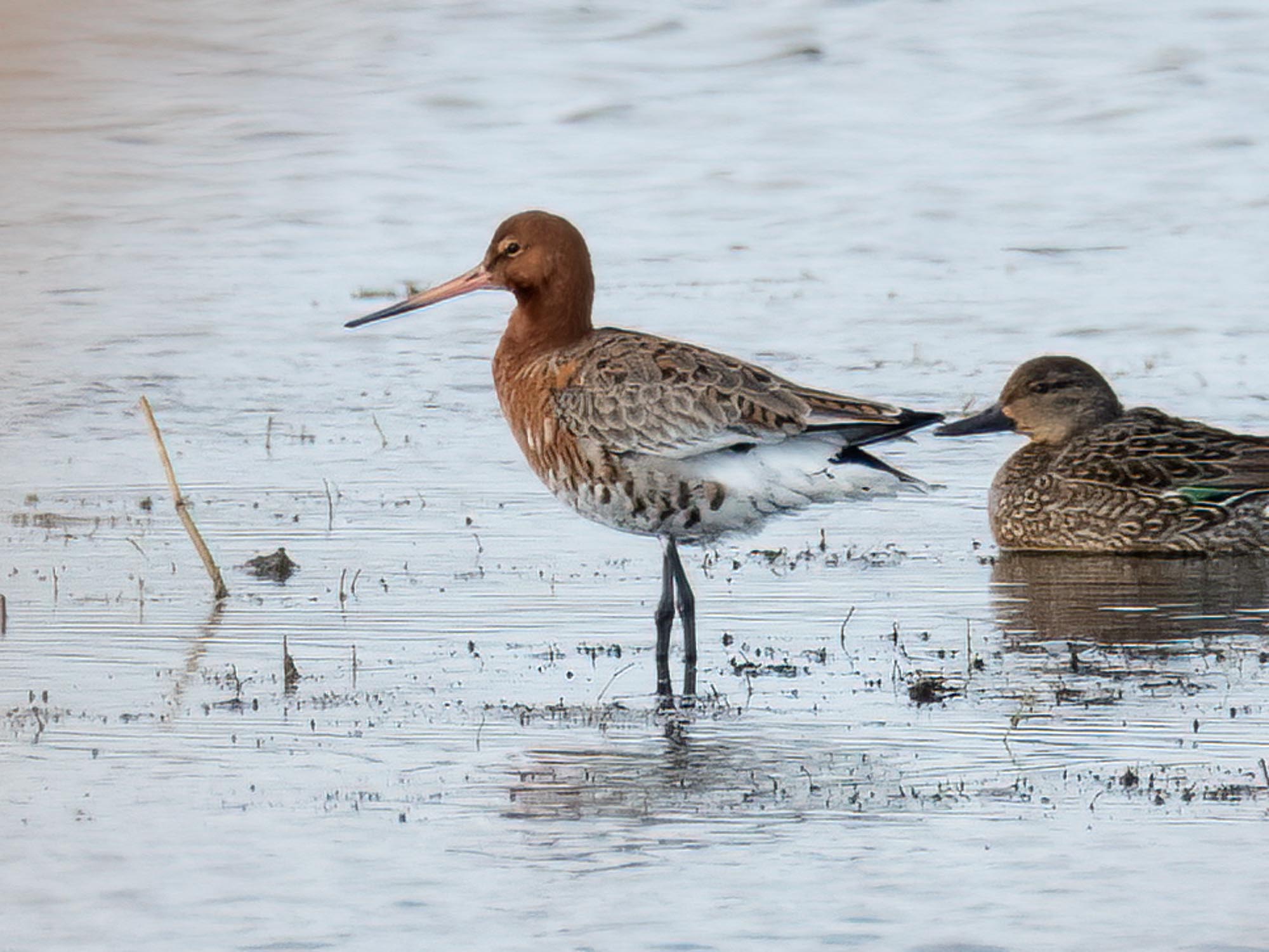
On De L’Orne a Kingfisher on 1st March was sat at the back of the lagoon. This is my latest winter sighting. They head up river to breed with birds returning again in August.  From Venner Hide I counted 62 Black-tailed Godwit on Wigeon Fields 1st March. Summer plumaged birds bound for Iceland are coming through now.

summer plumaged Black-tailed Godwit

There were large rafts of Eider off shore at the start of the month, groups of 25 and 15 with most of them head thrusting, wing flapping and bickering. 40 is my highest count here. A very distant Red-throated Diver headed east on the same day.

On the 1st a nicely marked littoralis Scandinavian Rock Pipit was flushed from the beach in front of the sea watching bush. I’d seen several Scandinavian birds at the Sailing Club on the 3rd November 2021, this is probably a bird that has wintered here and is now acquiring its summer colour. Rock Pipits encountered on saltmarsh (as opposed to rocky shores) are worth checking for the littoralis race.

littoralis Scandinavian Rock Pipit photo by Mike Rafter

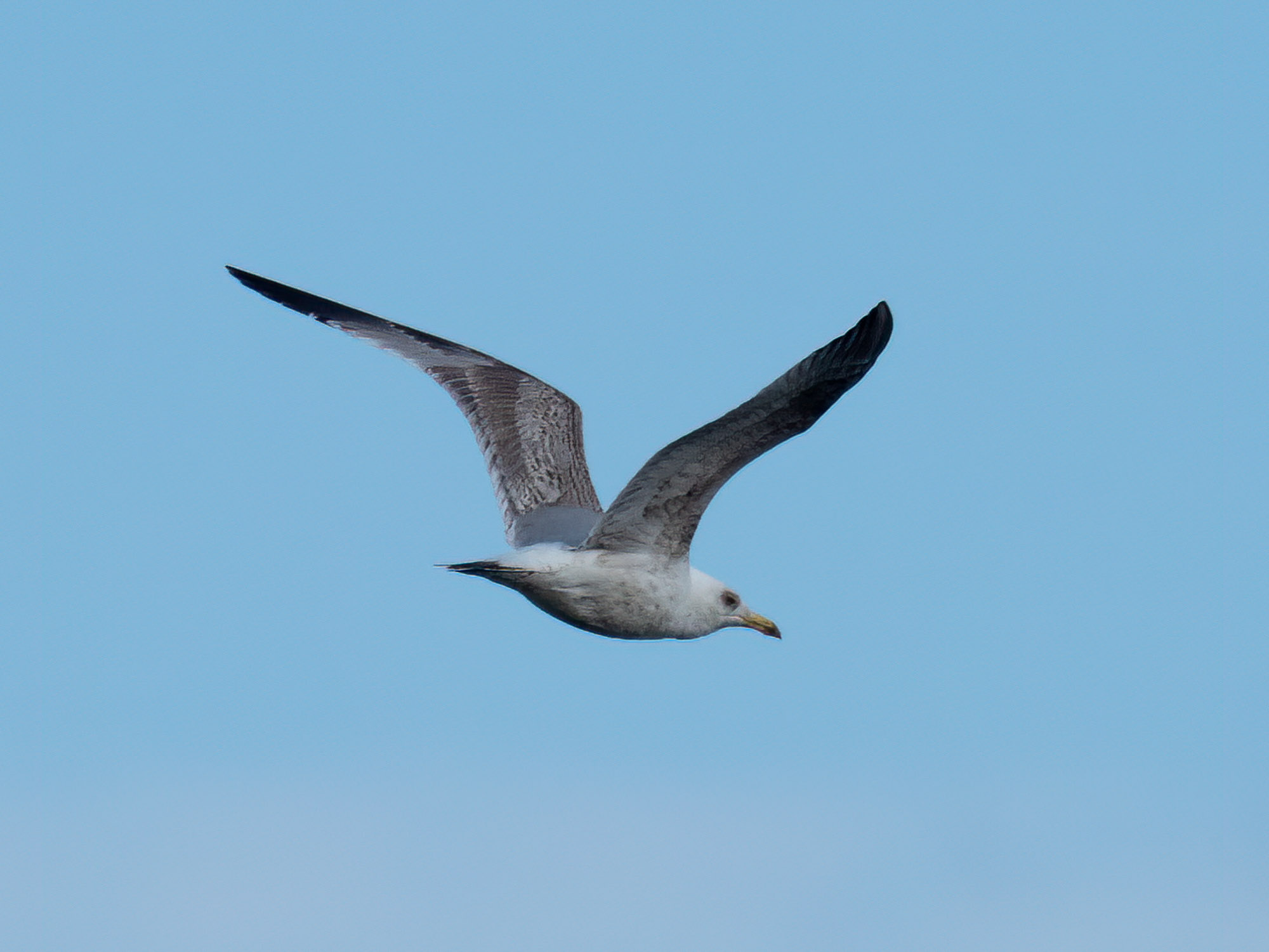
Spring Red Kite passage began on the 6th and individuals were seen regularly throughout the month. Also on the 6th a 3rd winter argentatus Scandinavian Herring Gull flew over the Sluice Gate and then on past the Sailing Club. Identification has been discussed and confirmed with several gull experts on the continent.

argentatus Scandinavian Herring Gull

It was great to finally see an adult Peregrine again on the 12th, over three months since my last sighting. He flew across in front of the Sailing Club and landed on the shingle just beyond the Warden’s Hut. The juvenile female Peregrine flew over and joined him, sitting within a few yards of him. They subsequently mated at least twice on Gull Island and spent the rest of the month displaying including driving off another male on the 26th.  

Peregrine photo by Brian Fairbrother

On the WeBS count an impressive 400 Mediterranean Gulls were settled in the river mouth and on the muddy islands as the tide rose. Along with my count of 405 in late July these are the highest ever counts at Needs Ore. There was also a site high count (for me) of 38 Common Gulls which is the highest count by anyone for over three years.

The first singing Chiffchaff of the year was near the gate at Black Water on the 14th. A period of settled light southerly winds mid-month brought in lots more Chiffchaffs and after a long period of no sightings I was really pleased to see a ringed singing male Dartford Warbler on Gravelly Marsh with a ring on its right leg. This was the 12th and he was still present and singing at the month end.

singing male Dartford Warbler

The first Egyptian Goose chick was seen on the early date of 18th March.

Egyptian Geese with chick photo by Ian Williamson

Good numbers of Garganey arrived on the Hampshire Coast and there were three on De L’Orne Scrape on the 23rd, two males and female. One of these males remained until the month end and another pair appeared to be newly arrived at Mary Monts Pools on the 30th.

drake Garganey

Black-headed Gulls were gathering and displaying around the nesting platforms on De L’Orne with 22 pairs on the 23rd. A Grey Wagtail called as it flew overhead on the 23rd near the Sluice Gate but I didn’t see it. Most of my records at Needs Ore seem to be autumn migrants with the odd winter record, this is my first spring record.

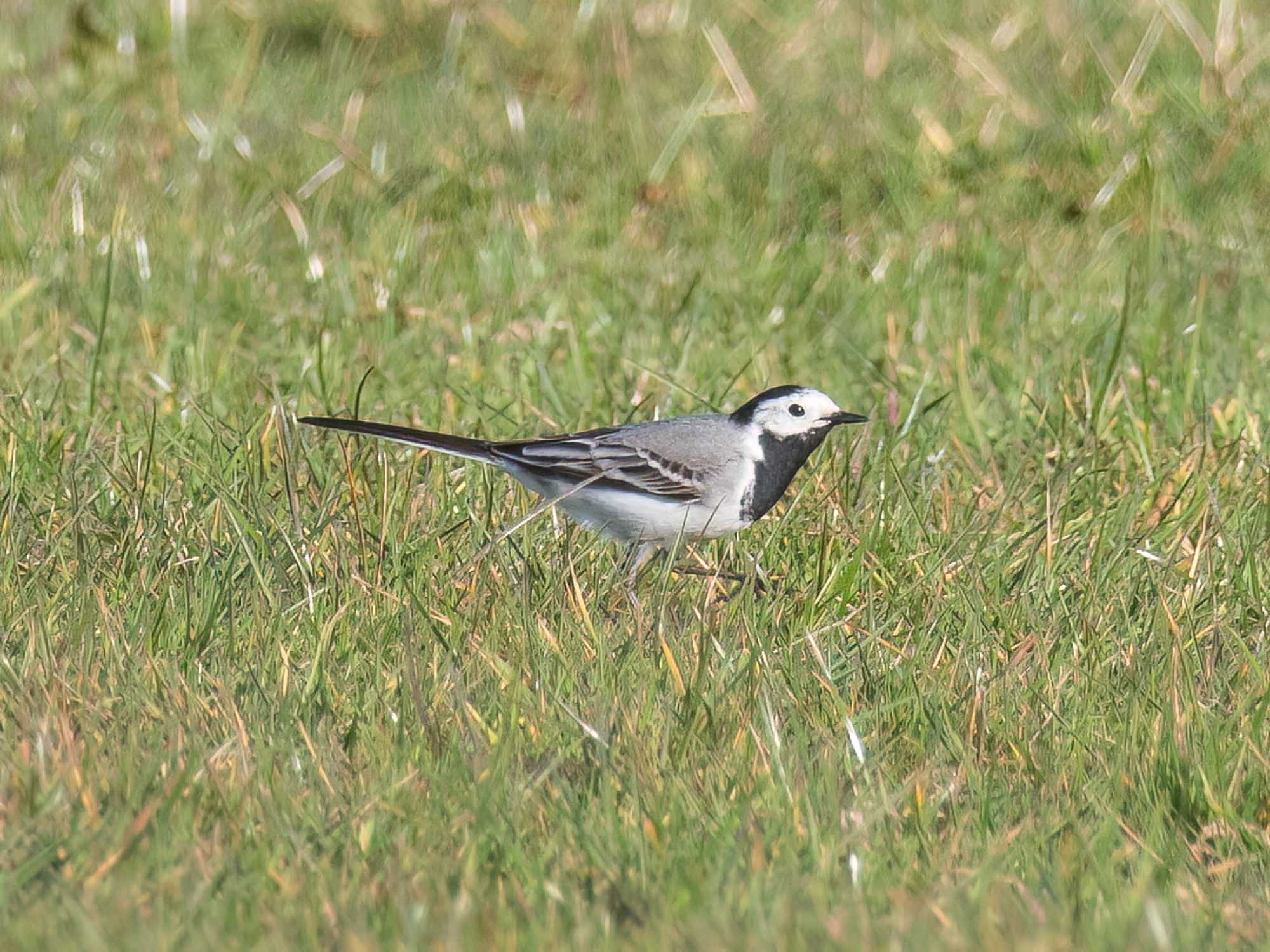
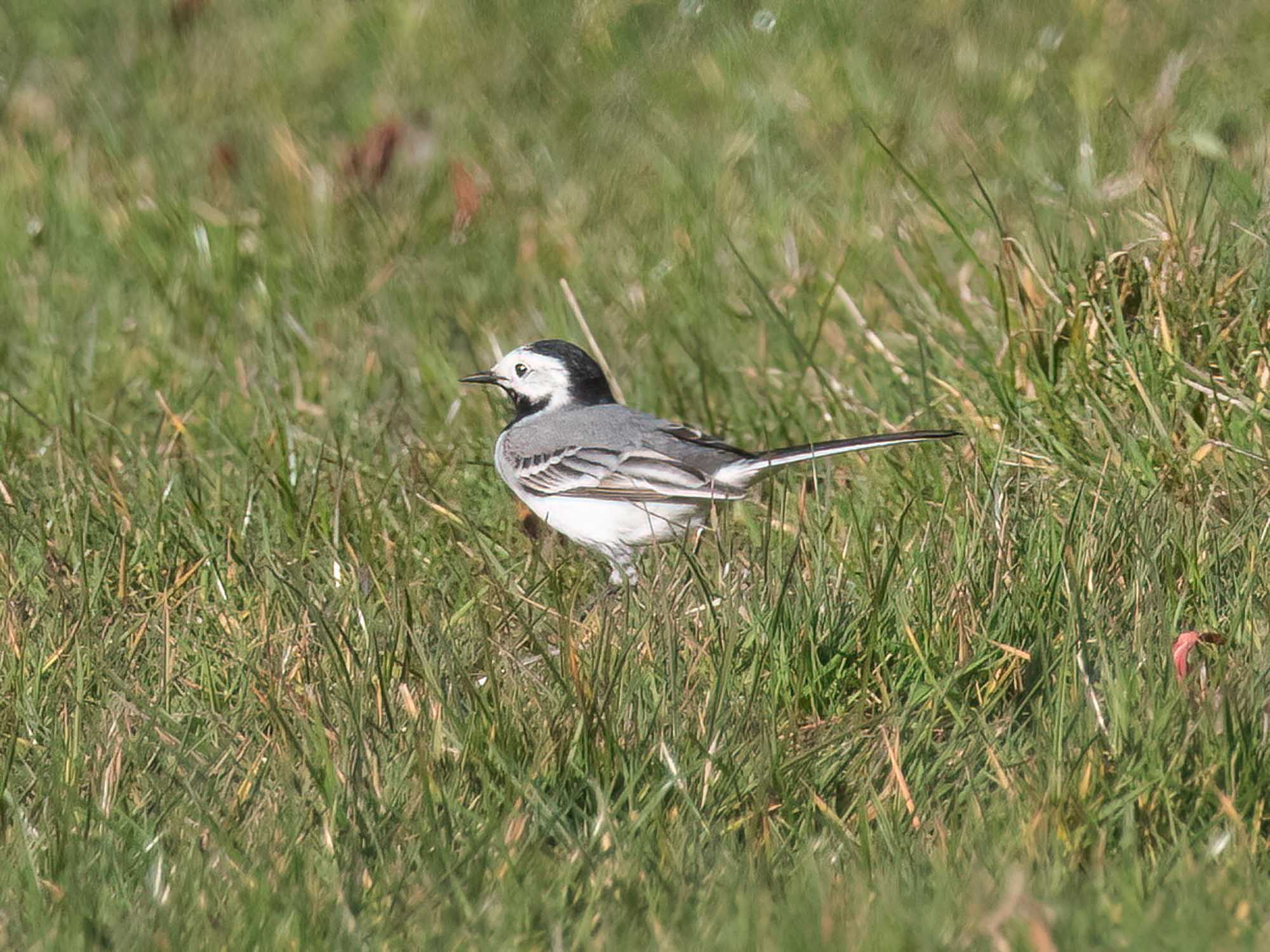
White Wagtail passage began on the 23rd with several birds on Droveway South.  They are a passage migrant through Britain from early March to May. Most are heading to Greenland and Iceland and most of the Icelandic population of 50,000 pairs is believed to pass through the UK.

White Wagtail

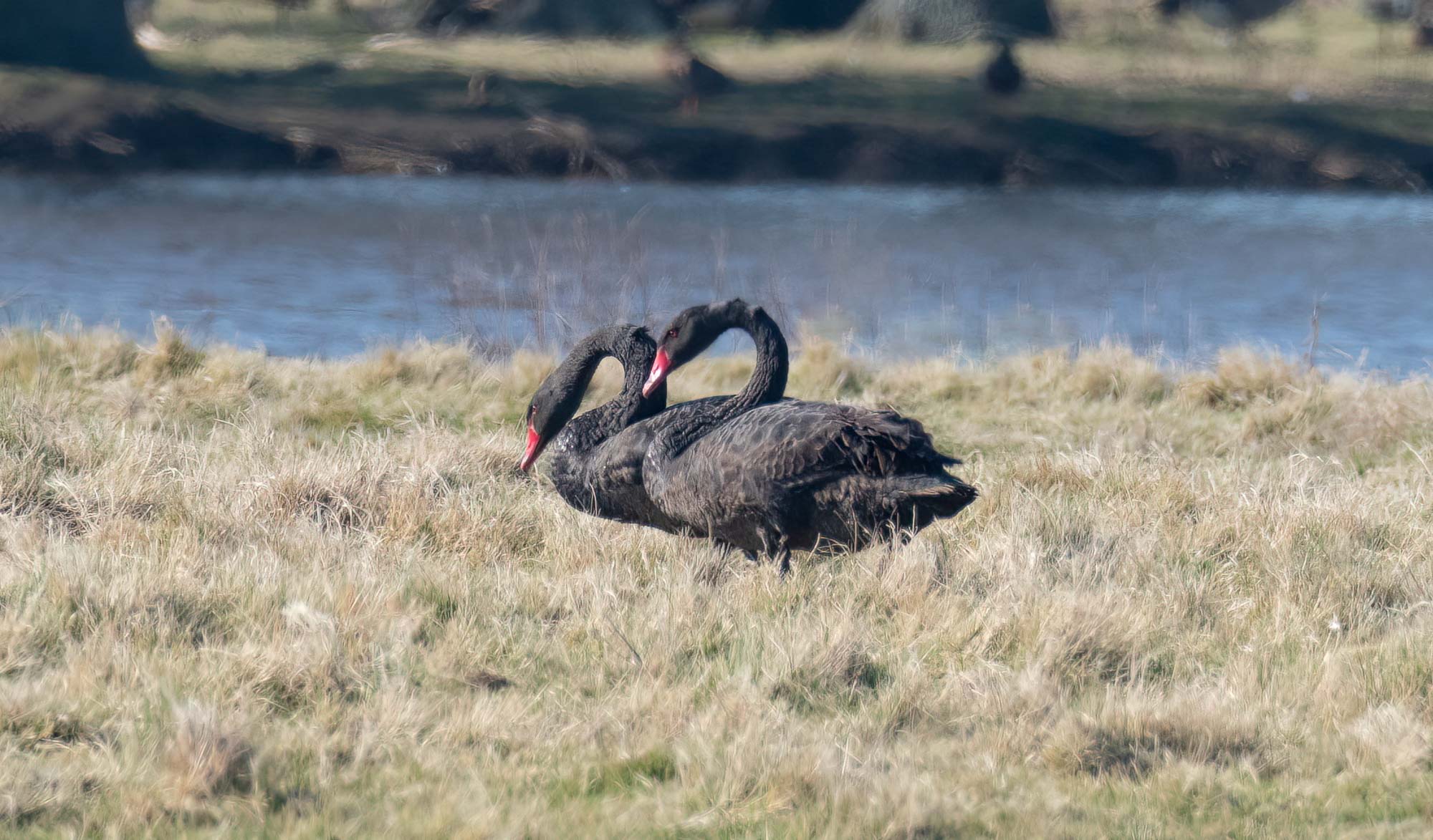
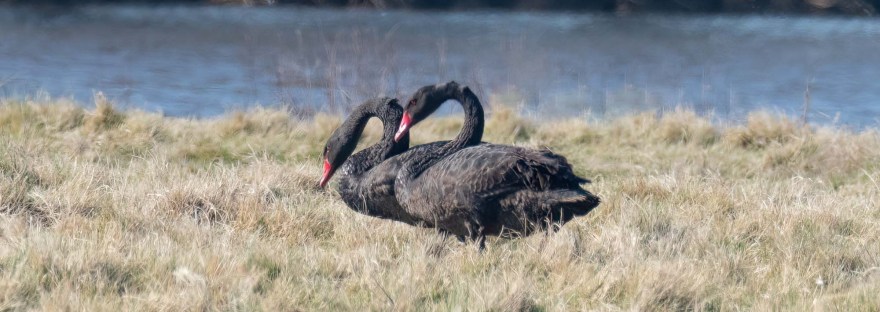
A pair of Black Swans was an unusual sight on Venner on the 23rd. They have become self-sustaining in the UK and are well established in the wild and so are likely to be officially added to the British Avifauna at some stage soon.

Black Swans

A young male Velvet Scoter spent most of the morning on the 26th drifting offshore straight out from the Shore Hide.

male Velvet Scoter

There have been up to six along the Hampshire Coast this winter and there have only ever been half a dozen recorded at Needs Ore including three birds together from the Sailing Club in early December 2021.

male Little Ringed Plover

The male Little Ringed Plover returned on the 26th. Having left in August he probably wintered in Senegal before finding his way back to the same patch of shingle. Little Ringed Plover adults don’t usually leave their breeding areas together and so it is unlikely that they will have maintained their bond in their wintering quarters. Thankfully the female also found her way back and joined him on Great Marsh on the 30th.

female Little Ringed Plover

A spell of warm weather towards the month end brought out lots of butterflies including Small Tortoiseshell, Comma, Peacock and Red Admiral. Lots of queen bumblebees were also nectaring on various blossoms, most of the ones I saw well were B. terrestris, Buff-tailed Bumblebee and also B. lucorum, White-tailed Bumblebee.

Comma
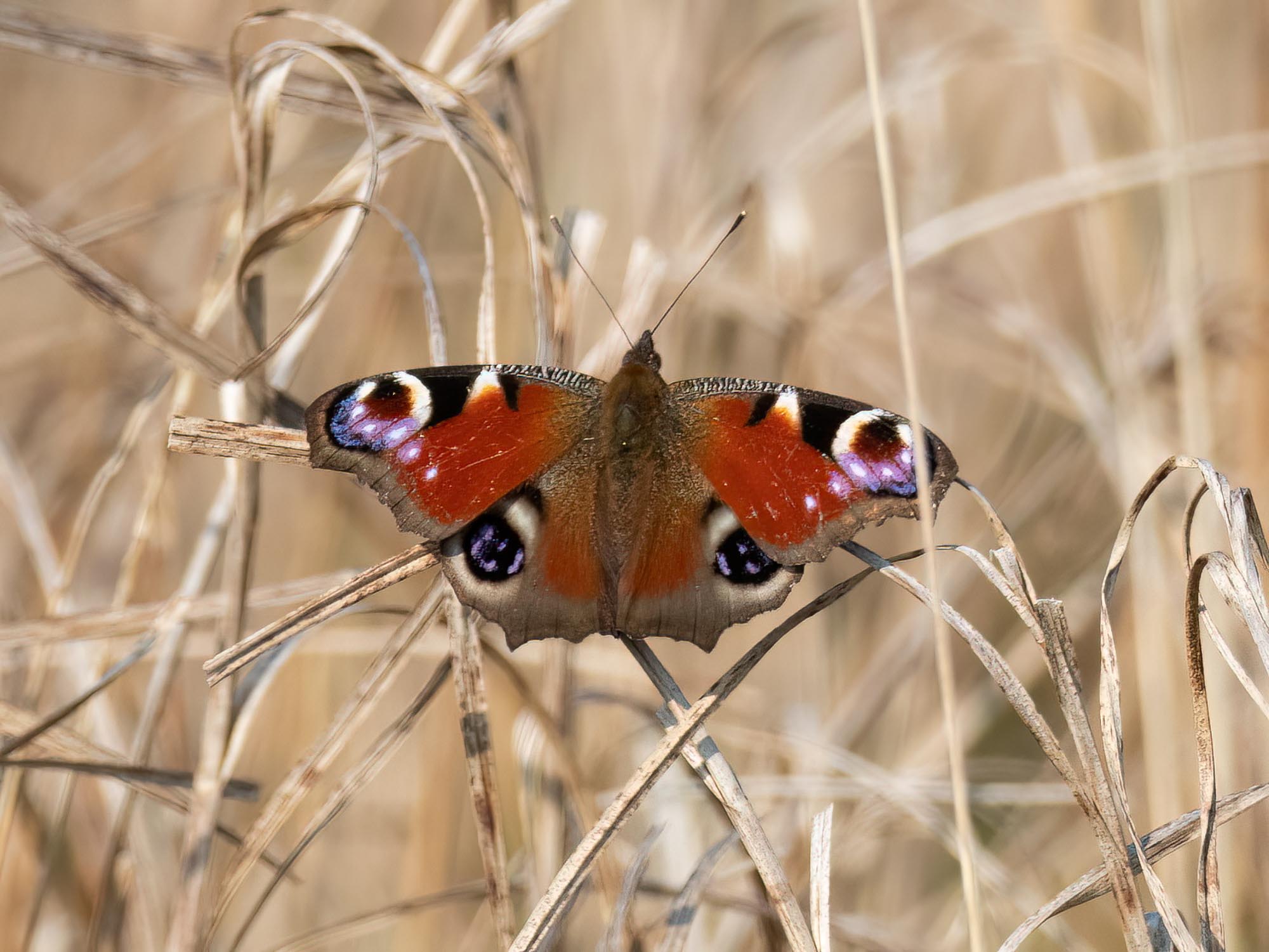
Peacock

There were three pairs of both Pochard and Tufted Duck on Venner at the month end, both species bred here last year so it will be interesting to watch progress over the coming weeks.

At the month end a Brambling was calling around the houses near the Yacht Club before flying south over the Gins. An unexpected Green Sandpiper on the 30th was my first spring record, all 28 of my Green Sandpiper sightings in 2021 (some may relate to the same bird) were in the autumn. No Sand Martins or Wheatear in March but the first Swallow made landfall on the 30th.

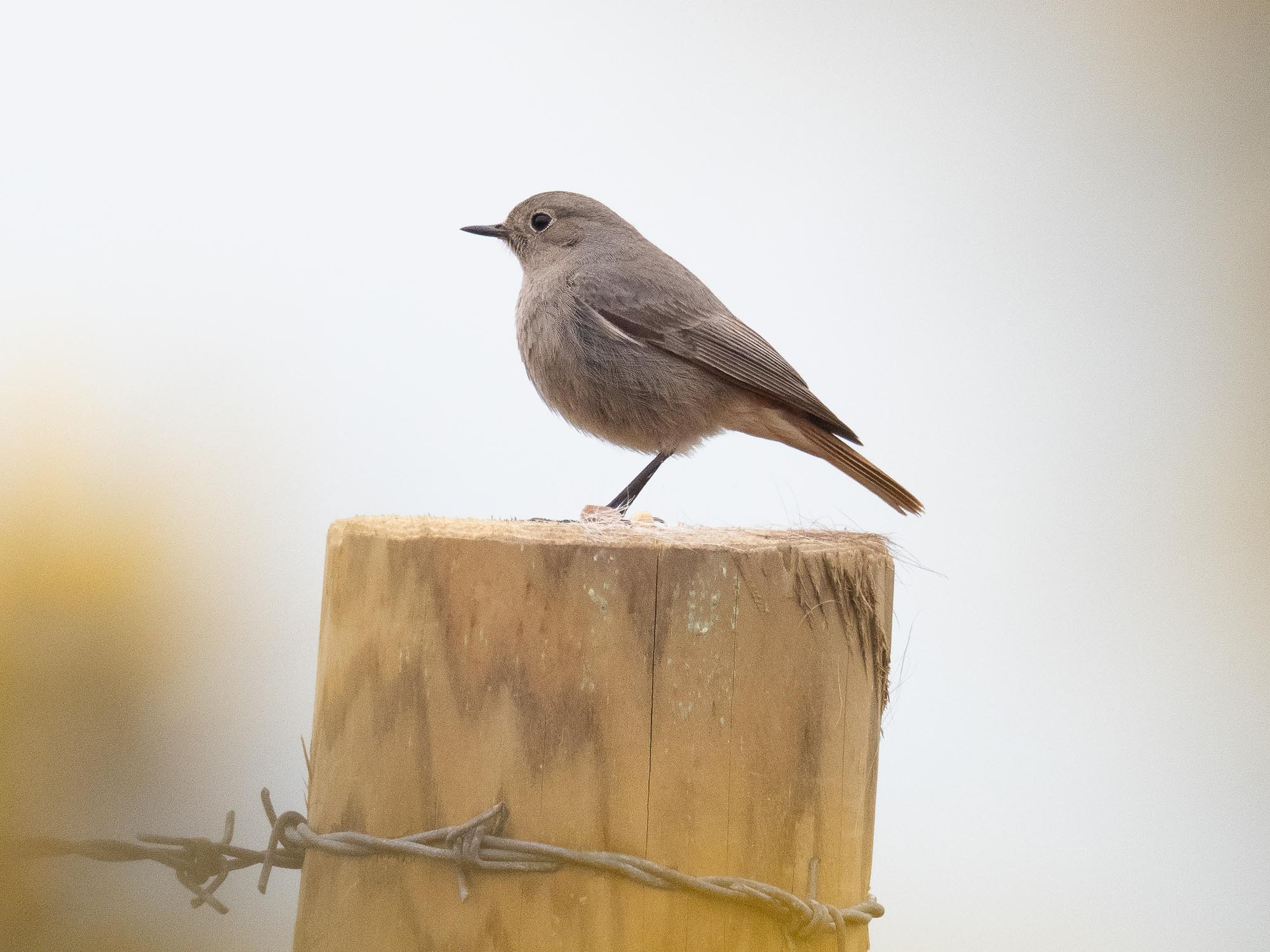
Also on the 30th a 1st summer male Black Redstart was found along the fence posts between Shore Hide and Wheatear Corner. This is only the second Black Redstart here in the last seven years.

Black Redstart

By the end of the month 20-25 Lapwing and 10-15 Redshank pairs appeared to have set up territories across Warren Farm. It’s difficult to be accurate with figures especially this early in the season as some birds may not have paired up yet and some winter visitors are still to leave.

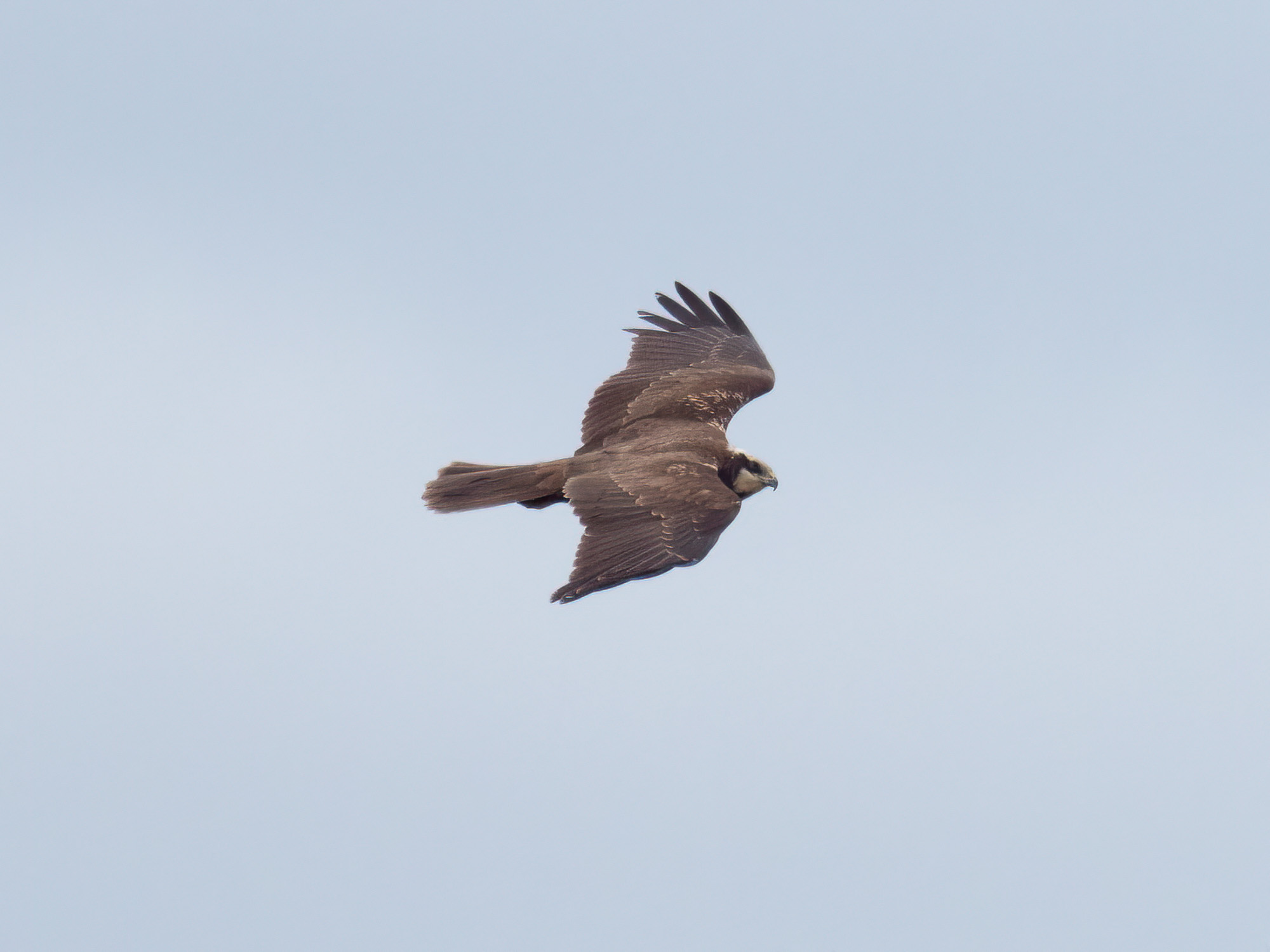
Birds present throughout March included four female type Marsh Harriers around Venner. Three 2nd calendar year birds (hatched last summer) and a sub adult female. Also the three year old male Marsh Harrier which may be old enough to breed although we ought to have seen evidence of food passes and nest building by now.

juvenile Marsh Harrier

Avocet numbers built up from 23 to 49 during March and the wintering Spotted Redshank spent March around De L’Orne Scrape and also the private area on Gins West. A second spring migrant showing some summer plumage joined it on De L’Orne Lagoon at the month end.

wintering Spotted Redshank

Spoonbill numbers dropped off to a maximum 12 by mid-month, they’d all been adults throughout the winter but a 2nd calendar year bird joined them on the 12th.

At least one Pale-bellied Brent Goose remained on Warren Farm and the river throughout the month.

Pale-bellied Brent Goose

Goshawks were seen displaying throughout the month, often close to Stagg’s Wood.

Goshawk photo by Simon Colenutt

These are my own sightings. A review including everyone’s sightings as noted in the log book appears in the quarterly newsletter which is e-mailed to you. The next newsletter will be sent in early June covering the spring sightings from March-May. All newsletters are archived and can be downloaded from this website, see the newsletters header.

March 2022, Spring 2022

Wednesday 30th March 2022

Today was my first solo Breeding Bird Transect. I walked 7.5 miles across all areas of the reserve. By the end of 12 weekly visits I should be able to confirm breeding populations and success for the key species around the reserve including Lapwing, Redshank, Avocet, Oystercatcher, Skylark, Meadow Pipit, Reed Bunting and Cetti’s Warbler. The separate Shoreline Breeding Survey surveys the Ringed Plover breeding population and also Oystercatcher and Peregrine success.    

I headed out across the private area around the Gins. I heard what I was sure was a Garganey calling and sure enough a few minutes later a drake drifted out into view. This is probably the same male that has been on De L’Orne Scrape and Lagoon and does seem pretty mobile.

drake Garganey

As I headed towards the houses just south of the Yacht Club I heard a Brambling calling from the trees but I couldn’t find it. It called again 10 minutes later and I managed to see it flying over towards Black Water. On the river the Peregrine pair were active and the young female came fairly close by.

juvenile female Peregrine

I spent a while in Venner Hide and was rewarded with excellent views of a juvenile Goshawk scattering ducks and geese as it powered over the top of the hide. I finished the circuit by heading back to the screen at De L’Orne and the drake Garganey was on show again, this time feeding happily close by.

drake Garganey

My initial thoughts are that there are 20-25 Lapwing territories and 10-15 Redshank territories but it’s difficult to be accurate especially this early in the season with some birds maybe not paired up yet, some winter visitors still to leave and lots of coming and going across the reserve.

There had been a small arrival of waders with two Spotted Redshank now on the scrape including a new bird which is starting to acquire some summer plumage. There were also two Greenshank.

Spotted Redshank

The remaining Dark-bellied Brents were gathered around the scrape with some of them on the grassy bank nearer to me. One of the Pale-bellied Brent Geese was here and I got some nice photos. Last year one of the Pale-bellied Brent Geese was also one of the last Brents to leave. The ‘hrota’ birds ought to be returning to Greenland to breed but I’d imagine that this individual will stay with the Dark-bellied Brents and so will likely head with them to northern Russia.

Pale-bellied Brent Goose

The breeding bird transect goes up through the private areas on Gravelly Marsh. A lovely newly arrived summer plumaged Greenshank had the flooded pool to itself. A little further ahead an unexpected Green Sandpiper suddenly picked up from the ditch and flew out of view towards the flight pond. It didn’t call and I couldn’t relocate it. This is my first spring record, all 28 of my Green Sandpiper sightings in 2021 (some may relate to the same bird) were in the autumn.

summer plumaged Greenshank

As I reached the end of the Flight Pond I was hoping that I might see the male Little Ringed Plover again. Even better, the female had now joined him.

Little Ringed Plover pair (female at the front)
female Little Ringed Plover

You can see that the female (above) has browner feathers in the ear coverts, a less obvious white crown band and the yellow eye ring isn’t so vivid.

male Little Ringed Plover

Last year I found the nest on the 9th May and given that the three chicks hatched on the 31st May the eggs were obviously newly laid when I found them, that could mean it was a second attempt, or perhaps they delayed for some reason.

singing male Dartford Warbler

Once I’d walked Great Marsh I headed back to the car via the area that a male Dartford Warbler has been singing. I found him again, it does appear that all the recent singing records relate to the same male with a ring on its right leg. I hope that there is an elusive female in the area.

male Dartford Warbler

I find that the pools around Mary Monts often attract birds that are newly arrived but don’t stay too long because of the relative disturbance of the site – it isn’t possible to give the pools a wide berth. I often visit here early in the day to see if anything has dropped in. On this morning I scanned the pools and the first bird I came across was a stunning male Garganey and with a female alongside. He was giving his dry rattling call, they were both alert and wary and I’m sure they were newly arrived. They took off before I could get a photo, wheeled around and headed off in the direction of Black Water.

I carried on past Mary Monts Pools to check Wheatear Corner, unfortunately still no Wheatear this year. A quick scan over the Solent produced a newly arrived Swallow making landfall, this is two days earlier than my first record last year. Behind me a Red Kite drifted over Pullen.

Red Kite

I scanned the distant fence posts and noticed something I couldn’t identify immediately. I switched to my scope and was delighted to see a Black Redstart drop down into the grass. I used the gorse as cover so that I could get much closer. A hundred yards later and I was within ‘good photograph’ range and I slowly rounded the final gorse bush, there was no sign.

I then spent 20 minutes searching and I was about to give up when I noticed it again still on fence posts but much closer to Shore Hide. I stalked it again and this time managed some good images. I think it may be a 1st summer male given the pale panel formed by whitish edges to the tertials and secondaries. This is only the second Black Redstart here in the last seven years.

Black Redstart

March 2022, Spring 2022

March 23rd to 26th 2022

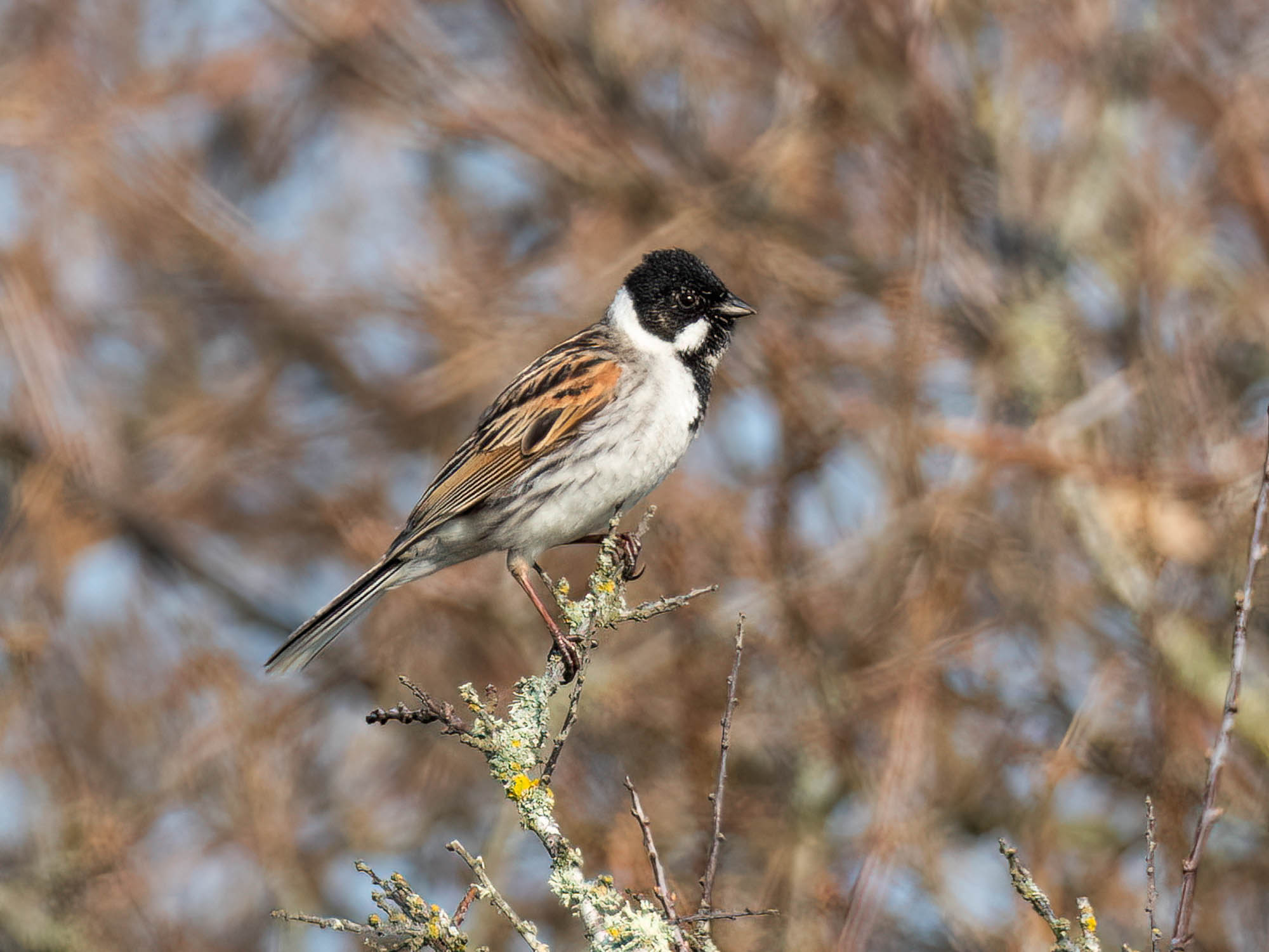
Linnets were singing all over the reserve and there were half a dozen pairs of Stonechats and a similar number of Reed Bunting pairs around Pullen, Black Water and the Reedy Ditch.

Linnet photo by Ian Williamson
Reed Bunting

The three year old male Marsh Harrier drifted over Pullen reedbed and a characteristic call had me turning around to watch a pair of Red-legged Partridges disappearing into the gorse, they’re getting harder to see here.

Red-legged Partridge

Near Pullen a blackthorn twig hosted two rare lichens right next to each other, Teloschistes chrysopthamus (Golden-eye lichen) and Physcia leptalea (with the raised black cups)

Golden-eye Lichen and Physcia leptalea

21 Herring Gulls were scattered along the low tide beach line and nearer Mary Monts there were 30 Mediterranean Gulls including three 1st winter birds.
Highlight on the sea was a Velvet Scoter which spent most of the morning drifting offshore straight out from the Shore Hide. The yellow bill sides and lack of white facial spots indicate that this is a male.

Velvet Scoter breed on Scandinavian coasts, particularly northern Norway, and they winter along the Baltic Coasts. Some reach the south and east coasts of the UK. There have been up to six along the Hampshire Coast this winter and there have only ever been half a dozen recorded at Needs Ore including three birds together from the Sailing Club in early December 2021.
Velvet Scoter

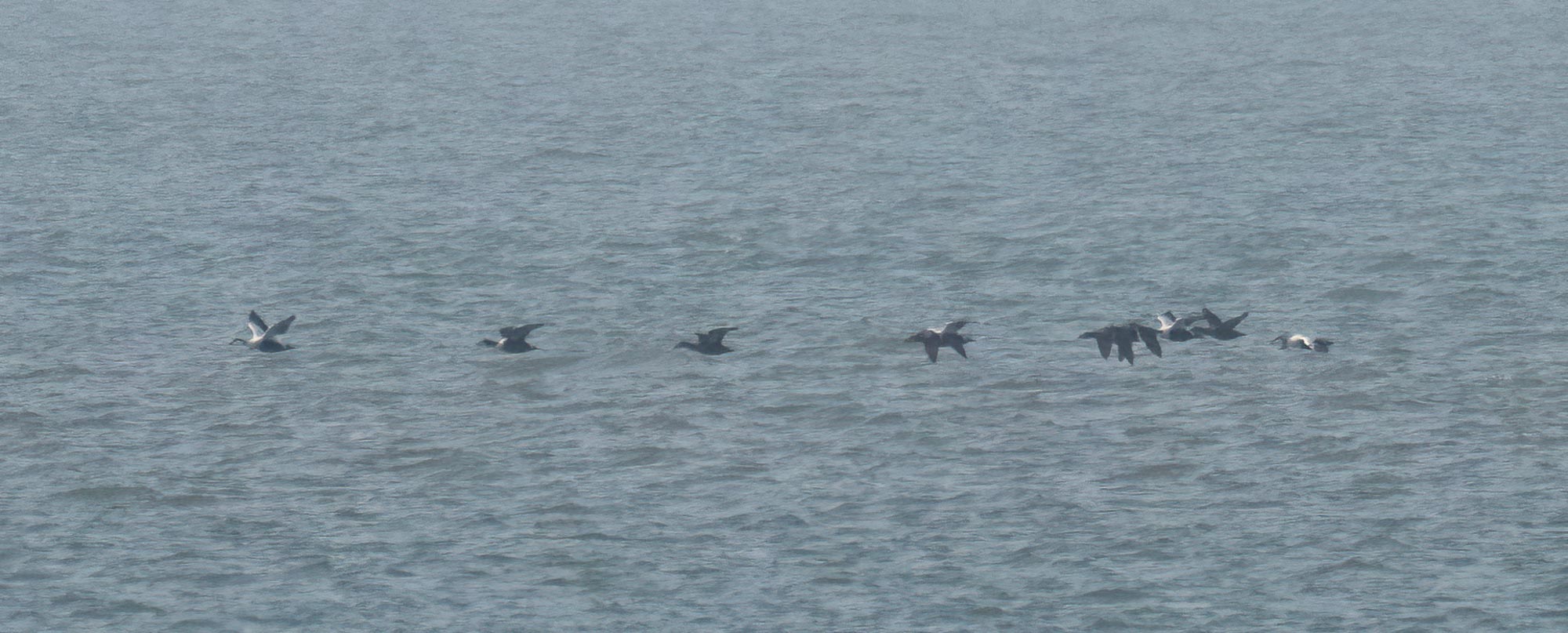
10 Eider headed east while a pair of Red-breasted Merganser were still lingering off shore. Common Gulls were also heading east but there’s been no sign of Slavonian Grebes since 25th February.

Eider

I walked onto the private areas to survey for Lapwing and Redshank and was delighted to find a Little Ringed Plover. It was within 20 yards of last years nest site and is no doubt one of the returning Little Ringed Plover from last year, he has been to Senegal and back since I last saw him in August! A real highlight.  

Little Ringed Plover

The Dartford Warbler was calling and singing nearby. I wasn’t able to see if it was ringed but I presume it was the first winter male which Graham ringed here on January 22nd and which has been seen and heard on several occasions over the last two weeks.

There were 17 Avocet on Great Marsh including AX, they were inspecting the newly created islands. I’m sure that good numbers of Black-headed Gulls will also use them.

I saw the Little Ringed Plover again, now on Great Marsh, feeding in an area which last years birds used regularly and where their three off spring spent most of their time. I’m pretty sure that only one bird has returned so far and that it is probably the male given the blackish face and breast band which appears to lack any brown feathers.

Little Ringed Plover

Little Ringed Plover adults don’t usually leave their breeding areas together and so it is unlikely that they maintain their bond in their wintering quarters. Pair bonding mainly happens after arrival back on breeding grounds although some pairs are already established on arrival like our pair from last year.

The Peregrine pair were on show on Gull Island including a very vocal display flight with stoops, tumbling, mock food passes and talon grappling. Shortly afterwards a procession of three Peregrines dashed past me heading towards the cottages. I think it was a new male being chased off by the resident male with the young female following close behind.

Peregrine photo by Brian Fairbrother

A pair of Common Seals were hauled up on the other side of the river, one of them looked like the same blonde individual that I had seen last month.

A Grey Wagtail called as it flew overhead near the Sluice Gate but I didn’t see it. Most of my records at Needs Ore seem to be autumn migrants with the odd winter record, this is my first spring record. Nearby a Small Tortoiseshell landed briefly near the Sluice Gate and a Comma was missing part of its wing, perhaps the victim of a bird strike.

Comma

Another Comma was basking in the sunshine along the Main Hedge, there were also two Peacocks here. Lots of queen bumblebees were active nectaring on various blossoms, most of the ones I saw well were B. terrestris, Buff-tailed Bumblebee and also B. lucorum, White-tailed Bumblebee

Comma
Peacock

I was pleased to see that at least one of the drake Garganey was still here although given the number of Garganey that moved through Hampshire on Monday this could conceivably be a new bird. It was resting on the fringe of the island opposite De L’Orne hide and then ventured closer before hiding behind one of the newly created islands, it was much closer than when I had seen the group of three on Saturday.

drake Garganey

Garganey are early spring migrants on their way from their wintering grounds in Africa to breeding areas all across Europe and Russia with around 100 pairs breeding in the UK mainly in the south and east.

drake Garganey

The Spotted Redshank was still present on the scrape near the roosting stones and then later hiding along the Sluice Channel viewable from the Sluice Gate. The wintering Greenshank was also hiding here.

The Brents had been grazing on De L’Orne South but something flushed them on to the water where they were easier to count, there were 252 which is probably most of the remaining Brents on the reserve. There were only 100 Brents left in April on last year’s WeBS count.

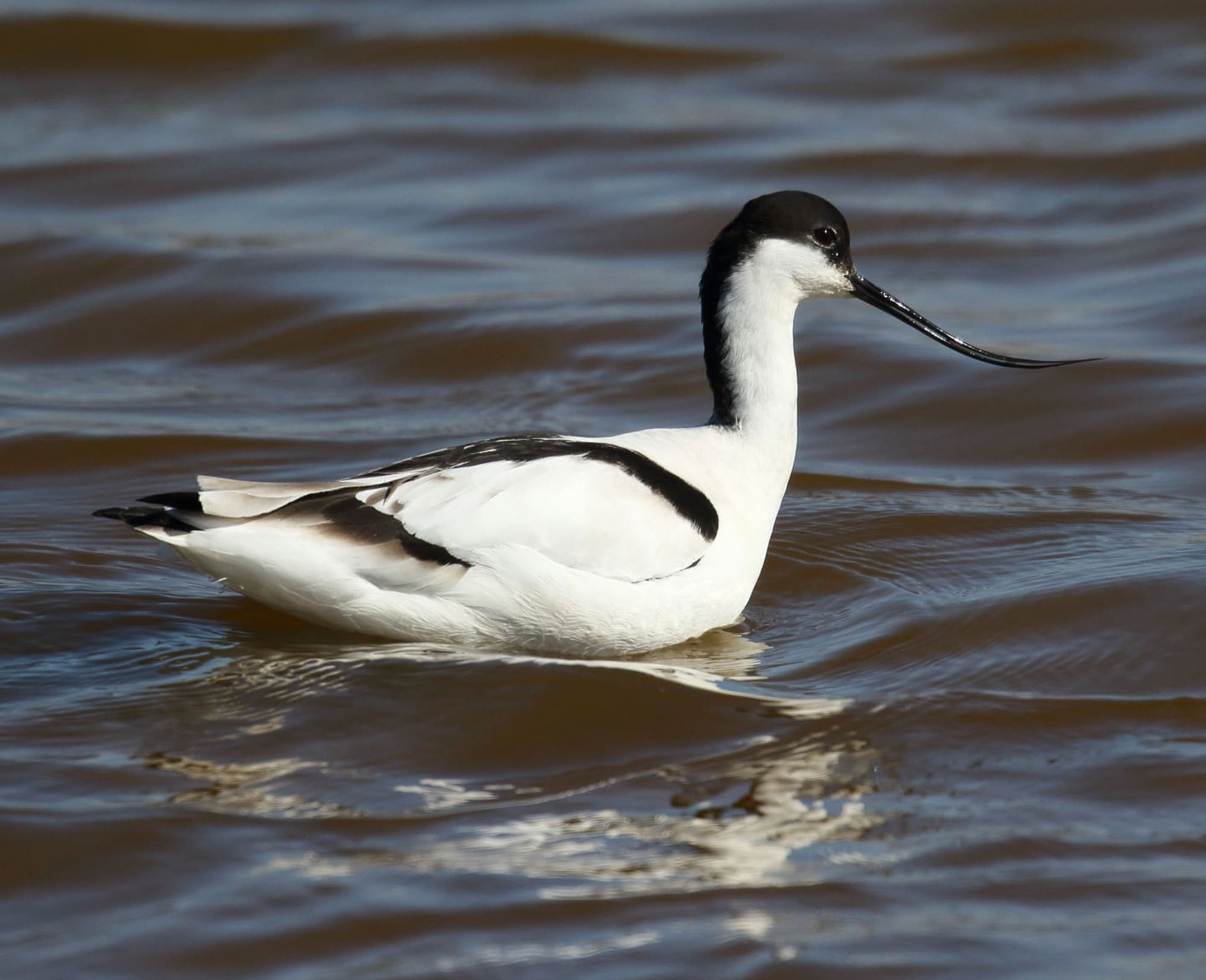
My highest Avocet count so far this year was a combined 45 birds with the 17 earlier on Great Marsh and another 28 here on De L’Orne scrape/lagoon. Ominously there were two adult Great Black-backed Gulls standing close by, a sign of things to come, as the Avocet numbers increase and they start to nest so will the Great Black-backed Gull numbers increase.

Avocet photo by Ian Williamson

22 pairs of Black-headed Gulls were already very noisy around the rafts. In a month’s time Adam will put out two extra rafts and set up a Common Tern tape lure to try and encourage them. Three pairs raised five young here in 2019. Holding the rafts back until the Common Terns have arrived from Africa means that they are less likely to be reserved by the Black-headed Gulls.

Adam accompanied me around the Breeding Bird Transect route which includes the private areas around the Gins. I will walk the transect once per week for 12 weeks, primary targets species will be Lapwing and Redshank. The walk around the Gins today produced at least 30 Snipe.

There were three pairs of both Pochard and Tufted Duck on Venner, both species bred here last year so it will be interesting to watch progress over the coming weeks. A Red Kite flew purposefully through the reserve as we sat in Venner Hide. Five Spoonbill on Venner included the 1st winter bird.

Red Kite photo by Brian Fairbrother

As Adam and I got back to the viewing gate Mike said he had just seen a Black Swan on Venner. It took a while for it to show again and in fact there were two. They are a native to Australia and have escaped from wildfowl collections in the UK. Just like Mandarin Duck they have become self-sustaining and are well established in the wild and so are likely to be officially added to the British Avifauna at some stage soon.

Black Swans

As I drove home I paused along Warren Lane to look into Droveway South and was pleased to see a flock of wagtails which included at least one White Wagtail.

White Wagtail

Wheatears and Sand Martins are two of the species that you look out for at this time of year but White Wagtails are usually just as early. They are subtle but attractive birds which are often overlooked. They are a passage migrant through Britain from early March to May. Most are heading to Greenland and Iceland and most of the Icelandic population of 50,000 pairs is believed to pass through the UK.

White Wagtail

The key features are shown nicely in the above photo. A clean demarcated black line across the nape, a pale/pure grey mantle, pristine white flanks and greyish (not blackish) rump. It was the 25th March that I first saw White Wagtails last year.

Another wagtail looked superficially similar at first glance but showed a slightly darker mantle, duskier flanks, a blackish rump and blackish mantle feathers coming through thus making it a moulting 1st winter Pied Wagtail.

1st winter Pied Wagtail