March 2022, Spring 2022

Tuesday 1st March 2022

A day when I braved the drizzle. Arriving at 8am I finally succumbed to hopelessly damp optics at 2pm.

Ian had seen the returning Oystercatcher near the Warden’s Hut yesterday and so I decided to head to the Sailing Club first. The Oystercatcher was in exactly the same spot as I had seen it last year on an island in the Old Spit Channel. The rings are the same other than I couldn’t see the yellow ring on the right tibia. Maybe it was caught up in the feathers or possibly lost altogether since I saw it last June. It was ringed as an adult (not a chick or a 1st summer bird) in 1999 and so is at least 25 years old.
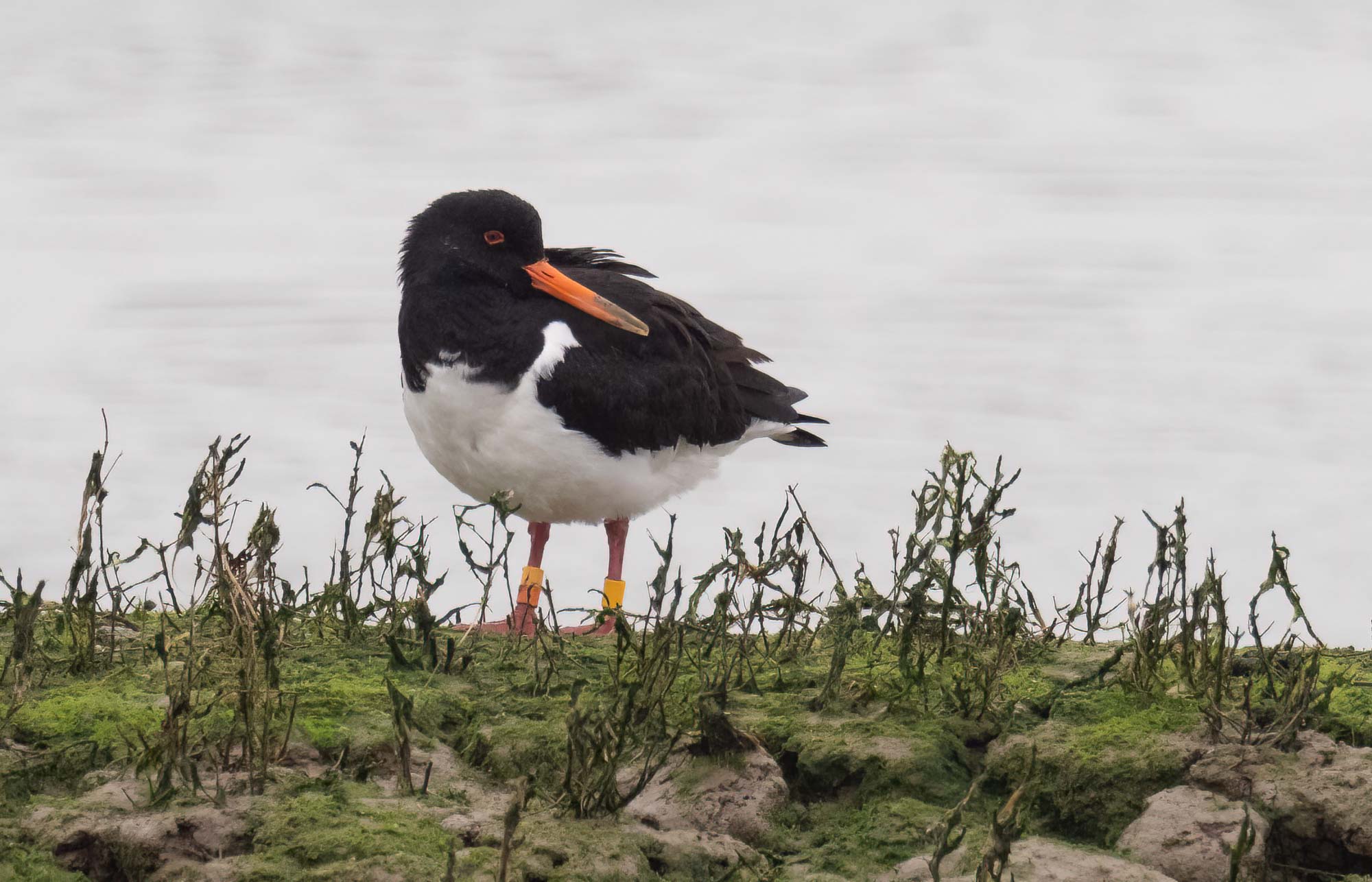
25 year old Oystercatcher

On the far end of Gull Island the 1st year Peregrine was surveying the river. I used the Warden’s Hut as a hide and was able to get closer to the Dark-bellied Brent Geese, they were feeding on the muddy inland edge of the spit and I was pleased to see that the Pale-bellied Brent Goose was amongst them. 
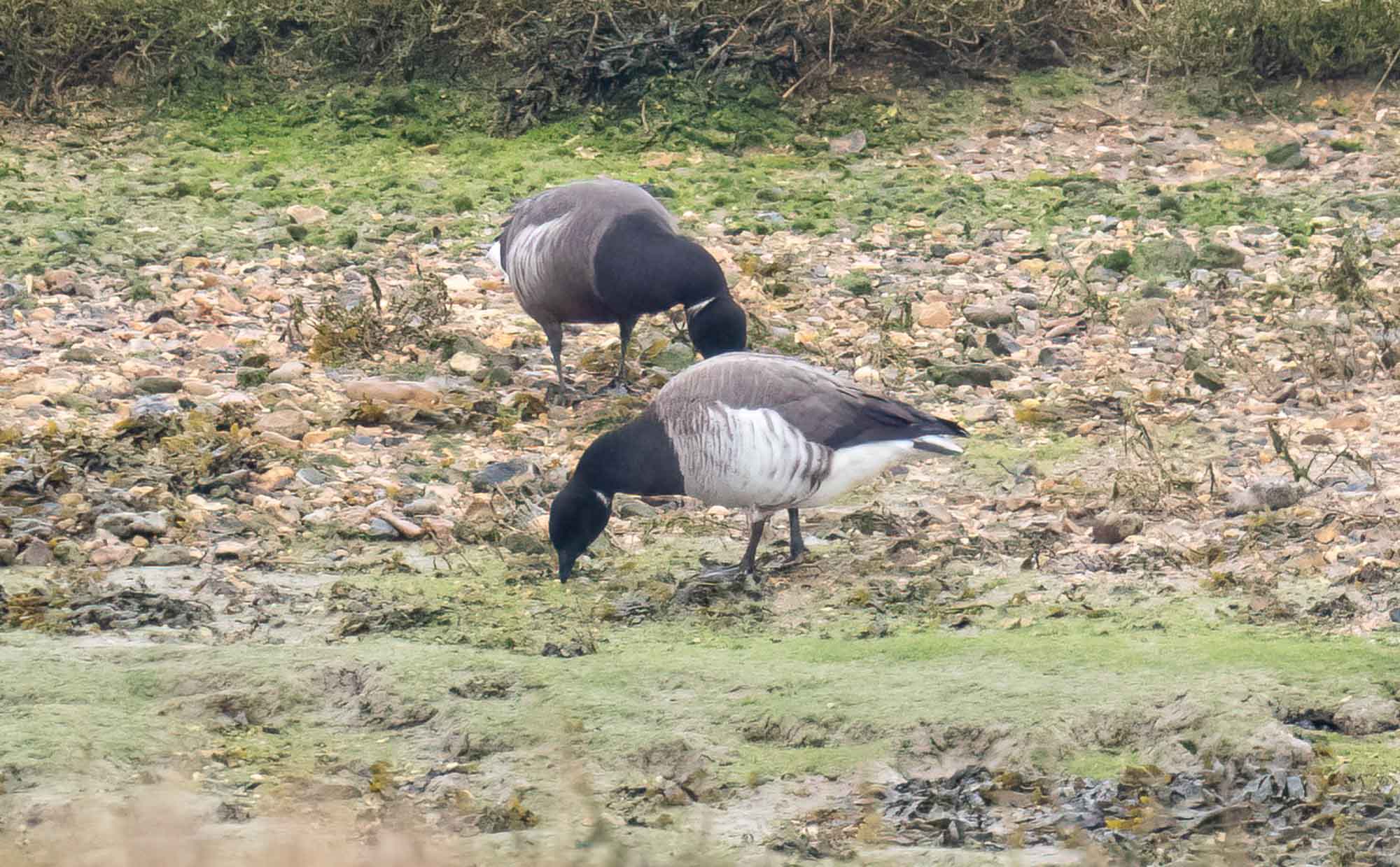
Pale-bellied Brent Goose

It was getting close to high tide and on the 17th Feb the spit opposite the cottages had been packed full of roosting waders. High tide was a similar height today but the spit was empty and the water level seemed much lower. I did ask the Hydrographic Office for an explanation but their detailed and helpful response left me really appreciating just how complex tidal prediction is. Local conditions mean that a tidal prediction for Buckler’s Hard or Stansore Point can be significantly off by the time you get to Warren Shore. 

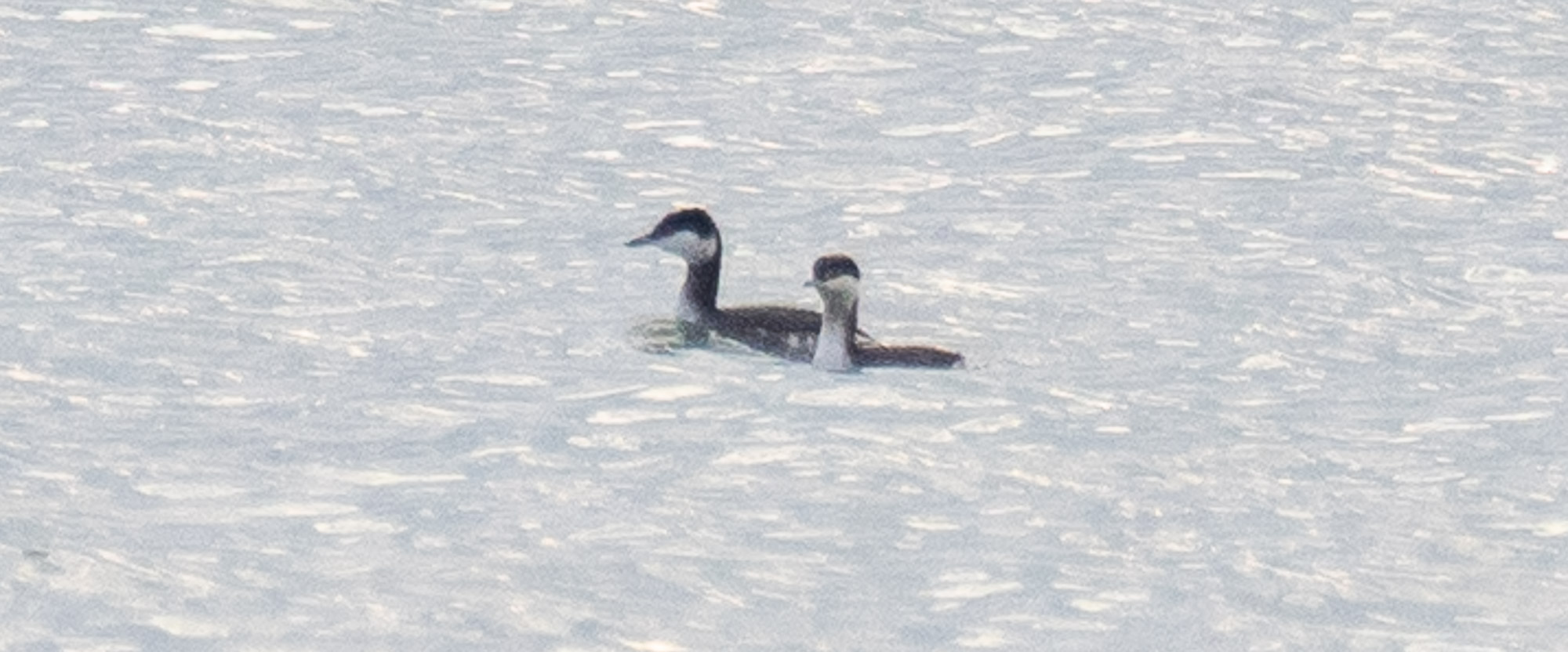
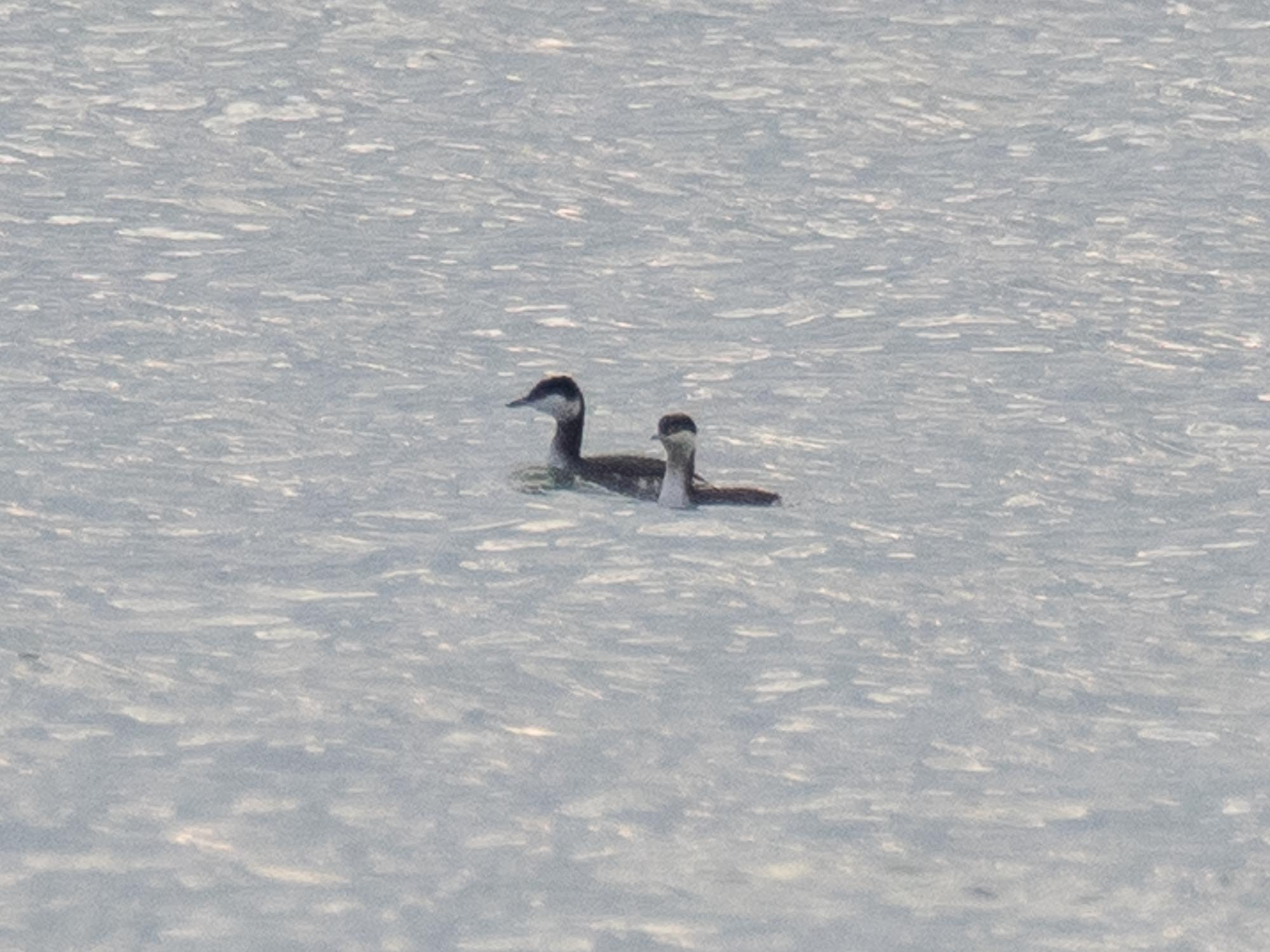
From the Warden’s Hut I picked up the two Slavonian Grebes on the sea and soon afterwards another two were also drifting west on the falling tide. On the river there were at least six Great Crested Grebes clearly paired up now and two of them were bill wagging in the preliminary part of their courtship dance.

A small group of Dunlin landed close by. The race that winters around the UK is Calidris alpina alpina and they go back to Norway to breed.
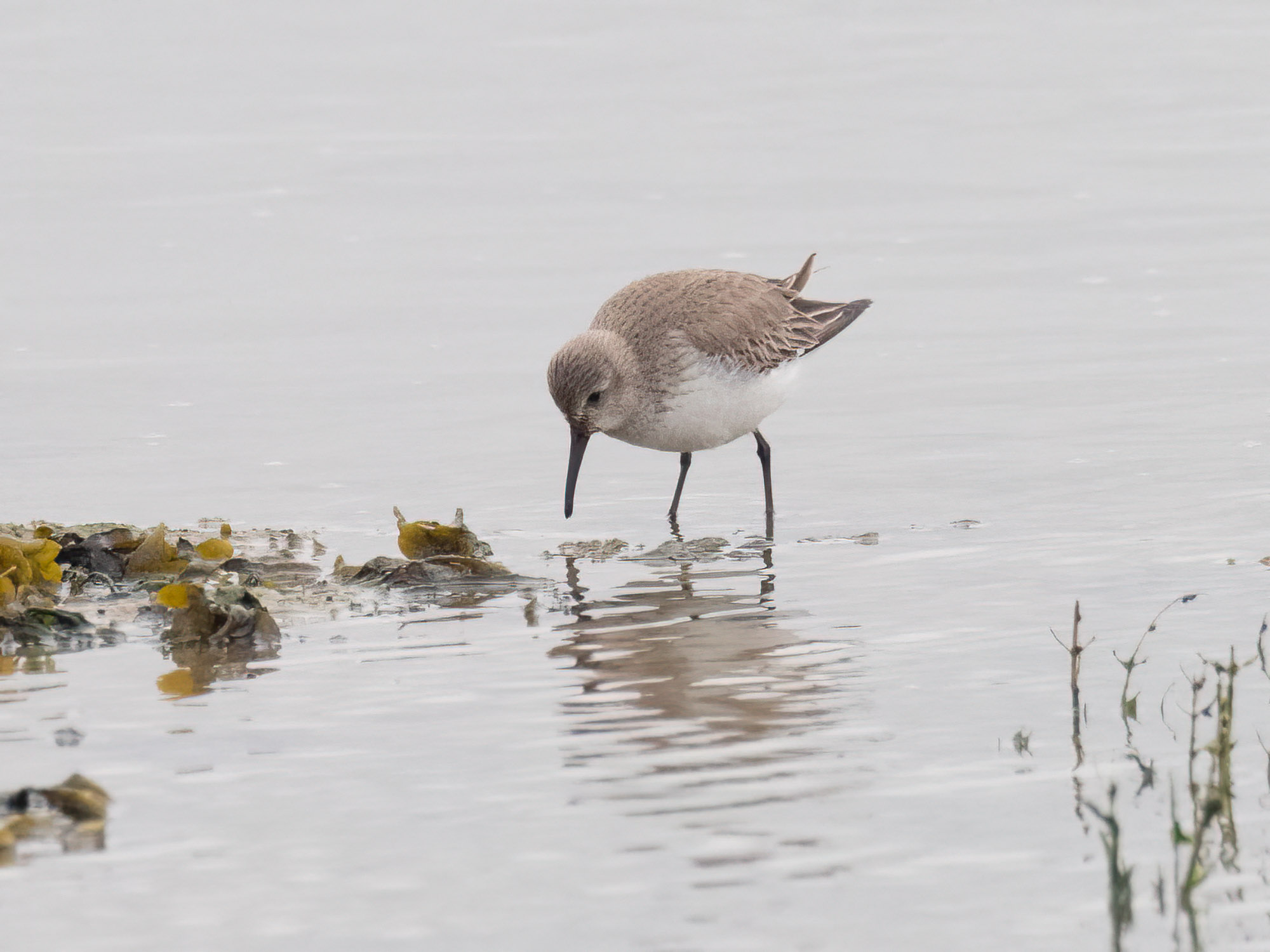
Dunlin

On De L’Orne a Kingfisher was sat at the back of the lagoon and there were 2 Greenshank on the Scrape. Greenshank that leave before mid-April are usually heading to Scotland to breed and those that leave in late April or early May are usually heading to Scandinavia or further east.
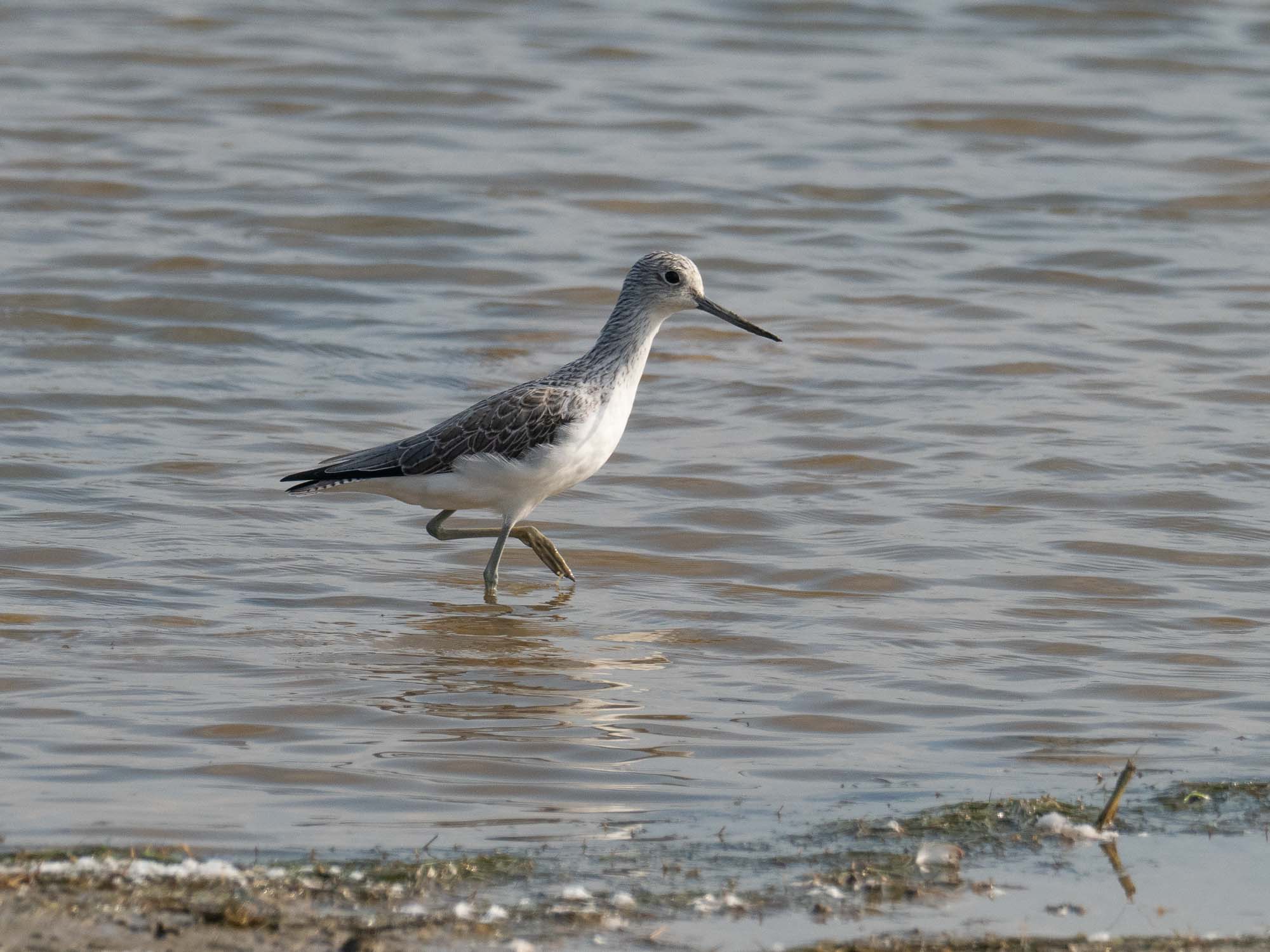
Greenshank

Having said that, in 2021 it was impossible to tell when the Greenshank left as I recorded a single Greenshank in every week of the year and so there didn’t appear to be a gap after which birds left for Scotland/further east and before returning birds appeared in the early autumn. I believe that Greenshank return north to breed in their first summer and so it seems odd that we should have had a Greenshank on De L’Orne in every week during May to July.

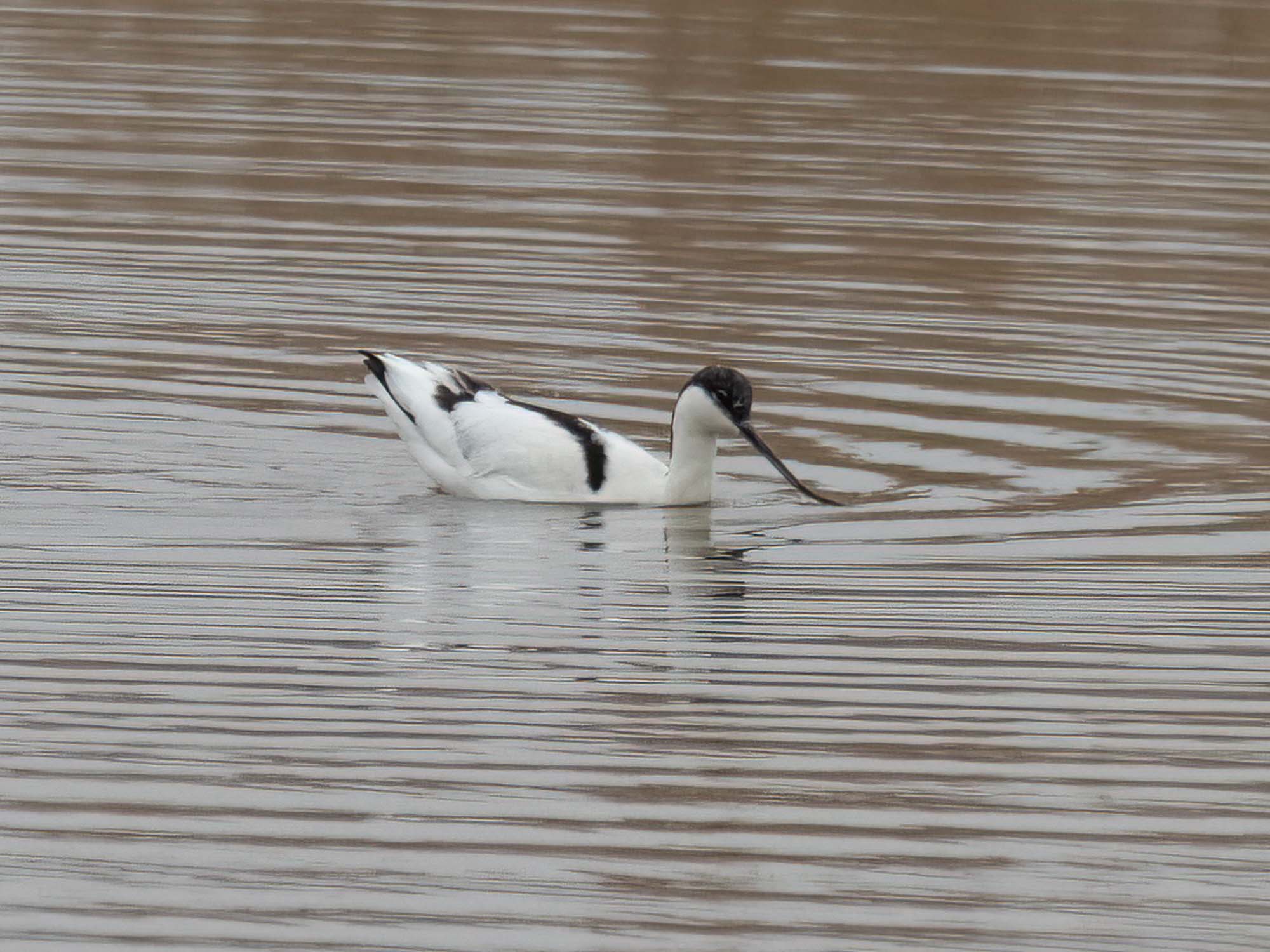
Also on the scrape the Avon Valley colour-ringed Redshank was still present and there were now 23 Avocets.

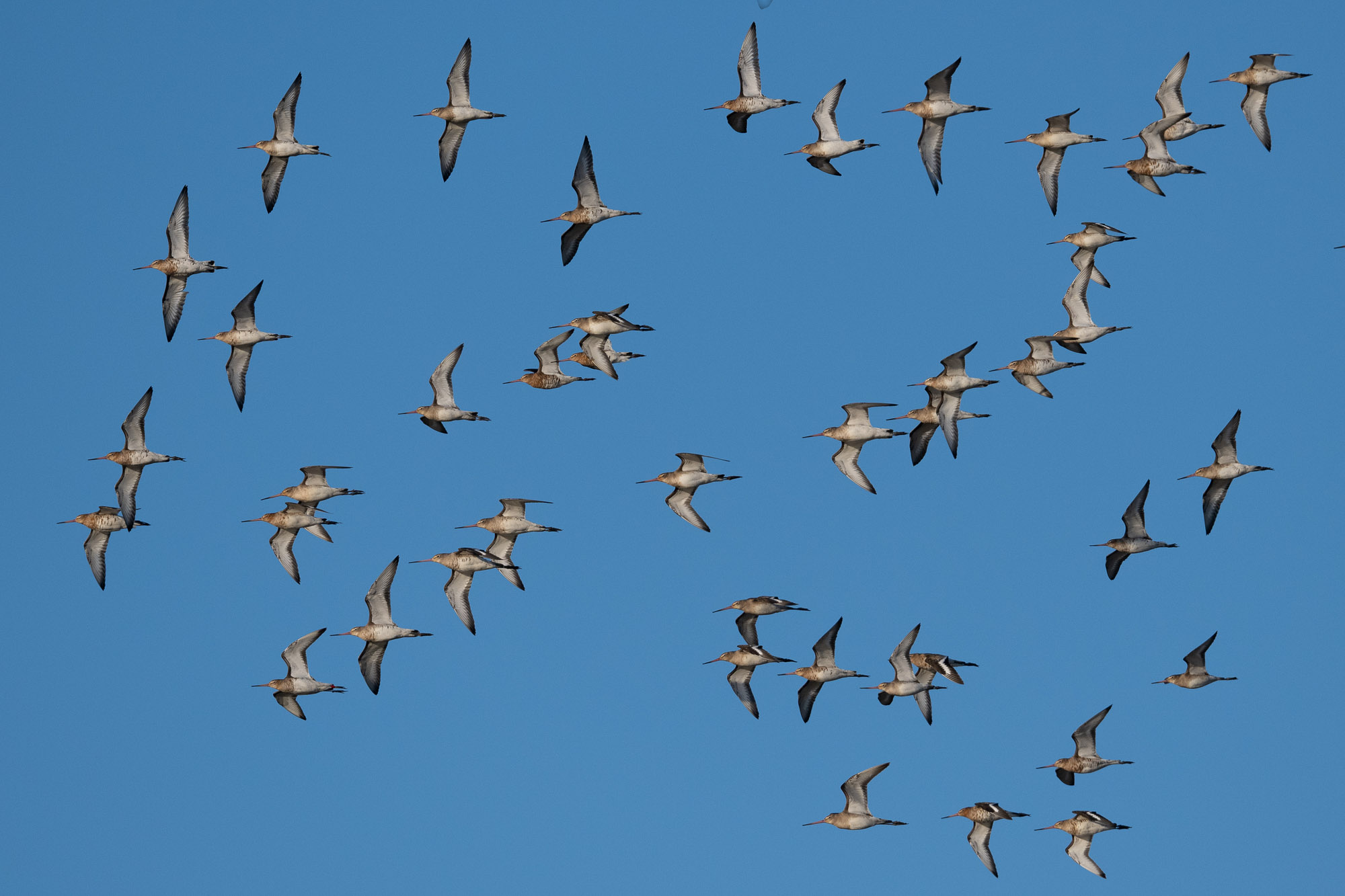
From Venner Hide I counted 62 Black-tailed Godwit on Wigeon Fields and a breeding plumage Cormorant was wing drying on the Island. The gular angle looks close to 90 degrees and with the extensively white head I wondered if this may be a sinensis race Cormorant. Given the overlap on this feature, however, it’s probably best to wait for an individual with a gular angle greater than 90 degrees.
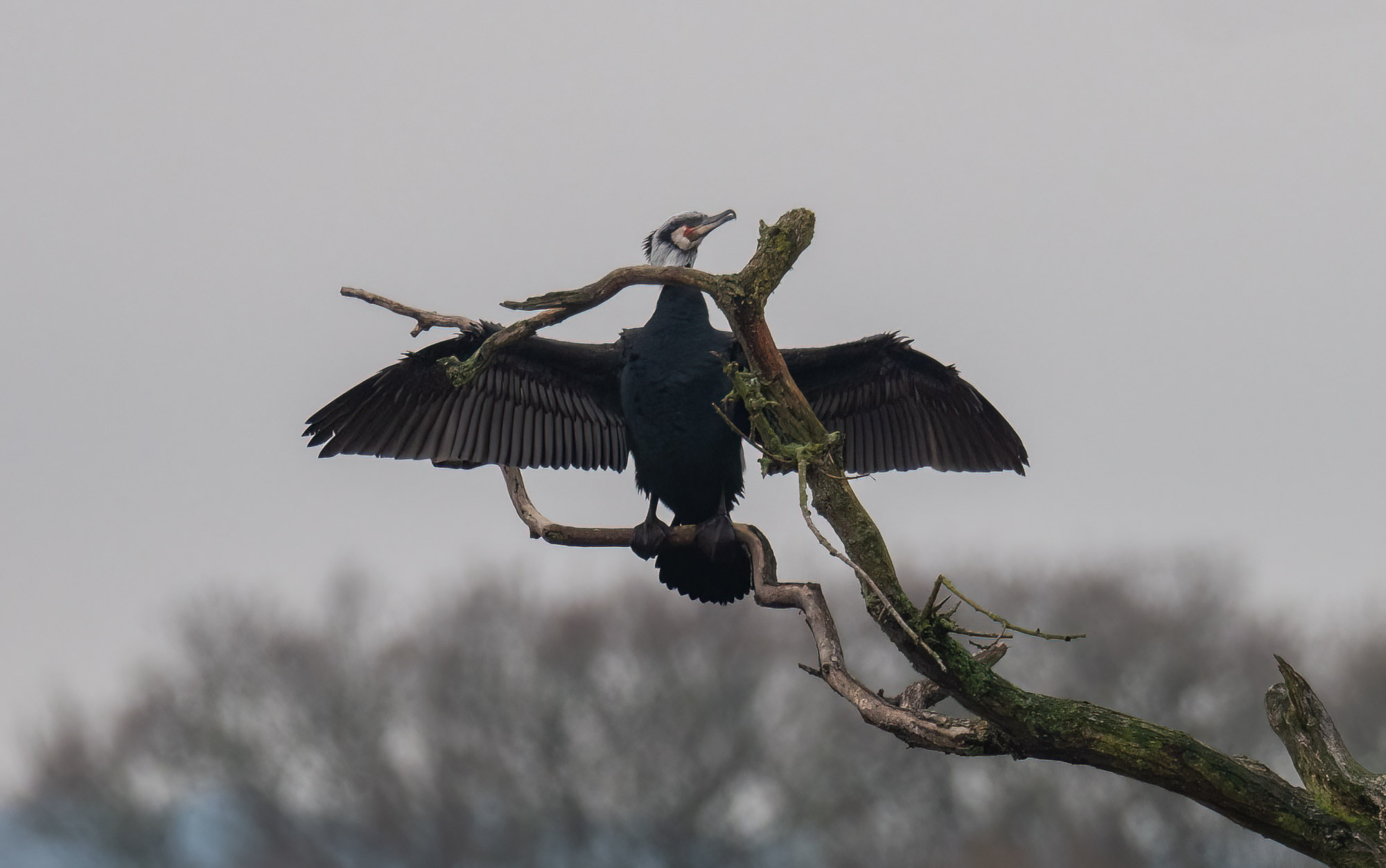
Cormorant

Very few, if any, Cormorants breed in Hampshire although some non-breeders, maybe younger birds, do remain to spend the summer. Most of our wintering birds will head back to the continent to breed. Also on Venner there were 12 Tufted Duck and four Spoonbill.

Checking the sea again I picked up two distant rafts of Eider all drifting quickly west, groups of 25 and 15 with most of them head thrusting, wing flapping and bickering. 40 is my highest count here. A very distant diver headed east. The feet looked large and protruding so I initially doubted that it could be a Red-throated Diver but the characteristic head lifting, as though uncomfortable, was diagnostic.

As the tide receded further I could see more of the single beach and a colour-ringed Redshank appeared. I had a frustratingly short view before it flew off. It had a red or deep orange ring on the right tibia and a white/cream flag with three numbers/letters on the left tibia. Hopefully I will see it again and get longer views.

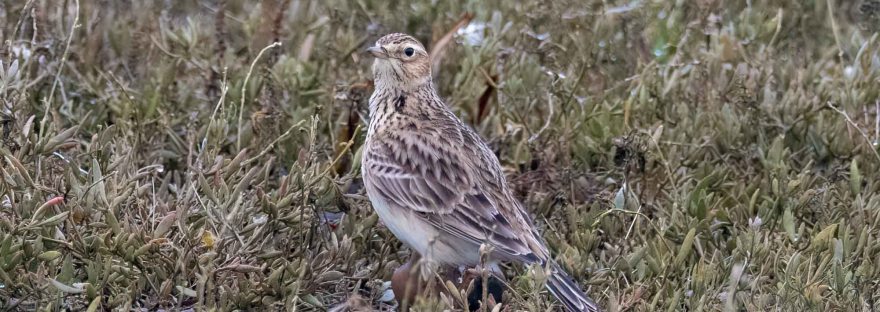
A Skylark flew up from the saltmarsh in front of me and uncharacteristically it soon landed and I managed a few photos.
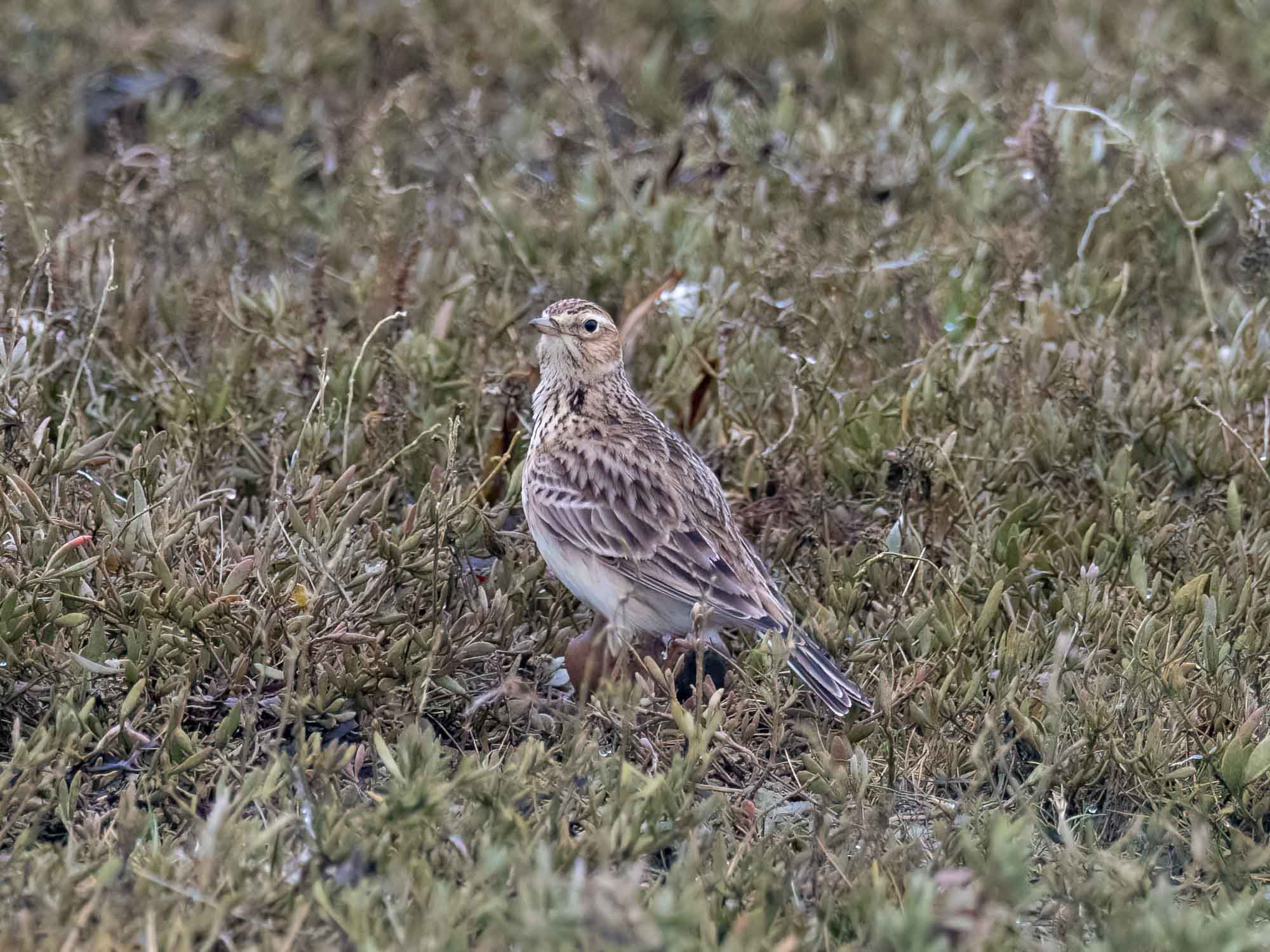
Skylark

The highlight of the day was the pipit which also lifted up from this area. Even in flight I could see a pinkish wash to the chest and breast. It landed and I had brief scope views, the head was bluish and the supercilium was whitish, this was a nicely marked littoralis Scandinavian Rock Pipit. I’d seen several Scandinavian birds at the Sailing Club on the 3rd November 2021, this could be a bird that has wintered here and is now acquiring its summer colour.
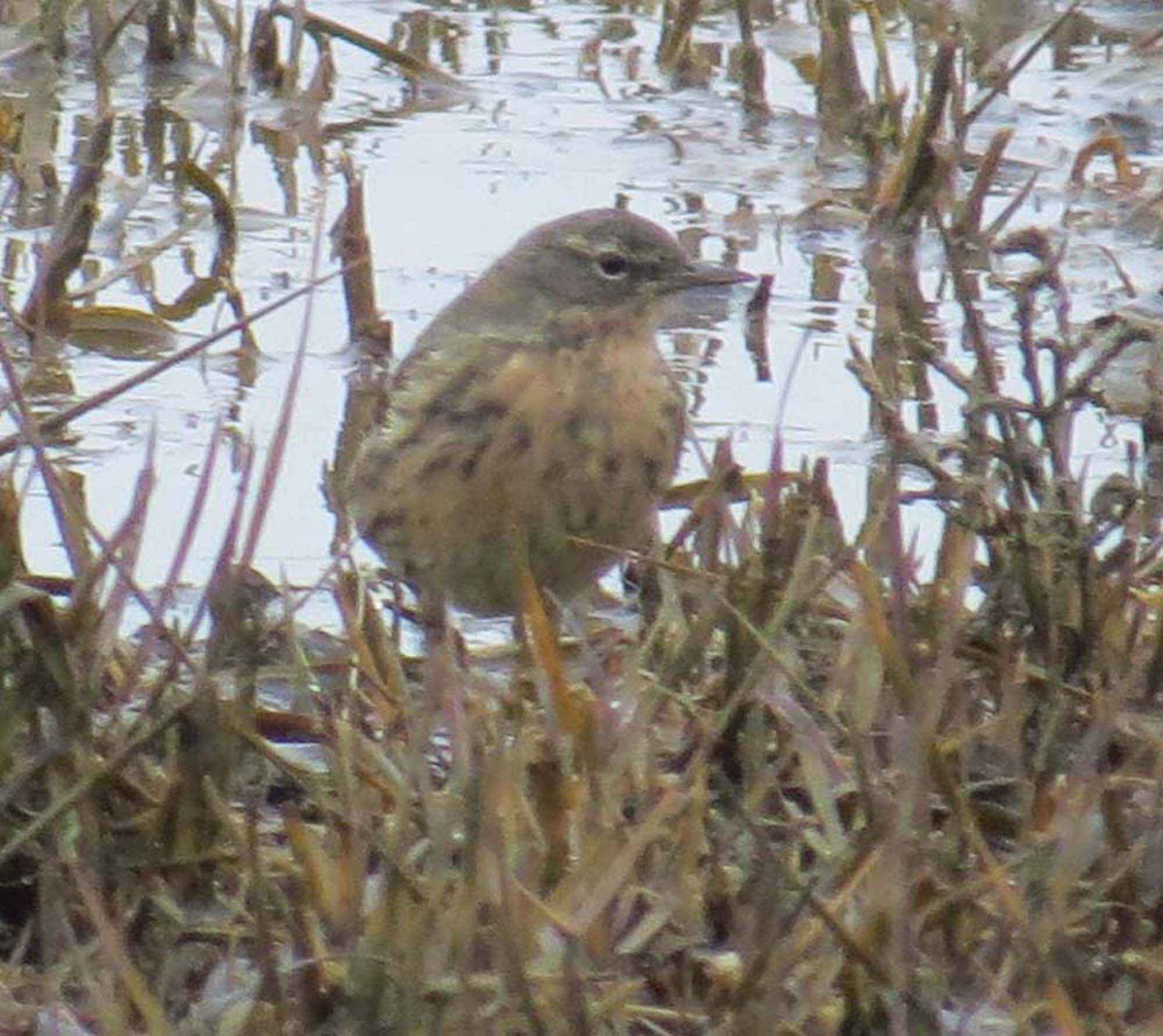
littoralis Scandinavian Rock Pipit photo by Mike Rafter

In the autumn, migrant Rock Pipits of the subspecies littoralis arrive from Scandinavia. They can be very difficult to separate from the British petrosus race but the location of wintering Rock Pipits can help with assigning to race. Rock Pipits seen on the shoreline or a rocky coast are almost exclusively the nominate petrosus birds some of whom breed in Hampshire, Hurst Castle for example. Rock Pipits encountered on saltmarsh, however, like here are good candidates for the littoralis race.

I was frustrated not to get a photograph but thankfully Mike also saw the same bird and had better luck. This individual may well be the same Rock Pipit I have seen near Mary Monts on several occasions throughout the winter but only now is it assignable to race with its pinkish breast and bluish head.
Monthly Summaries

Highlights February 2022

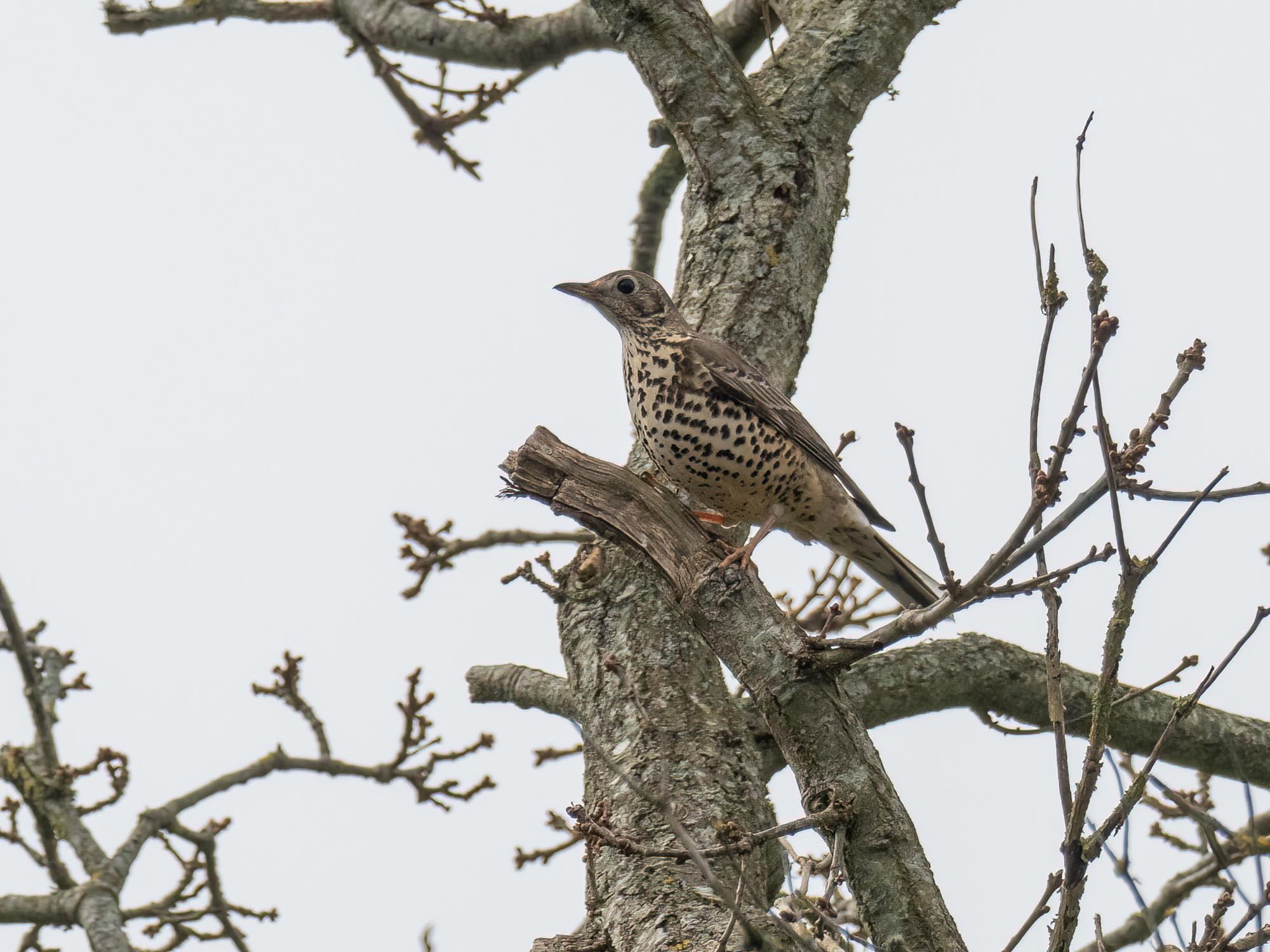
The wintering female Scaup was last seen on the 1st completing a 14 week stay on Black Water. At the turn of the month she was accompanied by building numbers of Tufted Duck which peaked at 32 on the 7th. Good numbers of Mistle Thrush also moved through the reserve on the 7th.

Mistle Thrush

The Avon Valley colour-ringed Redshank was seen again early in the month on Sluice Gate Saltmarsh.

colour-ringed Redshank

Later that afternoon a Common Seal was resting on the river bank south of the Yacht Club. They are well known for hauling up on beaches and sandbanks in tidal estuaries but despite their name they aren’t as common or widespread as the more familiar Grey Seal.

Common Seal

Two Slavonian Grebes remained throughout the month, down from five in January, perhaps some have moved on already, last year they had all gone by mid-March.

Slavonian Grebes

The wintering Spotted Redshank was elusive. I saw it well at De L’Orne on the 10th and then heard it again on the 12th.

Spotted Redshank

The flock of 120 Golden Plover on De L’Orne Scrape on the 12th was the highest count at Needs Ore for five years. There were still at least 80 around at the end of the month.

Golden Plover

The sea was quiet throughout the month in Hampshire and it was the same here. Highlights were a Common Scoter and a Great Northern Diver both heading west on the 12th and 11 Eider also heading west on the 17th. A nice surprise was watching a Great White Egret pay a brief visit to De L’Orne on the 12th

Great White Egret

I didn’t walk the spit during February but managed to see the Purple Sandpiper distantly in the high tide roost opposite the cottages on the 17th, also on the 17th a Chiffchaff was calling in the hedge near Rye Errish Copse on Park Lane.

Pale-bellied Brent Goose (left)

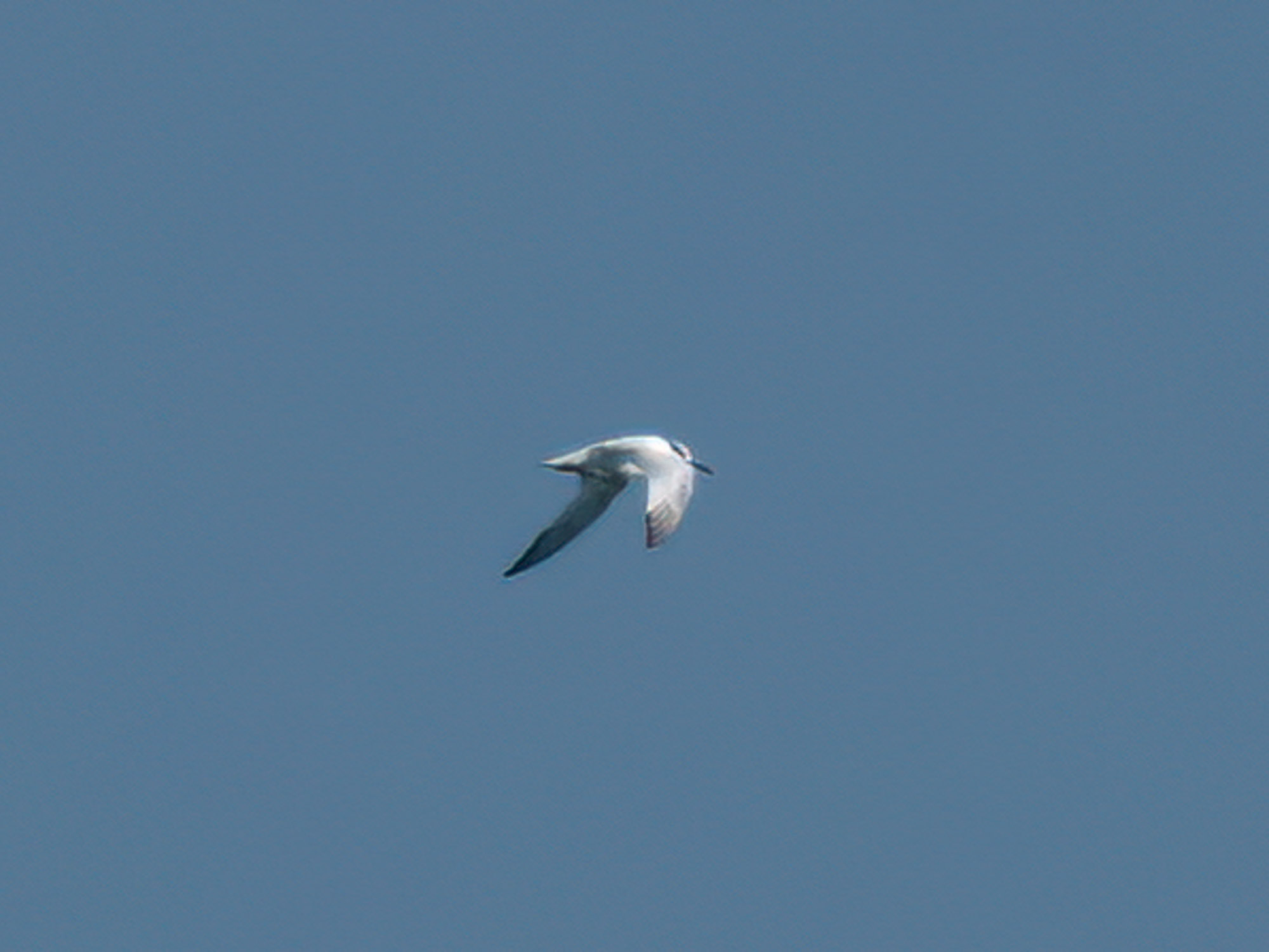
An unexpected Sandwich Tern was off the Sailing Club on the 27th. There have been a handful wintering in the county this year but none were seen here until now.   

Sandwich Tern

There were noticeably fewer Teal on the reserve by the month end suggesting that some are already heading back to Scandinavia and northern Europe. The WeBS count found only 146 compared to 631 in January and 926 in December.

Red Admiral

Several queen Buff-tailed Bumblebees and Red Admirals were seen towards the end of the month by which time birds were establishing territories and plenty were singing. Meadow Pipits in their parachuting display and Skylarks rising into their song flight. Around the water bodies Little Grebe were singing.

Skylark

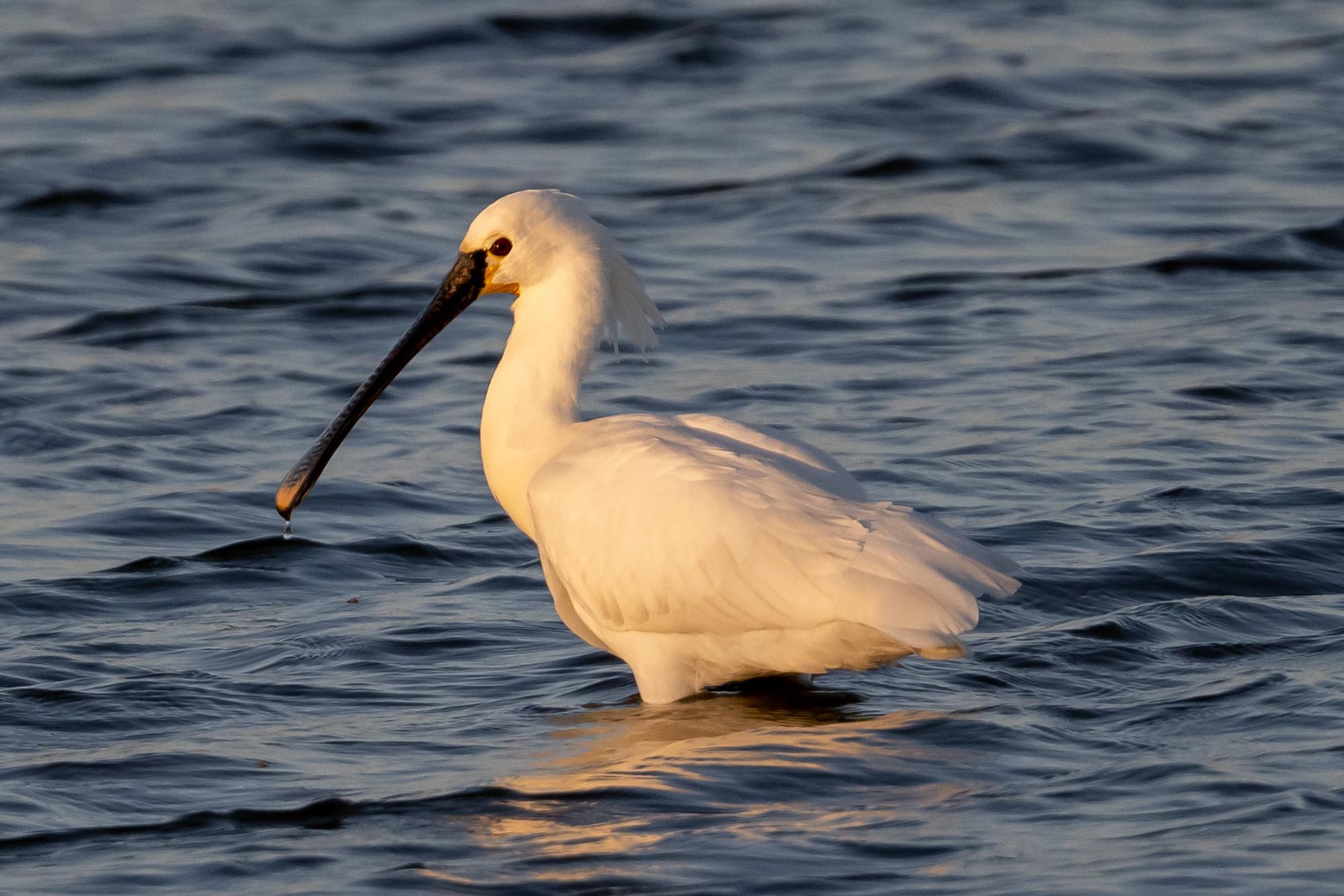
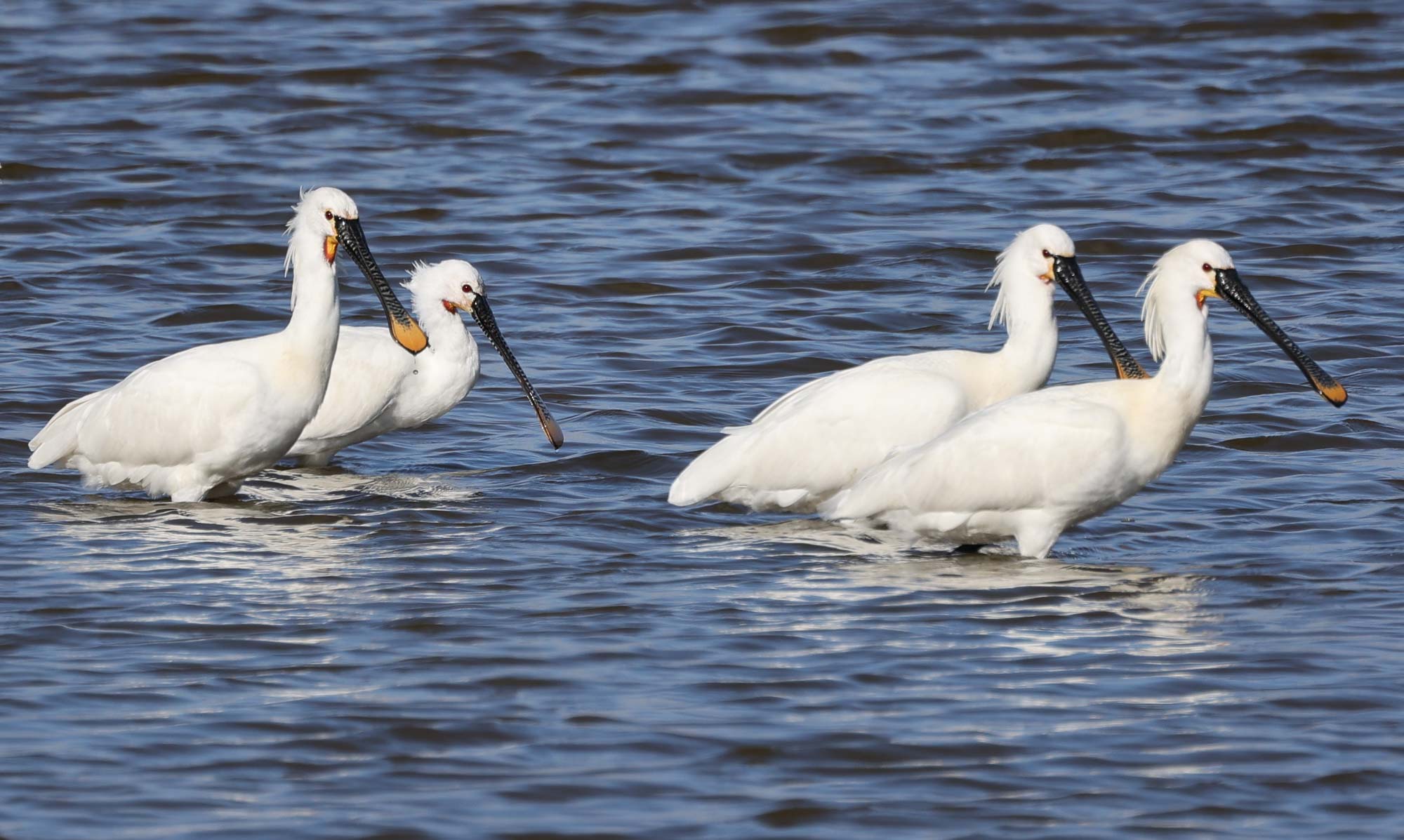
Birds present throughout the month included the adult Spoonbills with the peak of 17 on the 17th.

Spoonbills

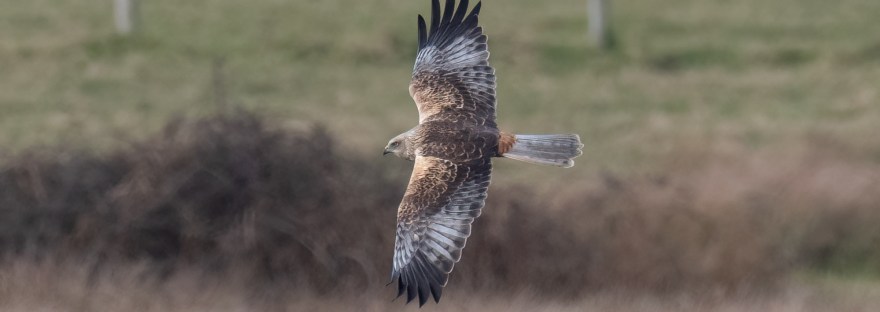
A three year old male Marsh Harrier was seen regularly throughout the month and may be old enough to breed this summer. There was breeding activity around Black Water last year but this may have been younger birds practicing. They did breed locally (east of Lepe) and several juvenile birds visited us in the late summer.

male Marsh Harrier

The two Cattle Egrets were still present at Park Farm throughout February.

Cattle Egrets

Returning Avocet numbers rose steadily to 21 by the month end. They included two colour-ringed birds – AX a four year old ringed at Great Marsh in 2018 who appeared to spend the summer at Titchfield Haven last year, it will be interesting to see if it stays longer this year. Also VI a three year old ringed at Great Marsh in June 2019. It wasn’t old enough to have bred last year but it may well this year. All the Avocets were on De L’Orne Scrape or the river, they don’t tend to visit Great Marsh regularly until April.

Notable absentees include Dartford Warbler not seen or heard since 19th January and still no sign of either adult Peregrine at the Point. It’s been nearly three months since I saw either of them although an adult at Park Shore on the 12th may have been one of our birds.

February 2022, Winter 2021/2022

Sunday 27th February 2022

A brief morning only trip. It was very spring-like in the warm sunshine. Lots of birds were singing including several Meadow Pipits in parachuting display and Skylarks rising up into their song flight.

Skylark

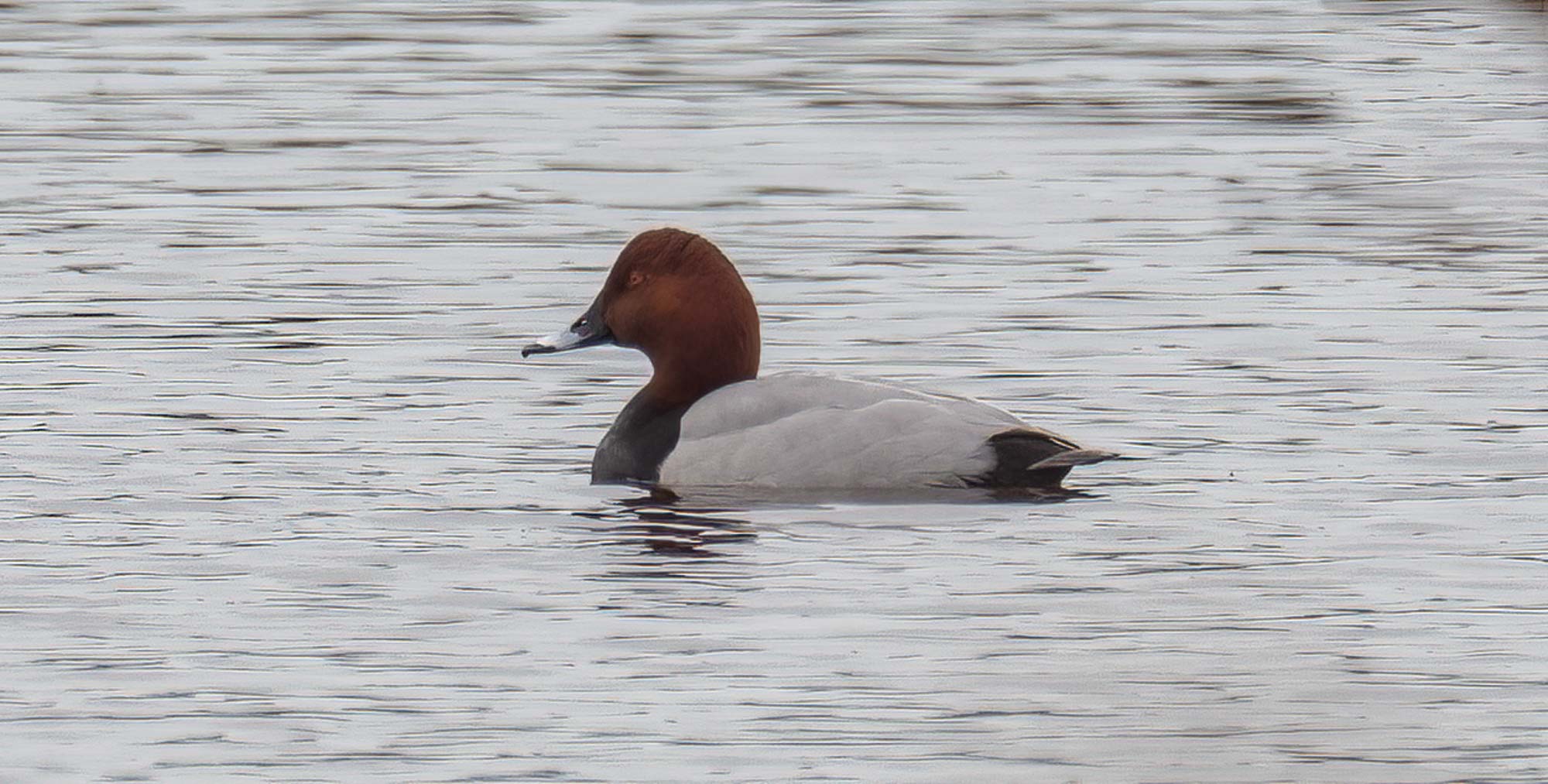
A male and female Pochard were on Venner, perhaps they may breed again this year. Also four Tufted Ducks, this is a much reduced total from the 32 who were here three weeks ago.

male Pochard

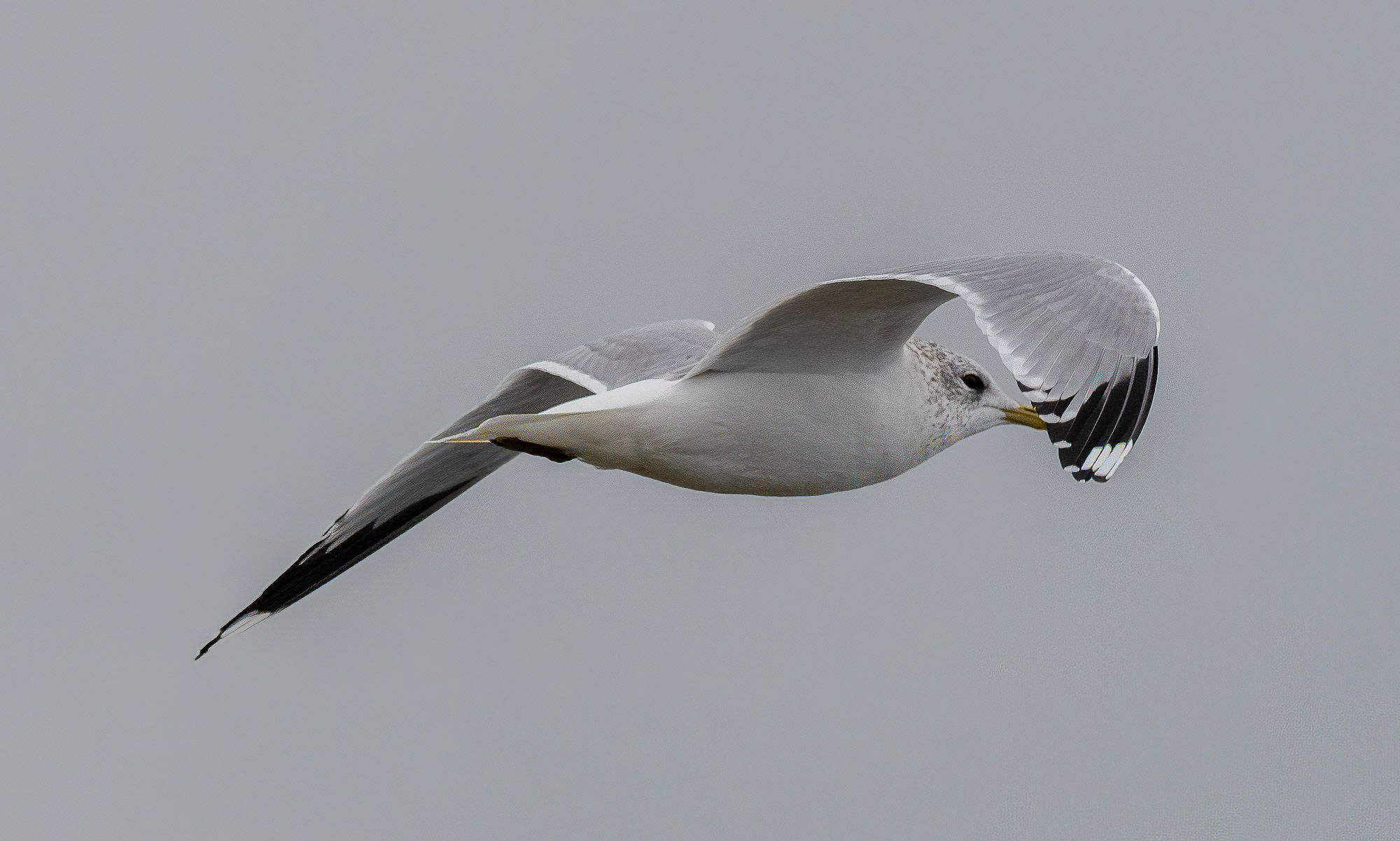
Common Gulls are usually seen way over on Inchmery and so it was nice to see an adult flying close by over the flooded fields.

Common Gull by Ken Button

On De L’Orne there were two Golden Plover and another 20 Golden Plover were on the far side of Wigeon Fields with 16 Black-tailed Godwit and around 80 Lapwing.

male Marsh Harrier photo by Terry Jenvey

It was nice to see the male Marsh Harrier at point blank range again. Photos confirm that the same three year old male is being seen regularly, he may be old enough to breed this year. The Lapwing which were also on the Gins are now starting to chase off intruders including the Marsh Harriers.

male Marsh Harrier photo by Brian Fairbrother

There were noticeably fewer Teal on the reserve this morning suggesting that some may already be heading back to Scandinavia and Northern Europe. The WeBS count last Sunday counted only 146 compared to 631 in January and 926 in December.

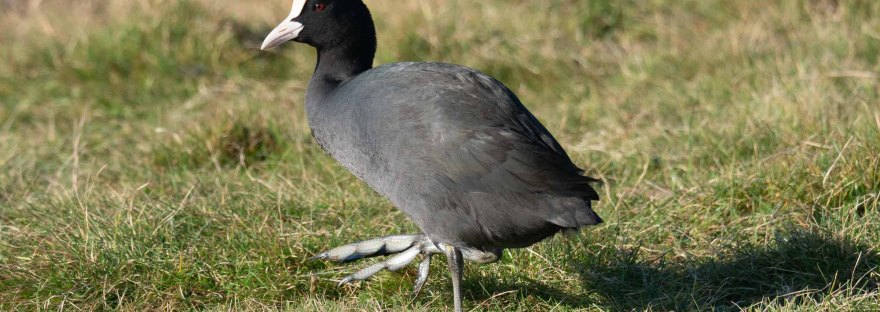
Coot numbers have increased to 36, interesting to see their slightly ridiculous feet which help to distribute their weight, aid propulsion underwater and also help them get airborne.

Coot

Highlight of the day was an unexpected Sandwich Tern patrolling up the river off the sailing club. This will be a bird that has wintered in Hampshire rather than an early migrant. It’s the only Sandwich Tern seen at Needs Ore this winter. There have been a handful wintering in the county but mainly around Langstone Harbour.   

wintering Sandwich Tern
February 2022, Winter 2021/2022

Friday 25th February 2022

I met up with Ian first thing. We spent some time watching the sea but it continued to be quiet. There were two Slavonian Grebes opposite the cottages but not much else.

Slavonian Grebes

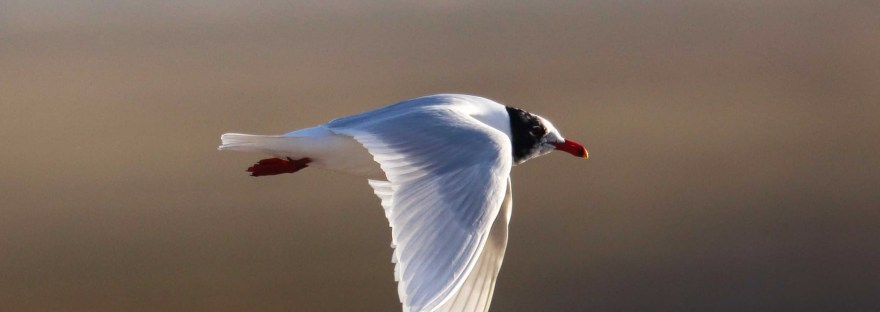
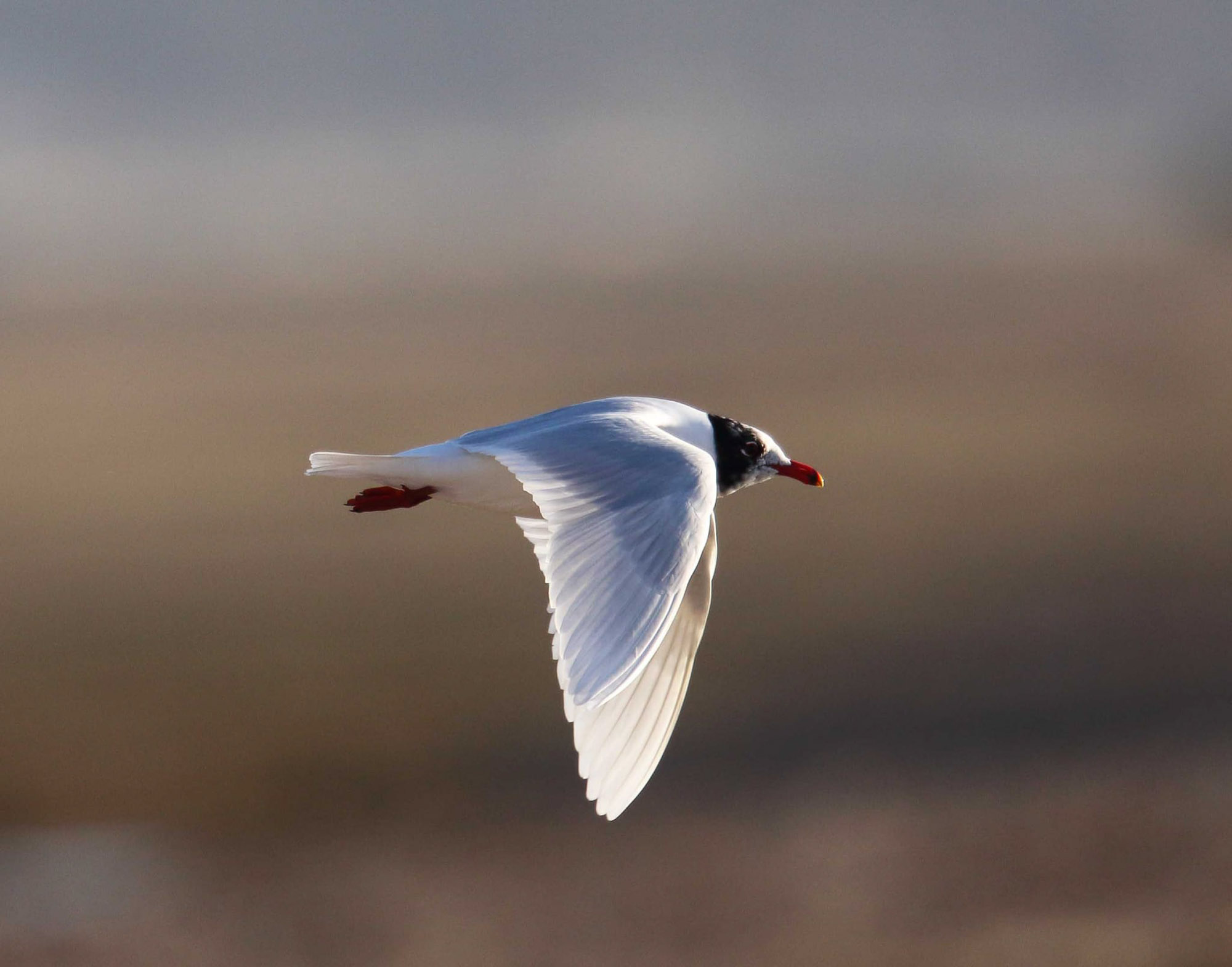
Mediterranean Gulls are now acquiring their summer hoods.

Mediterranean Gull photo by Ian Williamson

Seeing the shoreline looking spring-like in warm sunshine made me think about the first Wheatears returning although this probably won’t be for another three weeks or so.

Oystercatcher

After a 10am meeting with Adam I managed a few hours around the hides. The number of Avocets had increased again, now up to 21 including three of Graham’s yellow flagged birds. Although not full on courtship display they were pretty frisky in the warm sunshine.

Avocet

AX was ringed as a chick at Great Marsh in the summer of 2018 and is old enough to breed. I saw it on Great Marsh three times in April and May last year but it was perhaps pushed away as it subsequently moved to Titchfield Haven in June 2021 and perhaps it bred there. It will be interesting to see if it stays longer this year.

VI was ringed as a chick at Great Marsh in June 2019 and I was the last person to report it, on Great Marsh, in June and July 2021. It wasn’t old enough to have bred last year but it may be this year. The Avocets don’t tend to appear on Great Marsh until early April.  

Black-tailed Godwit photo by Brian Fairbrother

There were sizeable flocks of Black-tailed Godwits in the air and on a couple of occasions the Golden Plover also wheeled overhead, there were around 80 and they appeared to drop back down on to the Gins.

Spoonbill photo by Brian Fairbrother

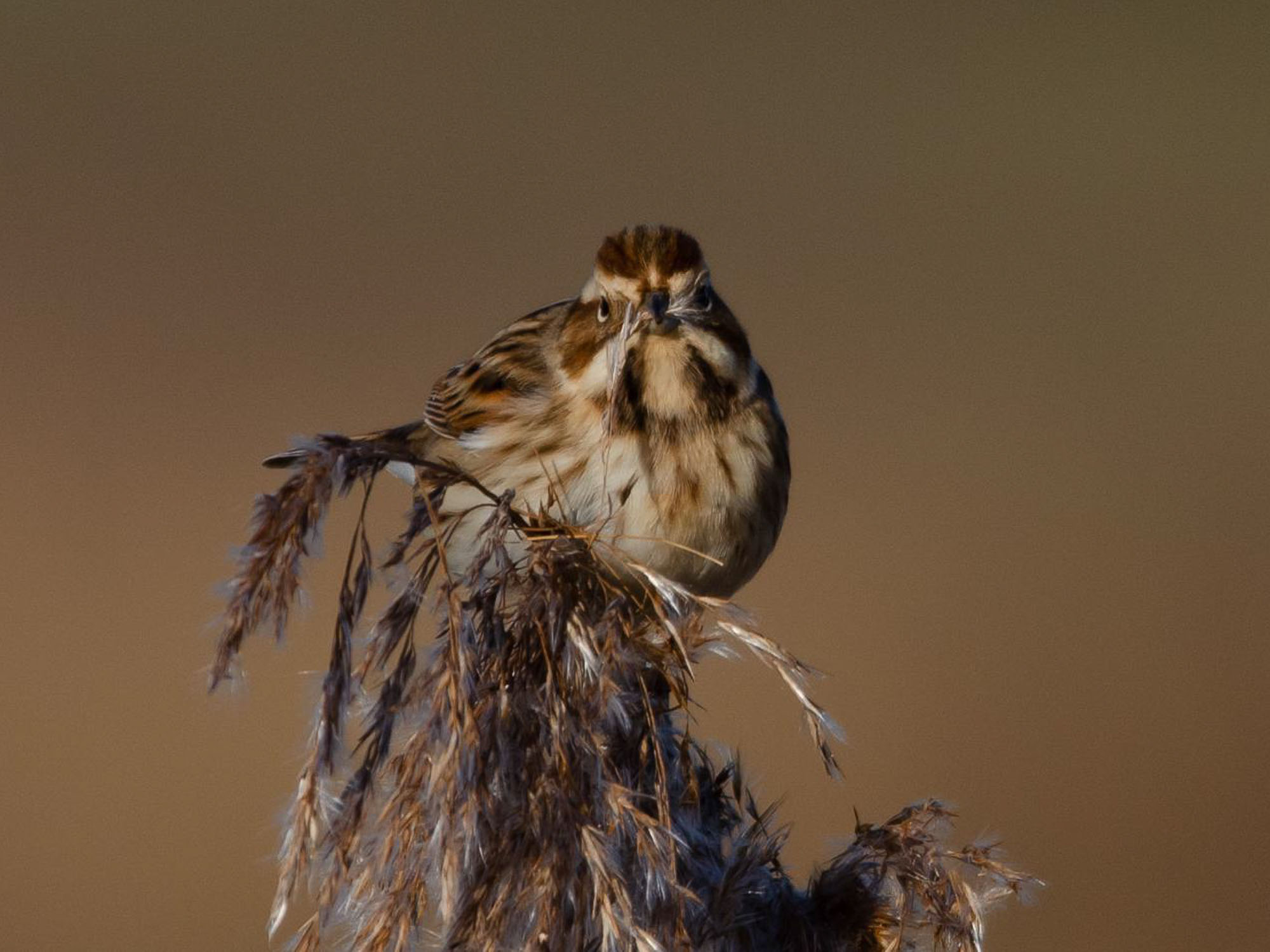
14 Spoonbills showed very well looking nice in the warm afternoon light and lots of Reed Buntings were singing from various wet areas around the reserve.

Spoonbill photo by Terry Jenvey
Reed Bunting photo by Dimitri Moore